
Category: Faith
Alberta Kisling’s Stories
Alberta Kisling was passionate about preserving stories and wrote and collected them during her life. The Quaker Stories website was created so these stories could be told.
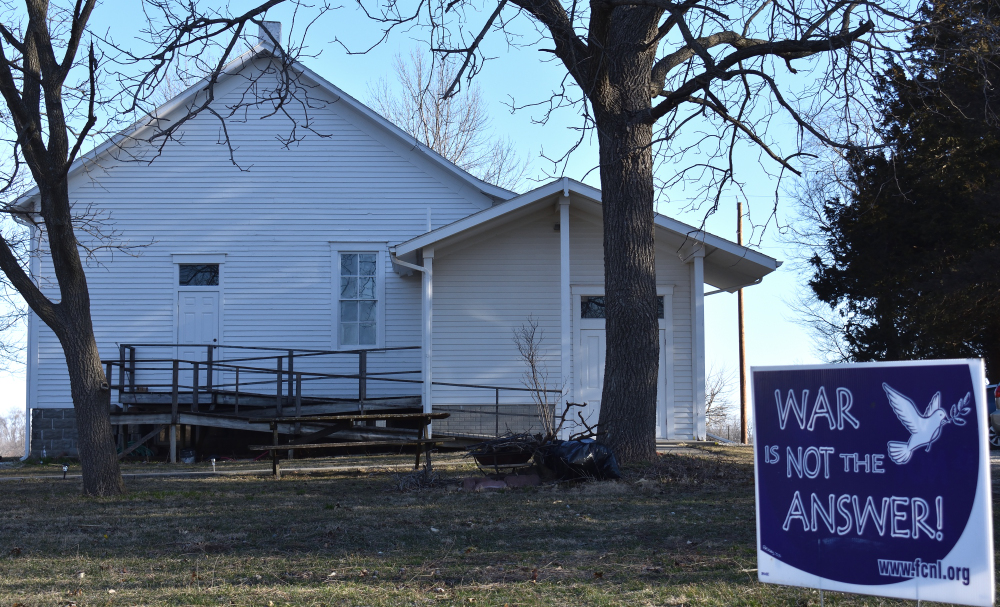
Centering Down at Bear Creek
by Alberta Kisling
Catch the mind
Don’t let it wander – Center
The facing bench is empty
Where are they?
Oh, there they are
Sitting so tall
So stern
Faces lined, eyed downcast
Always there.
There – out the window
The old school house
Where are your children school house?
Do they remember you?
Yes, I feel them here
They are whispering
Good morning – how is thee?
Resurrection
by Alberta Kisling
Out of the crumbles of dust and termites come memories of children’s voices at play or reciting, first-day school and committee meetings. We Quakers reflect on the old school house that is gone.

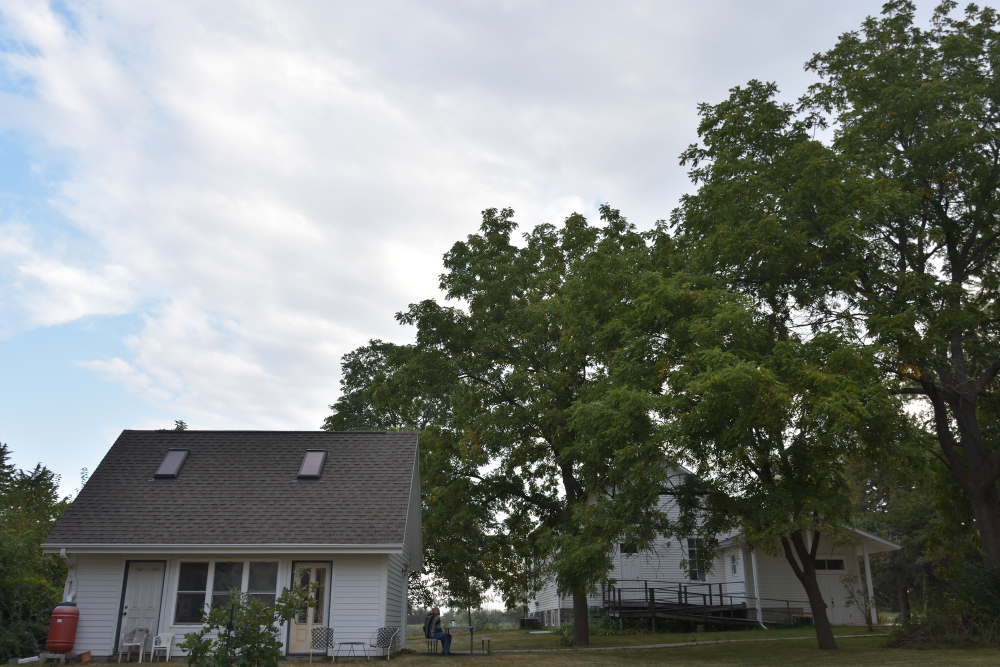
But look! Rising from the ruins of the past; a new building! Many windows for quiet gazing across the fields. Our spirits are lifted as our eyes are drawn heavenward. Skylights, and a loft for rest, and quiet meditation.
Already there have been worship groups, committee meetings, and students sleeping (?) all night. The rain barrel waters the new circle garden.
We are breathless as we absorb its beauty. We are enthralled as we contemplate the endless possibility of its future. The first of the past are weaving themselves into the miracle of new life in our beautiful, precious Quaker Cottage.

Lorene Standing
by Alberta Kisling
Mother seldom lost her temper but there were occasions that would try the patience of a saint!
Mother had gathered walnuts and wanted to dry them so she could shuck the hulls off. So she decided to put them up on the tin roof of our house so the squirrels wouldn’t get them. Imagine her dismay when it rained and black walnut stain filled our cistern.
One wash day she had carried in buckets of water and filled the copper tub on the stove to heat. After she had transferred the hot water from the wood burning cookstove to the washing machine, added the Fels-Naptha soap she had ground off a hard bar, and sorted all the clothes; whites, colored and very, very dirty chore clothes, she attempted to start the gas engine on the washing machine. She kicked and kicked and it wouldn’t start. She took out the spark plug and cleaned it, put it back and tried and tried again!
“Well Sam Hill and Seven Stakes!” she said–as near to cussing as I ever heard.
When she was working at the County Home she used a step ladder to climb up on the kitchen counter to paint the wall. When she stepped back on the ladder it shifted and she fell, catching her leg in the ladder, causing a serious compound fracture. She didn’t call us until she had been in the hospital for three days and Aunt Lydia said, “if you don’t call your daughter, I will.”
She was so angry that she hadn’t been more careful.
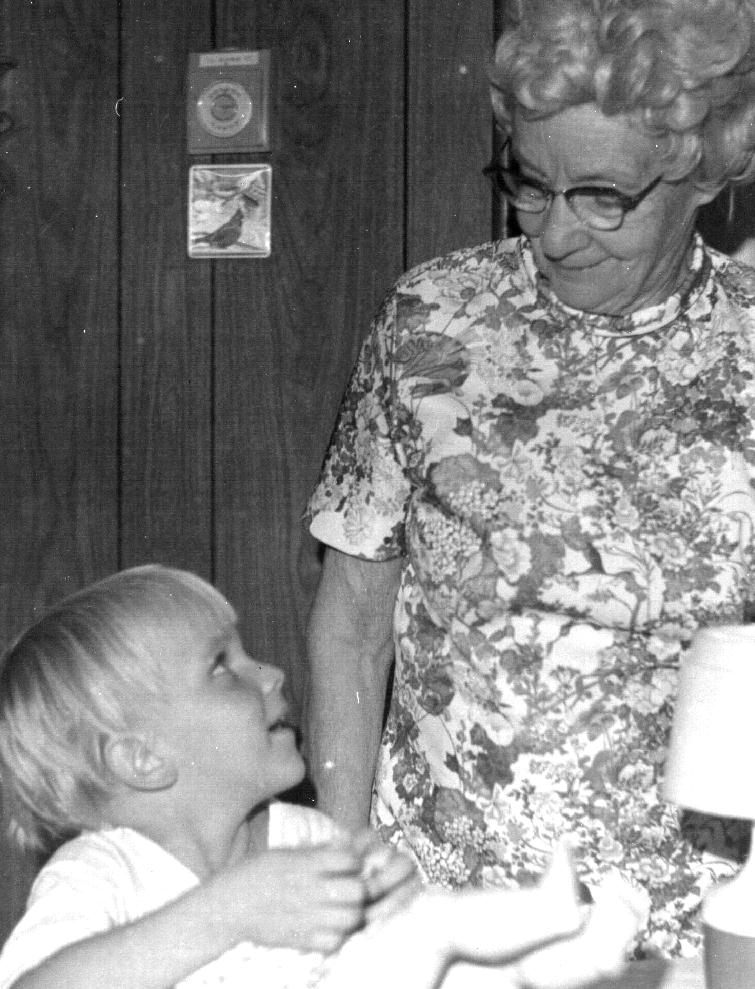
The Testimony of Community
by Alberta Kisling
(Click here or on the photo to see the slideshow)

Alberta Kisling’s Life Story can be found here:
The Story Now Begins
Pass it on
by Alberta Kisling
Several in our creative writing group are writing life histories for their families. A number of people here at the Village have already written books. Have you considered how you will pass on your family history?
There are many ways to do this and you don’t have to be a gifted writer to do it. Making a recording is a wonderful way! To be able to hear your voice after you are gone is a precious gift to give.
Have you ever interviewed family members, dear friends, or someone you admire? It helps to have questions that trigger memories and special stories: who was your best friend, what were your favorite games, describe a typical school day, how did you decide your life work what was the saddest day in your life, what was your favorite book, song, trip, pet? You can create the questions to glean the information you want.
Look through your photographs. Many of those pictures will trigger a story or a piece of history that is important. It is so easy to reproduce pictures and they are a great addition to any story. Make sure they are labeled and dated.
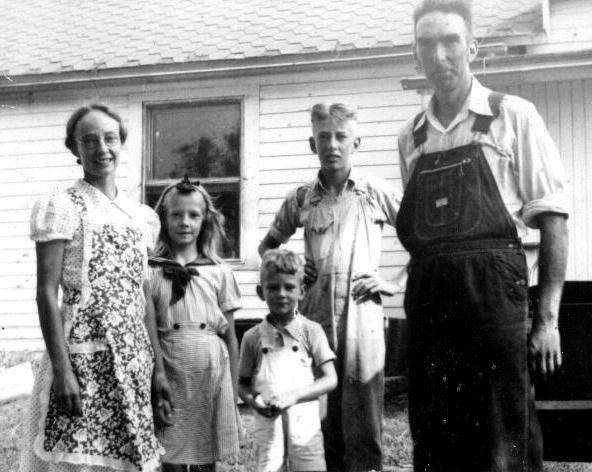
My mother placed great importance on passing on our family history. I have a tape recording of an interview with her and my father. Occasionally I have questions I wish I had asked–too late now.
We all have family stories that happened before we were born. Those should be passed along also. Here is one from my father’s childhood. The crows were a nuisance near my father’s rural farm home. He and his sister spotted a nest in a nearby tree and decided to kill the baby crows. My father climbed the tree, and looked at the baby birds and hollered down “I can’t do it”. She called “Throw them down, I’ll do it.” Down came a baby bird. “Stop” she shouted, “Don’t throw any more.”
Sometimes it may seem the younger generation isn’t interested in the family history or some family heirlooms. It is just not on their radar yet. The day will come when they will truly value you stories and they will be so grateful you passed on the gifts that were given to you.
Family Camping
by Alberta Kisling
The highlight of our summers were camping trips. As we endured the hot, dry summers and every activity resulting in sweat running down our flushed faces and our energy draining as we pulled those icky, tough weeds or pushed and shoved the mower through heavy grass, we could hardly wait to hear the water rushing and bubbling over the rocks in Big Thompson Canyon and breathing the crisp air of Rocky Mountain National Park.
We always had a contest of who could see the mountains first – a great help as we restlessly endured the hot, barren prairie of Nebraska. As we drove into Estes Park the kids began to chatter and jump up and down. “There are the go carts, there is the amphitheater, hope we can get a camp spot in Moraine Park”! Soon we can hear the groans and moans as Dad drove around and around searching for the perfect spot. “Randy, you go sit on that picnic table to hold this spot as we look for a better one.” We would eventually return to pick up several disgruntled kids and begin the process of setting up camp. The children worked quickly so they could explore our area and climb the rocks. Eventually Burt and I would stretch out in our lawn chairs gazing in awe and wonder at Longs Peak and smelling the beautiful pine trees. Ground squirrels scurried around hoping for a tossed peanut and we smiled and sighed – it was worth the long, long trip, packing, aching heads and back.
Supper was simple but typical camp food. The most wonderful smell as the bon fire began to burn brightly. Where are our sticks – finally found them and then the smell of hot dogs roasting and sizzling and the little blazes as the marshmallows catch fire. There are homemade cookies loaded with chocolate chips and brownies. The smores are sticky and sweet and of course called for more.
Soon we join our fellow campers trudging along the gravel path to the amphitheater The Ranger is friendly and tells us fascinating stories of the area. We smell popcorn as we plod happily home but we are cold!! Everyone hurries to climb into the warm sleeping bags. “Ok Mom, you were reading ‘Hans Brinker and the Silver Skates – Remember?”
We feel so close to God under the starry sky, so thankful for our safe travels, healthy family, and for Beautiful, Beautiful Colorado!!!

Some Remarkable Quaker Women
by Alberta Kisling
Deborah Standing
While I didn’t know my Great Grandmother, many stories have been passed along. To leave her home in civilized England and travel with her husband and five sons to a strange, new pioneer land surely took enormous courage! There was no electricity, no running water, mud roads—a very primitive life. Each Standing reunion we do a choral reading written by Martha Foster that describes her and her husband going to meeting with a horse and buggy with five sons dressed in white shirts and bow ties. She was blessed with a kind, considerate husband who helped around the house. For example, pumping the water from the well and carrying it into the house to heat it for doing the laundry. Her husband Charles was a gifted Quaker minister. The Standings wanted a good education for their children and supported the Bear Creek School and later, Scattergood School. Several brothers married Nicholson sisters and both families had many artists, writers, and poets.
Eva Delitha Heald Stanley
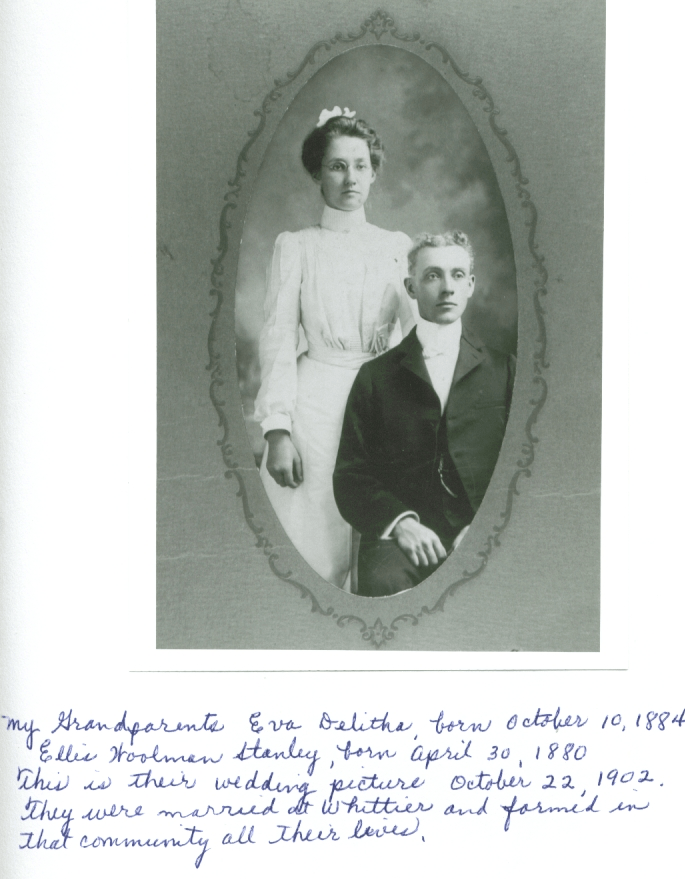
Eva contracted tuberculosis as a young bride. Ellis, her husband, took her to several doctors in Cedar Rapids and they all said there was no cure and she would die. In the little Quaker village in Whittier, Iowa, there was a homeopathic doctor. Dr. Ross came by horse and buggy several times a day and her remedies cured Grandma Eva. Grandma studied the different remedies and relied on homeopathic medicine the rest of her life. She taught her children and Grandchildren how to use the remedies, also. She and Grandpa had five daughters—Lorene, Irma, Hazel, Wilma and Clyda. She always helped milk the cows, raised lots of chickens, had a big garden, and canned a lot of food. She was known for her beautiful flowers, her good cooking, and her friendly hospitality. Grandpa didn’t believe in commercial fertilizer. He built up his soil with manure and rock phosphate. Grandpa ground the wheat they raised and Grandma baked her own bread. She also sold extra to neighbors and to the Health Store in Cedar Rapids.
She and Grandpa got up very early to chore, followed by a big breakfast. The breakfast dishes were left on the table and they retired to the parlor for Bible Reading every day.
There were few nursing homes in her day, and she took care of a number of elderly relatives in their final days.
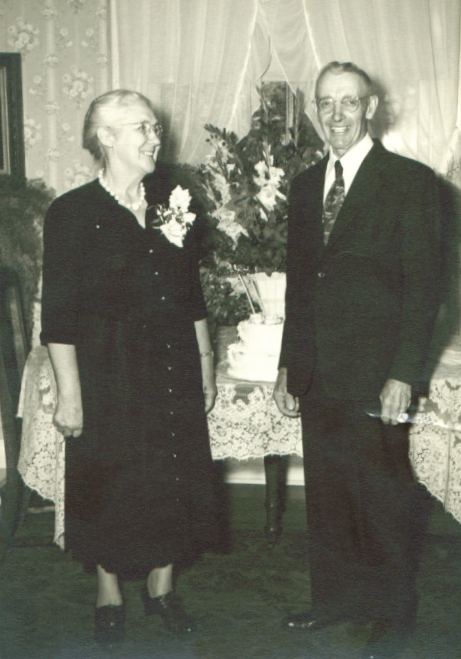
Amy Lorene Stanley Standing
The oldest daughter of Ellis and Eva Stanley, she was raised on their farm near Whittier, Iowa. As the oldest of five girls she was the outdoor girl. She loved working outside, helping chore, working in the garden—fixing things. She wasn’t fond of cooking and inside jobs. She attended Scattergood School where she met her future husband, Albert Standing, and graduated from Olney Boarding School. She attended teacher training at William Penn College and taught school at Whittier. After their marriage she and Albert farmed at Whittier and Earlham. They had a hard life during the depression with little money and three children, Wilden, Alberta, and Ellis. She was very frugal, recycled whatever could be used. She thought of herself as shy—worked very hard for people who needed help. She could be depended upon, served on many committees but was the worker not the chair who received recognition.
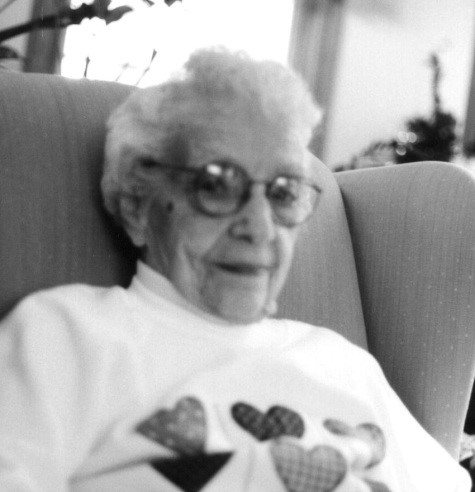
Leanore Goodenow
Leanore was Director of Scattergood School, where I was a student for four years. She was the person who had the most influence on my life. Scattergood gave regular written reports instead of letter grades. While at public school I easily received A’s; at Scattergood the reports were not so good. She always expected more. I learned to work harder, set higher goals, and make better use of my time. We were heavily scheduled and free time was spent “volunteering” at work needed at the school. To this day I feel guilty if I’m wasting time.
Leanore came to Iowa Yearly Meeting when Scattergood had been closed for years. She started it up with a small staff and student body. She was a strong director, frugal, attending to details, excellent at fund raising, and she rebuilt the School—students, staff, and Instruction, Art, Main, and Science Buildings, and Boys Dorm. Her influence on the many students who attended, the faculty, the Committee, and the Yearly Meeting are immeasurable. Burt and I both served on the Committee as did our son Jeff. Our children all attended the school. It continues to be a very important part of the Yearly Meeting.
Some Quaker Mothers of our Organizations
Patricia Newkirk
When she came to William Penn House things really starting looking nice—paint happened, bookcases appeared, things just looked spiffy. She was there with a friendly smile and howdy! Never mind that Byron was down below chopping up the old piano and laying carpet half the night. We sure miss Patricia.
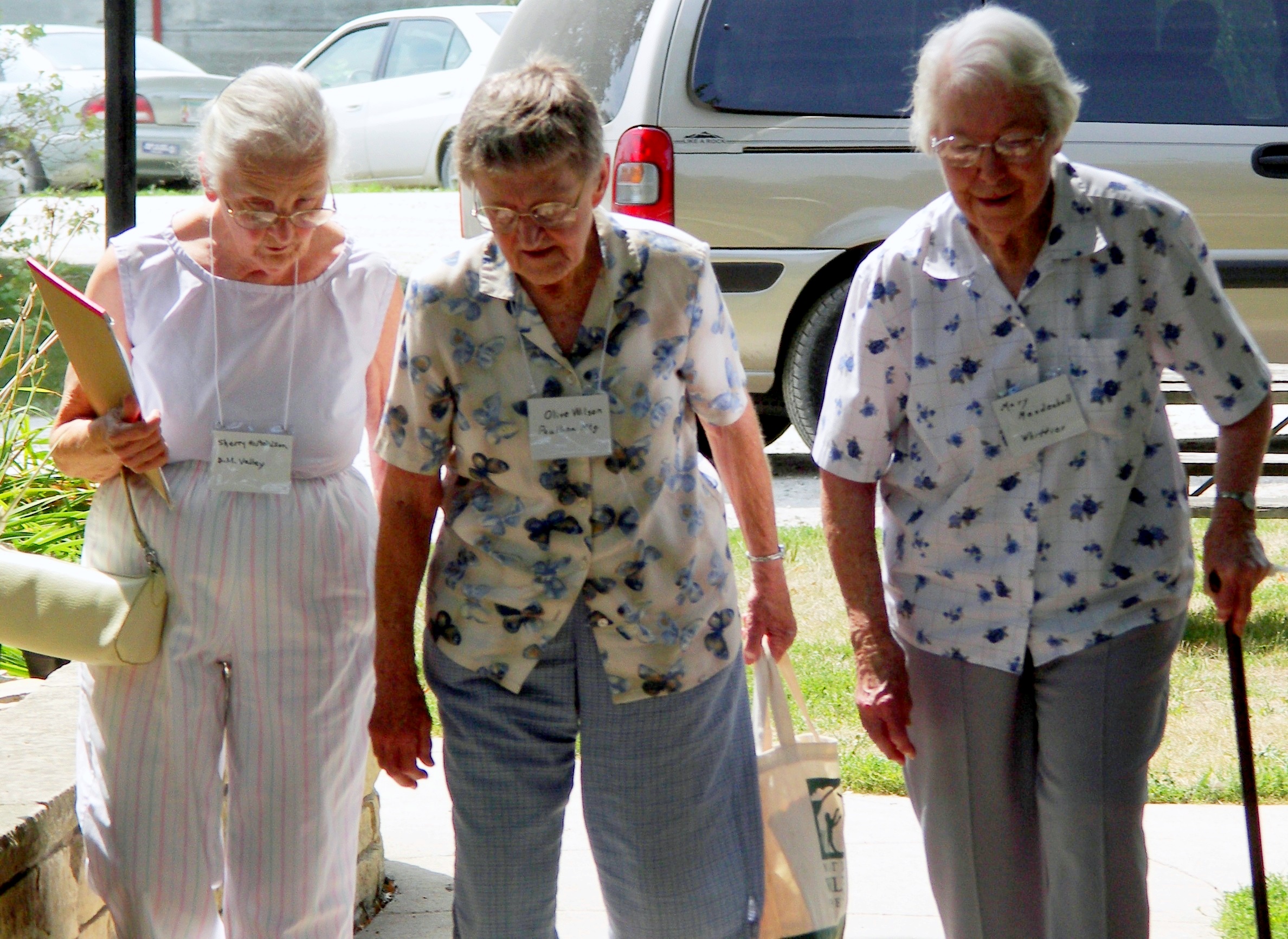
Olive Wilson
Olive was the Clerk of Everything—Mapleside Meeting, Iowa Yearly Meeting, Scattergood School, FCNL—and many other organizations I don’t know about. She edited “Iowa Peace Links”. She wrote her Congressmen endlessly, had letters to the editor printed often—worked and worked and worked some more for peace and justice. Besides that she and Warren raised three children, farmed, and worked for their meeting, community, and projects dear to the hearts. She was an amazing example.
Kathy Guthrie
When I was on Field Committee for FCNL Kathy was the staff person responsible for Field Committee. She worked for FCNL for many years in many capacities. She knew everyone, kept informed on what was happening, worked smoothly behind the scenes, could suggest people from all over the U.S. who might be able to fill a certain position. She was the one who welcomed you and made you feel a part of the group.
Dear Birdie, I can’t tell you how honored I was to be included in the absolutely wonderful group of Quaker women. To be listed in the same area as Olive Wilson—well, I don’t deserve it, but as I said, I’m extremely honored. I was inspired to add a Quaker mother to your list. I could think of several, Alison Oldham, for one, but decided to go with the first Quaker in my life–my mother’s favorite aunt (and mine as well).
With warm regards,
Kathy
Bessie Benson Gormong
My great aunt, Bessie Benson Gormong, was my introduction to what it was like to be a Quaker. She grew up in rural southern Indiana, 9th in a family of 11 children. She was the only girl to go to college, was a dairy farmer’s wife and partner in running the farm. They were both very involved in Western Yearly Meeting, Bloomingdale Quarter, and she in USFW. They were no doubt the backbones of a tiny country Quaker church, Benson Chapel. Bessie named her daughter for Susan B Anthony, took us to see Lincoln’s home in Springfield, and read and thought about and discussed current events. When I recall how racist and narrow minded my grandmother (her sister) and grandfather were, I think it’s a true miracle that she had such a world view. For a woman born in 1908, she not only was really a believer in equal rights for races, but for accepting differences in sexual orientation. I have always felt that being a Quaker means standing on the shoulders of giants. One of those sets of shoulders is my beloved aunt.
Kathy Guthrie
Bonfires
by Alberta Kisling
Often as we walk along in the fall we see a whiff of smoke and soon the nostalgic odor of burning leaves overwhelms our senses. What wonderful memories!!
We remember coming home on the school bus and entering the kitchen to the sight of our mother canning tomatoes. After a warm cup of tomato juice, butter and crackers, we hurry out to rake up leaves. Running and jumping into piles of leaves used some of our excess energy, and later lighting a fire helped ward off the chilly breeze.
Bonfires were central to our camping memories. After attending the Ranger’s program in the amphitheater, we would gather around the fire and enjoy a cup of hot chocolate and make some smores.
Various gatherings of your groups usually had a time of singing around the campfire. We loved those old camp songs, we loved the fellowship and sharing with our friends and the burning embers as the fire died down etched the blessing of time, friends, sharing in our memory.
Bear Creek Meeting has been the location of many bonfires. Often while cleaning the meetinghouse for a large occasion, we would gather around the fire—tired, dirty, planning for a special event. Other times our Standing family reunion was held there and we would gather in the evening for stories, singing, and, or course, smores.
There was no central heating in our childhood home. Different kinds of fires burned there—a quick summer fire in the cook stove was usually corn cobs, fires to heat in the cold winter months were usually wood and coal, each with a distinctive odor. On cold winter mornings we listened for the sounds of fire building and would race across cold floors to sit on the warm oven door of the cook stove.
Interesting how different odors bring forth certain memories. After hot, dry days a soft rain brings forth the sweet, moist smell of grass. Bacon frying, breakfast on the farm, coffee, chatting with friends or family around the kitchen table, chocolate cake—anticipation of dessert—maybe company coming—bread baking—so, so special the ultimate heartwarming food of the fortunate family where food sustains not only the body but the Spirit of Love which surrounds the gathering together as friends.

Eva D. Stanley
by Alberta Kisling
2/17/1944
I think everywhere there are those factions to contend with. Some want to be at the head of everything and often those are the least desirable, and the ones that might do better are shy, afraid to say what they think, so are just still and let the others ride over them and carry on. It is just that lack of true Christian principles and kindly loving care that has broken up so many meetings, and scattered the sheep. If we all could strive harder, and try faithfully to do our part, and in a kindly way say what we feel to be right, our meetings would have more life and we would be guided by our Heavenly Father to do and say what we are required to, be it ever so little. We all need to walk closer to God that he may guide us, otherwise our efforts are in vain. Maybe it is your place to talk plainly to …, in a kindly way. Maybe they do not realize just where they are and what doing.
Eva D Stanley


Albert and Lorene Standing
by Alberta Kisling
My Mother Lorene Stanley Standing was born on a farm near Whittier, Iowa. She attended Scattergood and Olney Boarding Schools. She taught school in Whittier for several years before she married. My Father, Albert Standing was born on a farm near Earlham, Iowa and was raised in the Bear Creek neighborhood. He attended Scattergood where he met my Mom. They were married in 1926 and were financially impacted by the great depression. Their neighbors lost their jobs so Mom and Dad gave them milk from their cows green beans from their garden and oatmeal. This was very typical of how they lived their lives. Many, many times they would help people who were having problems. They never received or wanted recognition. They worked hard, lived simply and cared for those who needed help.
After Dad died we took Mom on a trip to Colorado. We had never heard of altitude sickness and drove this 90+ year old lady up the mountains to Rocky Mountain National Park. The next morning she came out of the bedroom and said “I’m sick” She was a great believer in Homeopathic Medicine and always carried some with her. “What medicine do you need” I asked “I need Tylenol” “Have you ever taken Tylenol? I asked” ”No but I need it now.”
They were faithful Quakers all their lives, serving on committees, caretakers of the Whittier Community Building for years after they retired and Dad mowed the Cemetery for years. They both took care of Grandma.
There was a family in Whittier – a member of the community said it was a sad day for Whittier when they moved here. Mom did not agree, she had her name on the list to be called if any of their children got sick at school – she would go get them. She taught the girls to cook and sew. They gave the family food when the father was unemployed.
This is what young Jeff Kisling said at his Grandmother Lorene’s Memorial Service “We don’t know what happens after we die, but one aspect of life after death we do know about is the influence of someone like Lorene and Albert continues to exert on the lives of those who know and loved them. Not only do memories of them continue to comfort us, but what they said, how they lived, things they did with us and for us remain with us always.”


Mom’s birthday 2012
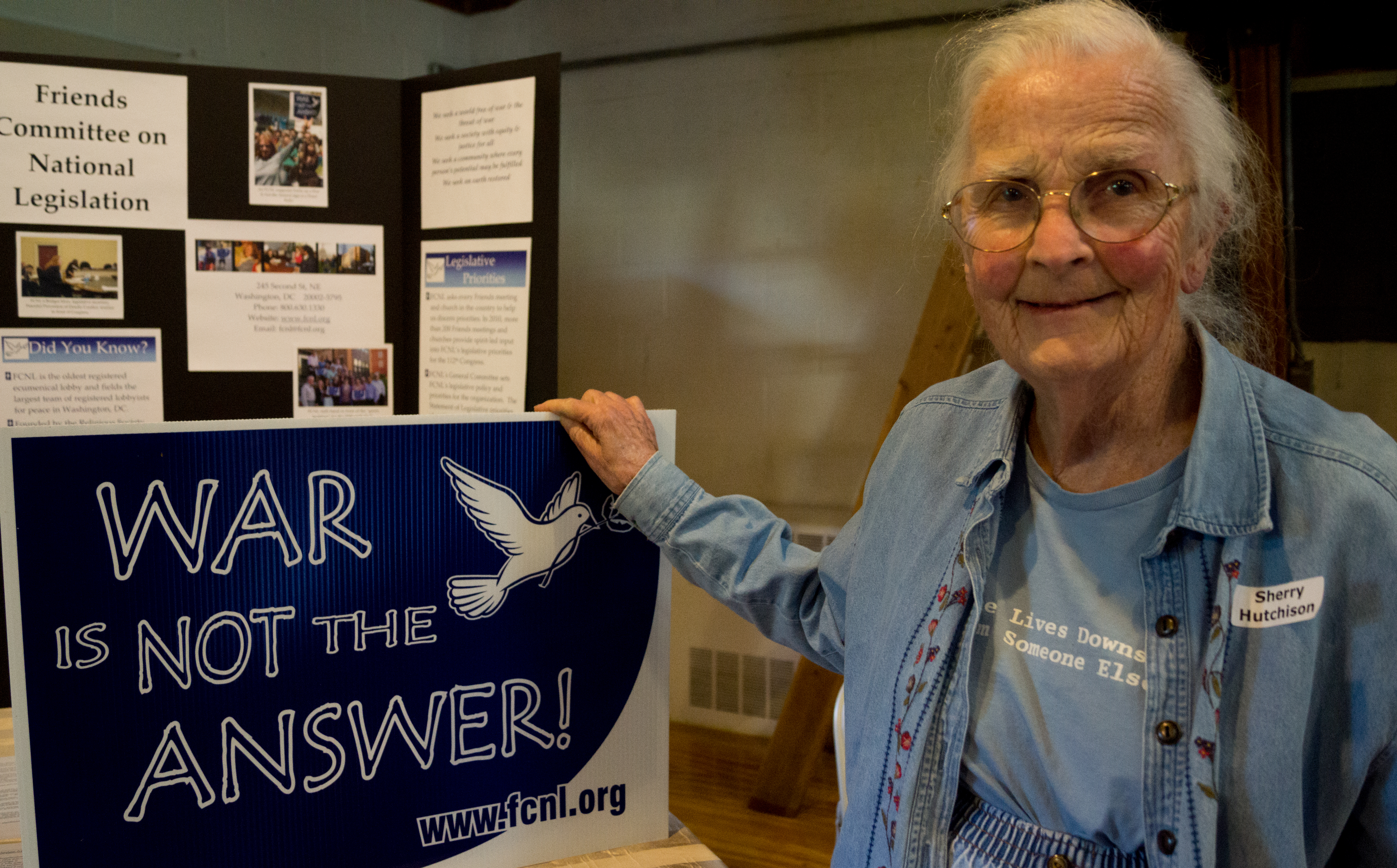
Friends Committee on National Legislation (FCNL)
Mom and Dad were deeply involved in the work of FCNL for most of their lives. Dad was instrumental in collecting money for the construction of the FCNL offices in Washington, DC. They pulled me into this work, too. I’m glad I was attending the FCNL Anual Meeting as a member of the General Committee in 2012, when they were honored by Executive Secretary, Joe Volk. (They were both extremely embarrassed by the attention).
Alberta Kisling’s Memorial
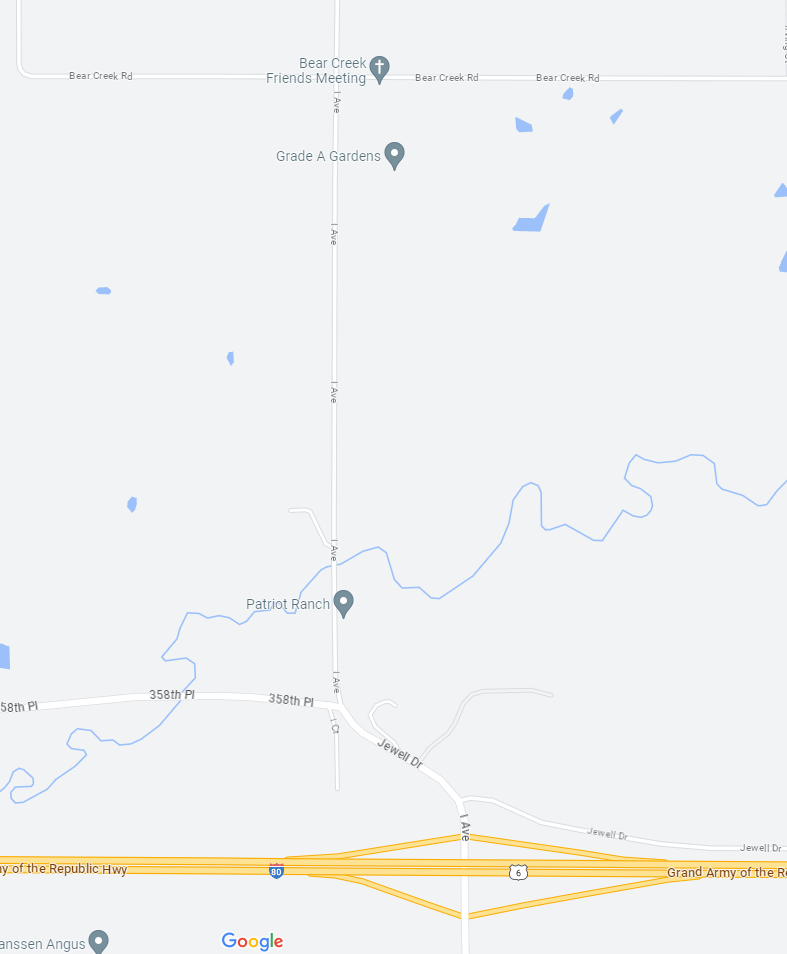
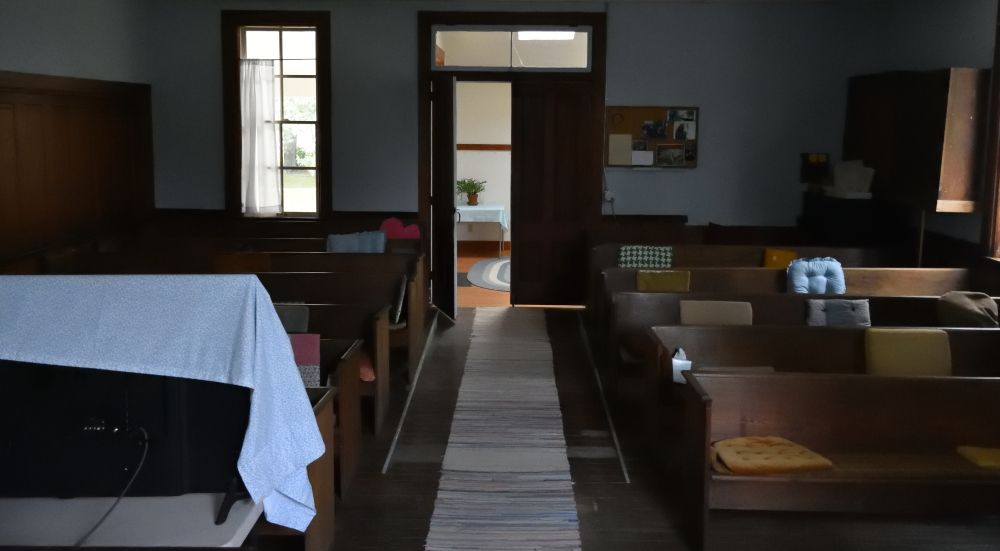
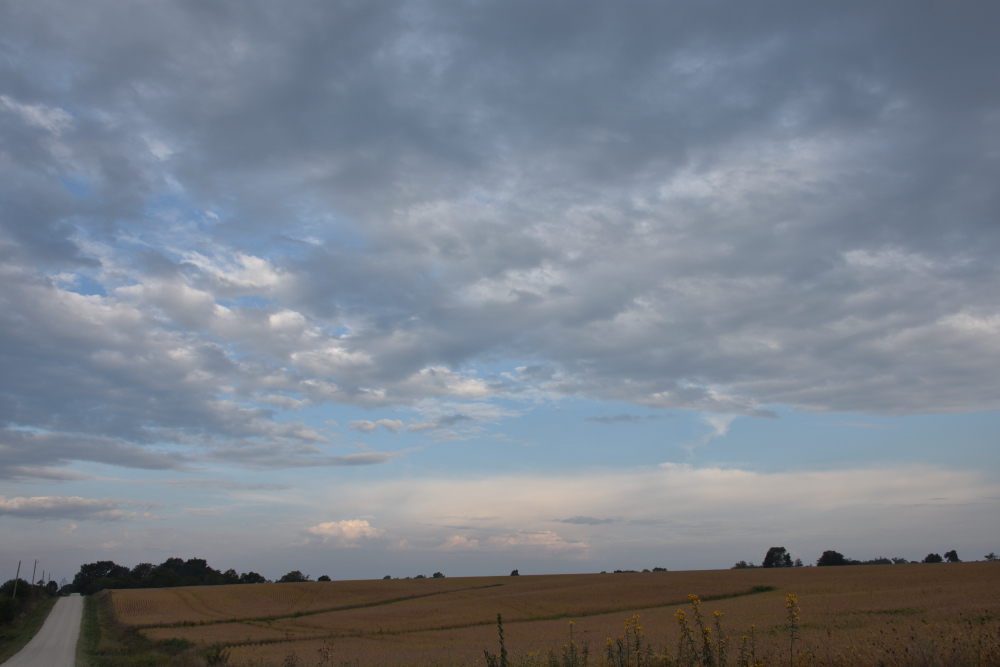
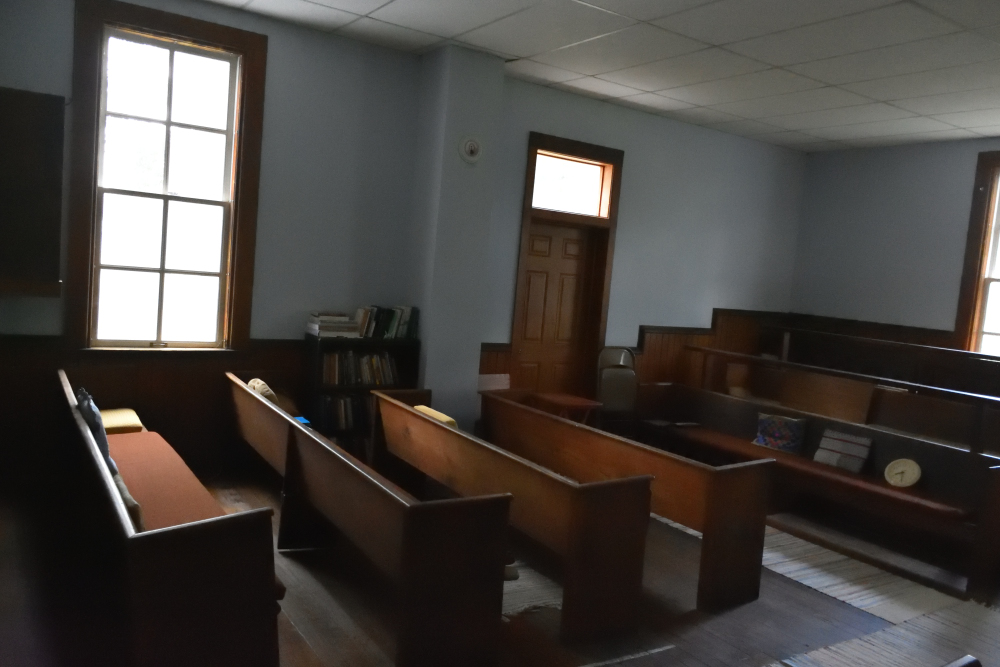
I’m sharing the news of my Mother, Alberta (Birdie) Kisling’s death. Her memorial will be at Bear Creek (Quaker) Meeting near Earlham, Iowa, on Sept 24th at 11:00 am. Since many who might want to attend might not be familiar with the Bear Creek meetinghouse, I’m including a map and photos of it.
Alberta Kisling, passed away at the Brookdale Middleton Stonefield memory facility in Madison, Wisconsin, on September 12, 2023. Her children Randy, Lisa, and Jeff were with her. Her son, Jon, was not able to arrive in time because of the sudden change in her condition.
She was born in Whittier, Iowa, on May 7, 1931, to Albert and Lorene Standing. Mom’s brother Wilden is no longer living. Her brother, Ellis, lives and farms in the Bear Creek, Iowa, community.
Her husband and life partner, Burton Kisling, died in 2018.
We were continually amazed at how many things they were involved with, including various roles in Quaker communities and organizations both locally and nationally. And the depth of their involvement together as true partners.
Their journey began with farming in Iowa and continued as Dad steadily moved up through the Farm Service organization, eventually being the manager for the entire state of Iowa. Most of those promotions meant moving from place to place. They always became actively involved in each new community. Building deep friendships in each of them. Dad would usually be involved in things like the Chamber of Commerce, and Mom would be involved in social activities, sometimes acting in plays.
We were so blessed when every summer they would take us camping in various national parks, though everyone’s favorite was Rocky Mountain National Park, Colorado.
Mom, her parents, and her children all attended Scattergood Friends School, a Quaker boarding high school. She served on the Scattergood School Committee for over twenty years.
They were both very involved in the Friends Committee on National Legislation (FCNL). As a result of lobbying for peace and justice legislation, they were on a first-name basis with Iowa’s US Congressional delegation.
She spent years as a very successful real estate agent, winning the Million-dollar award for home sales multiple times.
She was an exceptional hostess, and she and Dad delighted in organizing zany games and dressing up. At an FCNL Annual Meeting, Joe Volk said he heard a rumor that they were going on tour as Phyllis Diller and Fang.
Mom was a painter, a prolific writer, and a collector of stories about her family, and all the things she and Dad did throughout their lives. Sad though it is, we are comforted by memories of her and Dad as wonderful parents. As we sort through old photos and letters, we are delighted to discover many things we hadn’t known.
It is a priceless gift that Mom wrote much of her life story, which can be found here: The Story Now Begins
Memorial plans
You are invited to attend in person the Bear Creek Meeting just north of Earlham, Iowa.
Sunday 24th, 10:00 am sharing about Mom followed by a memorial service at 11:00.
Map to Bear Creek
Earlham, Iowa, interchange on Interstate 80.
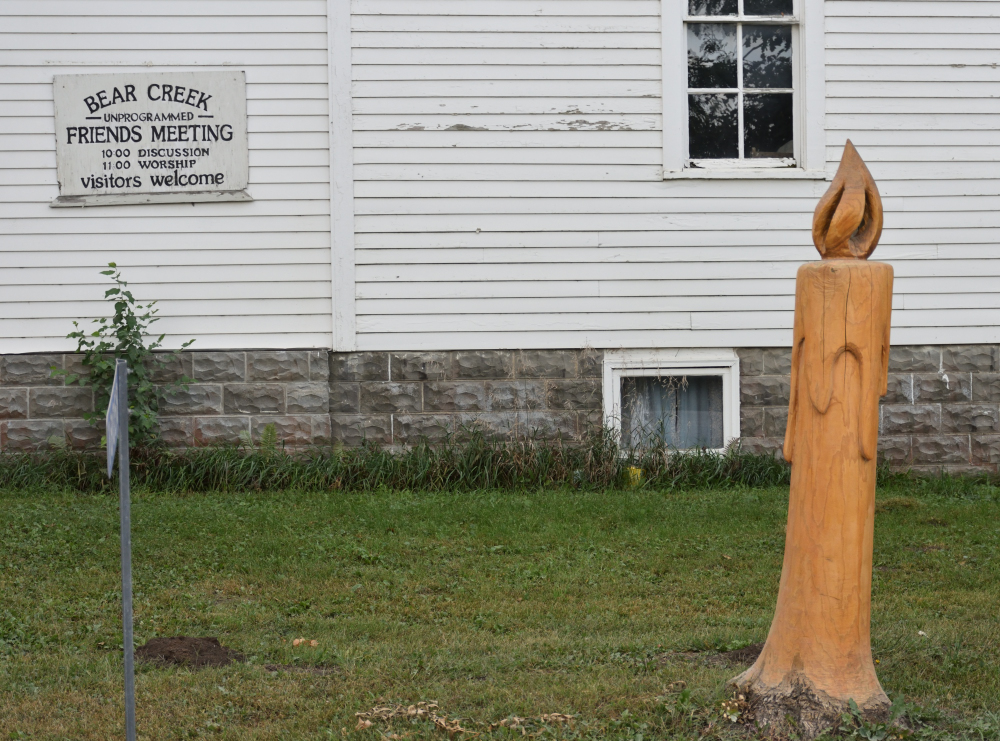
I was at the Bear Creek meetinghouse recently for the first time in a long time. At first because of COVID precautions, but then Mom wasn’t up to traveling for an hour to get there from Indianola.
Among the changes was the candle sculpture made of the stump of a tree that was removed. You might notice the sheet at the front of the meetinghouse, covering the television we use for Zoom meetings. The photo of the barns is at the Grade A Gardens just south of the meetinghouse.
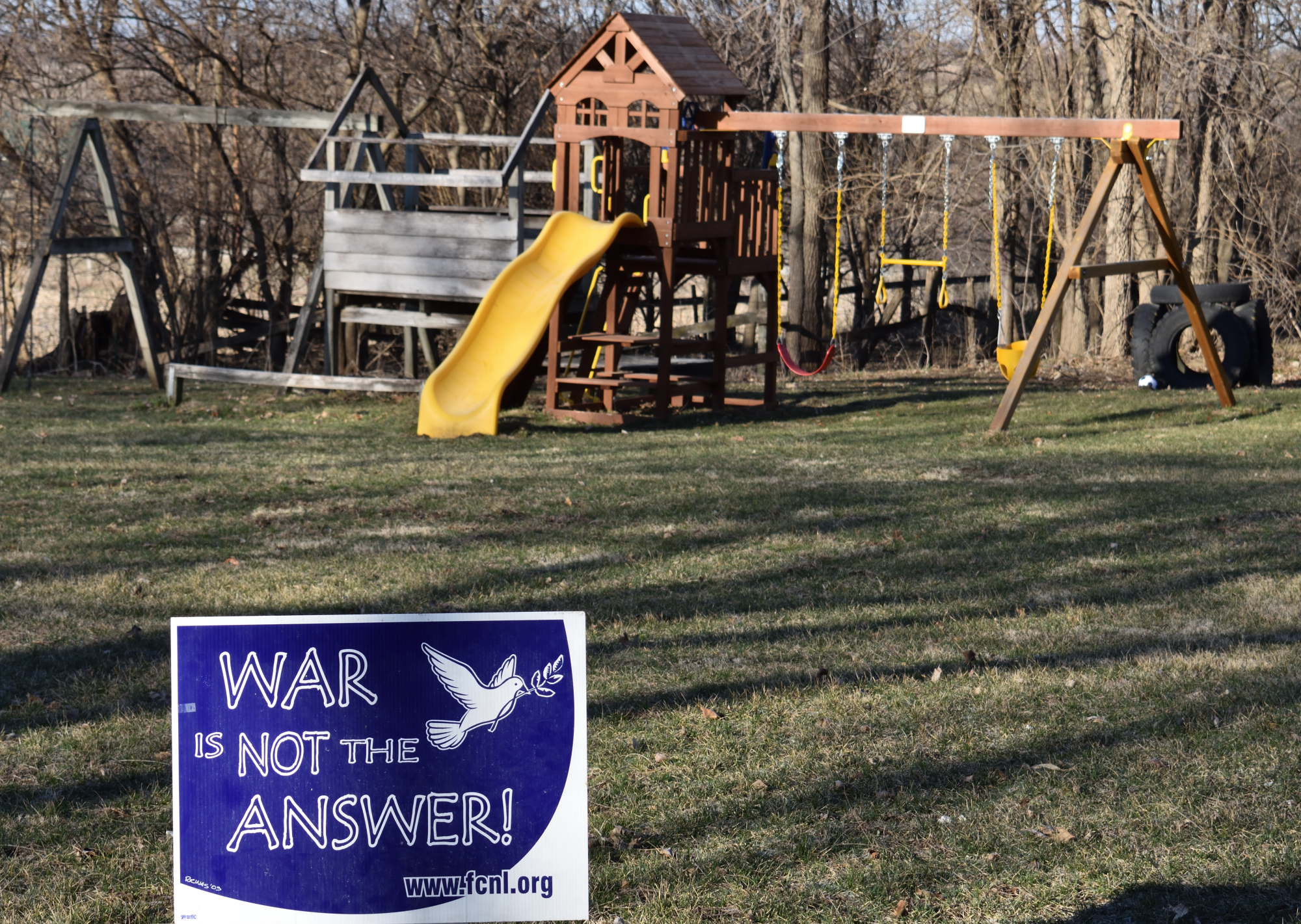
The playground equipment was donated to the meeting in memory of my Dad in 2018.






Discerning Peace and Social Concerns
This morning my Quaker Meeting (Bear Creek) will be considering how we work for peace and nonviolence. Each month we consider queries from our (Iowa Yearly Meeting Conservative)’s Fath and Practice. This month’s queries relate to peace and nonviolence.
12. PEACE AND NONVIOLENCE
“[We] seek to live in the virtue of that life and power that takes away the occasion of all wars.” George Fox
ADVICE
We seek peace within our own lives. Sometimes there are barriers to peace within families and meetings, and among individuals. Anger and frustration may result in hurtfulness which leaves physical, sexual or emotional wounds. Healing and forgiveness are possible when our hearts are opened to the transforming love that comes from the Spirit Within. The violence we oppose is not only war, but all unloving acts.
Friends seek peaceful resolution to conflicts among nations and peoples. Wars can easily erupt when nations depend upon armed forces as an option for defense and order. To oppose war is not enough if we fail to deal with the injustices and inequalities that often lead to violence. We need to address the causes of war, such as aggression, revenge, overpopulation, greed, and religious and ethnic differences.
QUERY
- What are we doing to educate ourselves and others about the causes of conflict in our own lives, our families and our meetings? Do we provide refuge and assistance, including advocacy, for spouses, children, or elderly persons who are victims of violence or neglect?
- Do we recognize that we can be perpetrators as well as victims of violence? How do we deal with this? How can we support one another so that healing may take place?
- What are we doing to understand the causes of war and violence and to work toward peaceful settlement of differences locally, nationally, and internationally? How do we support institutions and organizations that promote peace?
- Do we faithfully maintain our testimony against preparation for and participation in war?
Faith and Practice. Iowa Yearly Meeting (Conservative)
I have been meaning to read the pamphlet Advice and Queries: Discerning Peace and Social Concerns by Tasmin Rajorte and Matthew Legge, Canadian Friends Service Committee (CFSC), Canadian Quaker Learning Series.
In preparation for our (Bear Creek) worship sharing related to peace and nonviolence this morning, I thought this would be a good time to read that pamphlet. I was impressed with what I read. I try to avoid including too much material from other sources when I write, but the following are very helpful queries from the document.
Discerning Peace and Social Concerns
Several Quaker Meetings have come to us to express challenges in their work on peace and social concerns. They’ve said, in effect: “We’re exhausted. We see so many problems in the world and we try to take action on too many of them. In the end, we’re left feeling frazzled and spread too thin. How does Canadian Friends Service Committee navigate this challenge? How can we decide what causes to take up?”
In response to these questions and requests for help, CFSC has written a new pamphlet. Aimed at Quaker Meetings, the pamphlet explores what discernment is, what a leading is, and how to use Quaker decision-making processes to select what peace and social justice work to take on.

Queries to Test that the Concern or Leading is Grounded in Spirit
“…Appreciate that doubt and questioning can also lead to spiritual growth and to a greater awareness of the Light that is in us all.”
Advices & Queries
Having considered what concerns, leadings, and discernment mean and how Quakers engage in discernment processes, you can now turn to queries that you and the Meeting may find helpful in discerning if a leading or concern is grounded in the Spirit.
Personal reflection
Are you experiencing a concern or a leading? Is it genuinely from God?
The following queries may assist with providing clarity on this:
- Is it an immediate reaction to something or is it coming from a deeper place? Can you distinguish the concern or leading that has arisen from the range of concerns that you are generally preoccupied with or want to act on?
- Is the compulsion to do something stemming from your ego’s need for acceptance, belonging, or control? Are you experiencing a compulsion to rescue others, to save the world, or to act on your own? Are there expectations, hopes, assumptions, impulses, and underlying family patterns” shaping your sense of the concern or leading? 27 Is this genuinely motivated by love and compassion? Is it coming from the heart in unity with the mind?
- What experiences led to this concern or leading?
- Is this a desire that someone else do something or is it a call to act yourself?
- Is it associated with an unnerving persistent “turmoil and disquiet that won’t go away?
- Can you explain the faith basis of the concern or leading and how it is in keeping with Friends’ testimonies?”
- Is now the time and, if so, will you remain in this for the long
- Are you willing to accept difficulty and censure.
- How is this concern or leading currently being addressed?
- Would acting on this result in any harm to you and/or the community?
- Once it is clear what you must do, is there a feeling of centredness and peace that is unlike the preceding turmoil?
Role of the Monthly Meeting
“A concern that is brought before a meeting should be considered with the greatest love, kindness and discipline. Much as we like to support our Friends in the things for which they have an unbounded enthusiasm, it is no kindness to recognize as a concern something which has not received the fullest attention possible.”—Britain Yearly Meeting
A broad array of leadings and concerns come to Meetings. These may be referred to a Peace and Social Action Committee (PSAC) or discernment may be done by the Meeting as a whole. If the Meeting has a PSAC, is its role to assist with discernment and:
a) make recommendations to the Meeting and help Friends prioritize and unite on engaging in action together as a Meeting; or
b) provide coordination, guidance, and support for Friends in carrying out, as individuals, leadings and concerns that have been tested?
Whether discernment is done by the Meeting as a whole, or a PSAC, queries to assist with this stage of the discernment process can be found below. In some cases, a Meeting for Clearness can also be useful. Note, too, that a Meeting may choose to act on a concern arising from a partnership (for instance with other faith communities) in addressing a matter of common interest even in the absence of a leading from any individual in the Meeting. The following queries may assist a gathered Meeting or PSAC at this stage of the discernment process:
- Is the concern or leading and proposed action self-serving?
- “Knowledge about something generally does not give rise to a true leading or concern. It is when a Friend is intimately acquainted with a situation that the Spirit’s call to action arises.
- Does the leading come out of direct experience?
- Does the Friend have an established relationship with those who are the focus of the concern (for example, do they work with incarcerated persons if the concern is about incarceration)?
- Can the individual be patient for better clarity and others’ guidance, and wait for way to open?
- What is the faith basis of the concern or leading? Can it be explained?
- What is distinctively Quaker about the concern or leading, and about the way we might be called to act? Is it in keeping with the testimonies of the Society? Why should Friends be doing this work?
- Is this individual or group right to believe that this concern or leading has been ‘laid upon’ them by God?
- Is the individual jumping on a bandwagon or bringing something unique?
Yes, the Concern or Leading is Grounded in Spirit—Now What?
“The way people are going to work together has to reflect and foster sustainability of the outcomes.”
Lucy Lemieux
Once it has been determined that the concern or leading is truly from divine guidance, further discernment is needed around what action to take. Is there a request to the Meeting or PSAC to act on this concern or leading? Are others drawn to the concern, making it necessary to discern whether a larger body of Friends will take this up and what the key focus will be?
from Advice and Queries: Discerning Peace and Social Concerns by Tasmin Rajorte and Matthew Legge, Canadian Friends Service Committee, Canadian Quaker Learning Series






Spiritual Activism
Justice work has changed significantly for me.
- I grew up in Quaker communities, which defined my justice work for much of my life.
- Then a decade ago, I was led to work in communities outside Quaker meetings.
- (NOTE: “To be led” is a way of expressing Spiritual leadings).
- These experiences have taught me quite different approaches to justice work.
- These new perspectives also show me many of us Quakers, particularly White Quakers, need to change how we think about and do justice work.
Spirituality and social justice are often viewed as separate entities, but they can be deeply intertwined. Spirituality refers to a person’s relationship with the divine or higher power, while social justice is concerned with ensuring that all individuals have equal access to basic human rights and opportunities. Individuals tend to fall along the spectrum between emphasis on spirituality versus emphasis on social justice. There are some who do not believe they need to engage in social justice work.
Spiritual activism is a practice that brings together the otherworldly and inward-focused work of spirituality and the outwardly focused work of activism (which focuses on the conditions of the material or physical world). It is most often described as being separate from organized religion or dogma, but rather as activism that is generally egalitarian, particularly in service for people who are oppressed or marginalized, as well as for the Earth and all living things1.
Spiritual Activism, Wikipedia
Some of these blog posts take days to write. Sometimes when things feel unfinished, a missing piece will appear. From the Spirit, or something someone else wrote or did. I came across the following this morning.
On October 5, Diné Ceremonial Leader Woman Stands Shining (Pat McCabe) joined the global Pachamama Alliance community for a conversation on spirit in action. Pat McCabe is a mother, activist, writer, artist, international speaker, ceremonial leader, voice for global peace and healing, and long-time advisor to Pachamama Alliance.
During the call, Pat offered many insights around what it means to take action while being guided by spirit, drawing from both her Diné background and the Lakota spiritual tradition. She shared key learnings from her own personal journey around this inquiry, while illuminating important nuances around the concepts of agency and intellect.
The Importance of Surrendering to Spirit
As Pat was reflecting on how to take action while being guided by spirit, she explained that the first step is to surrender to the unknown.
What Pat meant by this was to let go of the need to know everything and the need to have the answer—or even the idea that one can know everything. She explained that when one is at the limits of what one knows, that’s when spirit reaches into the mind and body to present something new.
One of the ways this is experienced in some of the spiritual communities Pat is a part of is through fasting. During these fasts, participants must go 4 days without food or water as they engage in ceremony.* Pat described how it doesn’t feel humanly possible to complete this fast, unless one embraces the unknown and the possibility of failure. This is what allows one to keep going even if the way forward is unclear. And as Pat put it, it is at this point that spirit comes to meet you and carry you the rest of the way.
What these ceremonies have taught Pat is to surrender her will to spirit so that the door to mystery opens, and a different kind of logic and perspective reveals itself.
Spirit in Action, Part One: A Conversation with Woman Stands Shining by THE PACHAMAMA ALLIANCE, FEBRUARY 10, 2023
*Pachamama Alliance is not promoting fasting or other similar activities, especially without the guidance of experts. Please consider consulting with your physician or other medical professionals if activities like this are of interest to you.
it is at this point that spirit comes to meet you and carry you the rest of the way.
Diné Ceremonial Leader Woman Stands Shining (Pat McCabe)
One example of my spiritual activism was when I became involved in the Kheprw Institute, a Black youth mentoring community in Indianapolis. That coincided with becoming involved with the Quaker Social Change Ministry (QSCM) model for justice work.
Quaker Social Change Ministry (QSCM)
At that time, I learned about a new American Friends Service Committee (AFSC) program. My friend Lucy Duncan oversaw the program. The Quaker meeting I was attending in Indianapolis, North Meadow Circle of Friends, participated.
AFSC provided training for those involved in QSCM, which is where I learned a lot about community organizing. (SEE: https://jeffkisling.com/?s=quaker+social+change+ministry
Training such as this can be an important part of learning to work for justice. As another example, in 2013, I was trained as an Action Lead in the Keystone Pledge of Resistance, which was about teaching local people how to participate in civil disobedience. Experienced activists from the Rainforest Action Network (RAN) traveled to twenty-five cities, providing a weekend of training in each city.
Working in diverse communities has given me new perspectives about Quakers and justice work and has led to questions.
- What role does spirituality play for people and groups not involved in organized religion?
- How are Quakers involved in justice work today?
- How are justice concerns identified?
- What are the primary justice concerns of Quakers, individually and of Quaker meetings?
- Are Quaker meetings doing justice work as a meeting?
- How do Friends work to address those justice concerns?
- What are the different ways to work for justice?
- How do Quakers balance spiritual life and doing justice work?
- How do we support each other, and the meeting’s justice work?
- How do we hold each other accountable?
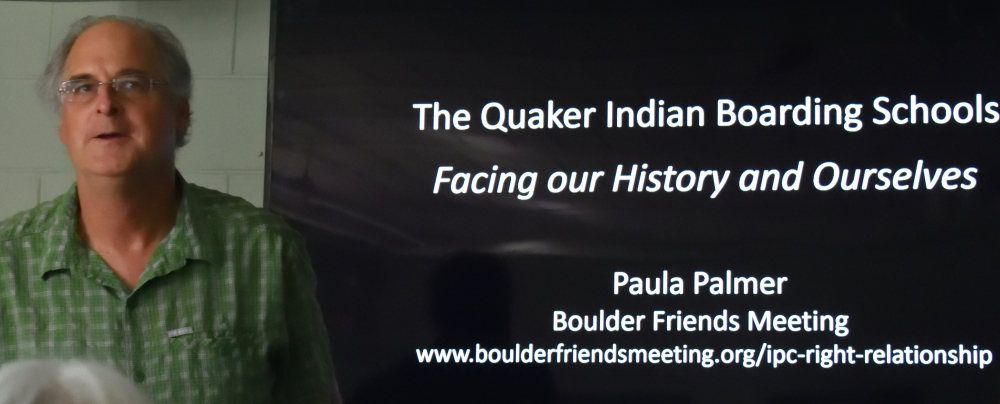
- How do Quaker individuals and meetings deal with historic injustices Quakers were involved in?
- How do Quakers engage with those who have been subjected to historic injustices Quakers were part of?
- How do we identify and work to heal from trauma?
Quakers
I grew up in the Bear Creek Quaker community near Earlham, Iowa. Raised on farms, we then began to move often as Dad moved through the Farm Bureau/Farm Service system. Most of these places didn’t have Quaker meetings. I attended Scattergood Friends (boarding) high school and then Earlham College, a Quaker college.
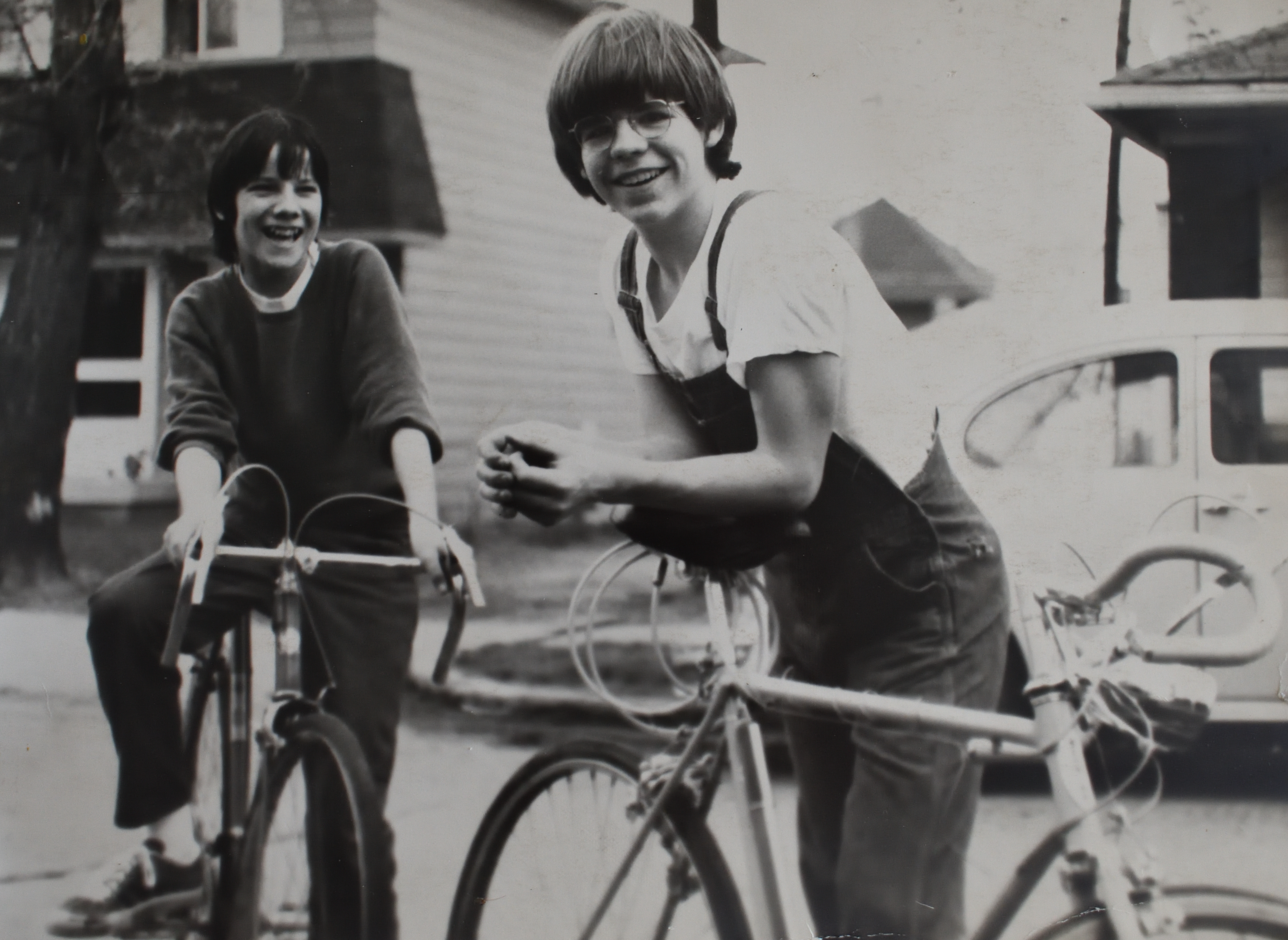
After one year at Earlham, I moved to Indianapolis to join the Friends Volunteer Service Mission (VSM). This was in the early 1970’s, at the time of the Vietnam War. VSM was a project to provide meaningful work for young men doing alternative service for the Selective Service System. Although being a draft resister meant I refused to do alternative service “officially”, as far as the Selective Service System was concerned, I was led to join VSM to learn about doing justice work in communities. VSM had a model of doing one year of work in a job that would qualify as alternative service, saving enough money to support yourself to work in the community for the second year. Living in the community, I had time to see what community needs I might work on during that second year. During the first year I received on-the-job training at Methodist Hospital as a respiratory therapy technician. I spent my time outside my work in the hospital with kids in the neighborhood. There were no youth programs in that part of inner-city Indianapolis. I spent my second year continuing to work with the kids. Playing sports, taking bicycle trips, teaching how to work in a photo darkroom, etc.
So, at an early age (20), I began to learn about community organizing and spirit-led justice work. I was led to this work while praying and working to discern how I would respond to the requirement to register for the Selective Service System and whether to accept doing alternative service. These are related to the broader issues of peace and living in a violent and militaristic country. Learning what the Quaker way would be for me.
Although I returned to Iowa after completing the two years at VSM, I missed the kids so much that I returned to Indianapolis. I continued to do things with youth as I did at VSM while I continued my education. I enjoyed working as a respiratory therapy technician during my first year at VSM. When I returned to Indianapolis, I found a job at the Indiana University Medical Center as a respiratory therapy technician. I obtained a degree in Respiratory Care from Indiana University and became a Registered Respiratory Therapist (RRT).
So, this leading to join VSM led to my career path in medicine, and my path of justice work.
Community building
I have been blessed to be led to new communities of people over the past decade or so. These experiences taught me more about justice work. And have taught me some different answers to questions such as these:
- Who is the community?
- How to identify what issues to work on?
- How to address the issue(s)?
- How to measure progress?
- Accountability?
- How to heal?
In the community
The following are some of the communities I have been/am now involved with.
- The youth mentoring community, the Kheprw Institute, in Indianapolis.
- The environmental/pipeline resistance communities in Indianapolis and Iowa.
- Being trained as an Action Lead in the Keystone Pledge of Resistance in 2013, I received invaluable training in activism. That was also my first experience in being part of an Internet community, learning ways to support each other remotely. This included monthly phone calls with everyone involved.
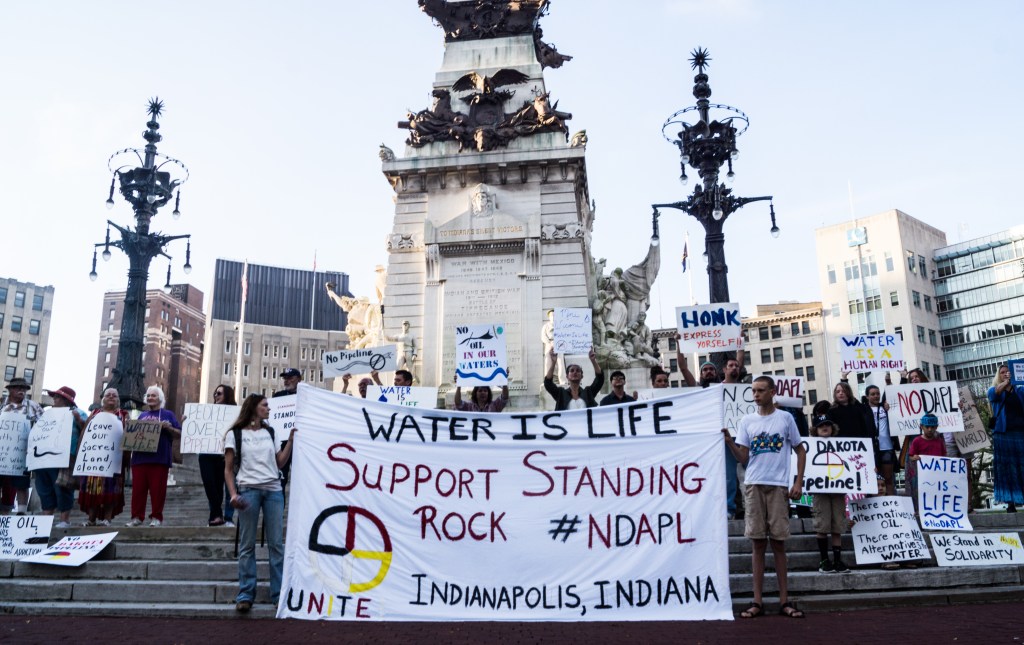
- In 2016 there was national/international support of those at Standing Rock opposing the Dakota Access pipeline.
- Locally, in Indianapolis, we were able to use our training and experience from the Keystone Pledge of Resistance to organize and train people to oppose the DAPL.
- This included my first experiences of being with Indigenous peoples at public rallies.
- In 2017 I retired and returned to Iowa and began to look for environmental activists to work with here. The Internet was helpful in finding groups and events. I had heard of Ed Fallon’s work related to climate justice. We communicated via email, then in February 2017, I met Ed when he organized a group of us to go to Minneapolis the weekend the Super Bowl was played there, to hold a rally at the US Bank headquarters, because of their support of DAPL.
- Sept 1-8, 2018, I participated in the First Nation-Farmer Climate Unity March organized by Bold Iowa (Ed Fallon and others) and Indigenous Iowa (Sikowis Nobiss and others). A group of about thirty native and nonnative people walked and camped along the path of the Dakota Access pipeline, from Des Moines to Fort Dodge). https://firstnationfarmer.com/
- The intention of the First Nation-Farmer march was to create the time and space for us to get to know each other, to begin to develop some trust so we could work together. That worked exceedingly well, and various combinations of us have done many things since.
- Last year the Buffalo Rebellion was formed as a coalition of many of the climate/social justice groups and people in the Midwest.
- For the past three years most of my justice work has been with Des Moines Mutual Aid, where I’ve made a number of close friends.
Choosing the work
There are so many injustices, so many people suffering. How do you decide what to do?
As a spiritual person, as a Quaker, seeking spiritual guidance is fundamental to discerning what I am led to do. One reason I’m writing this post is that I’ve been wondering what role spirituality plays in the lives of many of my friends who are deeply involved in justice work. One’s spirituality can be expressed by one’s work in the world, and these friends work tirelessly for justice. But I don’t know what they think or believe regarding spirituality.
One important aspect of Mutual Aid is that most Mutual Aid communities focus on providing for people’s basic necessities, such as food and shelter. For example, my Mutual Aid community provides free food every week for those who come to us. Others in my Mutual Aid community care for houseless people in Des Moines. The gratification of helping those in need helps attract others to participate.
There are many historical examples of tragedies that occurred when well-intentioned people attempted to provide help to those in need. Unfortunately, too often, support came/comes from dominant groups who view solutions as controlling those deemed to need help. Another way of assimilating other peoples into their own (dominant) worldview. I use assimilate intentionally because one example is of white settler-colonists forcibly removing Indigenous children from their families and taking them to residential schools to learn how to live in white society. These schools were awful institutions where abuse and deaths of children occurred. And the trauma to their families and communities is still passed from generation to generation.

I’ve been exploring how Artificial Intelligence can help as a research assistant. Following is the response when I asked for a table summarizing the advantages and disadvantages of spirit-led social justice work. But I must say I am very concerned about the impact AI is having and will have in replacing human jobs.





Injustices of Capitalism
I am a hierarchy resister
I spend so much time praying and writing about Mutual Aid because I believe Mutual Aid is the correct path for our peace and justice work. And because I get to spend time with my Des Moines Mutual Aid friends every week, where we catch up with each other and our work while we fill boxes of donated food to distribute.
Mutual Aid is the framework that models the Beloved communities we strive to create. And gets to the roots of injustice.
Those living in capitalist societies usually need some education to understand why Mutual Aid should be the framework for our justice work. Simply put, capitalism is a system that enforces injustice and oppression. It does this by violently enforcing strict hierarchies.
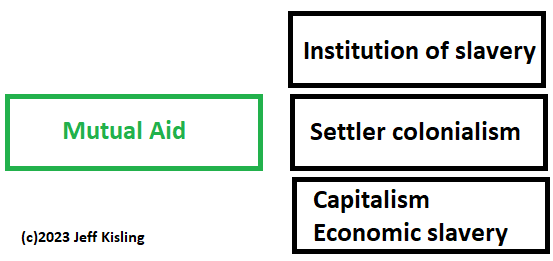
The greatest resistance I’ve found to embracing mutual aid is the difficulty people have in seeing the injustices of capitalism. So, I distilled this in the following diagram.
My experiences with mutual aid include:
- My introduction to Mutual Aid was a Spiritual leading.
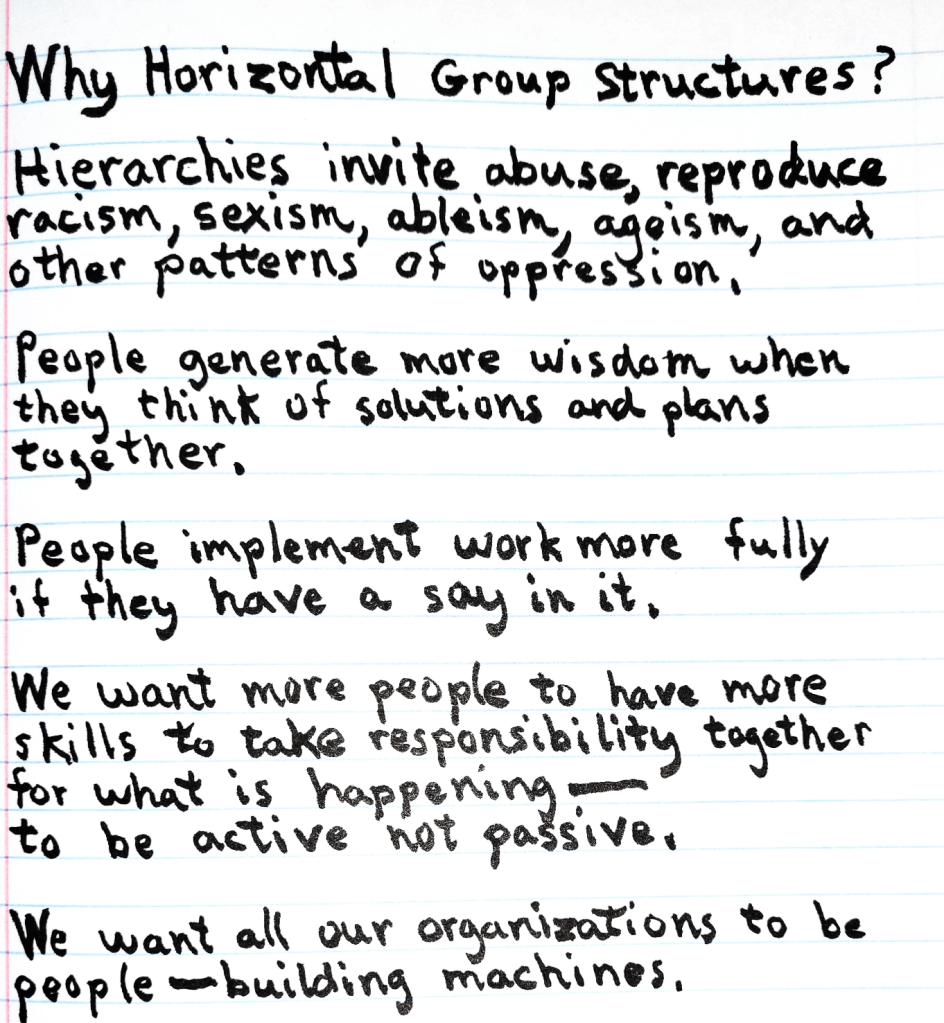
- Maintaining a flat or horizontal hierarchy is what makes Mutual Aid work.
- MUTUAL is the key.
- Removing artificial hierarchies eliminates grouping people by race, class, gender, education, etc.
- Mutual Aid resists authoritarianism and colonization.
- There cannot be white supremacy, for example, if there is no hierarchy.
- Mutual Aid is NOT charity.
- A fundamental principle of justice work is to follow the lead of the oppressed community. In Central Iowa, a coalition named the Buffalo Rebellion is providing such leadership. The Buffalo Rebellion is a coalition consisting of
- Des Moines Black Liberation
- Great Plain Action Society
- Iowa Citizens for Community Improvement
- Iowa Migrant Movement for Justice
- Sierra Club Beyond Coal
- Service Employees International Union (SEIU) Local 199, and
- Cedar Rapids Sunrise Movement
- I believe Mutual Aid is the Quaker way of being in the world.
Our Quaker Queries recognize the injustices of our capitalist economic system.
‘We are part of an economic system characterized by inequality and exploitation. Such a society is defended and perpetuated by entrenched power. “
The advice also says “we envision a system of social and economic justice that ensures the right of every individual to be loved and cared for…”
Faith and Practice, Iowa Yearly Meeting (Conservative)
| Queries related to Mutual Aid |
|---|
| Do we recognize that hierarchies are about power, supremacy and privilege? What are Quaker hierarchies? |
| Do we work to prevent hierarchies in our peace and justice work? |
| What are we doing to meet the survival needs of our wider community? |
| How are we preparing for disaster relief, both for our community, and for the influx of climate refugees? |
| Are we examples of a Beloved community? How can we invite our friends and neighbors to join our community? |

Mutual aid is essential to building social movements. People often come to social movement groups because they need something: eviction defense, childcare, social connection, health care, or help in a fight with the government about something like welfare benefits, disability services, immigration status, or custody of their children. Being able to get help in a crisis is often a condition for being politically active, because it’s very difficult to organize when you are also struggling to survive. Getting support through a mutual aid project that has a political analysis of the conditions that produced your crisis also helps to break stigma, shame, and isolation. Under capitalism, social problems resulting from exploitation and the maldistribution of resources are understood as individual moral failings, not systemic problems. Getting support at a place that sees the systems, not the people suffering in them, as the problem can help people move from shame to anger and defiance. Mutual aid exposes the failures of the current system and shows an alternative. This work is based in a belief that those on the front lines of a crisis have the best wisdom to solve the problems, and that collective action is the way forward.
Dean Spade. Mutual Aid: Building Solidarity During This Crisis (and the Next) (Kindle Locations 163-171). Verso.
Today, around the world, people resort to alternative forms of autonomous organization to give their existence a meaning again, to reflect human creativity’s desire to express itself as freedom. These collectives, communes, cooperatives and grassroots movements can be characterized as people’s self-defense mechanisms against the encroachment of capitalism, patriarchy and the nation-state.
Kurdish scholar-activist Dilar Dirk
mutual aid is the new economy. mutual aid is community. it is making sure your elderly neighbor down the street has a ride to their doctor’s appointment. mutual aid is making sure the children in your neighborhood have dinner, or a warm coat for the upcoming winter. mutual aid is planting community gardens.
capitalism has violated the communities of marginalized folks. capitalism is about the value of people, property and the people who own property. those who have wealth and property control the decisions that are made. the government comes second to capitalism when it comes to power.
in the name of liberation, capitalism must be reversed and dismantled. meaning that capitalistic practices must be reprogrammed with mutual aid practices.
Des Moines Black Liberation
I’m of the firm opinion that a system that was built by stolen bodies on stolen land for the benefit of a few is a system that is not repairable. It is operating as designed, and small changes (which are the result of huge efforts) to lessen the blow on those it was not designed for are merely half measures that can’t ever fully succeed.
So, the question is now, where do we go from here? Do we continue to make incremental changes while the wealthy hoard more wealth and the climate crisis deepens, or do we do something drastic that has never been done before? Can we envision and create a world where a class war from above isn’t a reality anymore?”
Ronnie James, Des Moines Mutual Aid






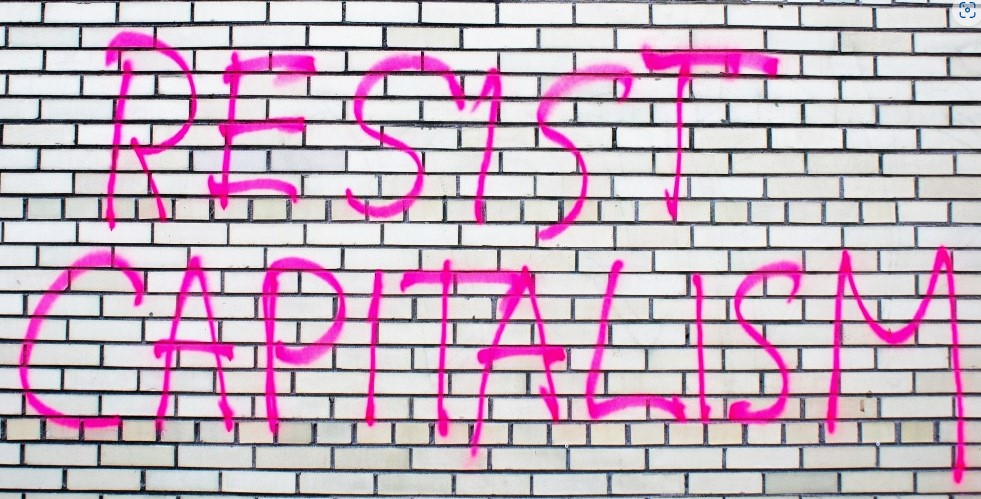


Three Years Later
Don’t you find there are periods of rapid change interspersed among long plateaus in your life? Although those plateaus are becoming fewer and lasting shorter periods of time.
The last three years have been a time of momentous change, both in my life, and in the world. I’m trying to explain what has been happening to me, because these experiences convince me we must all make similar changes if we are going to make the major adjustments needed to try to mitigate deepening environmental damage. The world has been spiraling out of control these past three years, dramatically impacting all our communities and individual lives. I think of these changes as related to the idea of a house of cards. The cards in this case being dollars of the capitalist economy.

Foundational Stories
I was born into a rural Iowa Quaker community and have been a Quaker all my life. I attended Scattergood Friends School, a Quaker boarding high school on a farm in Eastern Iowa.
Recently I was challenged to consider what my foundational stories are, how they began, how they changed over time, and what they are now. I’ve been writing this series of blog posts about these stories, which are related to the intersections between my Quaker faith, protecting Mother Earth, and photography. You can read my foundational stories here: https://quakersandreligioussocialism.com/foundational-stories/
I spent my entire adult life in Indianapolis. I arrived in 1970 to spend two years in a Quaker community organizing project, Friends Volunteer Service Mission. To support myself financially, I received on-the-job training to be a respiratory therapy technician. I later obtained a degree in Respiratory Therapy, and a career in neonatal respiratory therapy, and then thirty years doing research in infant lung development and disease in Indianapolis at Riley Hosptial for Children, Indiana University Medical Center. I retired and returned to Iowa in the summer of 2017.
Part of the Mother Earth piece of my foundational stories was “driven” by a spiritual leading that showed me I could not contribute to the pollution from owning a personal automobile, so I didn’t. That had all kinds of repercussions.
Although my leading to try to live without a personal automobile grew over time, the actual decision came about abruptly. I had a couple of used cars but felt increasingly uncomfortable having one. When my car was totaled in an accident, I took the opportunity to see if I could live without a car in the city. It took some time to work out the bus schedules, especially because I was working all kinds of hours and on weekends. And I had to learn how to shop such that I could carry everything home.
But because we derive our sense of identity and socioeconomic status from work embedded in a profit driven economy, transformative day-to-day self-sufficient activities, when they are applied in an urban or suburban setting, give rise to second set of intangible sociocultural barriers that involve taking significant social risks. Peter Lipman the former (founding) chair of Transition Network and Common Cause Foundation encourages us to take these social and cultural risks. But what exactly are the more difficult risks needed to move us in the right direction? It is important to identify intangible socioeconomic challenges in order to side-step them.
…
In short, our identities are tied up in what we do for a living and how we do what we do for a living must radically change. Because, let’s be honest, living and working, having lifestyles and livelihoods that are truly regenerative and sustainable look nothing like how most of us currently live and work.
Against the Economic Grain: Addressing the Social Challenges of Sustainable Livelihoods by Kim Kendall, originally published by Resilience.org, January 27, 2023
It was difficult for us (environmentalists) to find pressure points, places where we could call attention to the existential threats of environmental chaos from burning fossil fuels. In 2013, activists recognized the application for approval of the Keystone XL Pipeline as such an opportunity. This decision was solely up to President Obama, allowing us a focus for our efforts. I was trained as an Action Lead in the Keystone Pledge of Resistance in 2013. There I learned many skills related to community organizing. Four of us trained about forty people in the Indianapolis community, and organized many demonstrations and actions against fossil fuel companies and the banks that fund them.
https://jeffkisling.com/2018/06/05/lessons-learned-from-the-keystone-pledge-of-resistance/
We were able to train others in those skills later when the White Pines Wilderness Academy in Indianapolis wanted to bring attention to the dangers of the Dakota Access Pipeline (DAPL).
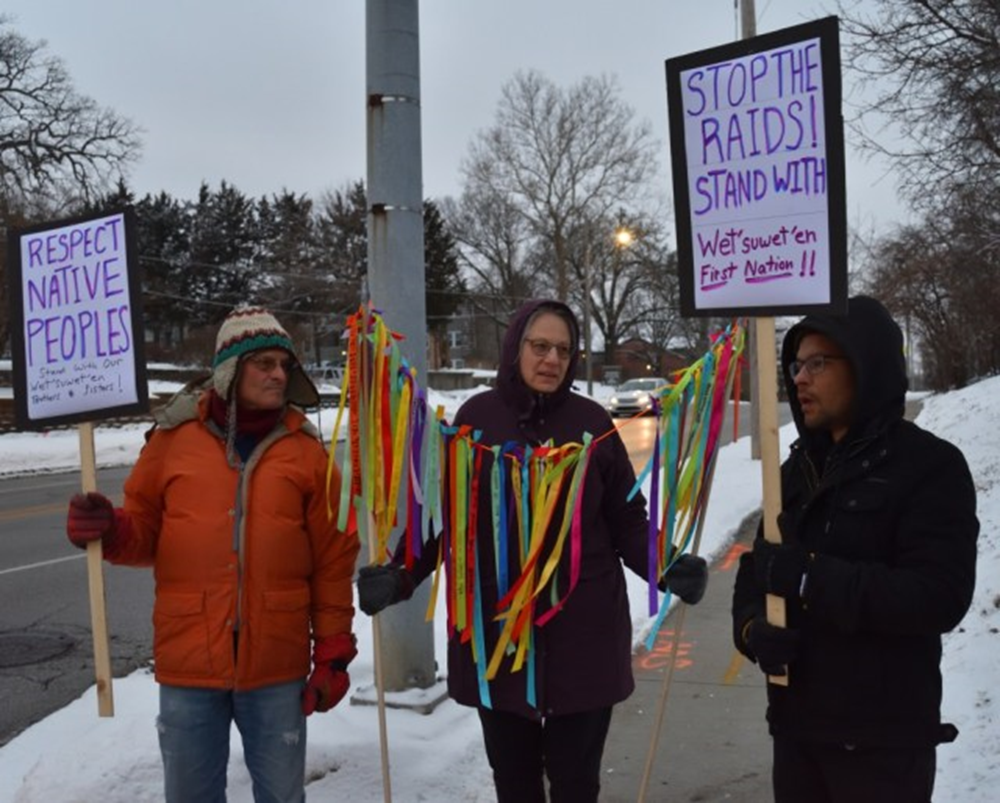
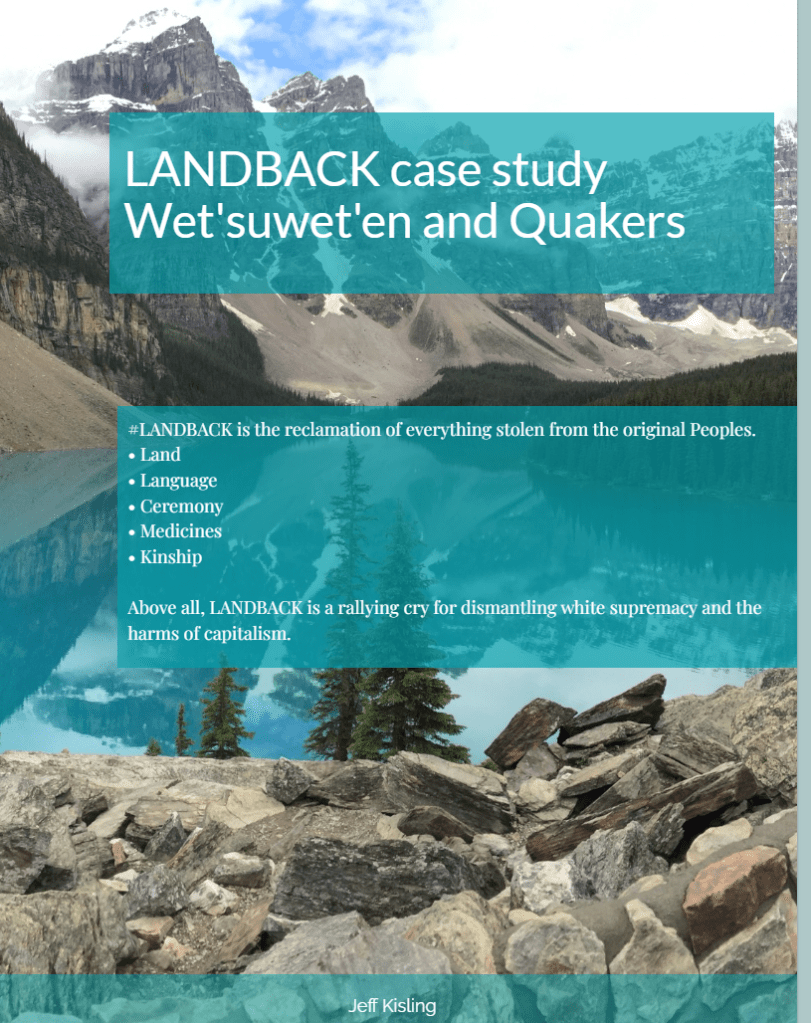
Wet’suwet’en peoples
I was always looking for news about fossil fuels and our environment. This blog post from 1/14/2020 describes my discovery of the Wet’suwet’en peoples and their struggles against the Coastal GasLink (CGL) liquid natural gas pipeline being constructed through their pristine territory in British Columbia.
I have just begun to learn about the Wet’suwet’en people. A friend of mine from the First Nation-Farmer Climate Unity March traveled to the Unist’ot’en camp about 4 years ago and found it to be a life-changing experience. I also asked other friends I made during the March about this, and they indicated support for these people.
You may wonder why I am trying to learn and write about the Wet’suwet’en people now. The literal answer is I saw this article recently: Hereditary First Nation chiefs issue eviction notice to Coastal GasLink contractors. TC Energy says it signed agreements with all 20 elected First Nations councils along pipeline’s path. Joel Dryden · CBC News · Posted: Jan 05, 2020.
Any efforts to stop pipelines catch my interest.
Wet’suwt’en People, Jeff Kisling, 1/14/2020
I wrote this booklet about the Wet’suwet’en struggles, including some videos of confrontations with Royal Canadian Mounted Police (RCMP). Assault rifles trained on unarmed youth.
Spirit led connection to Mutual Aid
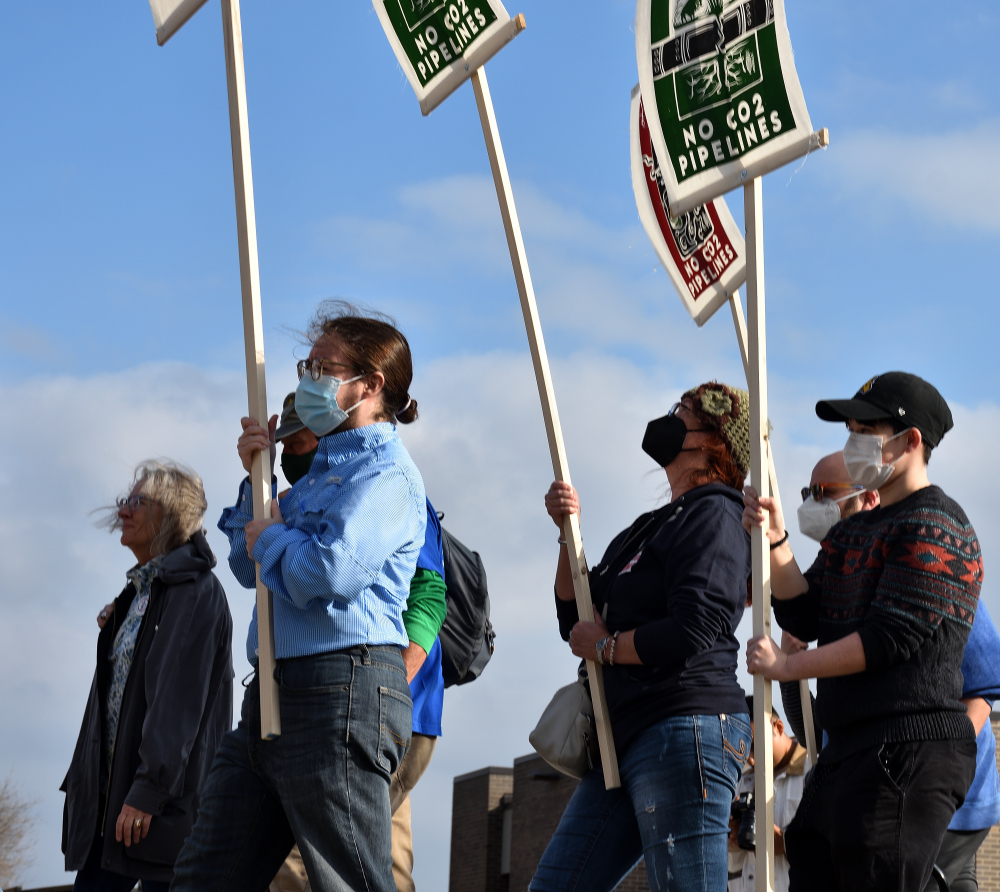
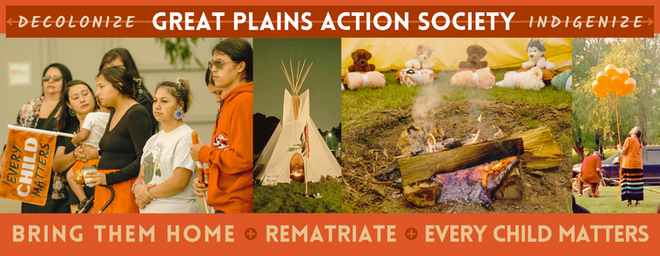
The title THREE YEARS LATER refers to my introduction to Des Moines Mutual Aid a little over three years ago. I took the photo below on Feb 7, 2020, when a small group of us organized a vigil in support of the Wet’suwet’en. I know the Spirit led Ronnie James, from Des Moines Mutual Aid, to join us. He was surprised that anyone outside his circle knew what was happening to the Wet’suwet’en. Ronnie is an Indigenous organizer working with the Great Plains Action Society (GPAS), and as such was interested to see if these were people who could become allies.
That meeting changed my life in many ways, all stemming from what I was learning from Ronnie and others about Mutual Aid, which has become the focus of my justice work since.

Over the years I’ve enjoyed documenting justice actions photographically. I like the challenge of an ever-moving group of people, the varieties of signs, the reactions of the people and the public. But for the past several years posting photos of demonstrations is discouraged if people’s faces are visible. Which police sometimes later use to bring charges against those people.
Ronnie and I are both part of Des Moines Mutual Aid’s free food project. The Wet’suwet’en being part of our history, we continue to support them. Because of COVID and people wearing masks, we were comfortable taking this photo during one of our Mutual Aid gatherings for the food project.

Three Years Later
And yet, three years later, the Wet’suwet’en peoples’ struggles continue.

FOR IMMEDIATE RELEASE
March 29, 2023
Contact: Jennifer Wickham, Media Coordinator, Gidim’ten Checkpoint, yintahaccess@gmail.com, 778-210-0067
URGENT MEDIA ADVISORY: RCMP C-IRG Raid Wet’suwet’en Village Site, Make 5 Arrests
WET’SUWET’EN TERRITORY (Smithers, BC) – This morning, a large force of RCMP C-IRG raided a Gidimt’en village site and arrested five land and water defenders, mostly Indigenous women, including Gidimt’en Chief Woos’ daughter. The raid accompanied a search warrant for theft under $5000 with no clear relation to the Gidimt’en village site.
This large-scale action by the RCMP’s Community Industry Response Group (C-IRG) involved more than a dozen police vehicles and officers drawn from throughout British Columbia. The arrests come just weeks after the Civilian Review and Complaints Commission (CRCC) announced they have “initiated a systemic investigation into the activities and operations of the RCMP “E” Division Community-Industry Response Group (C-IRG).”
In the days leading to this police action, RCMP C-IRG have been found patrolling Wet’suwet’en traplines and cultural use areas, harassing and intimidating Wet’suwet’en members and disrupting constitutionally protected Wet’suwet’en cultural activities. Members of a private security firm hired by Coastal Gaslink pipeline, Forsythe, have also escalated harassment and surveillance efforts against Wet’suwet’en members in recent days.
Both the RCMP’s C-IRG unit and Forsythe are named as defendants in an ongoing lawsuit launched by Wet’suwet’en members, which alleges that police and private security have launched a coordinated campaign of harassment and intimidation in an effort to force Wet’suwet’en people to abandon their unceded territories.
Sleydo’, spokesperson for Gidimt’en Checkpoint, said:
“This harassment and intimidation is exactly the kind of violence designed to drive us from our homelands. The constant threat of violence and criminalization for merely existing on our own lands must have been what our ancestors felt when Indian agents and RCMP were burning us out of our homes as late as the 50s in our area. The colonial project continues at the hands of industry’s private mercenaries–C-IRG”
The arrests come days before Indigenous delegates are set to arrive at Royal Bank of Canada’s Annual General Meeting to oppose expansion of fossil fuels without consent on their territories, including Wet’suwet’en Hereditary Chiefs who oppose RBC’s funding of the Coastal Gaslink pipeline.
Wet’suwet’en Hereditary Chief Na’Moks offered the following:
“This is harassment, and exactly what Royal Bank of Canada is funding. Ahead of its shareholder meeting next week, RBC continues to fund corporate colonialism, and displace Indigenous peoples from our lands at gunpoint – all for a fracked gas pipeline we cannot afford now or in the future. In the context of the theft of our ancestral land, alleging stolen saws and clothing is outrageous.”
Yesterday morning at my Quaker meeting, we considered the following set of questions related to our environmental responsibilities.
ENVIRONMENTAL RESPONSIBILITY
ADVICE
All of creation is divine and interdependent: air, water, soil, and all that lives and grows. Since human beings are part of this fragile and mysterious web, whenever we pollute or neglect the earth we pollute and neglect our own wellsprings. Developing a keen awareness of our role in the universe is essential if we are to live peacefully within creation.
The way we choose to live each day‑‑as we manufacture, package, purchase and recycle goods, use resources, dispose of water, ‑design homes, plan families and travel‑affects the present and future of life on the planet. The thought and effort we give to replenishing what we receive from the earth, to keeping informed and promoting beneficial legislation on issues which affect the earth, to envisioning community with environmental conscience, are ways in which we contribute to the ongoing health of the planet we inhabit.
Preserving the quality of life on Earth calls forth all of our spiritual resources. Listening to and heeding the leadings of the Holy Spirit can help us develop qualities which enable us to become more sensitive to all life
QUERY
- What are we doing about our disproportionate use of the world’s resources?
- Do we see unreasonable exploitation in our relationship ‑with the rest of creation?
- How can we nurture reverence and respect for life? How I can we become more fully aware of our interdependent relationship with the rest of creation?
- To what extent are we aware of all life and the role we play? What can we do in our own lives and communities to address environmental concerns?
Faith and Practice, Iowa Yearly Meeting (Conservative)


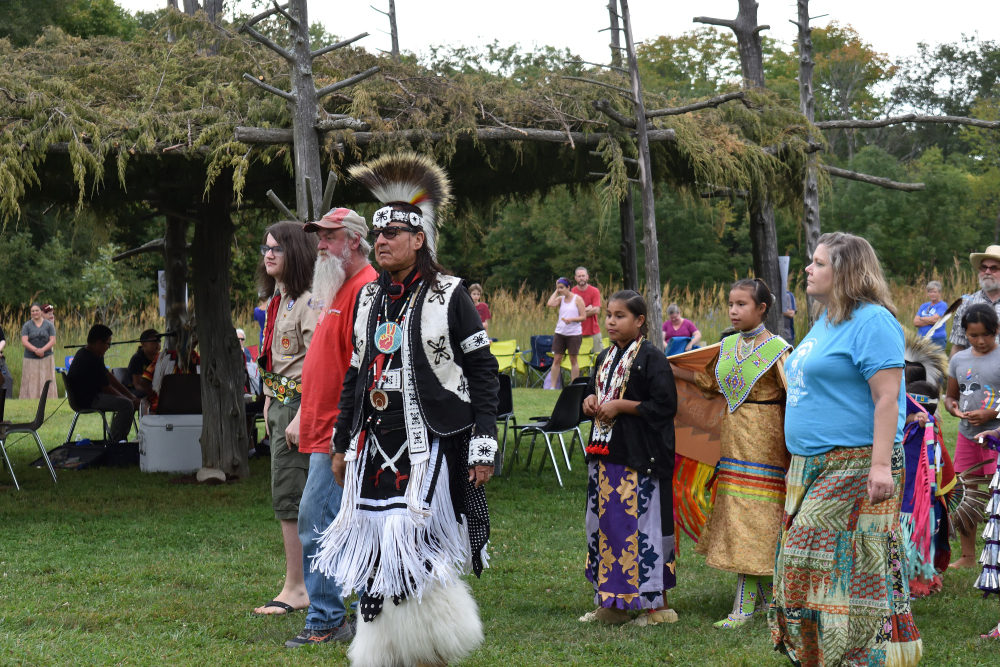
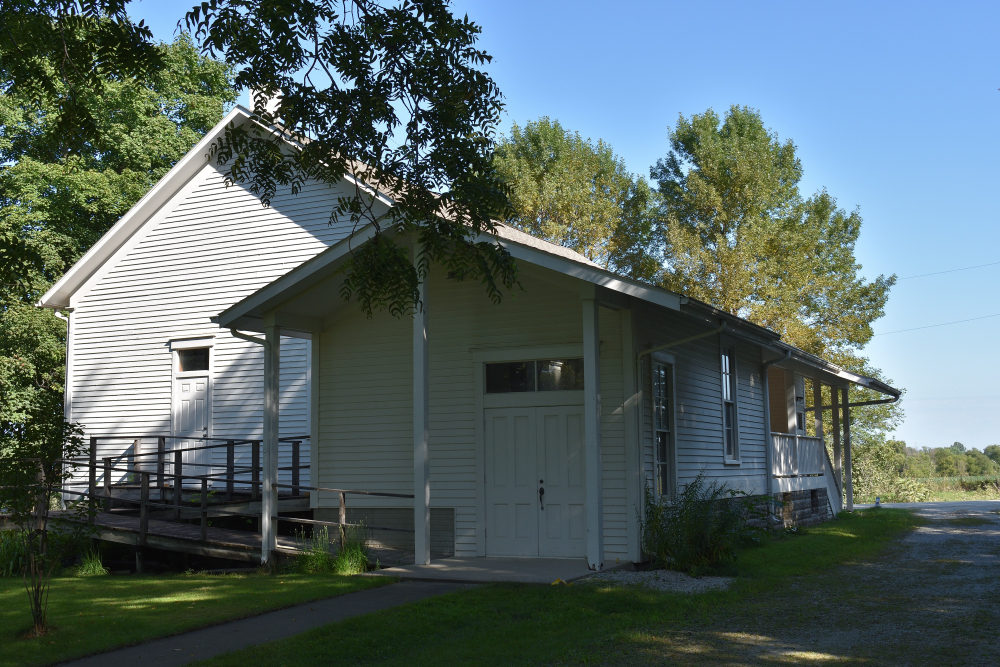

Request for Discernment Regarding Reproductive Health and Abortion
Every two years the Friends Commitee on National Legislation (FCNL) distributes questions to ask which legislative policies Quaker meetings and churches support. All of these are collected, and FCNL’s Policy Committee distills those responses into the legislative priorities that will determine what issues FCNL’s lobbyists will focus on as they work with Congress.
After the Supreme Court’s ruling in Dobbs v. Jackson Women’s Health Organization, overturning Roe v. Wade, the Policy Committee of FCNL’s General Committee heard concern from Friends around the country about FCNL’s lack of position on the issue of abortion.
FCNL’s Policy Committee is seeking the help of Friends in discerning what FCNL should say about reproductive health care in its policy statement.
Queries for Discernment on FCNL’s Policy on Reproductive Health Care
“Friends seek to establish a way of being in the world that grows out of and embodies prayer, worshipful listening for the whisper of divine guidance, and seasoning in the community of faith.”
Margery Post Abbott, A Theological Perspective on Quaker Lobbying
FCNL’s Policy Statement, The World We Seek, serves as our foundational document, outlining FCNL’s broad policy positions.
The statement currently reads:
III.2.6: Health Care. Universal access to affordable, effective, comprehensive health care is a right and is necessary to allow all people to fulfill their potential. Comprehensive health care includes primary, acute, and long-term care, including prescription drugs, as well as mental health and substance abuse treatment. To ensure access, health services should be provided where an individual’s needs can best be met. Our country can only maintain and improve the physical and mental health of its population with affordable health care that covers the entire life span, from prenatal to end-of-life care. Public health services, which protect us all, require robust federal support.
III.2.7. NOTE: Members of the Society of Friends are not in unity on abortion issues. Therefore, FCNL takes no position and does not act either for or against abortion legislation. On occasion, FCNL may appeal to lawmakers not to use the abortion debate to paralyze action on other legislation.”
FCNL’s Policy Committee invites your Quaker discernment group to focus on the issue of reproductive health care, including abortion, and advise us on whether FCNL should revise our policy statement.
Queries and structure to support discernment:
- What does reproductive health care look like in the world that you and your community seek?
- How are the Quaker values and testimonies relevant to the issue of abortion?
- Should the FCNL Policy Statement be revised on the issues of abortion and reproductive health and abortion?
- If so, what should the Policy Statement say?
Frequently Asked Questions
Guidelines for Group Discernment
Whether you are gathering in person, online, or in a hybrid format, we hope that your discernment will be spiritually grounded and a result of group conversations. These discussions may take many forms, including discernment by a committee, an informal group, or a First Day discussion topic. Some meetings or churches may adopt a minute expressing the sense of their group, although this is not a requirement.
You may want to prepare for discernment by reading the pamphlet, A Guide to Dialogue About Abortion. Tools such as this can help your conversation honor the complexity and urgency surrounding this topic.
To allow for the inclusion of a diversity of voices, we hope you will include people of different ages, backgrounds, and lived experiences in your discernment. Please identify at least one person who will submit your group’s responses.
Supporting Friends’ Discernment on Reproductive Health
FCNL’s Policy Committee has invited Friends to listen deeply in their communities around issues of reproductive health care, including abortion. Friends are invited to share the results of their discernment and to offer guidance on what FCNL should say about these issues in its policy statement.
Friends hold complex and nuanced perspectives on these topics. Sometimes, conversations about abortion and reproductive health can evoke strong emotions and reactions, forming polarized “sides” that don’t leave room for empathy, compassion, and understanding. How can we hold these difficult conversations in ways that prevent harm and support spiritual discernment?
On March 22 at 6:30 p.m. EST, join members of FCNL’s Policy Committee and Friends who are organizing these sessions for perspectives and advice on engaging your Quaker meeting or church in discernment to guide FCNL’s policy going forward.
When you sign up to attend, please share questions and topics you would like addressed. Please note: this event is intended to support people organizing or participating in discernment in their communities. It will not itself be a discernment or listening session.
Speakers
- Moderator: Ebby Luvaga, Clerk of FCNL’s Policy Committee
- Genie Stowers, Member of FCNL’s Policy Committee
- Lauren Brownlee, FCNL’s Associate General Secretary for Community and Culture
ZOOM information
MARCH 22, 2023, 6:30 – 7:30 PM EDT | ONLINE
Join the Zoom video conference online or via telephone. Time: March 22nd, 6:30 p.m. EDT.
Go to: fcnl.org/qwc-stream
Or call: US: +1 301 715 8592. Then enter the Meeting ID: 820 2927 5353#
You shouldn’t need this, but just in case: Meeting ID: 820 2927 5353Passcode: 273787
We will send you this information to join the event via email as well.
If you do not receive a confirmation email presently, please check your spam folders.
Questions? Reach out to Clare Carter (ccarter@fcnl.org).
Reproductive Justice
Last May I was honored to attend and take photos at the Rally for Productive Justice for my friends.

The draft to end Roe and Casey was leaked just two days before the National Day of Awareness for Missing and Murdered Relatives (aka, Missing and Murdered Women and Girls). We are honoring this day by uplifting radical solidarity within all communities affected by colonial violence when body sovereignty is stolen from us.
Join our coalition of organizations and grassroots activists for a rally to demand abortion access, which plays a huge role in ending the MMIR crisis. Lack of access increases violence and health disparities in BIPOC, Disabled, LGBTQIA+, and Two-Sprit communities. Learn more from speakers and crowd testimony on how this affects these communities and take action on a wider scope than just abortion. We must abolish white supremacist and christian institutions that perpetuate colonial harm to oppress those that don’t fall into their manifest destiny paradigm.
Thank you to the Iowa Coalition Against Domestic Violence for lighting the bridge and amphitheater red on May 5th in honor of MMIR Day of Awareness! The bridge will also be lit red on May 6th for our event!
ASL provided.
LiveStreamed to this page.
This event was organized by:
– Iowa Coalition for Collective Change
– Great Plains Action Society
– The Disability Caucus of the Iowa Democratic Party
– Iowa CCI
– Des Moines BLM
– Sierra Club Beyond Coal
– Deaf Dome
– The Progressive Caucus of the Iowa Democratic Party
– Iowa Abortion Access Fund
– One Iowa


Resources:

Black and white photos
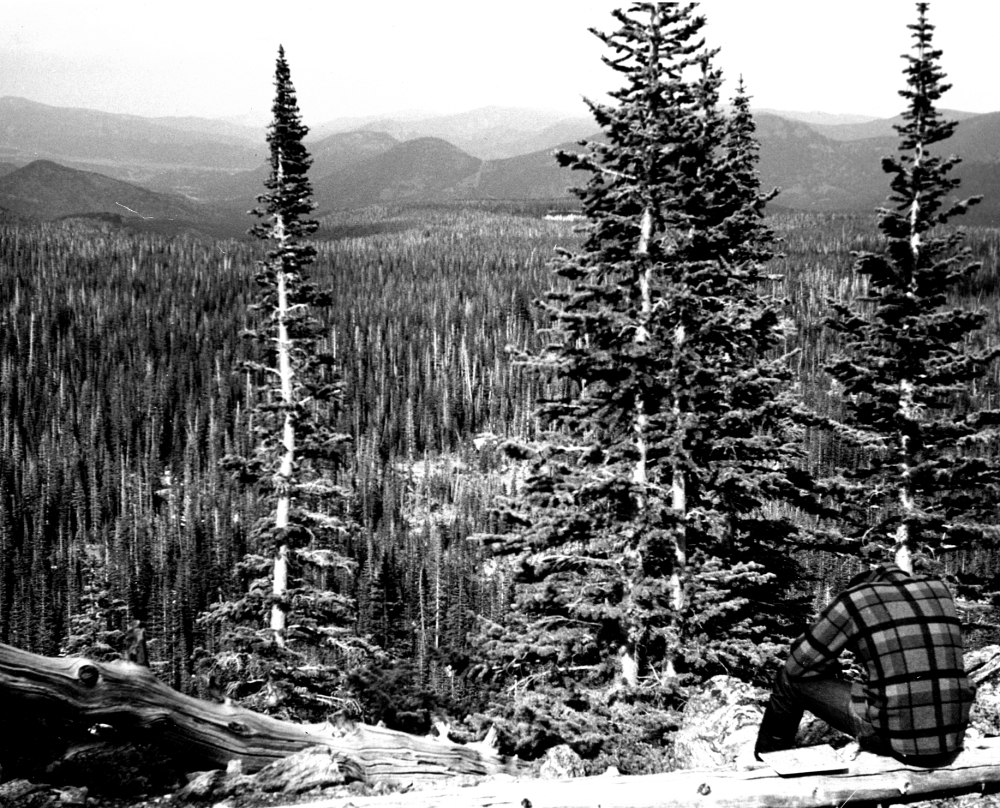
I came across these black and white photos from an earlier age. 1970 seems so far away.
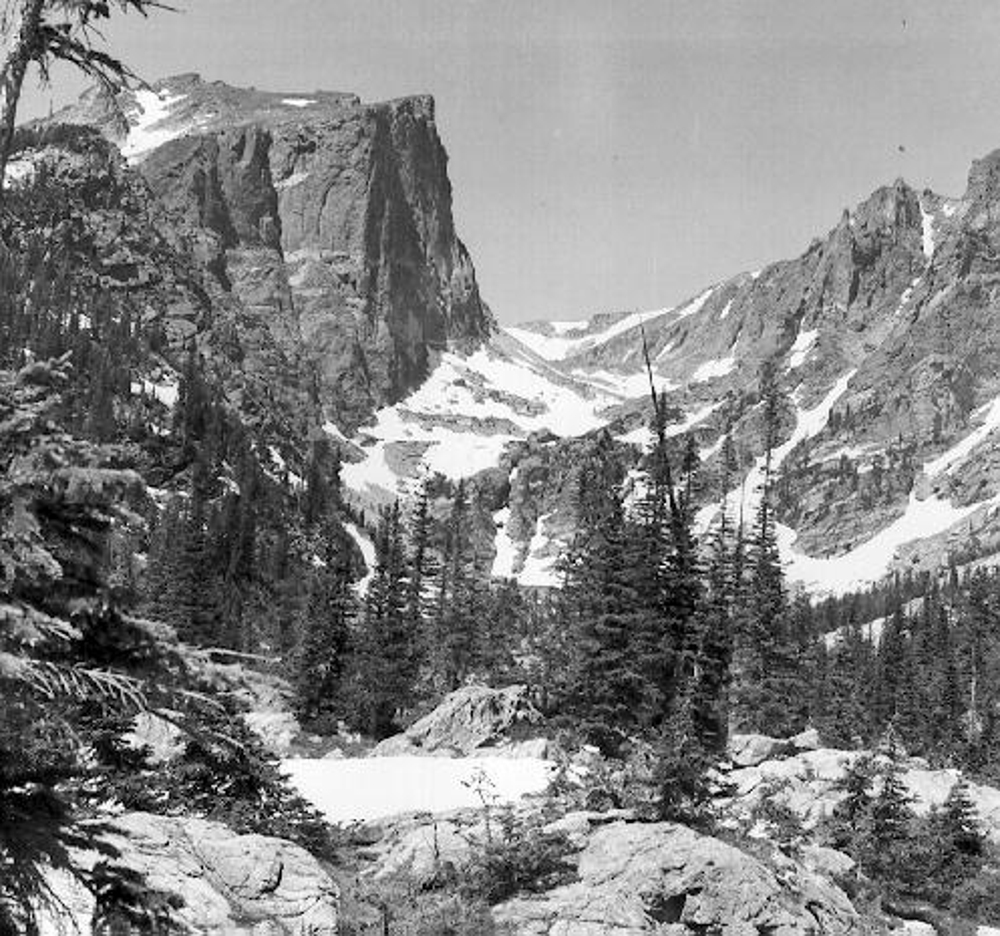
Close to fifty years ago I had a life-changing vision related to mountains and air pollution. A horrific vision of my beloved Rocky Mountains hidden in clouds of smog, the very thing that did happen in an area near the Himalayas.
My vision was related to this photo of Long’s Peak rising above Moraine Park in Rocky Mountain National Park, Colorado. I can barely bring myself to remember that vision of Long’s Peak hidden in smog.

That vision determined the course of my life. From that day I sought the Spirit to guide me in ways to protect Mother Earth. That led me to live without having a car, and the myriad of things that happened as a result. The unintended consequences, most of them very good.
I developed the film and printed these photos in a darkroom I had set up in my bathroom. One reason I’m often reminded of this vision is because this photo was hanging on my wall
Here is a link to some of my posts about photography. https://jeffkisling.com/?s=photography.
And I have a website of my photos: https://jeffkislingphotography.wordpress.com/
These black and white photos remind me of the lyrics of the song “Blue” by Troye Sivan.
I know you’re seeing black and white
“Blue” by Troye Sivan
So, I’ll paint you a clear blue sky
Without you I am colour-blind
It’s raining every time I open my eyes
And Worldwide Beautiful by Kane Brown, who is multiracial.
You’re missing every color if you’re only seeing black and white
Kane Brown
Tell me how you’re gonna change your mind if your heart’s unmovable
We ain’t that different from each other, from one to another
I look around and see worldwide beautiful
25 songs of civil rights, social justice, freedom and hope for Black History Month 2023 by Ed Masley, Arizona Republic, Feb 1, 2023


Spirit, Justice, Mutual Aid, Healing and Survival
A number of ideas have come together for me lately. So, I’ve taken some time to write the following, putting them all together.
The PDF of Spirit, Justice, Mutual Aid, Healing and Survival can be found below. There is a button to download the PDF.
This is the link to the same PDF document online: spirit-justice-mutual-aid-healing-and-survival.pdf
Additionally, I’ve published an eBook version of the same document here:
Spirit, Justice, Mutual Aid, Healing and Survival eBook version
Feel free to leave comments below.
 Quakers and Mutual Aid