Critical skills to face collapse

Something that’s always been below the surface of my consciousness is that the root of our social and political problems is inadequate education. It’s not “I know if people understood ______ issue”, they would agree with me. I know I’m not always right. There are so many things we can have honest disagreements about. But you cannot have such discussions with people who refuse to accept basic facts and reasoning. It is about not falling for disinformation. It’s about critical thinking. It’s a real problem when emerging school policies are intended to make it impossible for students to be able to think critically.

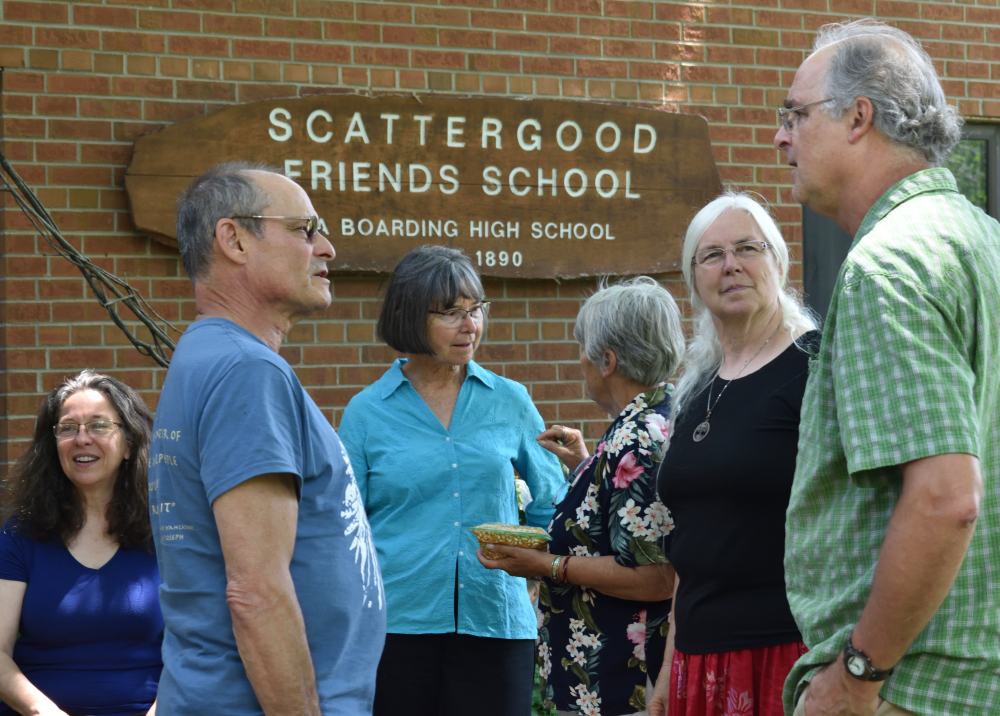
At Scattergood Friends (high) School the focus is on preparing students to be lifelong learners. Which means developing critical thinking skills. At the Kheprw Institute, a youth mentoring community, the students are taught to be critical thinkers.

Rapidly emerging educational policies are intended to make students NOT think critically. Banning books! I never thought I’d see the day. Telling teachers they aren’t allowed to teach about racism, sexual orientation, or gender identity.

I was intrigued when I saw the article ‘How Do We Teach the Critical Skills Needed to Face Collapse?” by Dave Pollard, How To save the world, September 10, 2022. He goes into some detail about these skills, but for now I’ll just list the soft skills and hard skills he says we need to face collapse.

So civilization, at least as we know it, is going to collapse — political, economic, social, educational, health, transportation, technological systems all will fail, a bit a first, and then more and more.

We have no idea when it will be complete — could be in 10 years, or in 40. We have no idea how it will play out — how quickly, where first, what systems and governments will go first.

We don’t even know how people will react to this Slow (and Permanent) Emergency. So how can we possibly prepare for it?

I think the best answer to this is to teach a lot of people a lot of skills, hard and soft, that they don’t currently have, so that we’re kind of ready for anything. Here’s a list of ten possibly critical soft skills, and ten possibly critical hard skills, that very few of us (in most countries) are competent at at the moment. The ones in italics are, IMO, those that it is important that most people learn; for the remainder, it’s important that some people in each community be very competent at them:

Soft skills

  • Critical thinking
  • Group facilitation
  • Helping people cope
  • Preparing healthy food
  • Caring for the young, old, and sick
  • Imaginative, reflective and creative skills
  • Mentoring
  • Listening, noticing and attention skills
  • Conversation
  • Community-building

Hard skills (that require some specific technical knowledge/experience

  • Growing and harvesting food
  • Making and repairing clothing and shelter from the elements
  • Accessing clean, safe water
  • Weaving, fabric-making, pottery and other crafting skills tha that make life much more pleasant and comfortable
  • Medical, medicinal, and injury-healing knowledge and skills
  • Food preservation
  • Bicycle construction and repair
  • Basic engineering skills
  • Ecological skills
  • Decommissioning-nuclear reactors and petrochemical sites

Building Communities-The Vision

For years I’ve been thinking about how to build communities as collapse occurs. I’d thought there would be millions of climate refugees moving inland in the country as their homes and communities are ruined by rising sea levels, severe storms, drought, collapsing infrastructure and social systems. It’s clear now that no place will really be safe. Here in the Midwest we’ve had severe flooding, drought, and strong storms.

We need to build model sustainable communities. There have been numerous such experiments in intentional community. But this model must be created with the intention of being replicated many times over with minimal complexity, using locally available materials—a pre-fab community.

Pre-fab components

  • Community hub with housing and other structures
    • Simple housing
      • Straw bale houses
      • Passive solar and solar panels
      • No kitchens, bathrooms or showers (community ones instead)
    • Stores, school, meetinghouse
    • Central kitchen, bathrooms and showers
  • Surrounding fields for food and straw
  • Water supply
    • Wells, cisterns and/or rain barrels
  • Power
    • Solar, wind, hydro, horse
  • Manufacturing
    • 3 D printing
    • Pottery
    • Sawmill
  • Communication
    • Radio, local networks
  • Transportation
    • Bicycles
    • Horses
    • Pedal powered vehicles
  • Medical
    • Stockpile common medications
    • Essential diagnostic and treatment equipment
    • Medical personnel adapt to work in community
  • Spiritual
    • Meeting for worship
    • Meeting for business
    • Religious education

I plan to write more about critical thinking soon.

Societies that function without policing, prisons, and property

Rather than dwelling on all the current and oncoming catastrophes, we can recognize the crossroads we are at, and choose to live in a better way.

We only have a finite amount of energy personally and must use it wisely. I’m led to believe we should stop wasting energy trying to make incremental changes in existing systems of oppression. And instead turn our attention and energy to building more just alternatives. Living out our spiritual guidance.

I’m of the firm opinion that a system that was built by stolen bodies on stolen land for the benefit of a few is a system that is not repairable. It is operating as designed, and small changes (which are the result of huge efforts) to lessen the blow on those it was not designed for are merely half measures that can’t ever fully succeed.

So, the question is now, where do we go from here? Do we continue to make incremental changes while the wealthy hoard more wealth and the climate crisis deepens, or do we do something drastic that has never been done before? Can we envision and create a world where a class war from above isn’t a reality anymore?”

Ronnie James, Des Moines Mutual Aid

As Grace Lee Boggs writes below, “it is about acknowledging that we Americans have enjoyed middle-class comforts at the expense of other peoples all over the world.” We, especially White Quakers, can end our complicity in the systems of oppression, colonialism, and White supremacy.

I’ve been blessed to be part of several communities building such alternatives. These include the Kheprw Institute, Des Moines Mutual Aid, and the Buffalo Rebellion.

These experiences have helped me understand something black, Indigenous, and other people of color (BIPOC) have always known. That the systems of racial capitalism and white supremacy have never worked for anyone who is not a wealthy white male.

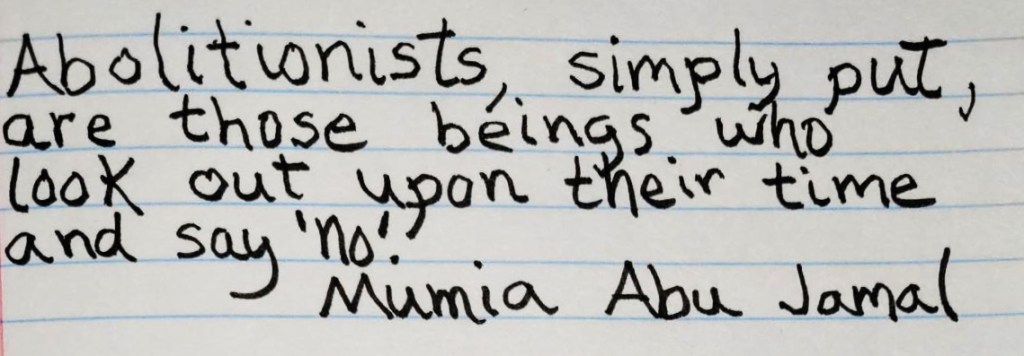
Robyn Maynard and Leanne Betasamosake Simpson have succinctly captured what needs to happen in their book Rehearsals for Living (Abolitionist Papers).

In my mind, Indigenous nations, Indigenous homespaces, Indigenous homelessness must be engaged in a radical and complete overturning of the nation-state’s political formations and a refusal of racial capitalism. My vision to create Nishnaabeg futures and presences must structurally refuse and reject the structures, processes and practices that end Indigenous life, Black life and result in environmental desecration. This requires societies that function without policing, prisons, and property.

Nishnaabeg formations of nationhood mean a radical overturning of the current conditions and configurations within which we live—an absolute refusal of capitalism.

Maynard, Robyn; Simpson, Leanne Betasamosake. Rehearsals for Living (Abolitionist Papers) (p. 125). Haymarket Books. Kindle Edition.

What we need now are societies that function without policing, prisons, and property. That is how we build alternatives to what is collapsing. Owning land, property is not an Indigenous concept. The commons are meant for community use.

  • Property is the basis for accumulation of wealth.
  • Policing is how this concept of property is protected.
  • Prison is how those who threaten property and landowners are removed from society.

Des Moines Mutual Aid


The next American Revolution, at this stage in our history, is not principally about jobs or health insurance or making it possible for more people to realize the American Dream of upward mobility. It is about acknowledging that we Americans have enjoyed middle-class comforts at the expense of other peoples all over the world. It is about living the kind of lives that will not only slow down global warming but also end the galloping inequality both inside this country and between the Global North and the Global South. It is about creating a new American Dream whose goal is a higher Humanity instead of the higher standard of living dependent on Empire. It is about practicing a new, more active, global, and participatory concept of citizenship. It is about becoming the change we wish to see in the world.

The courage, commitment, and strategies required for this kind of revolution are very different from those required to storm the Winter Palace or the White House. Instead of viewing the U.S. people as masses to be mobilized in increasingly aggressive struggles for higher wages, better jobs, or guaranteed health care, we must have the courage to challenge ourselves to engage in activities that build a new and better world by improving the physical, psychological, political, and spiritual health of ourselves, our families, our communities, our cities, our world, and our planet.

Grace Lee Bogg. The Next American Revolution

How can Friends achieve the 2022 theme of World Quaker Day, “Becoming the Quakers the World Needs,” while functioning in a blatantly and politically corrupt, racialized world? In engagement with this exciting theme, offered by the Friends World Committee for Consultation (FWCC), the Black Quaker Project would like to remind Friends of the tools at our disposal to challenge those aspects of society which we wish to change and to see changed. Our fractured societies are further divided by enormous gaps of inequality in almost every imaginable category—psychological, social, political, cultural, economic. How might we, as Quakers, achieve justice, equity, and peace under these circumstances? 

The Black Quaker Project

In late 2020, the two of us wrote an article for this magazine, called “Abolish the Police.” Through writing the piece, we realized we wanted to convene a larger space where Friends with an interest in police and prison abolition could have conversations with one another. Quaker abolitionists today face major pushback from our Meetings; we hoped that drawing Friends together would support and strengthen our work.

In this context, the Quakers for Abolition Network is being born. We are a collection of Friends from at least five Yearly Meetings; we range in age from high school to our 80s; we are disproportionately queer and trans. While AFSC and FCNL staff are participating, this is a grassroots project without any formal connections to existing organizations. We are in the process of defining our mission statement, structure, and our methods for addressing white supremacy when it shows up in our work, while building relationships with each other as we go. Below, four Friends write about their approaches to abolition, their lessons, and their visions for where Quakers might be headed.

Jeff Kisling: Mutual Aid and Abolition

I grew up in rural Iowa, where there was very little racial diversity and interactions with police and the court system were rare. About ten years ago, I was blessed to become involved with the Kheprw Institute, a Black youth mentoring and empowerment community. I’ll never forget how shocked I was when a Black mother broke down in tears, explaining how terrified she was every minute her children were away from home. It was obvious that every other person of color in the discussion knew exactly what she was saying.

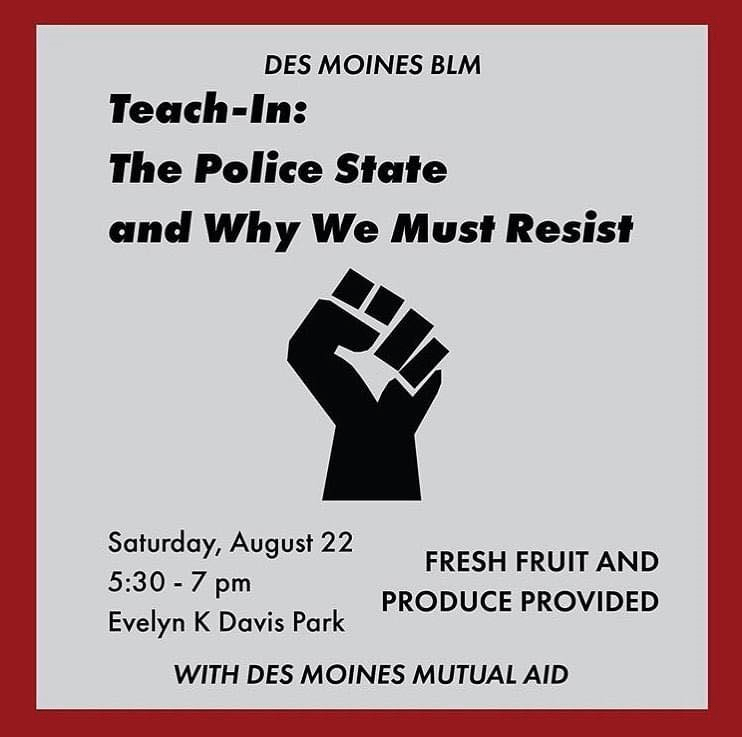
After retiring, I was led to connect with Des Moines Mutual Aid, a multiracial organization founded to support houseless people. For over a year, I’ve helped my friends fill and distribute boxes of donated food, while continuing to learn about the framework of mutual aid.

To me, mutual aid is about taking back control of our communities. Besides the food giveaway, we support houseless people and maintain a bail fund to support those arrested agitating for change. We also work for the abolition of police and prisons.

Mackenzie Barton-Rowledge and Jed Walsh: Introducing the Quakers for Abolition Network, Western Friend, Sept 2021


Des Moines Mutual Aid

Des Moines Mutual Aid

Becoming the Quakers the World Needs

October 2, 2022, is World Quaker Day. The theme this year is Becoming the Quakers the World Needs. Becoming” implies we are not, presently, the Quakers the World Needs, which I agree with. Quakers are too comfortable living in a capitalist system that is inherently unjust. A system whose goal is the accumulation of wealth no matter how unethical the means are to acquire it. A system that commodifies all resources, even those that should be part of the commons. A system not intended to care for those without wealth.

How can Friends achieve the 2022 theme of World Quaker Day, “Becoming the Quakers the World Needs,” while functioning in a blatantly and politically corrupt, racialized world? In engagement with this exciting theme, offered by the Friends World Committee for Consultation (FWCC), the Black Quaker Project would like to remind Friends of the tools at our disposal to challenge those aspects of society which we wish to change and to see changed. Our fractured societies are further divided by enormous gaps of inequality in almost every imaginable category—psychological, social, political, cultural, economic. How might we, as Quakers, achieve justice, equity, and peace under these circumstances? 

Black Quaker Project

“Quakers will only be truly prophetic when they risk a great deal of their accumulated privilege and access to wealth. Prophets cannot have a stake in maintaining the status quo. Any attempt to change a system while benefiting and protecting the benefits received from the system reinforces the system. Quakers as much as anyone not only refuse to reject their white privilege, they fail to reject the benefits they receive from institutionalized racism, trying to make an unjust economy and institutionalized racism and patriarch more fair and equitable in its ability to exploit. One can not simultaneously attack racist and patriarchal institutions and benefit from them at the same time without becoming more reliant upon the benefits and further entrenching the system. Liberalism at its laziest.”      Scott Miller


How can we escape the capitalist society we live in? We build communities that care for one another. Sometimes called beloved communities. An example is Mutual Aid. I’ve been involved in Des Moines Mutual Aid for two years and have written extensively about my experiences. https://quakersandreligioussocialism.com/mutual-aid/


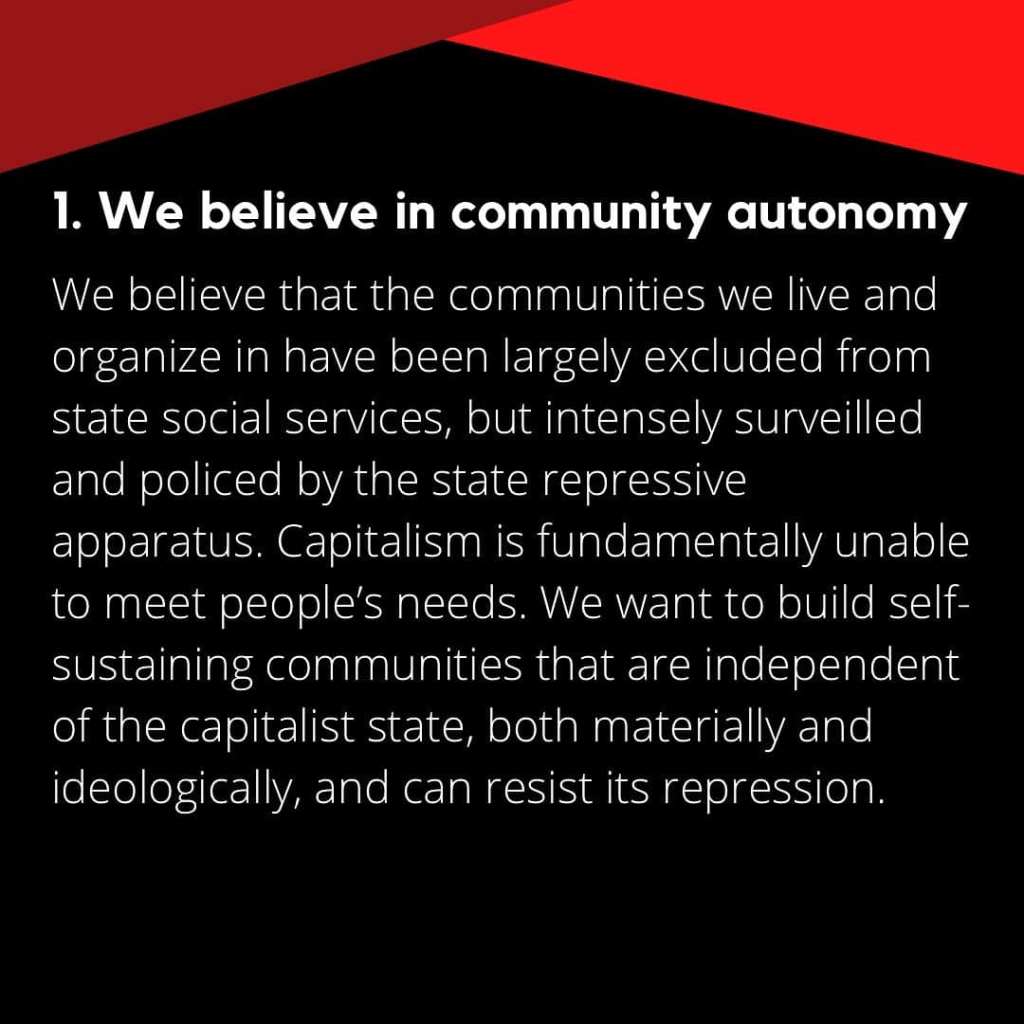
Capitalism is so repugnant that we use other terms to refer to ourselves and the work we do, such are anarchists, communists, Black Liberationists, or accomplices.

Des Moines Mutual Aid

Randomly passing an accomplice on the street and throwing up a fist at each other as we go our separate ways to destroy all that is rotten in this world will never fail to give me extra energy and a single tear of gratitude for what this city is creating.

member of Des Moines Mutual Aid

mutual aid is the new economy. mutual aid is community. it is making sure your elderly neighbor down the street has a ride to their doctor’s appointment. mutual aid is making sure the children in your neighborhood have dinner, or a warm coat for the upcoming winter. mutual aid is planting community gardens.

capitalism has violated the communities of marginalized folks. capitalism is about the value of people, property and the people who own property. those who have wealth and property control the decisions that are made. the government comes second to capitalism when it comes to power.

in the name of liberation, capitalism must be reversed and dismantled. meaning that capitalistic practices must be reprogrammed with mutual aid practices.

Des Moines Black Liberation

World Quaker Day, SUNDAY, 2 OCTOBER 2022 
“Becoming the Quakers the World Needs:”
Taking Action Now for Retrospective Justice.


Dear Friends and friends of Friends,

         How can Friends achieve the 2022 theme of World Quaker Day, “Becoming the Quakers the World Needs,” while functioning in a blatantly and politically corrupt, racialized world? In engagement with this exciting theme, offered by the Friends World Committee for Consultation (FWCC), the Black Quaker Project would like to remind Friends of the tools at our disposal to challenge those aspects of society which we wish to change and to see changed. Our fractured societies are further divided by enormous gaps of inequality in almost every imaginable category—psychological, social, political, cultural, economic. How might we, as Quakers, achieve justice, equity, and peace under these circumstances? 

         Our ministry has long advocated that retrospective justice is the key to bringing peace and equality to the world and to dismantling White Supremacy. As a reminder, retrospective justice is “an attempt to administer justice years after the commission of a severe injustice or series of injustices against persons, communities, or racial and ethnic groups.” Our definition draws upon the 2006 Brown University report, Slavery and Justice, which notes the following three steps as necessary to implement retrospective justice: (1) acknowledge an offense formally and publicly; (2) commit to truth-telling and ensure the facts are uncovered, discussed, and shared; and (3) make amends in the present to give substance to expressions of regret. While the all-too visible injustices of direct violence may command our attention, they are only symptoms of the structural violence deeply rooted in our societies. British Peace Studies founder, Friend Adam Curle, defines structural violence as “the political and economic inequalities which are built into the social structure.”  This violence can be economic, political, cultural, religious, or environmental–classifications outlined in Occupied With Nonviolence: A Palestinian Woman Speaks (2008) by Palestinian Friend Jean Zaru and expanded upon to include educational and health structural violence in our Pendle Hill pamphlet, Race, Systemic Violence, and Retrospective Justice: An African American Quaker Scholar-Activist Challenges Conventional Narratives (2020).  It is these various types of STRUCTURAL violence that we must keep in mind when implementing retrospective justice, not only direct violence. As we reminded readers in our 2008 Beacon Hill Friends pamphlet, Facing Unbearable Truths: “[Violence] must be treated at its roots if we are to abolish it. Just as a doctor must treat the root causes of an illness, not merely the symptoms, so must we act similarly as social, progressive, analytical activists. We must be “anti-violent,” not merely “non-violent.” 

         In recent years, we have seen notable truth-telling initiatives which our ministry recognizes as actions of retrospective justice. A few notable examples include: the groundbreaking New York Times publication and institutionalization of The 1619 Project; the National Museum of African American History and Culture in Washington, DC; the International Slavery Museum in Liverpool, UK; the Apartheid Museum in Johannesburg, South Africa; and the United Nations establishment of an International Day of Remembrance for Victims of Slavery and the Transatlantic Slave Trade, itself a prelude to the UN Decade for People of African Descent (2015-2024). What do we–Quakers and friends of Quakers–have to offer in these needed efforts of Retrospective Justice?  To answer this query, our ministry offers three responses:
Reason #1: Justice
         Drawing again on the words of Friend Adam Curle, we agree that justice has a dual meaning: “one, spiritual—righteousness, the observance of the divine law; the other temporal—fairness, righteous dealing. … [Our] vision of justice is the result of seeking to live [in alignment with] non-violence, compassion, redemption, and love.”  For too long this crucial Quaker testimony has been neglected in favor of acronyms such as “SPICES,” which mislead about the essence of Quakerism and fail to include justice. Can we have peace without justice? Can we have equality without justice? Our ministry challenges Friends to return the justice testimony not only to the front-burner but to front-and-center within the Religious Society of Friends by engaging in this important work of Retrospective Justice.

Reason #2: Truth
         Like justice, truth and integrity are at the root of Quakerism, so much so that early Quakers called themselves the Friends of Truth, a name to keep in mind as we reckon with our own history of past misdeeds. Our ministry encourages Friends to collectively shoulder the responsibility of telling the truth, in all its complexity, including the reality that Quakers, despite our well-known anti-slavery activities, were participants, profiteers, and supporters of the slave trade. A truth Harold D. Weaver has called on the Religious Society of Friends to acknowledge in the past, most recently, in his January 2021 Friends Journal article, “A Proposed Plan for Retrospective Justice.” Friends need to confront and atone for the 400-year legacy of oppression, economic exploitation, and human degradation that affects people of African descent worldwide, such as Jim Crow, colonialism, and apartheid. Perhaps we will never know to what extent current Friends–individuals, Meetings, and organizations– have profited from the inheritance of significant sums of money for the past exploitation of people of African descent worldwide. However, Friends can still work to correct misinformation and disinformation so that we may understand the roots of the issues we seek to resolve. Quakers in some monthly, quarterly, and yearly meetings seem to be grappling with this process.
Reason #3: Reputation, Influence, and Expectations 
         Since the publication of Uncle Tom’s Cabin in 1852, Quakers have had a reputation as being among history’s foremost abolitionists. While we question whether Friends fully deserve this reputation, it is one that has endured. Across history, and around the world, Quakers have been involved in movements of peace and justice. Friends organized relief efforts for the starving masses of the Irish potato famine, cared for the sick and injured as World War I ravaged Europe, and aided interned Japanese Americans during World-War II. Celebrated Quaker human rights activist, writer, and social critic Bayard Rustin emerged as a leading figure in the Civil Rights Movement which Quakers widely participated in (Rustin is just one of the trailblazing African American Quakers we document in Black Fire: African American Quakers on Spirituality and Human Rights). Friends would also make their presence known during South Africa’s struggle against apartheid, peace efforts throughout the “Troubles’’ era of Northern Ireland, and beyond. 

         In 1947, the Friends Service Council in the UK and the American Friends Service Committee were jointly awarded the Nobel Peace prize ON BEHALF OF ALL QUAKERS for post World-War-II peace, reconstruction, and recovery efforts. While some people might forget that Quakers even exist today, many remember our historical image as leaders in truth, peace, justice, abolition, and equity. It is this reputation that we are expected to maintain and which our ministry recommends we live up to.          As the population of Quakers decreases in the Global North, the future of the Religious Society of Friends will be greatly defined by Friends of Color across Asia, South America, and, most prominently, Africa, which, as of 2017, is home to over 180,000 Friends. As we become further unmoored from our Eurocentric roots, the growing majority of Friends in the Global South are vulnerable to the very worst effects of systemic racism and structural violence. We hope Friends participate in plans of Retrospective Justice, “Becoming the Quaker’s The World Needs,” by taking action now.

         What additional reasons might there be for Quakers to be actively involved in USA and worldwide Retrospective Justice efforts?  Please write to us at theblackquakerpoject@gmail.com with your suggestions.

Note: The above narrative is adapted from Dr. Harold D. Weaver’s 21 September 2022 presentation to the Joseph Rowntree Charitable Trust Interim Working Group at Friends  House, London, UK. We appreciate the invitation of collaboration from Friend Nozizwe Madlala-Routledge, the new, dynamic Director of the Quaker United Nations Office-Geneva.

Joy is the justice we give ourselves

The following story and poem are from an online magazine I recently discovered, Emergence Magazine.

The title caught my attention because joy is one of the main benefits of Mutual Aid communities. It has been true for my involvement in Des Moines Mutual Aid for the past two years. Especially in these times of growing fear about the baffling breakdown of so many things we took for granted, finding joy is so important. This quote from the book “Rehearsals for Living” by Robyn Maynard and Leanne Betasamosake Simpson describes this well.

“Rehearsals for Living” by Robyn Maynard and Leanne Betasamosake Simpson

Roots anchor and support us. Firmly and deeply established, they can carry us through difficult times. When we do the work of rooting, we find those threads that can nourish us in the face of adversity.

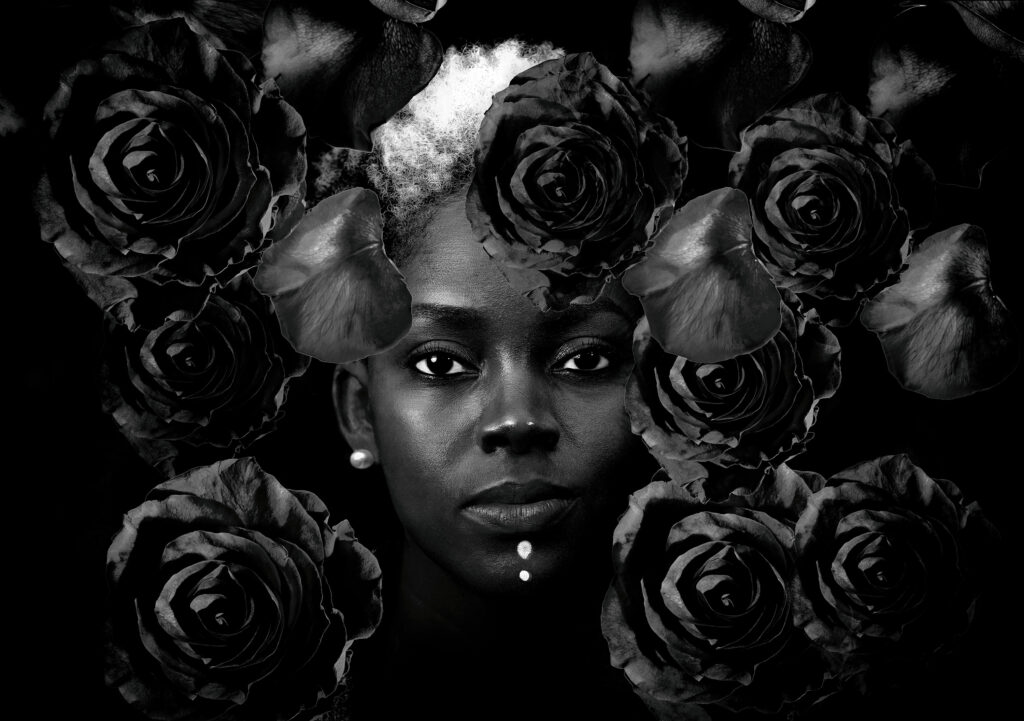
In “Joy Is the Justice We Give Ourselves,” poet J. Drew Lanham grounds his vision of racial justice in quiet moments of awe in nature. Celebrating radical acts of joy, he lifts up liberation, reparations, and deep connection to ancestors and the living world.

Emergence Magazine

Joy is the justice
we give ourselves.
It is Maya’s caged bird
sung free past the prison bars,
holding spirits bound—
without due process,
without just cause.

Joy is the steady run stream,
rights sprung up
through moss-soft ground—
water seeping sweet,
equality made clear
from sea
to shining sea,
north to south,
west to east.

Joy is the truth,
crooked lies hammered straight,
whitewashed myths
wiped away.
Stone Mountain
—just stone.
Rushmore
—no more.
Give the eagles
their mountains back.

(continues…)

Joy is the justice we give ourselves

CONTRIBUTOR BIOS

POET
J. Drew Lanham is a birder, naturalist, and hunter-conservationist. He is the author of The Home Place: Memoirs of a Colored Man’s Love Affair with Nature, which received the Reed Award from the Southern Environmental Law Center and the Southern Book Prize, and was a finalist for the John Burroughs Medal. His essays and poetry can be found in Orion, Audubon, Flycatcher, and Wilderness, and in the anthologies The Colors of Nature, State of the Heart, Bartram’s Living Legacy, and Carolina Writers at Home. He is an Alumni Distinguished Professor of Wildlife Ecology and Master Teacher at Clemson University.

PHOTOGRAPHER
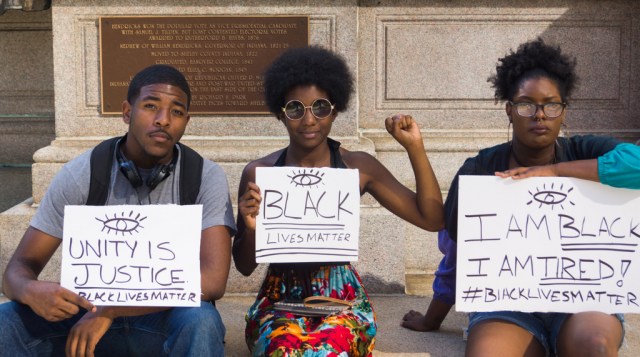
Sheila Pree Bright is an acclaimed fine-art photographer known for her series Young Americans, Plastic Bodies, and Suburbia. Her documentation of responses to police shootings in cities across the US inspired her book #1960Now: Photographs of Civil Rights Activists and Black Lives Matter Protests.


Reflections on Reflections

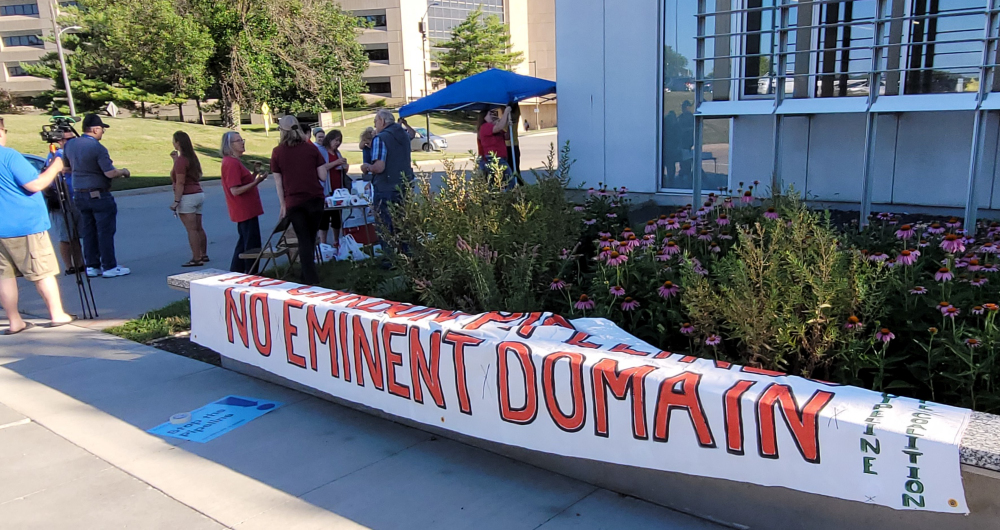
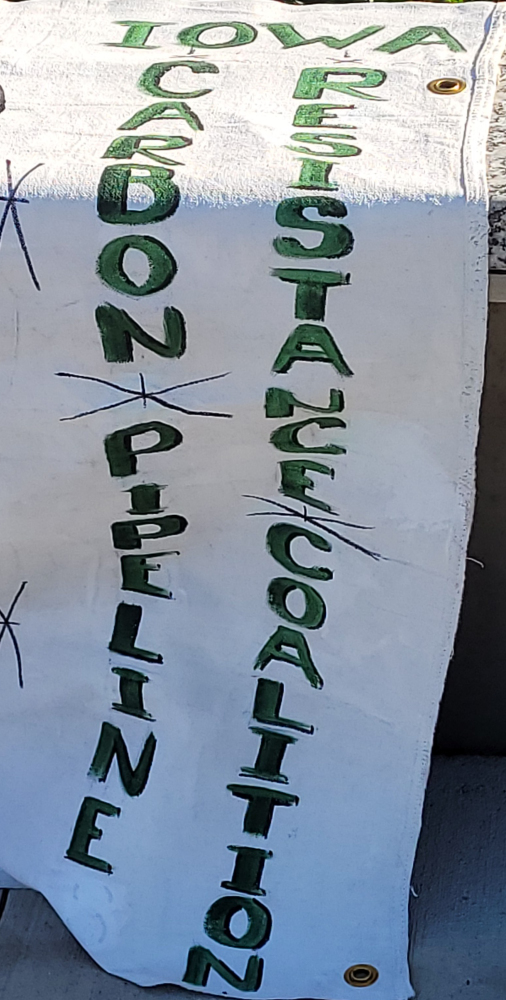
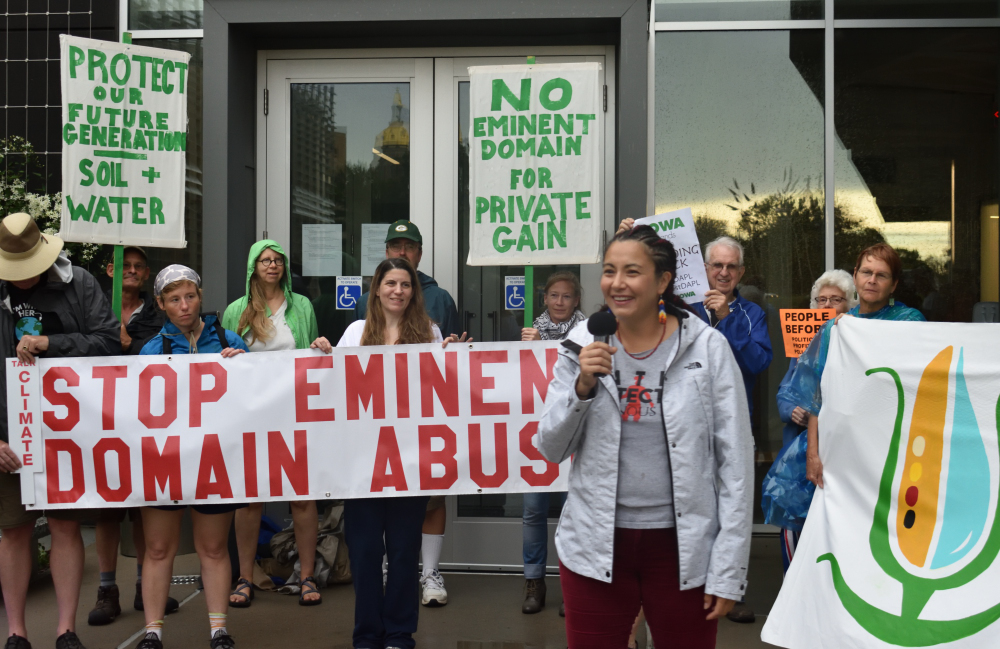
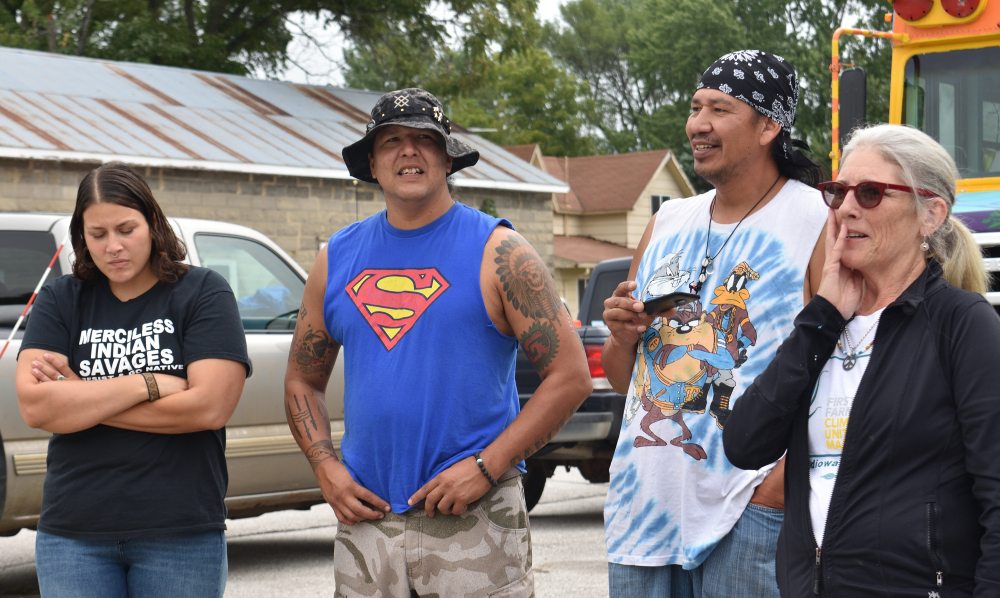
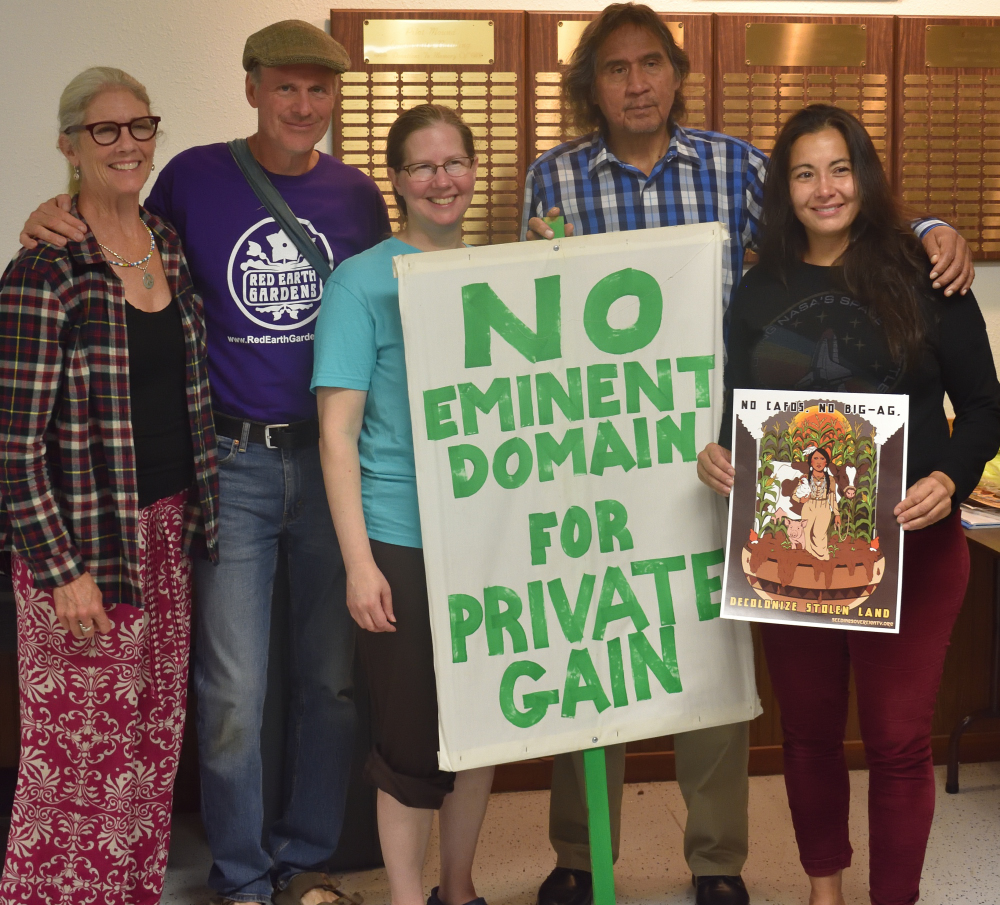
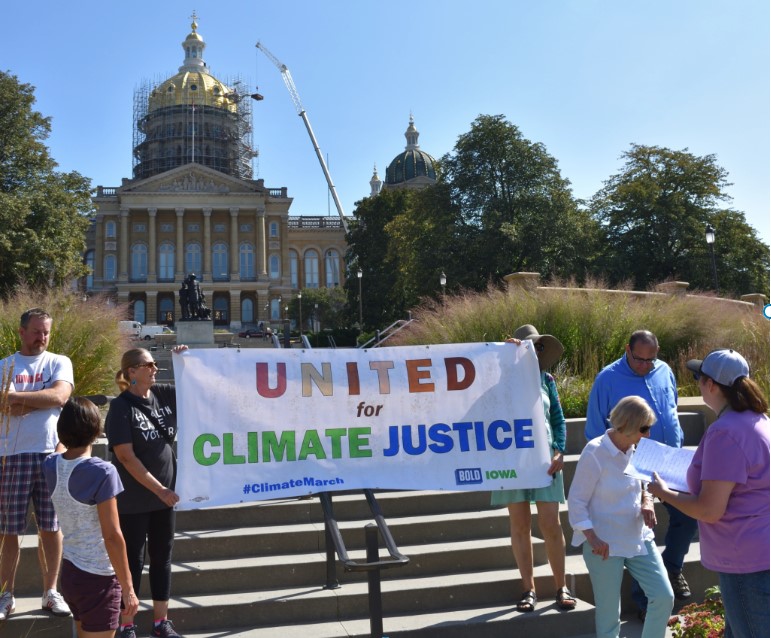
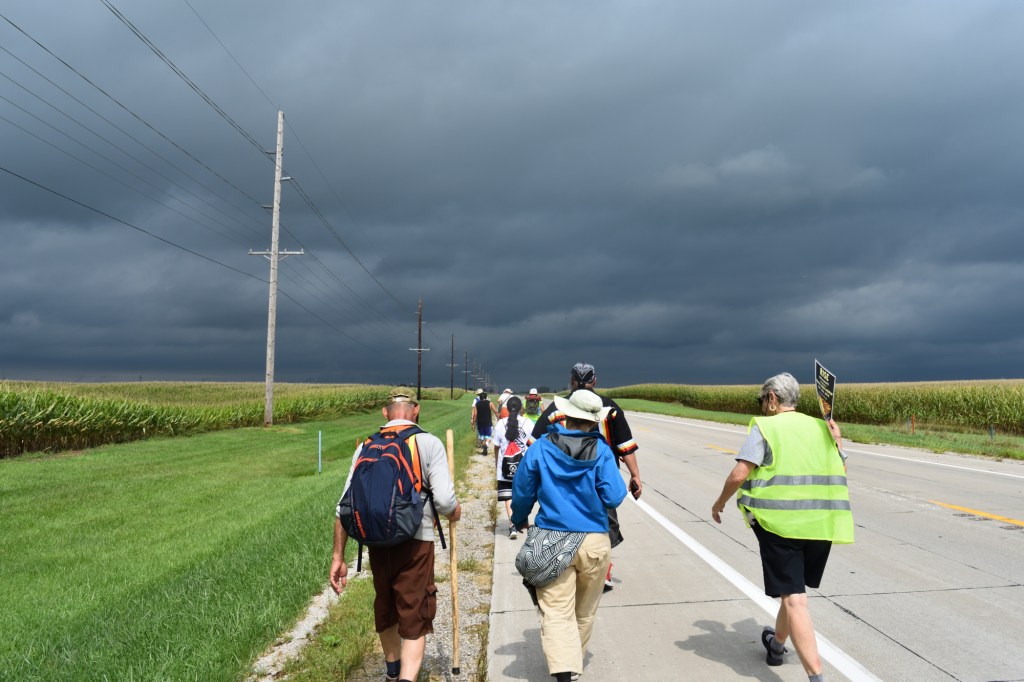
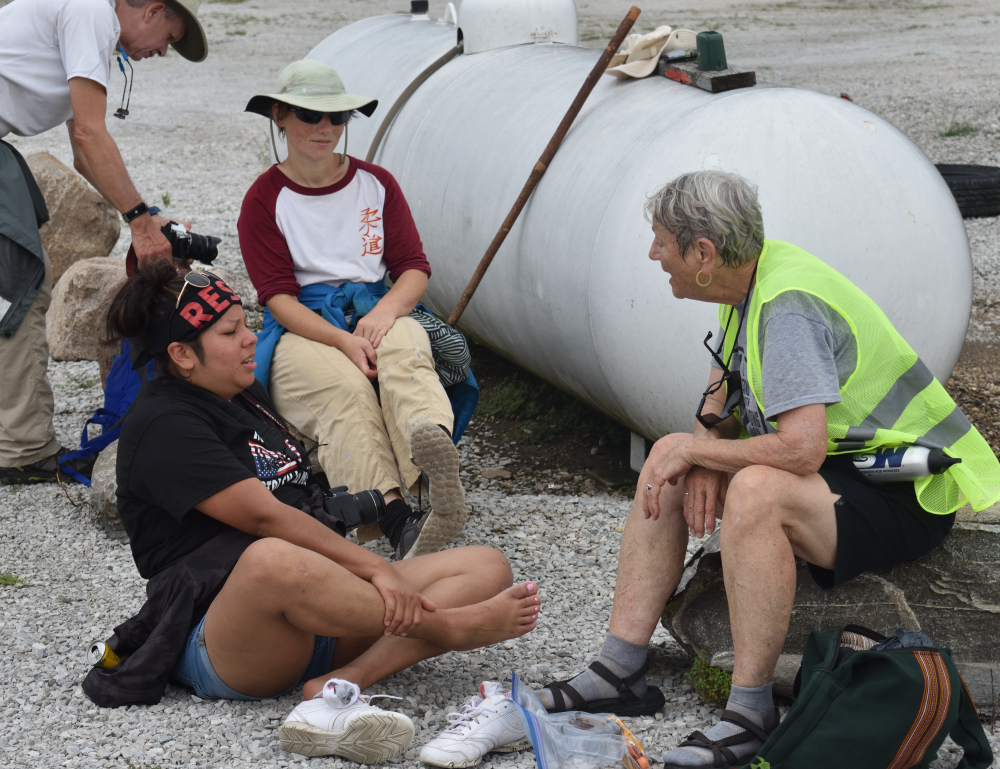
The First Nation-Farmer Climate Unity March involved a group of about thirty native and non-native people walking, eating, and camping together for 8 days. We walked ninety-four miles from Des Moines to Fort Dodge Iowa, along the route of the Dakota Access Pipeline during the first week of September 2018.

It was a bit amazing when I read the following as I’m reflecting on my experiences and friendships from the March.

Roughly a year later, in 2019, as part of my work at the Dechinta Centre for Research and Learning in Denendeh, I helped organize a solidarity gathering that took place in March, in the territory of the Yellowknives Dene First Nation (YKDFN). Our idea was simple—to invite a small group of Black, Brown and Indigenous activists, thinkers, writers, and organizers to spend time with us, in the spring, on an island in what the Yellowknives Dene known as Tindeè, or “big lake.” Together we fished nets under the ice, travelled by snowmobile and sleigh across the frozen lake, shared moose ribs cooked over the fire, stories from YKDFN Elders, our own ideas, and time with each other.

We wanted to invest in our relationship with each other and our affinities, outside of the institution, the internet, and crises, because we believed that the land would pull out a different set of conversations and gift us with a different way of relating. We wanted to sit together on the land, immersed in a Dene world, engage in a practice of Dene hospitality to see if we related to each other in a different way. This is exactly what happened. The land nurtured a set of conversations and way of relating to each other outside of the institution and its formations.

Maynard, Robyn; Simpson, Leanne Betasamosake. Rehearsals for Living (Abolitionist Papers) (p. 35). Haymarket Books. Kindle Edition.

In many ways the March was transformative for me. I wrote a long blog post of reflections on the March in early 2020. See: Reflections on the March.

The world, and I, have changed a lot in just the two years since those reflections were written. These two images represent the time span between the March and work we are doing today.


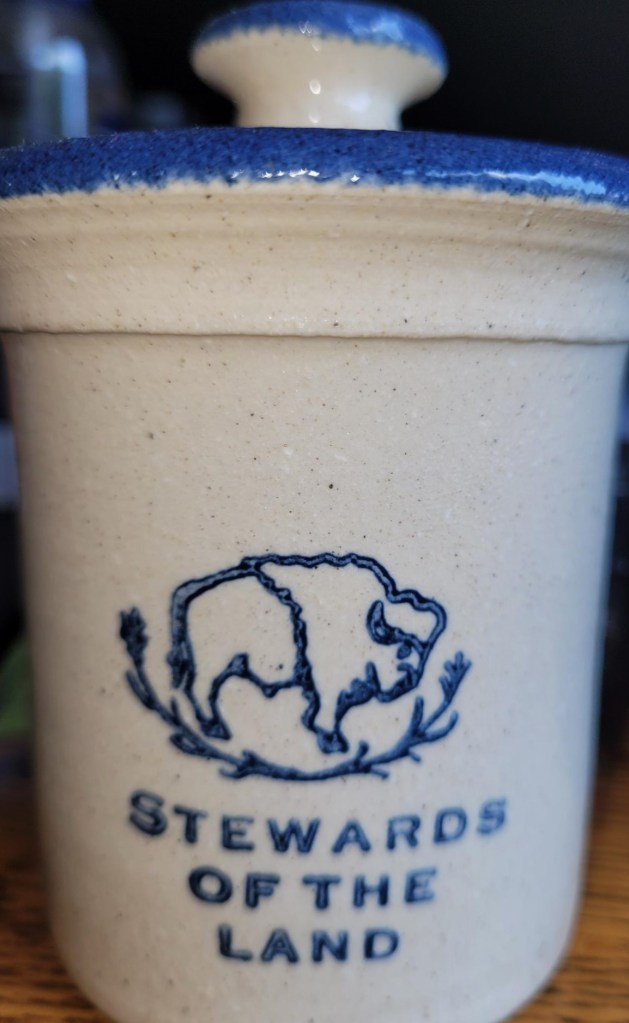
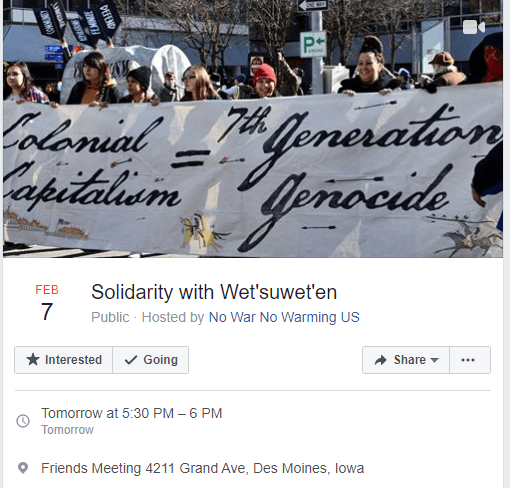
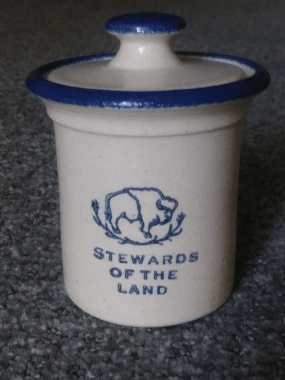
The first time I attended Quaker meeting after the March (2018), Russ Leckband gave me this piece of pottery, which was still warm from the kiln. The graphic on the right is about the Buffalo Rebellion, a climate justice summit, that I attended earlier this year.
(See: https://quakersandreligioussocialism.com/?s=Buffalo+rebellion )

I suppose this blog post is more reflections on the prior reflections.
(As a photographer, I envision what that might look like)

Indy Art Jeff Kisling

Changes since the March in 2018

Environmental devastation and chaos are occurring much more rapidly than expected. In some ways not anticipated. The havoc from increasingly ferocious and frequent wildfires, violent storms, floods, and development of large areas of drought are overwhelming our social, economic, and political systems. Continued wars ruin or prevent the transport of vast quantities of agricultural products.

So many of the systems we used to depend on, we no longer can. Municipal services such as water, power, sewage, and trash processing will fail, are failing.  Food will no longer be available in grocery stores. Medical services will collapse. What will happen to those in prisons and long-term care facilities? Financial failures will wreck the economy and end social safety nets.

There are other compelling reasons to design and build new communities. Our economic system has not adapted to the loss of jobs overseas and to automation. There are simply not enough jobs for millions of people, and many of those who do have work are paid at poverty levels. Forced to depend upon increasingly diminishing social safety nets.

The judicial and law enforcement systems work with extreme bias against people of color. What will the response of militarized police, armed forces, armed militias be as social unrest escalates?


How do we respond? Some lessons learned from and since the March.

It is one thing to talk about change, but it is becoming increasingly difficult to avoid the reality of the changes described above. So, this is not an intellectual exercise.

Almost none of the White people I know, or have observed, are thinking of the radical changes necessary to deal with this evolving chaos. They are trapped in these failing systems and ways of being. Even those who recognize the many injustices of those systems.

For many reasons I believe our responses will be a return toward Indigenous ways and the sustainable ways of our ancestors.

White settler colonists must learn the true history, which was not taught to us. We can’t begin repair if we don’t know the underlying sources of injustice. We must stop treating the symptoms and instead focus on the causes, the underlying disease.

I FEEL THAT I NEED TO go backward in order to go forward. If we are going to find a way to make livable lives in these times, it is necessary to move beyond “human-related activities”: the climate crisis is tethered to its origins in slavery and colonialism, genocide and capitalism.

Maynard, Robyn; Simpson, Leanne Betasamosake. Rehearsals for Living (Abolitionist Papers) (p. 25). Haymarket Books. Kindle Edition.

I’ve been learning about the #LANDBACK movement, but I hadn’t consciously made the connection to the land we walked and slept upon during the March. We were deeply affected when we crossed the pipeline. And were aware of how different it was to spend hours outside and away from the busy-ness of technology. Many more hours than usual for many of us. And yet time had that elastic property that made hours seem like minutes and vice versa as we traveled through space together. Hearing stories of the past that can help us face the future.

Most of my White friends are horrified as they are learning more about the atrocities committed at the Indian boarding schools. Can hardly believe thousands of children died there. But they are being forced to as the remains of the children are being located.

White people cannot process these things and begin healing as long as they remain in the their White spaces and thinking. And deny any responsibility for what was done in the past.

My hope and prayer is a mass movement of us build Mutual Aid networks.

As William Shakespeare wrote, “what’s past is prolog”. Native children are still being taken from their families in the guise of child welfare. Native children are still forcefully assimilated when they are forced to read the White settler colonist view of history.

My involvement in Mutual Aid for the past two years has resulted in significant changes in my life. Changes that can be done now and help us move into the future. Another quote from the book Rehearsals for Living eloquently describes Mutual Aid.

My hope and prayer is a mass movement of us build Mutual Aid networks.

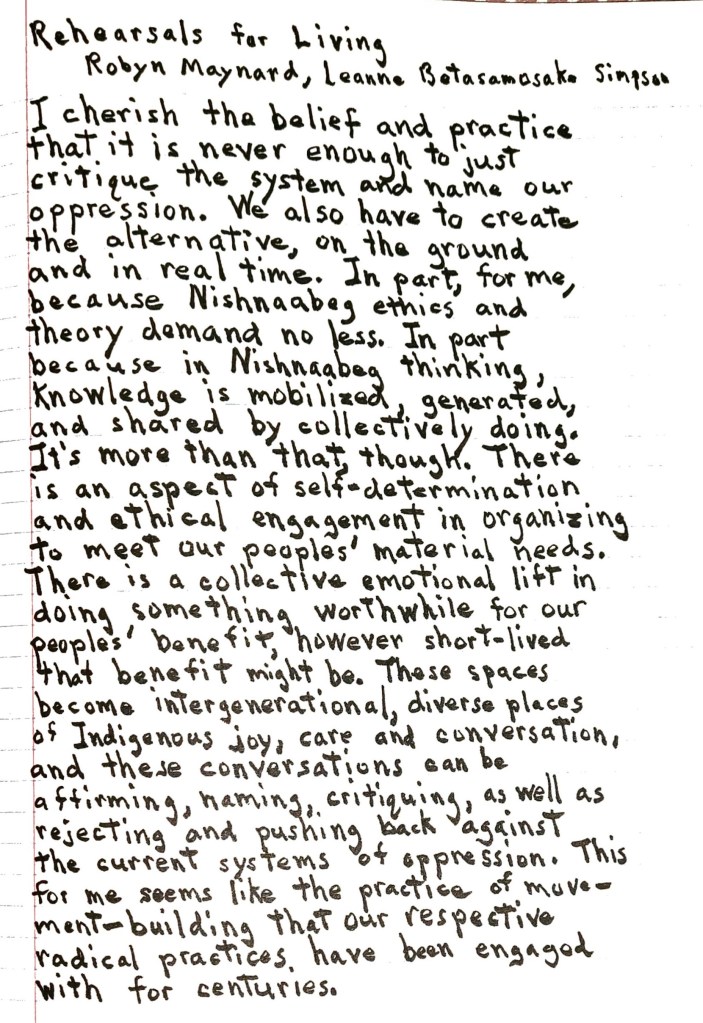
You and your relations, my friend, are (still) busy building a different world at the end of this one. This is something I’ve emphasized over and over again in my own work. I cherish the belief and practice that it is never enough to just critique the system and name our oppression. We also have to create the alternative, on the ground and in real time. In part, for me, because Nishnaabeg ethics and theory demand no less. In part because in Nishnaabeg thinking, knowledge is mobilized, generated, and shared by collectively doing. It’s more than that, though. There is an aspect of self-determination and ethical engagement in organizing to meet our peoples’ material needs. There is a collective emotional lift in doing something worthwhile for our peoples’ benefit, however short-lived that benefit might be. These spaces become intergenerational, diverse places of Indigenous joy, care and conversation, and these conversations can be affirming, naming, critiquing, as well as rejecting and pushing back against the current systems of oppression. This for me seems like the practice of movement-building that our respective radical practices have been engaged with for centuries.

Maynard, Robyn; Simpson, Leanne Betasamosake. Rehearsals for Living (Abolitionist Papers) (p. 39). Haymarket Books. Kindle Edition.

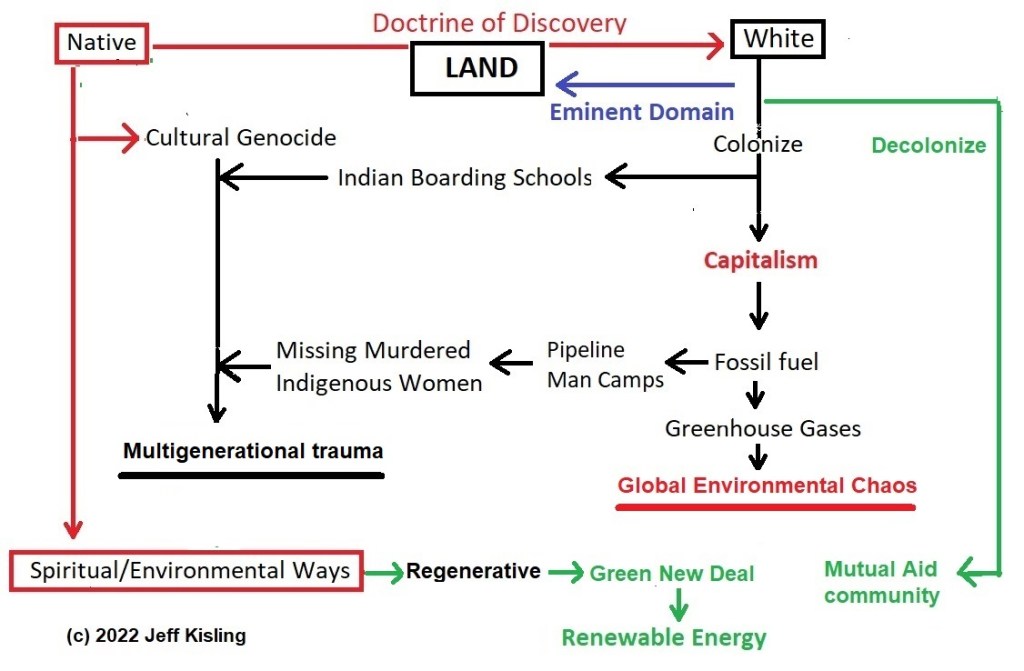
Following is the latest version of a diagram I’ve been working on to visualize some of what I’ve expressed above.

Finding Accomplices, Continued

One of the primary reasons I embarked upon this journey about the evolution of my foundational stories was to encourage people who hadn’t been much involved in justice work to change that.

  • Injustices abound. The victims should be supported while working to address the root causes of the injustice.
  • We should search our own lives to see if and how we are contributing to injustice.
  • Spiritual guidance often leads to justice work.
  • If others observe our Spirit guided work, they may join our Quaker communities.

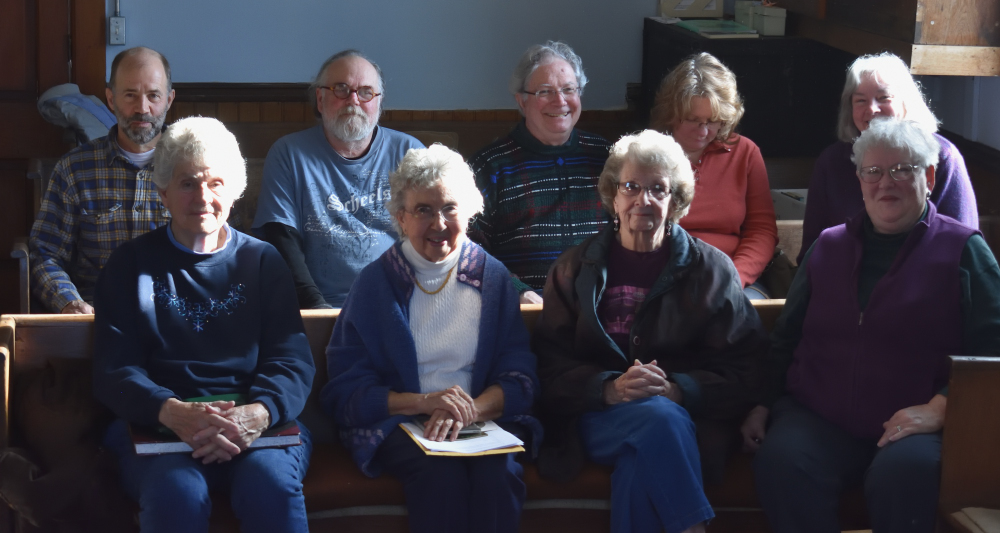
It is discouraging to see attendance of our Quaker meeting diminish as Friends die or move away, and few new people join. Many Friends do justice work, but that is often unseen by people in the community. This is a time of great spiritual poverty, and Quaker meetings for worship could be what some seekers are looking for. For seekers to find us, we need to be seen in our communities. And doing justice work is a way for that to happen.

The reason I’m thinking about all this now is because a group of us will be meeting with Senator Ernst’s staff in Des Moines to talk about the Truth and Healing Commission on Indian Boarding School Policies in the United States Act (S. 2907/H.R. 5444).
(See: https://quakersandreligioussocialism.com/2022/08/29/practicing-hope/)

There is a web of interrelationships among Native and non-native peoples in the Midwest that presents opportunities to work together to learn and publish the truth about Indian Boardings Schools. There are parts of this that are only appropriate for each community to work on separately. But hopefully these Congressional visits will be the beginning of further work together.

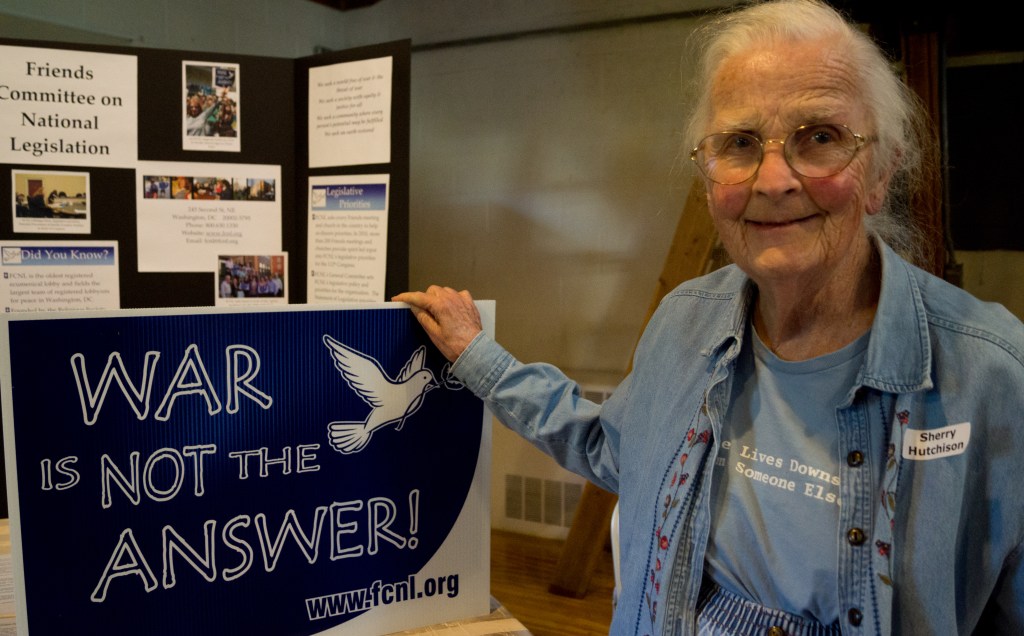
This began with an appeal from Friends Committee on National Legislation (FCNL) for us to ask our Senators to support that legislation (S. 2907). And specifically, to do this during their current recess when they would be in Iowa.

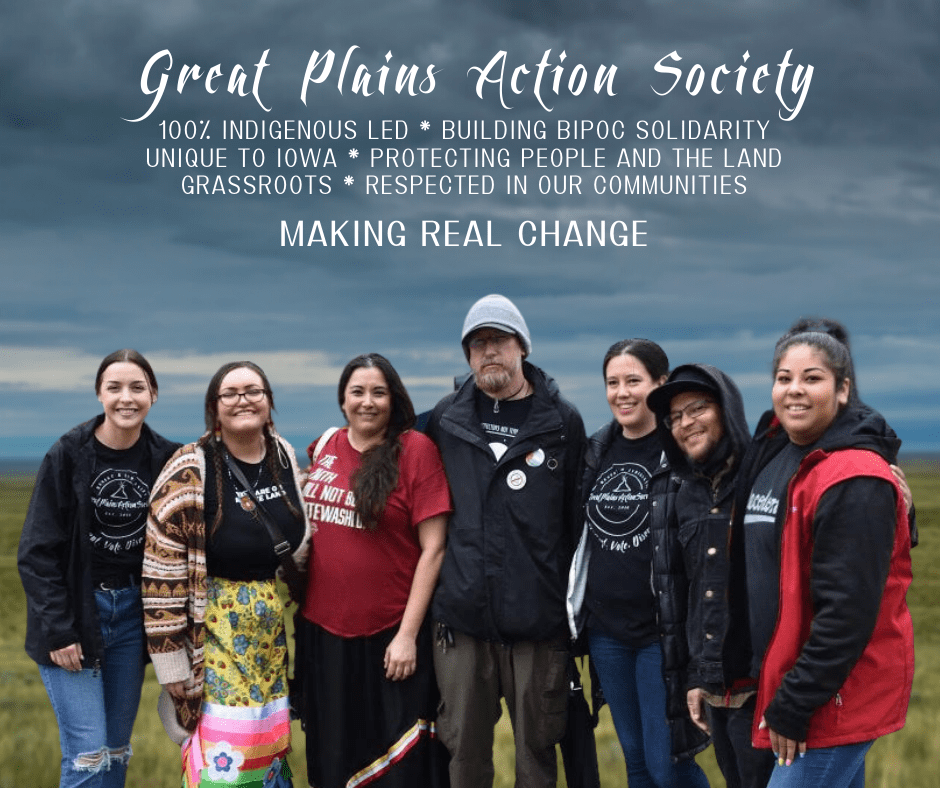
I know my friend Sikowis Nobiss is interested in supporting legislation related to Native Americans, so I contacted her about this. She put me in touch with Jessica Engelking, who is also part of the Great Plains Action Society. Fortunately, I met Jessica when we were attending the Buffalo Rebellion conference recently. Some of the networking that occurred there. Others at that conference included my friends Peter Clay, Sikowis, Mahmud Fitil, Ronnie James, Miriam Kashia and Jake Grobe.

When Jessica asked what Quakers have been doing related to our role in some of the residential schools, I shared FCNL’s decades of advocacy for Native Americans. We began to work together to arrange visits to our Senators about the truth and healing commission act, and included Jessica Bahena, FCNL’s National Organizer, who is FCNL’s contact related to this legislation in our planning.

Over the past several years there have been changes in how I do justice work. What hasn’t changed is the I’ve tried to be obedient to what the Spirit is telling me to do.

Most of my life I did justice work within the framework of Quaker meetings, communities, and organizations, such as FCNL. For about 8 years I was clerk of Iowa Yearly Meeting (Conservative)’s Peace and Social Concerns Committee. At our annual sessions a month ago, someone else took over that responsibility.

The Quaker involvement in the Indian Boarding Schools has long been a concern of mine. When I learned about this appeal from FCNL, I wanted to work on that. But no longer being on the Peace and Social Concerns Committee, I wasn’t thinking about working in the context of that committee, although I did contact the clerk of the committee in case they wanted to become involved.


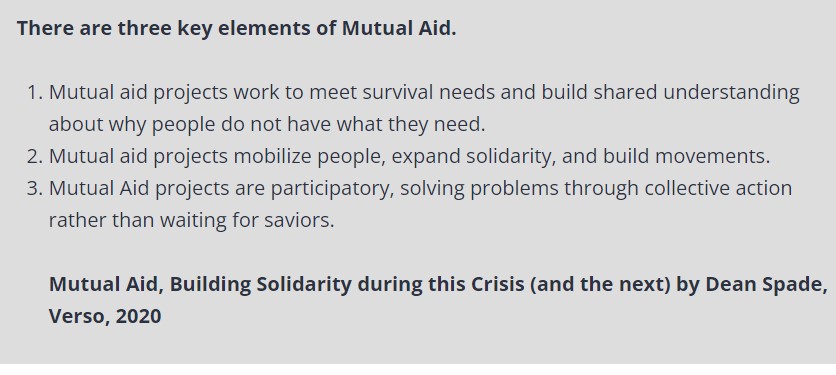
Mutual Aid

For the past two years I’ve been working in the Des Moines Mutual Aid community. This has answered a deep need in my life to find accomplices who are doing justice work in a way that focuses on root causes of injustice and builds community. (See: Mutual Aid PDF)

I’d like to explore the possibility of Native Americans and White people working together on these traumatic problems. At first, I thought the Mutual Aid part would just be an interesting possibility to frame this work, but the more I think about it, the more important I think it could be, for making our work together avoid the problems of hierarchy, who’s in charge.

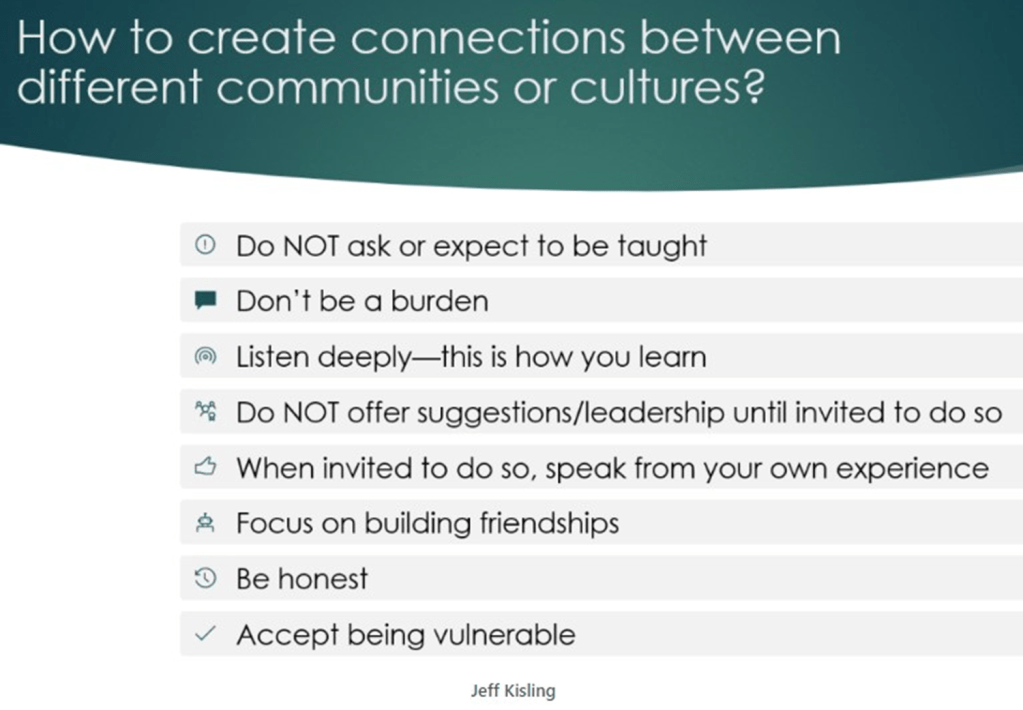
Mutual Aid

It is common to feel vulnerable when we meet new people, in new organizations and communities. But we need to venture out of our meetinghouses more often. I’ve been blessed to have found numerous communities to work with over the years. What follows are guidelines I’ve discovered that can help you as you begin to work with other communities or cultures.


Foundational stories: Finding accomplices

“There’s nothing more radically activist than a truly spiritual life. And there’s nothing more truly spiritual than a radically activist life.”

Brian McLaren, Naked Spirituality

At the dawn of a new day, I listen to hear what I will write. I did not expect to be writing about accomplices today. But as I prayed about the next episode of this series of foundational stories, I am trying to express what or who I was looking for when I retired and moved back to Iowa (2017).

This quote immediately came to mind. “Destroy” might sound extreme, but the author is one of the most nonviolent people I know.

Randomly passing an accomplice on the street and throwing up a fist at each other as we go our separate ways to destroy all that is rotten in this world will never fail to give me extra energy and a single tear of gratitude for what this city is creating.

Mutual Aid friend

I leave the author unnamed because we never know what the authorities will use against us. I include myself in this by saying “against us“. I say Mutual Aid friend because we are both involved in a Mutual Aid community, which means we all support each other.

Although accomplice is defined as a person who helps another commit a crime, the meaning in the quote is more like associate or collaborator.

Or is it?

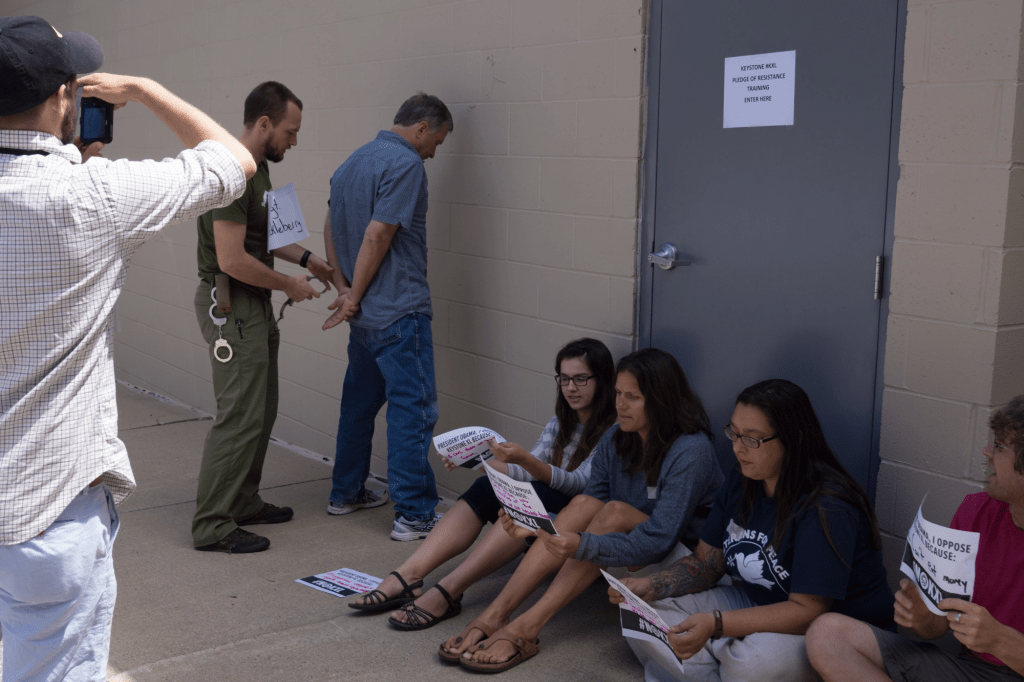
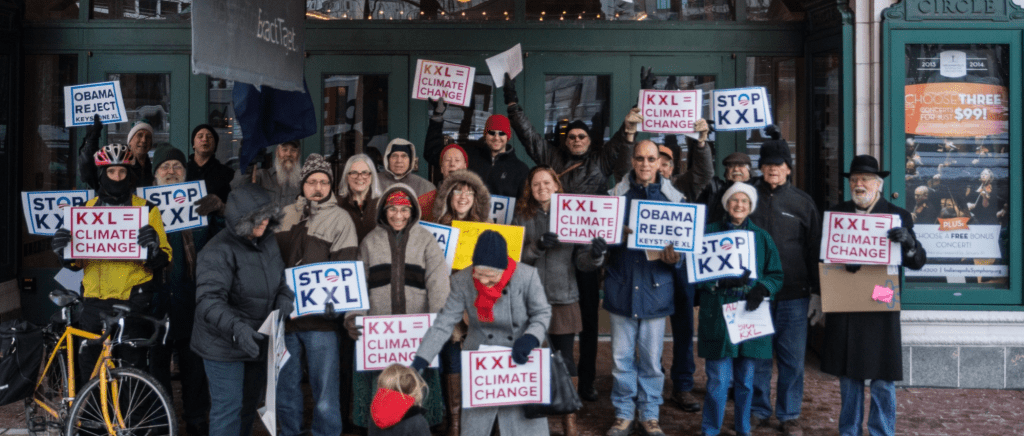
Nonviolent civil disobedience most often involves intentionally committing a crime. I previously wrote about being trained as a trainer for nonviolent direct actions, i.e. the Keystone Pledge of Resistance. And being prepared to break the law by blocking the doors of the Federal building in downtown Indianapolis, if necessary, to try to stop the construction of the Keystone XL pipeline.

I intentionally broke the law when I resisted the draft.

And there is the whole question of what is legal and who determines that? Legality and justice are not the same. Laws often enforce injustice, protecting the status quo.

The Doctrines of Discover gave permission to steal the land from and kill indigenous peoples all over the world. Manifest destiny said the expansion of white settlers across the land was justified and inevitable. There is the institution of enslavement. Forced assimilation.


…Under a government which imprisons any unjustly, the true place for a just man is also a prison. The proper place to-​day, the only place which Massachusetts has provided for her freer and less desponding spirits, is in her prisons, to be put out and locked out of the State by her own act, as they have already put themselves out by their principles. It is there that the fugitive slave, and the Mexican prisoner on parole, and the Indian come to plead the wrongs of his race, should find them; on that separate, but more free and honorable ground, where the State places those who are not with her, but against her — the only house in a slave State in which a free man can abide with honor. If any think that their influence would be lost there, and their voices no longer afflict the ear of the State, that they would not be as an enemy within its walls, they do not know by how much truth is stronger than error, nor how much more eloquently and effectively he can combat injustice who has experienced a little in his own person. Cast your whole vote, not a strip of paper merely, but your whole influence. A minority is powerless while it conforms to the majority; it is not even a minority then; but it is irresistible when it clogs by its whole weight. If the alternative is to keep all just men in prison, or give up war and slavery, the State will not hesitate which to choose. If a thousand men were not to pay their tax-​bills this year, that would not be a violent and bloody measure, as it would be to pay them, and enable the State to commit violence and shed innocent blood. This is, in fact, the definition of a peaceable revolution, if any such is possible. If the tax-​gatherer, or any other public officer, asks me, as one has done, “But what shall I do?” my answer is, “If you really wish to do anything, resign your office.” When the subject has refused allegiance, and the officer has resigned his office, then the revolution is accomplished. But even suppose blood should flow. Is there not a sort of blood shed when the conscience is wounded? Through this wound a man’s real manhood and immortality flow out, and he bleeds to an everlasting death. I see this blood flowing now…

Henry David Thoreau

I hope the foundational stories I’ve written thus far illustrate that what has been meaningful for me is to find people and communities who act instead of just talk. I was looking for such people and organizations to work with when I moved to Iowa. I’m blessed to have been led to them.


Foundational stories: Spiritual Warriors

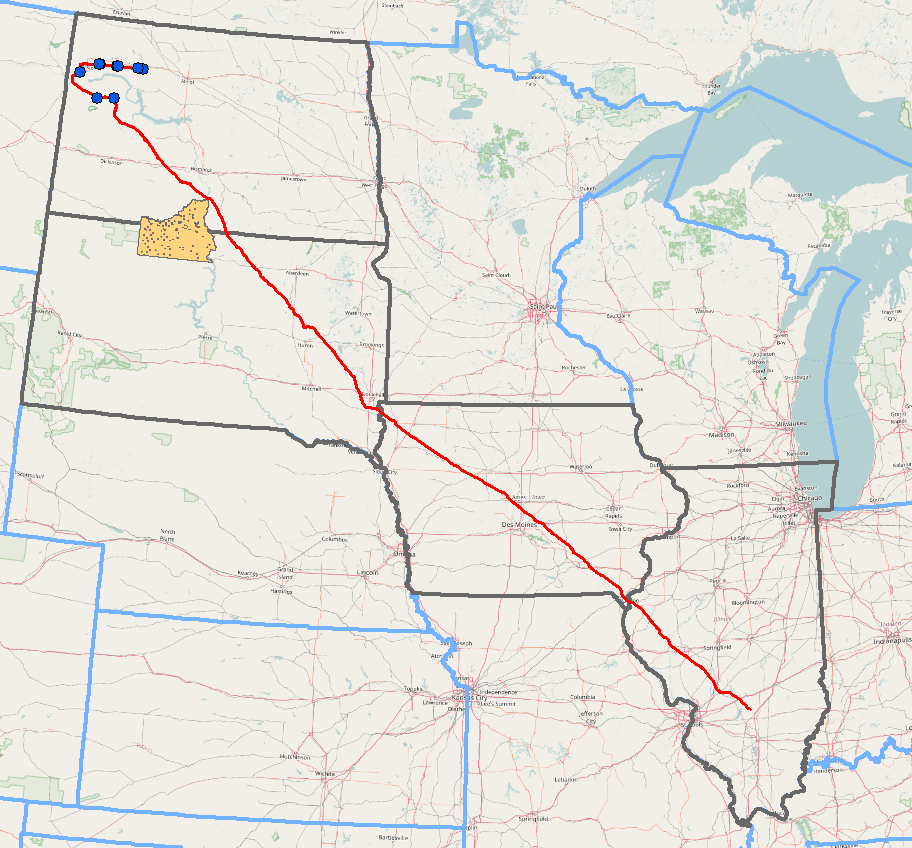
The Keystone pipeline resistance ended with President Obama’s denial of the pipeline’s permit. But then we began to hear about the construction of the Dakota Access Pipeline (DAPL). In one of the most transparent, egregious examples of environmental racism, the route of the pipeline was changed when people in Bismarck, North Dakota, objected to the original plan for DAPL to cross the Missouri River just upstream from them, fearing contamination of their water. So, the route was changed to cross beneath Lake Oahe (Missouri River), at the edge of the border of the Standing Rock Indian Reservation (orange in the map below).

By NittyG – Own work, CC BY-SA 4.0, https://commons.wikimedia.org/w/index.php?curid=52776844

Dakota Access Pipeline route (Standing Rock Indian Reservation is shown in orange)

That new route stimulated months of prayers and ceremonies by hundreds of Native American tribes and thousands of people.

By late September, (2016) NBC News reported that members of more than 300 federally recognized Native American tribes were residing in the three main camps, alongside an estimated 3,000 to 4,000 additional pipeline resistance demonstrators. Several thousand more gathered at the camps on weekends.[7][34][35]

Dakota Access Pipeline protests

DAPL support begins in Indianapolis

In a recent post (Keystone Pledge of Resistance) I described how Jim Poyser, Ted Wolner, and I were trained to design peaceful, nonviolent civil disobedience actions. And how we trained about fifty people in Indianapolis to participate in such actions.

A Spirit-led connection was made when Jim was talking with Joshua Taflinger about the Dakota Access Pipeline (DAPL). Jim lived near Joshua’s White Plains Wilderness Academy. Joshua wanted to know what he could do locally to bring attention to the Dakota Access pipeline. I say ‘bring attention’ rather than protest, because one of the first things I learned from those opposing DAPL was the difference between protesting and being a water protector.

Water protector was about an integral, Spiritual connection with Mother Earth, and all things human and nonhuman.

Bringing attention to the Dakota Access pipeline (DAPL) in downtown, Indianapolis

Jim told Joshua about the Keystone Pledge of Resistance, and those of us who had been trained to organize public gatherings and actions. And told Joshua we would be glad to support similar efforts to call attention to the dangers of DAPL. We were all excited about helping Joshua and White Plains Wilderness Academy, glad our experience could be useful.

Before getting into what we did related to DAPL, I’d like to express how working with Joshua and his wife Brandi, made me aware of the concept of spiritual warriors.


It may seem odd for a Quaker to speak about warriors. But what I mean by warriors is what Chief Sitting Bull said.

For us, warriors are not what you think of as warriors. The warrior is not someone who fights, because no one has the right to take another’s life. The warrior, for us, is one who sacrifices himself for the good of others. His task is to take care of the elderly, the defenseless, those who cannot provide for themselves and above all, the children, the future of humanity.

Chief Sitting Bull

Warriors today are forging different ways to live together, returning to Indigenous ways to live in community. Mutual Aid is an alternative to our broken systems. Members of Mutual Aid communities are working for the abolition of police and prisons. To escape the colonial capitalist system. Feeding the hungry and finding shelter for the houseless. Collecting clothing.


The following from Joshua, is another example of radically rethinking our stories.

I am inspired to share with you all more directly a post I wrote, because I consider you an established and effective nature/spiritual warrior and believe that there is a need for the perspectives shared in the attached post to be more common thought in the minds of the many.

If you feel truth from this writing, and are inspired, I highly encourage you to re-write your own version, in your own words/perspectives, and post to your network.

With the intention of helping us all wake up, with awareness, clarity, and direction.

..spreading and weaving reality back into the world….

What has risen to the surface at Standing Rock is a physical/spiritual movement. Learn how to quiet your mind. To find the silent receptive space to receive guidance. To learn to adapt and follow the pull of synchronicity to guide you to where you will find your greatest support and strength.

What I have found in my time praying in the indigenous earth-based ways, is that it’s not about putting your hands together and talking to God…. It’s about quieting and connecting with the baseline of creation, of nature. Tuning into the frequency and vibration of the natural world, the nature spirits. The beings and entities that have been in existence, for all of existence, the examples and realities of sustainability and harmony.

It’s about becoming receptive to these things. Being open and flowing with them. The spirit guides us, but we have to make ourselves receptive to feel, sense, and respond to this guidance.

Joshua Taflinger


Each Warrior of the Light contains within him the spark of God. His destiny is to be with other Warriors, but sometimes he will need to practice the art of the sword alone; this is why, when he is apart from his companions, he behaves like a star. He lights up his allotted part of the Universe and tries to point out galaxies and worlds to all those who gaze up at the sky. The Warrior’s persistence will soon be rewarded. Gradually, other Warriors approach , and they join together to form constellations, each with their own symbols and mysteries. 

Coelho, Paulo. Warrior of the Light: A Manual (p. 89). HarperCollins. Kindle Edition


There comes a time when all life on Earth is in danger. Great barbarian powers have arisen.

Although these powers spend their wealth in preparations to annihilate one another, they have much in common: weapons of unfathomable destructive power, and technologies that lay waste our world. In this era, when the future of sentient life hangs by the frailest of threads, the Shambhala warriors appear.

The warriors have no home. They move on the terrain of the barbarian powers. Great courage is required, both moral and physical, for they must go into the heart of the barbarian powers to dismantle their weapons, into the places where the weapons are created, into the corridors of power where decisions are made.

The Shambhala warriors are armed only with the weapons of compassion and insight. Both are necessary. Compassion gives them the energy to move forward, not to be afraid of the pain of the world. Fueled by compassion, warriors engage with the world, step forward and act. But by itself compassion burns with too much passion and exhausts us, so the second weapon is needed — insight into the interdependence of all phenomena.

With that wisdom we see that the battle is not between “good guys” and “bad guys,” because the line between good and evil runs through every human heart. And with insight into our profound interrelatedness, we discern right action, knowing that actions undertaken with pure intent have repercussions throughout the web of life, beyond what can be measured or discerned.

Together these two weapons sustain the warriors: the recognition and experience of our pain for the world and the recognition and experience of our radical interconnectedness with all life.

Adapted from Dugu Choegyal, as recounted by Joanna Macy


The Spiritual Warrior is a person who challenges the dreams of fear, lies, false beliefs, and judgments that create suffering and unhappiness in his or her life. It is a war that takes place in the heart and mind of a man or woman. The quest of the Spiritual Warrior is the same as spiritual seekers around the world.  

www.toltecspirit.com/four-agreements/characteristics-of-a-spiritual-warrior/.


HOW ACTIVISM LABOUR DEFIES CAPITALISM

It only takes one doom scroll through social media to see there is no shortage of injustice in the world. But there is also no shortage of people who have dedicated themselves to dismantle systems of violence and advance justice through activism.

With how deeply entrenched injustice is in our society, the work to dismantle injustice is a full-time job. Despite the hours put in, this job does not fit a capitalist and colonial view of labour.

HOW ACTIVISM LABOUR DEFIES CAPITALISM By Gabriela Calugay-Casuga, Rabble.ca., August 9, 2022

I’m intrigued to have come across the idea of Community Supported Organizer (CSO) this morning.

I’m so often impressed by the dedication, sacrifice and skills of my friends involved in activism. I learn about some of the things they are involved in when I’m at our (Des Moines Mutual Aid) weekly food giveaway. This networking is one of the advantages of being involved in this community. The following summary describes some of what has been accomplished by Des Moines Mutual Aid over the past two years.

Ronnie James

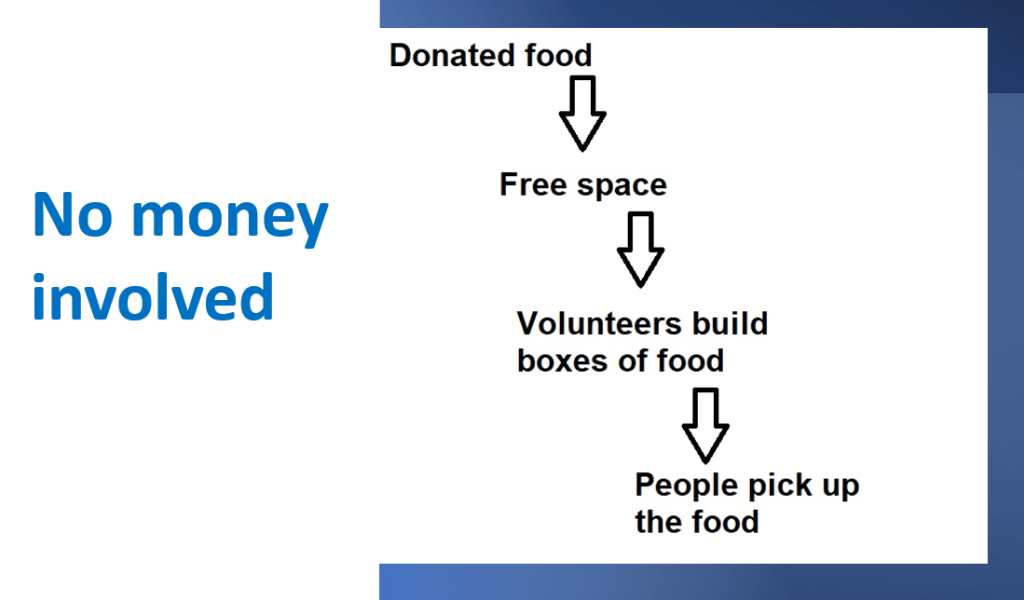
One of the basic principles of Mutual Aid is to replace the capitalist economic system. The following shows no money is involved in our food distribution project. Of course, someone pays to make the food that is donated. But this is food that would otherwise not be used. In a local community it is possible to have the food produced without money when the farmers are supported in nonmonetary ways by the community.


But as we work to replace capitalism, we remain in that economic system for the time being.

In this context of social isolation and forced dependency on hostile systems, mutual aid— where we choose to help each other out, share things, and put time and resources into caring for the most vulnerable— is a radical act.

Dean Spade. Mutual Aid: Building Solidarity During This Crisis (and the Next) (Kindle Locations 119-120). Verso.

Mutual Aid Will Help Communities Thrive

Part of the answer is community care and mutual aid, according to Jones. She said that many mutual aid networks popped up during the pandemic, but this type of support can continue outside of COVID-19 lockdowns. She said that every person has different capacities and needs. Finding the ways those capacities and needs fit together will create a support system that can continue to dismantle cycles of injustice.

Grove said that if every community does work to identify its needs, then folks in positions of privilege can come together to support those who do unpaid but necessary work.

“A lot of forest defenders lost their cars, lost their homes, lost everything because they saw that this is a fight worth fighting,” Grove said. “The next task was figuring out what the needs are of people that come off these frontlines. Sometimes it’s financial, like you just need to get a roof over your head.”

Jones said that mutual aid work also reveals that activism is not some exclusive thing that only a few people can engage in. Anyone can support the struggle for justice, Jones said.

“There’s this idea that there’s a class of people that ‘do activism,’” Jones said, “but that’s not a mass movement. A mass movement is when everybody has the skills and capacity, everybody is called upon to do what they can, everybody gives what they can, everybody is empowered and given the ability and resources to do that.”

HOW ACTIVISM LABOUR DEFIES CAPITALISM By Gabriela Calugay-Casuga, Rabble.ca., August 9, 2022


CSO = A New Model for Supporting Autonomous Agents of Change

Backbone Campaign’s Community Supported Organizer (CSO) pilot program is a nascent but promising innovation in funding social change work. Backbone designed this model to work similarly to Community Supported Agriculture (CSAs). CSAs create a stable funding source for local farmers through a synergistic relationship with community members who pledge support.  In return, the CSA member receive a share of the harvest and a deeper connection to the farm and the food they eat. We believe that the CSO model presents a new way to support our most talented change agents, establish meaningful connection to the work being done, and a deep pride in the harvest.

Being a CSO provides a way for a self-directed change agent to be innovative and responsive to emergent opportunities. They are not constrained by an organizational bureaucracy directed from afar.  They are not locked into an inflexible plan or narrow mission.  A CSO is accountable only to a diverse community of sustaining donors from whom they crowd source recurring donations. This community benefits from a CSO’s increased skill and capacity gained through their immersion in the work and their access to training, skill shares, reflection, mentorship and tactical tools that Backbone Campaign provides.  We all enjoy the harvest of accelerated positive change and mounting victories.

We believe that the CSO concept can help further empower autonomous activists and organizers around the country to dedicate themselves more fully to the work they are doing in their communities. This will help lead us faster to the positive and just changes we strive to see happen in our world.

Backbone Campaign


Patreon

I don’t know much about patreon, but have used it to support Matè Farrakhan Muhammad, co-founder of the Des Moines Black Liberation Movement.

TheBlackArtivist is the creative engine of Matè Farrakhan Muhammad, a Des Moines based activist and artist who co-founded the Des Moines Black Liberation Movement. TheBlackArtivist seeks to explore, educate, and radicalize us as human beings against the oppressive forces which seek to destroy our futures and steal our joy.

https://www.patreon.com/theblackartivist/posts


Vertical power

umair haque is the only author I read almost every day. He explores problems we face in more depth than other writers I’m aware of. Issues related to civilization, politics, economics, and our environment.

Still, I was surprised when a recent article focused on “vertical power“, and how that inevitably leads to authoritarianism. He defines “vertical power” as every stratum of society occupying its position on a hierarchy.

If you look closely at America, you will see a society of vertical power. One whose sole organizing force is vertical power. What do I mean by “vertical power”? I mean that every stratum of society occupies its position on a hierarchy, and each struggles to keep the next down, instead of lift any other up. Vertical power is power over, vertical power systems maximize power over — and so American life is now one great power struggle over the next person, everyone locked in mortal combat with everyone else.

Vertical power allows us only two rules in life. Punch the next person down, so they stay down. And obey the next person up, so they don’t hurt you.

Why America Collapsing Into Authoritarianism Was Inevitable by umair haque, Eudaimonia and Co, 8/7/2022

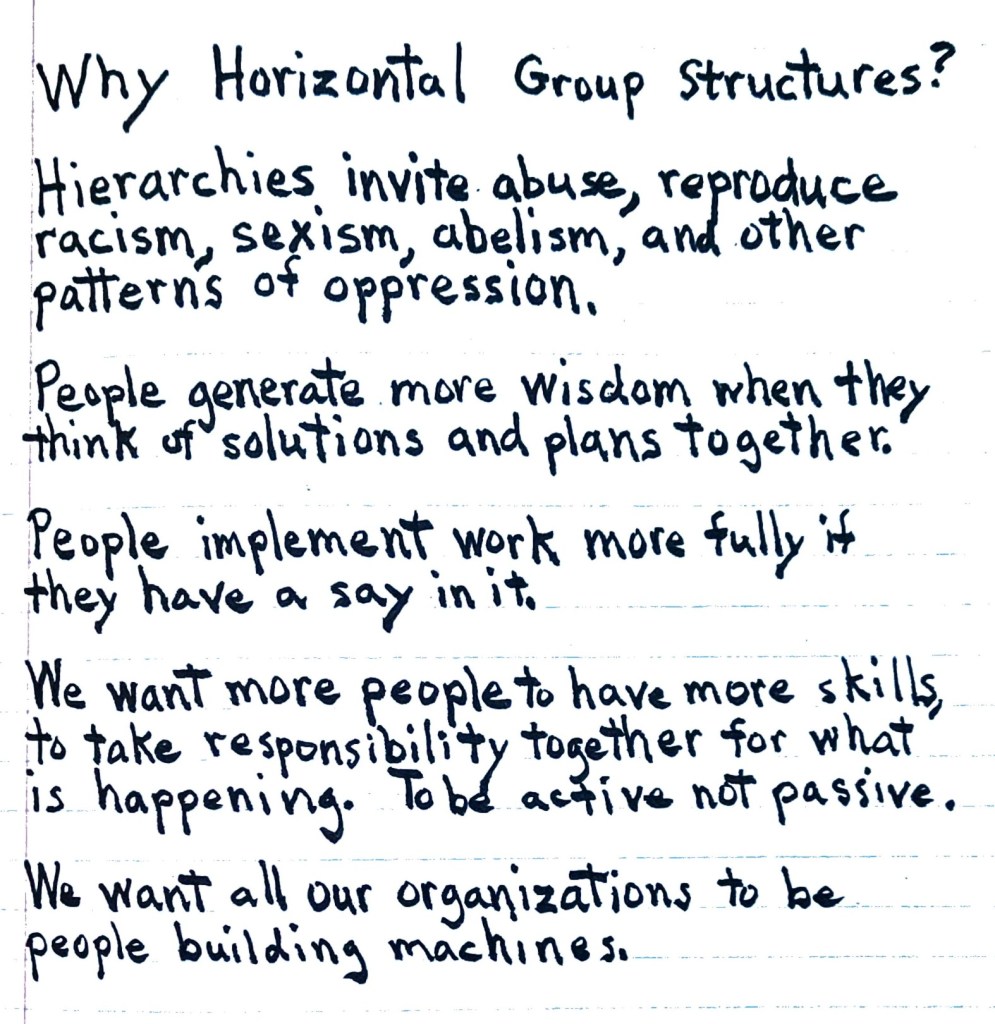
Those who know about Mutual Aid know it is based on escaping vertical hierarchies by building communities without such hierarchies. Communities described as having flat, horizontal, or no hierarchy.

Modern societies need a very different kind of power. Horizontal power. What is horizontal power? It is genuine self-governance and self-directedness. It is power to, power in, not power over. The power to realize one’s self, to fulfill one’s possibilities.

The problem is that America does not do horizontal power. It does not understand it, have any affinity for it, or believe that it can exist, really. It never has. It is deeply uncomfortable with the idea of horizontal power — precisely because it is so attached to its history of vertical power. Why don’t white people want black people to rise? Why don’t people in cities care about people in rural areas — and vice versa? Why don’t people lift each other up? America is obsessed with vertical power.

Why America Collapsing Into Authoritarianism Was Inevitable by umair haque, Eudaimonia and Co, 8/7/2022

As he says, this country is deeply uncomfortable with the idea of horizontal power. But Mutual Aid communities offer the opportunity to experience horizontal power. I have found participating in a Mutual Aid community fulfills a great yearning to do meaningful work with like-minded people. To build Beloved communities together.

When I first heard about Mutual Aid, I thought I would go to a local Mutual Aid project, the free food giveaway, just to see how that worked. Instead, I found the home I’d been looking for, and have returned nearly every Saturday morning since for the past two years.

Des Moines Mutual Aid
Ronnie James on Mutual Aid