
It’s difficult to not feel overwhelmed and deep despair. On top of everything else, it looks like a global civil war erupting between supporters of Israel and those of Palestine. I hope those reports are exaggerated. It’s hard to trust any type of media these days.
Although it might not seem much compared to living without food, water, shelter, power, and constant bombardment, awaiting a ground invasion, I’m deeply concerned about my friends and neighbors. For a long time, I’ve been aware of the impact of our own traumas. Isolation, increased rates of suicide, and giving up. There is a sense that things will only get worse on multiple fronts.
There are the usual calls to contact our Congresspeople, but they can’t even organize themselves, let alone listen to us.
I’ve been intrigued by this recent post, White men’s roles in anti-racism work: Rethinking the Hero’s Journey, Healing Minnesota Stories, Sept 25, 2023. The blog’s main author is Scott Russell, so I assume he wrote this.
He begins by saying “This essay is written for white men written by a white man. It’s a working draft. Comments welcome.” Keeping that in mind, I believe there are things he says that can be helpful to a broader audience, for those of us who struggle to find ways to work for justice. Who feel there isn’t anything we do that might make a difference.
The struggle to end racism and white supremacy is heroic work, but where do white men fit into the movement?
White men are at the top of the white supremacy hierarchy. It shouldn’t be surprising if some Black, Indigenous, and other people of color (BIPOC) don’t trust us.
Some might reasonably worry that asking white men to be heroes in this work would trigger ‘White Savior’ behavior, where a white man acts from a presumed position of superiority to “rescue” BIPOC.
That would be a big step in the wrong direction.
More white men are needed in the struggle against racism. I believe we can be anti-racism heroes, but it means undoing old programming and rethinking what it means to be a hero.
White men’s roles in anti-racism work: Rethinking the Hero’s Journey, Healing Minnesota Stories, Sept 25, 2023
The Hero’s Journey
I am trying to wake up to ways that my culture – including white supremacy and patriarchy – has shaped me, a white man born in the late 1950s. Growing up, I read comic books – Batman, Superman, Spiderman, Flash, the Green Lantern and more. I watched Gunsmoke on TV, in which Marshall Matt Dillon single-handedly dealt with the violence of the Old West.
They informed my understanding of a hero as a lone actor who rarely if ever asked for help.
…
These stories have a hallmark of white supremacy: Individualism.
In the end, it’s about one lone white guy (or white Hobbit) accomplishing a seemingly impossible task. In the three stories above, they save humanity.
Those stories have the hallmark of white supremacy: Individualism.
Rethinking the Hero’s Journey
The hero often doesn’t realize they need a challenge. Thus, they don’t know they must search for their own challenge. They need to be aware of friends and mentors who can shed some light and point them on a new path. This path has different challenges: more self awareness, self control, and compassion.
Who is a hero in this context? Someone who faces the truth, stays grounded, and doesn’t let himself get lost in either self criticism or defensiveness.
A hero takes risks, and has the integrity to admit mistakes.
I aspire to talk less and listen more.
A hero is humble.
Finding your power
The message of that blog post, the message I want to share with you, is we need to find where our particular talents connect with the justice work. This work is difficult enough to do without forcing yourself to do things you think you should do, but don’t excite you.
I was blessed to discover this early in my justice work, though it took some time to realize it. In my case, my passion is photography. In the PDF file below I go into this in great detail. But to summarize:
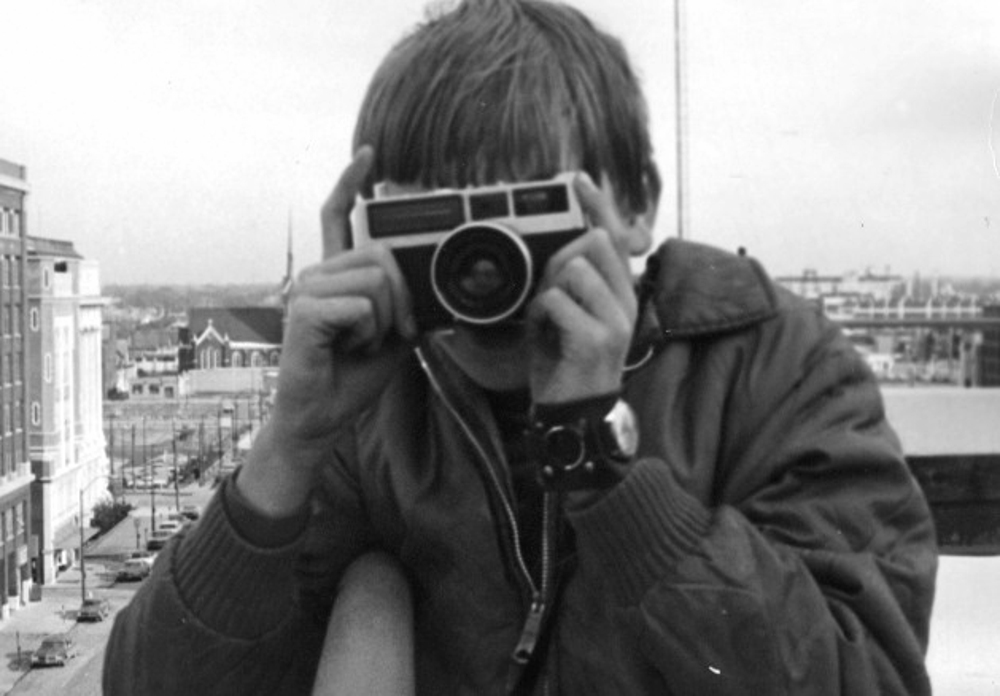
- I learned how to work in a photographic darkroom while in high school, Scattergood Friends School
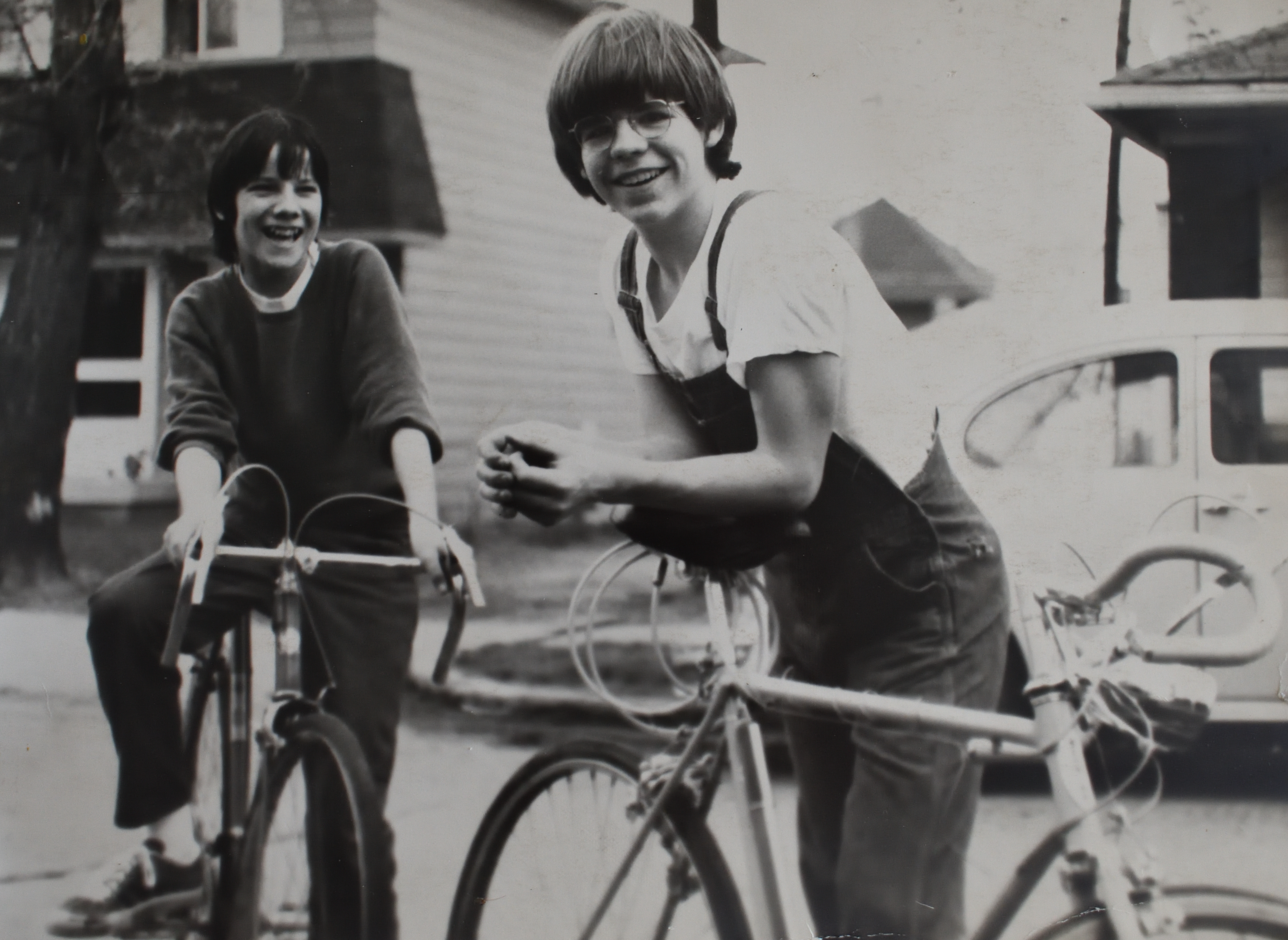
- At twenty years of age, I joined the Friends Volunteer Service Mission in inner-city Indianapolis, where I was led to work with kids. One of the things we did was ride our bicycles around the city, taking photos (35 mm film). Then we developed the negatives and printed the images in a bathroom darkroom
- My photos were published in a book about the new addition to the Indianapolis Central Library.
- Other photos were published on an Indiana state government website to attract filmmakers to the city.
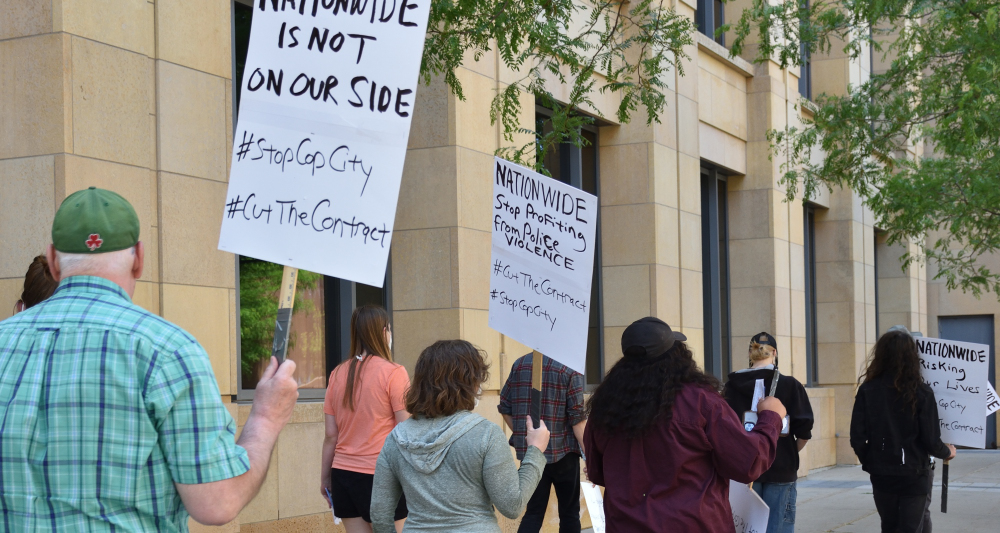
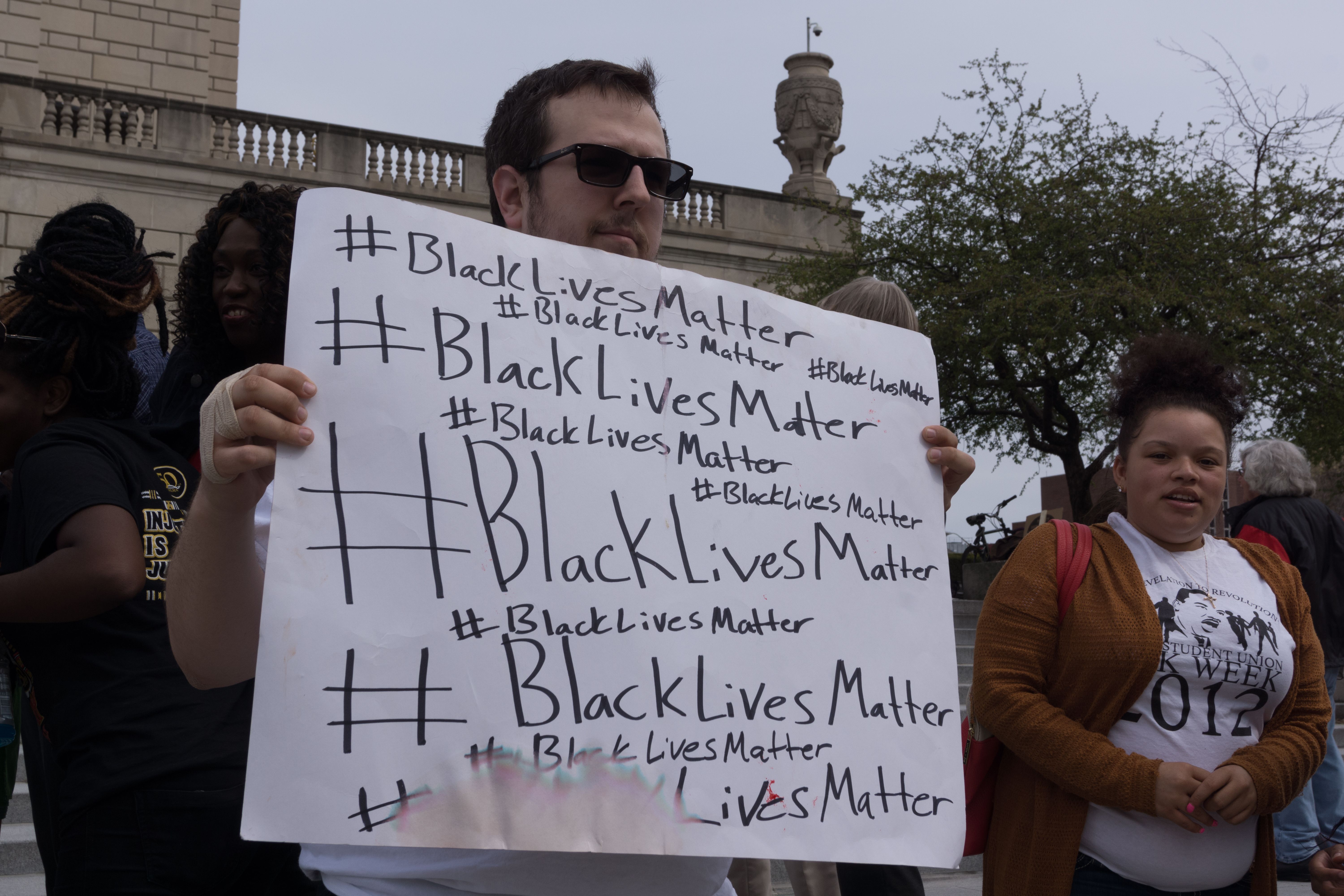
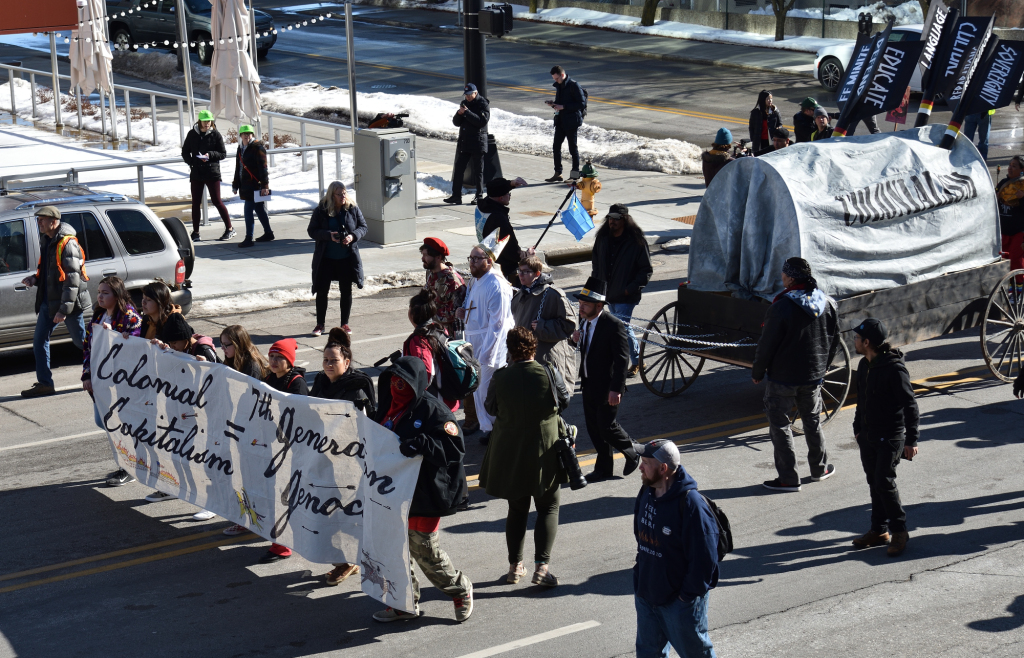
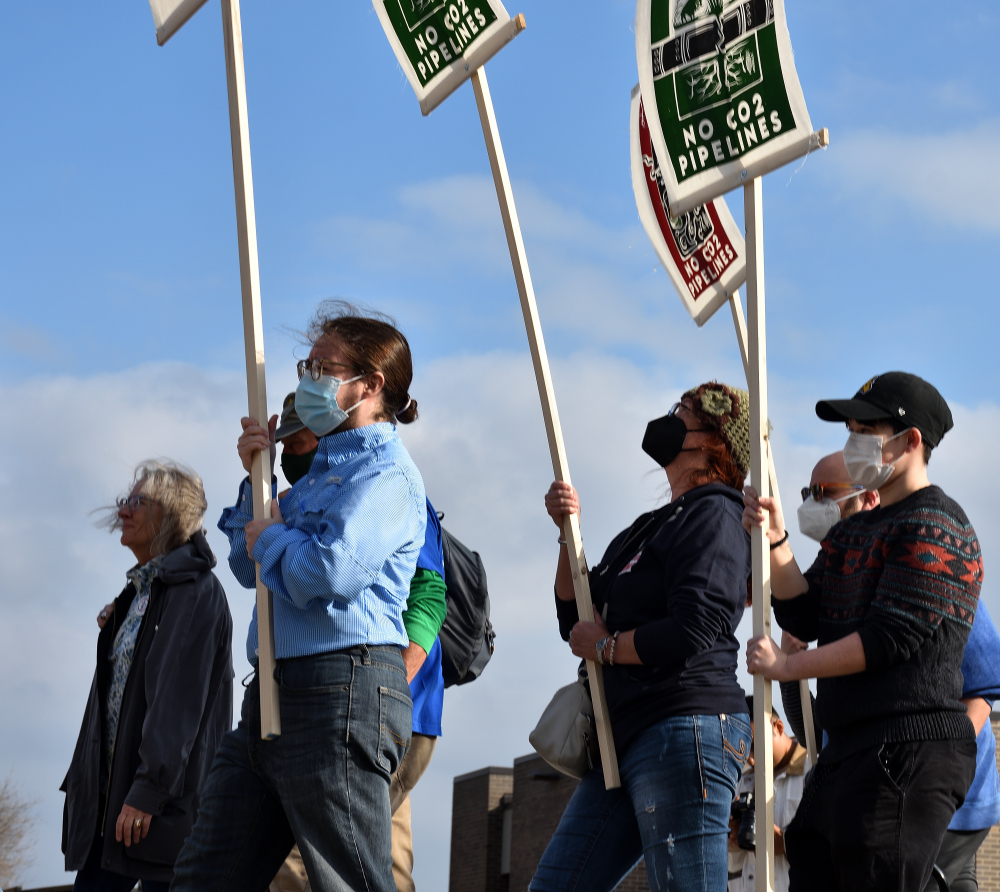
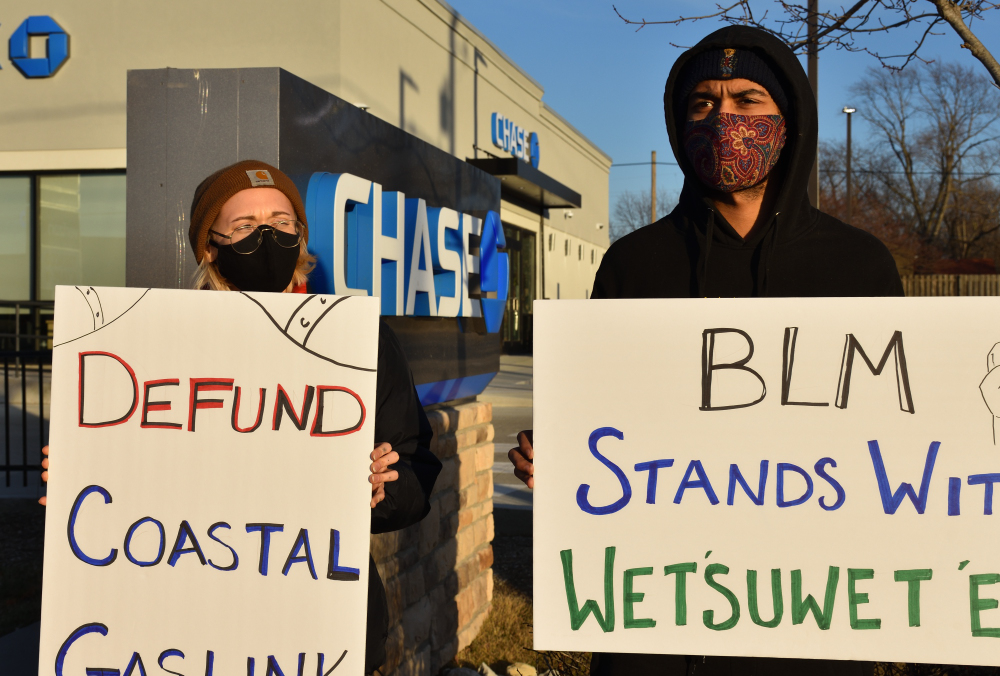
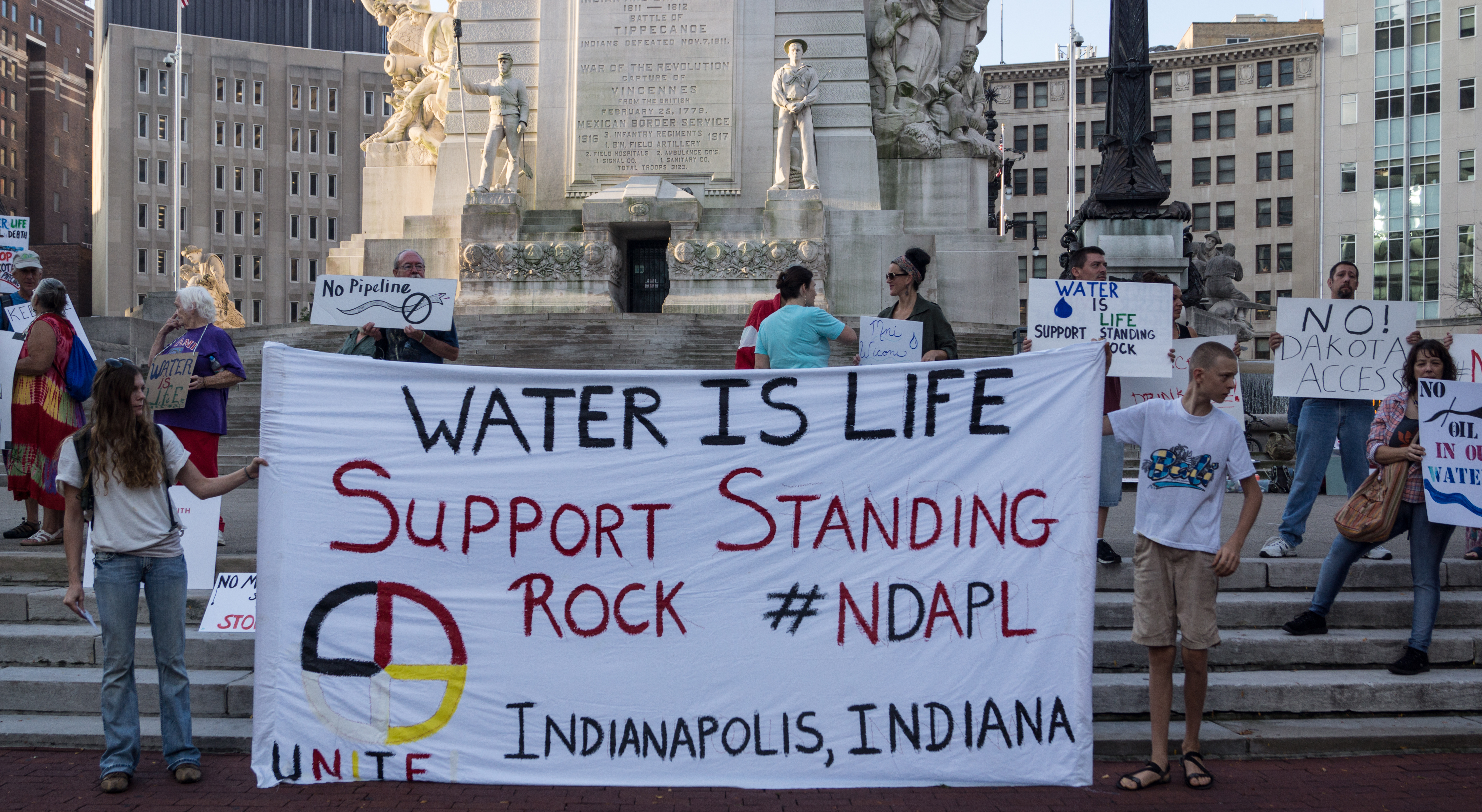
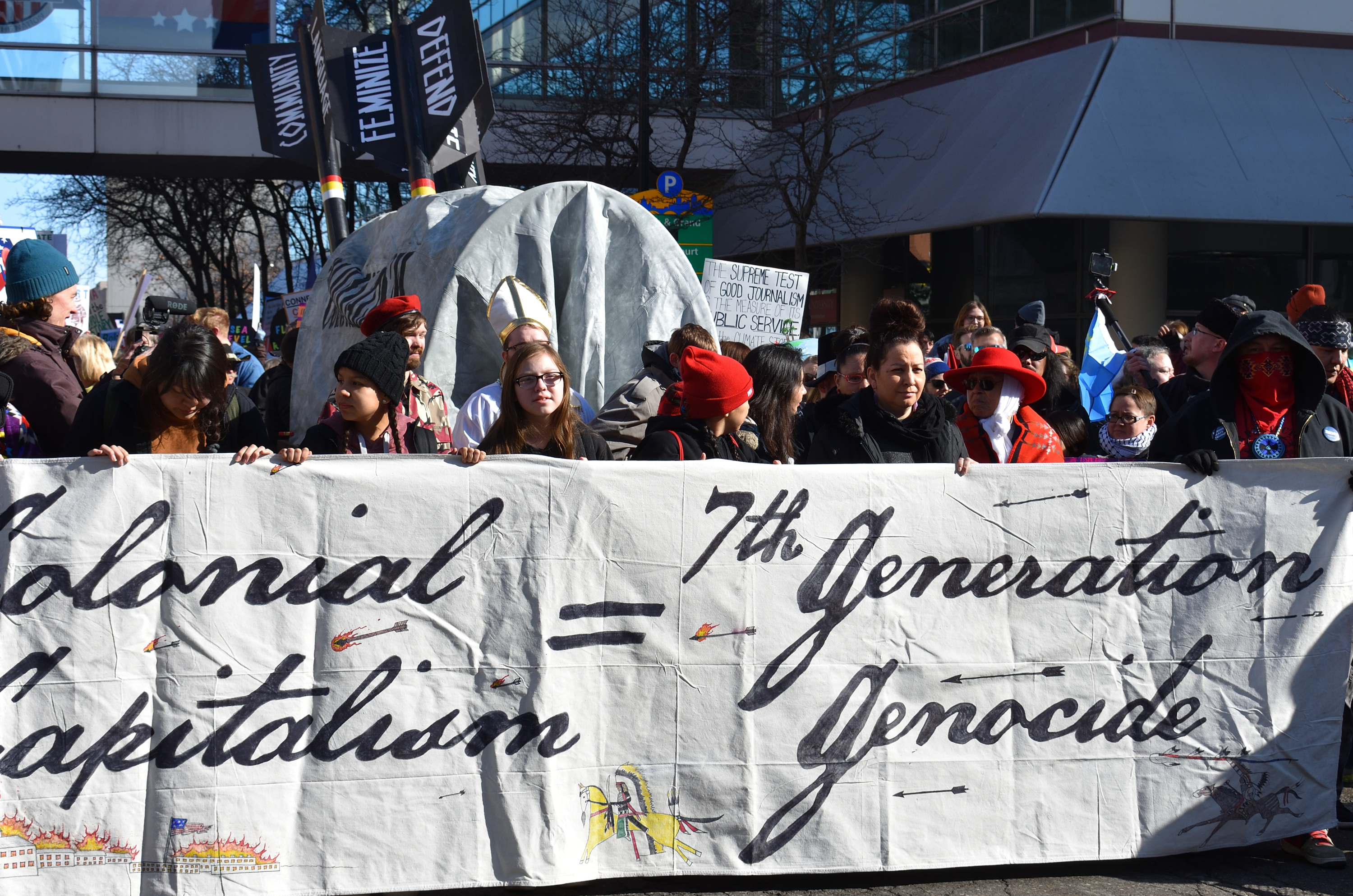
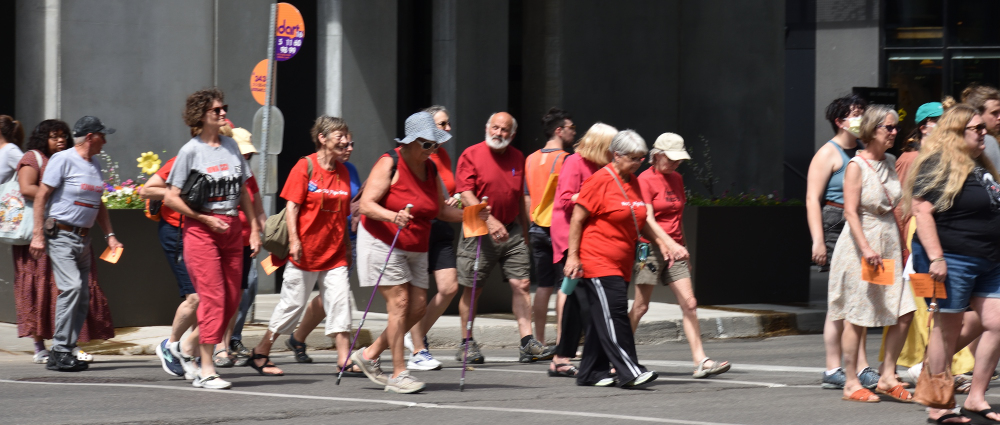
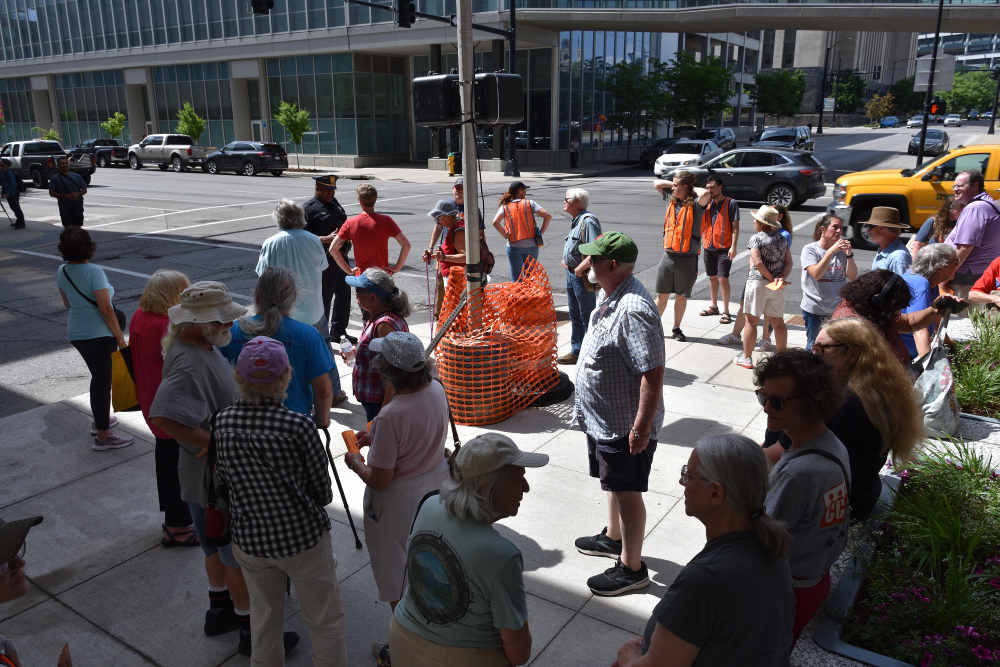
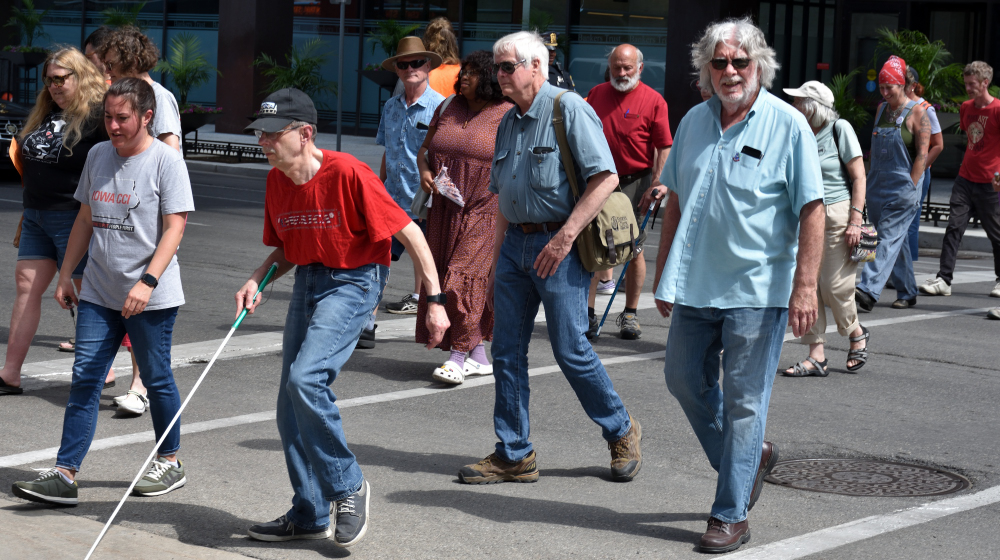
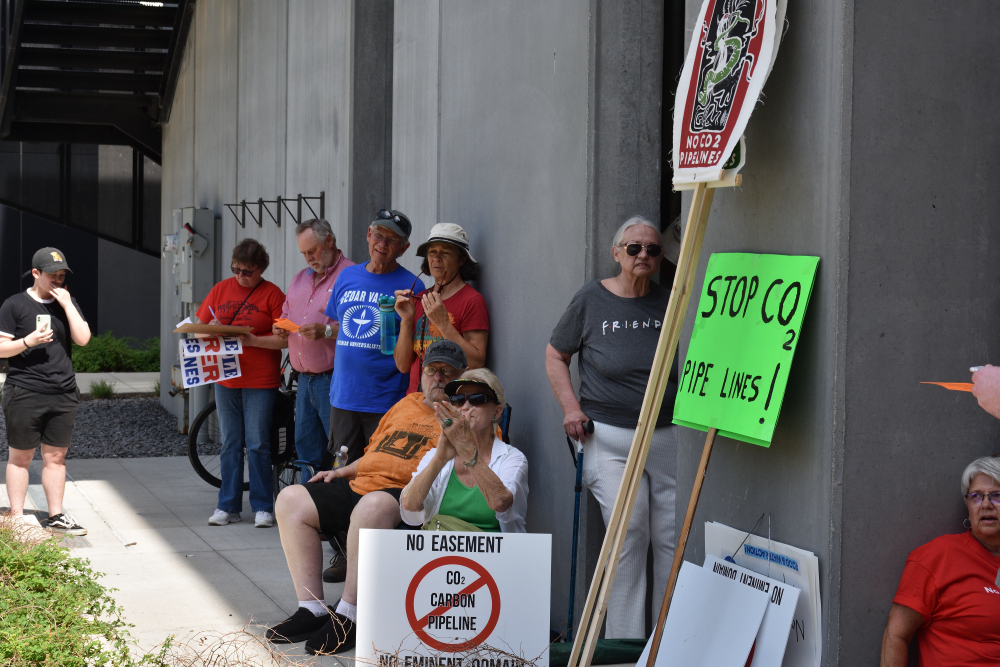
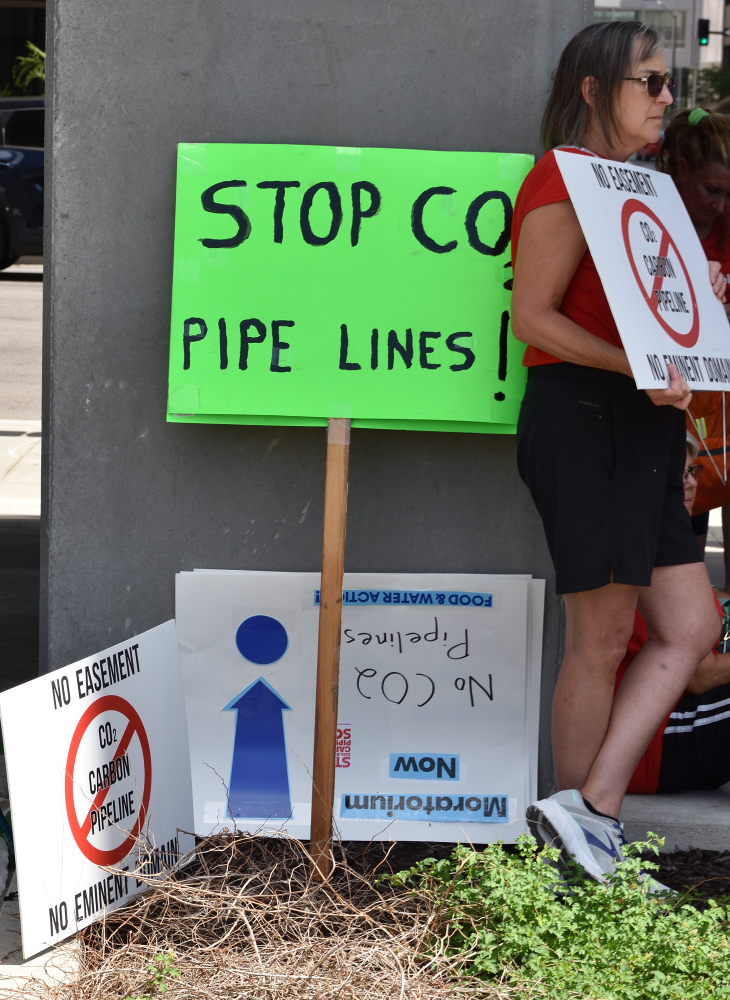
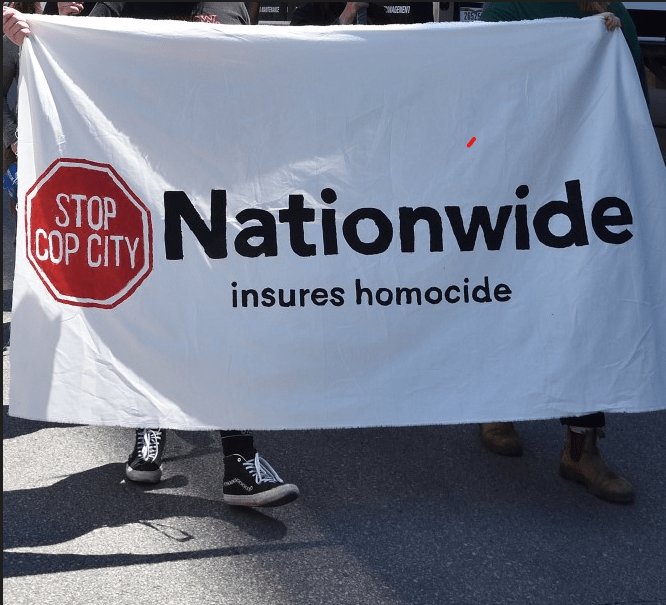
- I took and shared a lot of photos of public demonstrations related to the Keystone XL and Dakota Access pipelines in Indianapolis
- Working with the Kheprw Institute, a black youth mentoring community, I was asked to give photography classes.
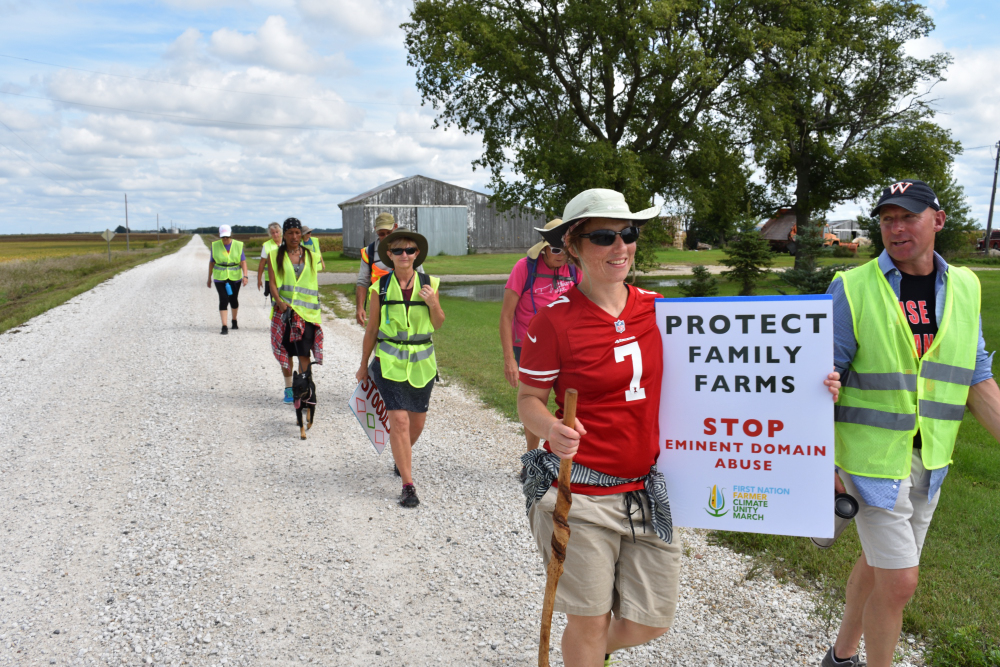
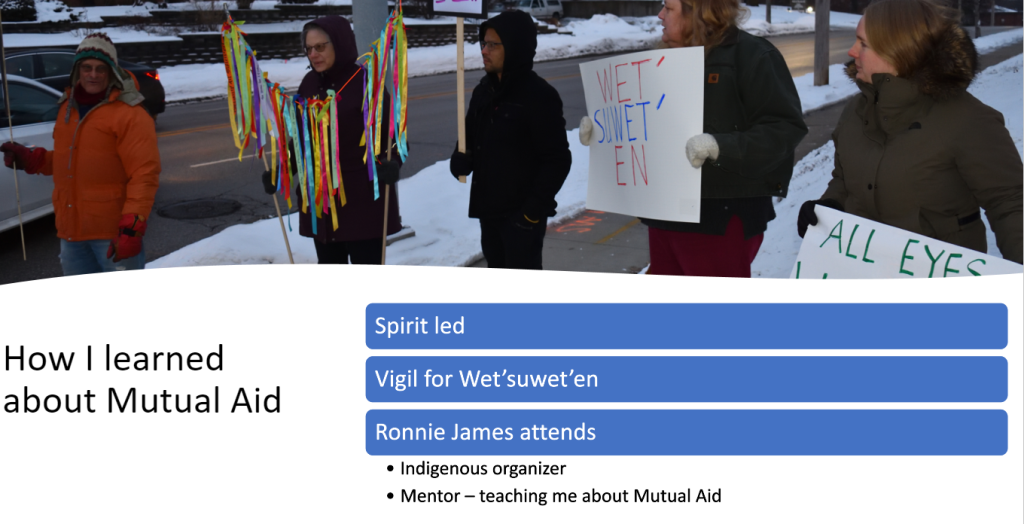
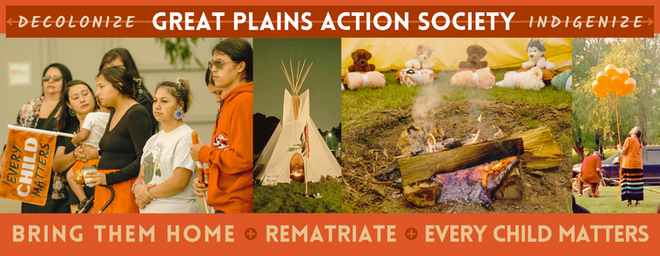
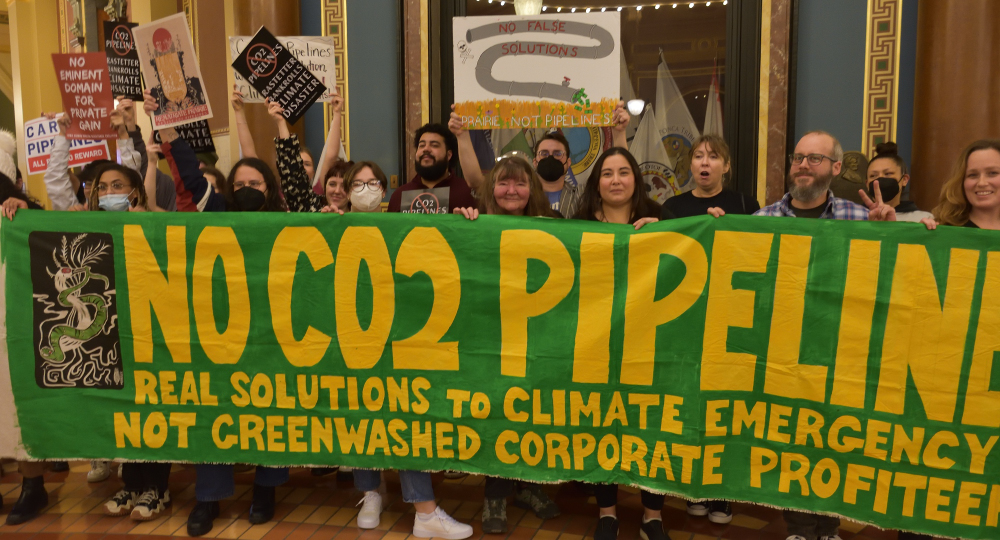
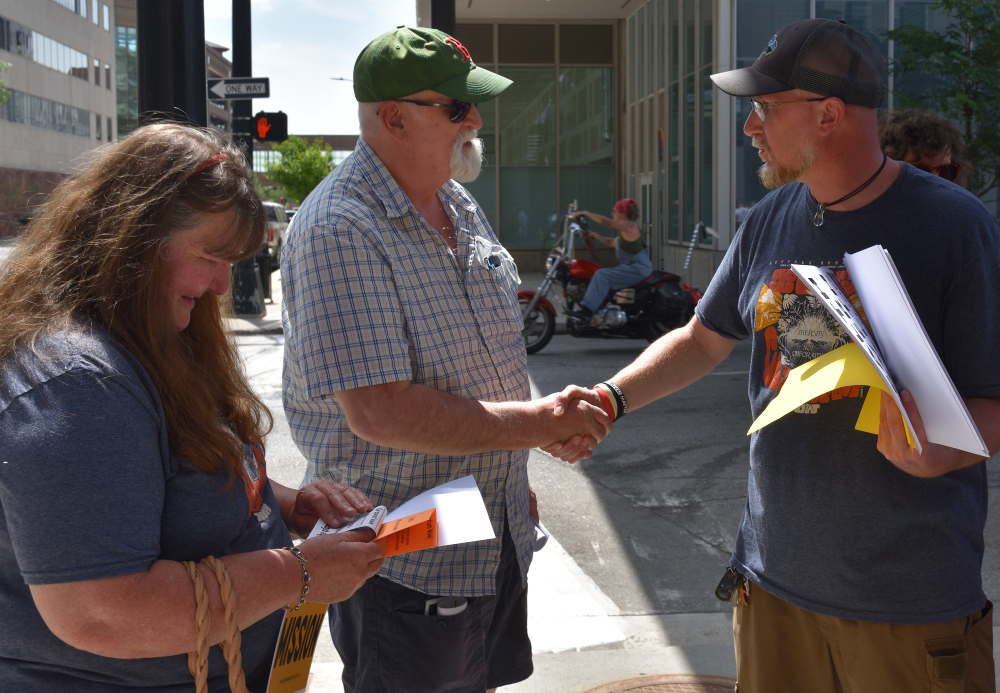
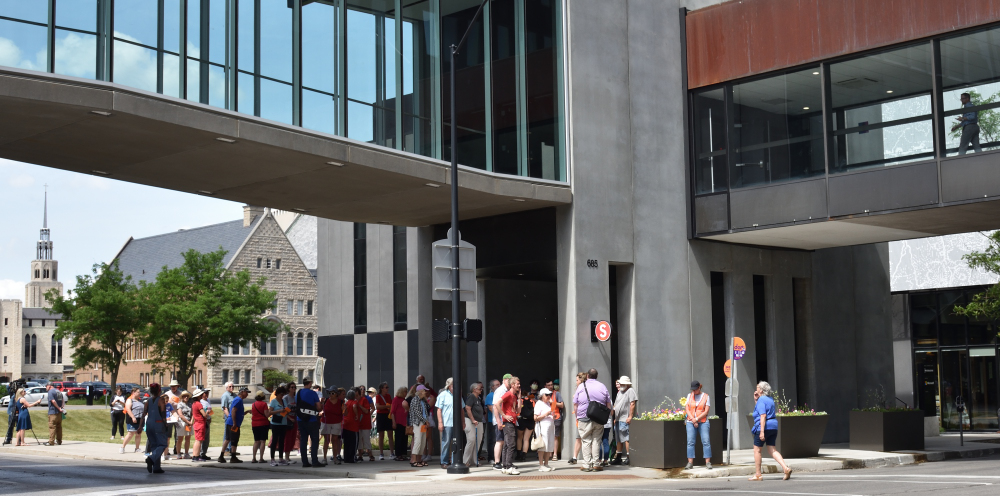
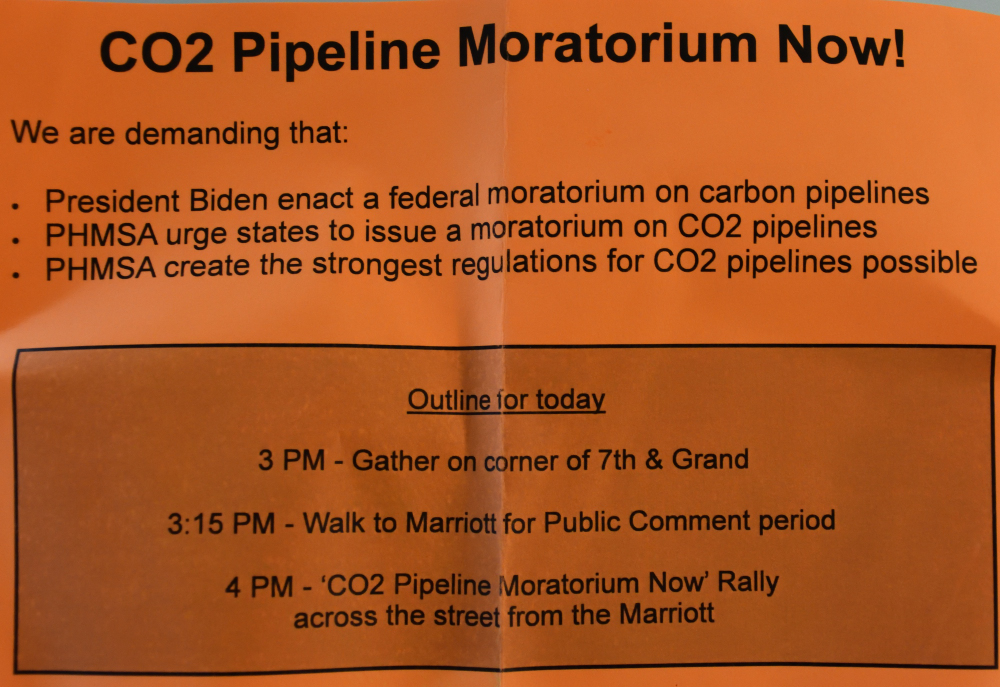
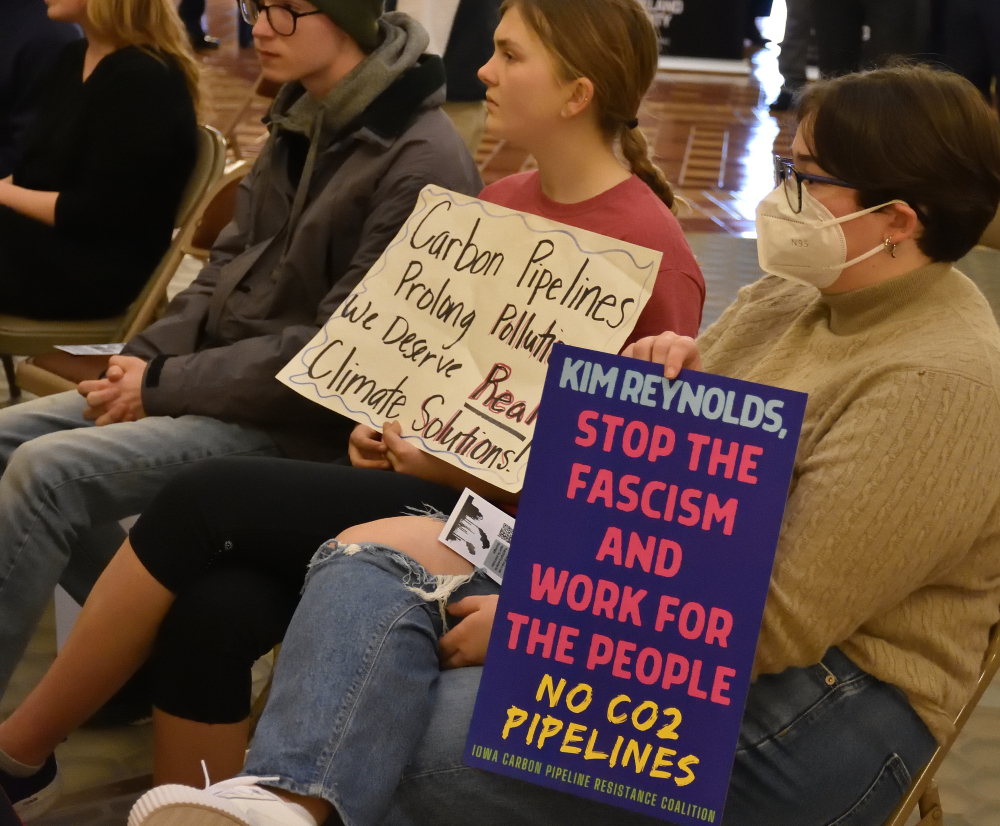
- I continued to take photos of similar events when I moved to Iowa. I was honored when my justice advocate friends began to ask me to come to their/our events in order to document them.
I found my power in photography. I urge you to focus on what your power is. You already have your power, but you might not be seeing it in this context. If you don’t love what you are doing, you should make a change.
This is the story, not yet complete, of my journey related to justice and photography.


































 Quakers and Mutual Aid