There are times when I question what I am focusing on. Each morning I sit in prayer and silence, trying to hear what I should write.
Sometimes, as with this series on transformative mutual aid practices (T-MAPs) a series of articles flow from an initial leading. And sometimes, in the middle of such a series, I’ll question how I got here. Who already knows about T-MAPs? Is this useful to anyone else? This is one of those times I take it on faith that this is what I’m led to do at this time. And this is one of the many times I’m learning as I write. It’s an educational endeavor. It’s a bit disconcerting that when I do an Internet search on “transformative mutual aid practices” looking for more information, my blog posts are listed as some of the results of that search.
Today the subject is Wellness Practices. The PDF below is the result of my use of the T-MAPs Online Creator Tool. It is becoming clearer how sharing these things can help us support each other.
Section 2: Wellness Practices
This section is designed to guide us in building our wellness toolkit – to identify what practices and supports help us manage stress, avoid crisis, and stay grounded and healthy. Once we’ve developed these lists, it is good to return to them on a daily basis and potentially share them with others in our lives. If we notice we’re slipping off track, we can return to this toolbox to help us remember how to get back on course.
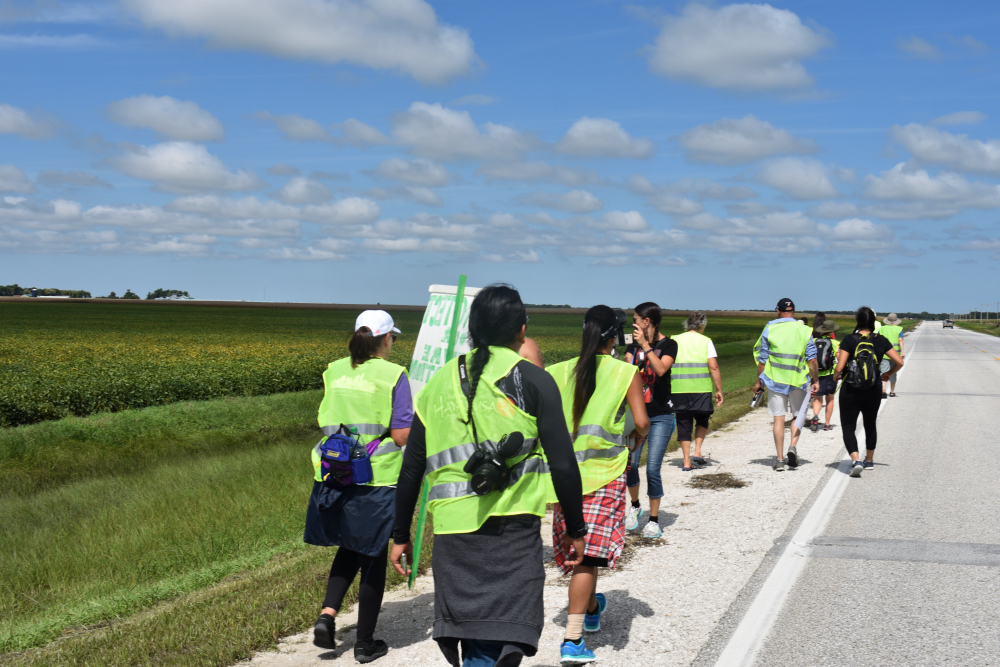
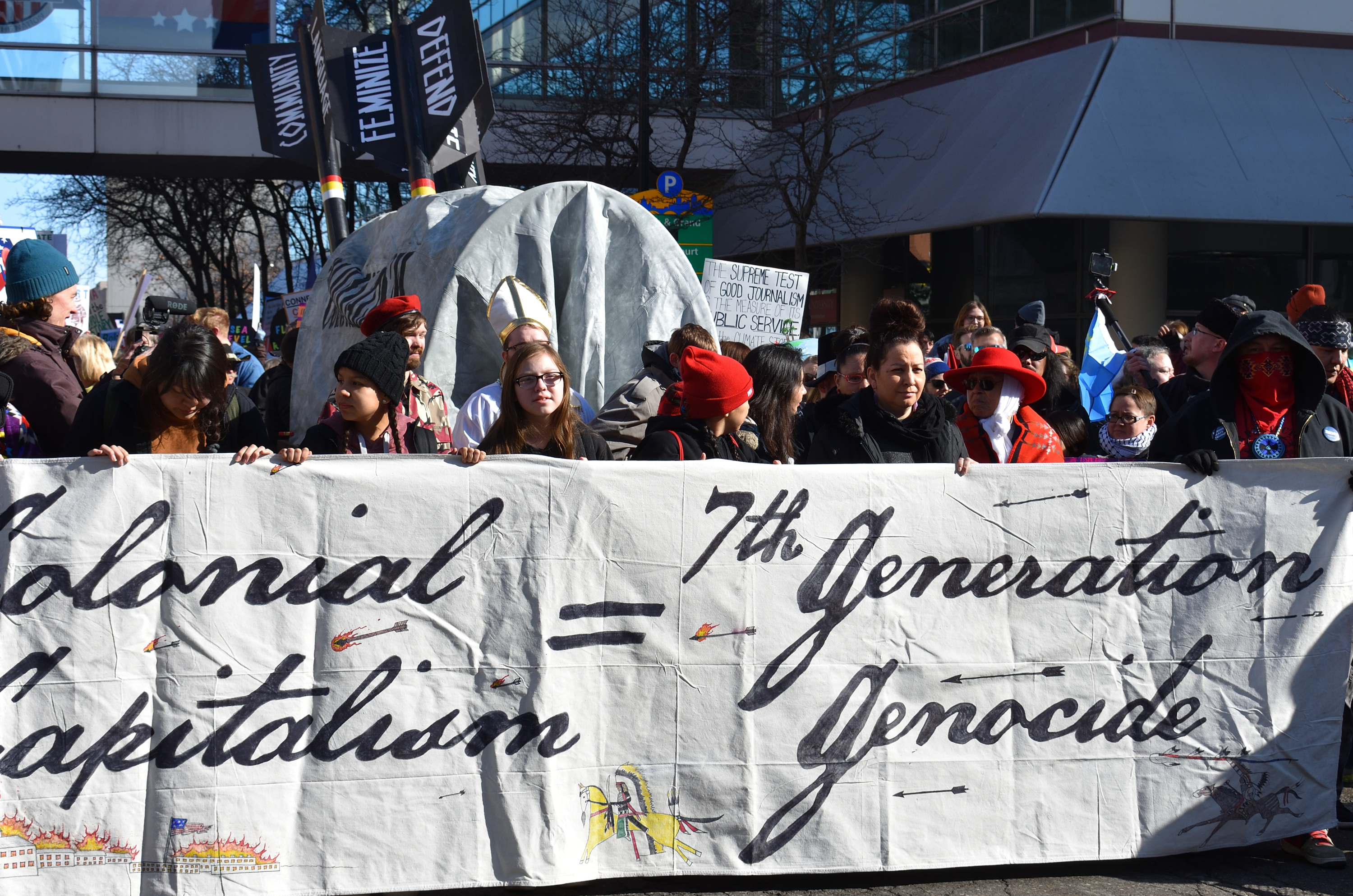
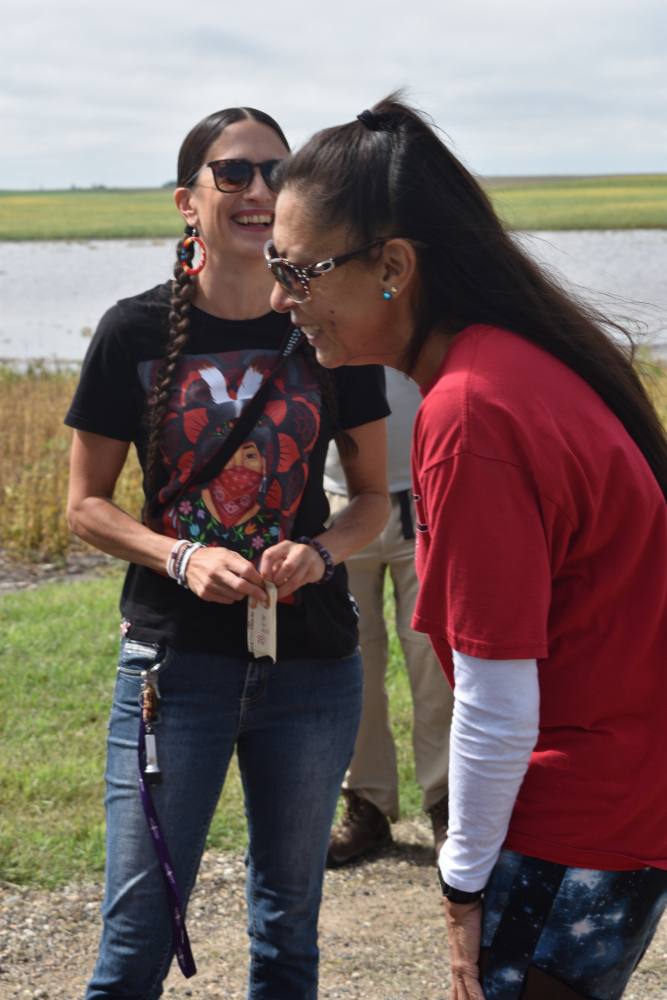
This is an example of supporting each other as we walked and camped together for ninety-four miles along the route of the Dakota Access Pipeline during the First Nation-Farmer Climate Unity March in 2018. https://firstnationfarmer.com/
So, after all this studying and writing, below is the PDF file of my responses for Section 1: Connection and Vision. As stated below, this is more of an introduction to the T-MAPs ideas and process. Still, you probably get the idea about how sharing our T-MAPs can help us know each other better, our needs and our strengths.
The purpose of this first section is to help ground us in our strength and resilience before we undertake the T-MAPs process. To reframe the conversation so that it’s not starting from the premise that we are sick and need fixing; instead, we are reminded of what we are like when we’re well — how it feels and how we relate to the world around us. Taking the time to think about these things is generative: this is less like a form to fill out where we already know the answers and more a starting point to prompt our imaginations.
Or you can use the T-MAPs Online Creator Tool, which is described below. The Tool will save your responses to the questions. You can save what you have done and return to it later. If you enter your email address, you will be mailed a PDF copy of each section you complete.
You can use these questionnaires to create your own T-MAP and have your answers emailed to you in a printable pdf. There are 5 sections. Click one of the images below to try filling out that section, see what you think, and let us know!
Privacy note: Unfortunately, these forms collect your answers. We never look at them or do anything with that data, and no one else can access it, but if you are concerned about privacy please download the pdf version of this tool, print it out, and complete it!
Map Making Instructions
Before you start working on creating your T-MAP, take a few minutes to ground yourself – the more centered you are, the better time you’ll have with this process. The T-MAPs workbook is designed to begin with questions that explore who you are and what you care about, and as they go on become more challenging, digging into what it’s like when you’re struggling. Eventually, you’ll want to answer the following questions thoroughly, but you may start out with notes and evolve your answers over time. This is a living document. You don’t need to do it all at once, and it can be really helpful to talk over these questions with other people. If they get too challenging, take a break and come back to it. Remember that you are creating a map for you and other people to be able to follow – it’s worth taking the time to find the right language that will make sense to you, and that you will be able to share with others
The purpose of this first section is to help ground us in our strength and resilience before we undertake the T-MAPs process. To reframe the conversation so that it’s not starting from the premise that we are sick and need fixing; instead, we are reminded of what we are like when we’re well — how it feels and how we relate to the world around us. Taking the time to think about these things is generative: this is less like a form to fill out where we already know the answers and more a starting point to prompt our imaginations.
This section is designed to guide us in building our wellness toolkit – to identify what practices and supports help us manage stress, avoid crisis, and stay grounded and healthy. Once we’ve developed these lists, it is good to return to them on a daily basis and potentially share them with others in our lives. If we notice we’re slipping off track, we can return to this toolbox to help us remember how to get back on course.
Where we come from and how we tell stories about ourselves is so important. In this section we have a series of questions to help you think about your own personal story and find good language for it. Society has so many expectations and frameworks for understanding your life that might not fit at all or might fit in some ways but not others. There is an incredible power in creating a personal narrative of your life that fits well for you.
This section has two parts – the first is on understanding your journey with mental health and emotional distress, and the second on social and cultural context as it informs mental health. If you don’t identify as someone who’s been through intense mental health struggles and/or the diagnosis process, some of the questions in the first half might not feel like they apply – it’s fine to skip them. In the second half of this section, some of these questions might be new to you – you might not have thought a lot about your cultural or class background, for example – and that’s ok. Consider these questions a starting point for your explorations.
The point of this section is to map out what is hard for us, what we struggle with, and help us develop self-knowledge to be able to figure out what to do about it. This section is often the hardest one to fill out because it asks us to think about hard times, but the information we gather is really useful in our journey. Often unresolved things from our past can make us feel unsafe or upset in the present – this is called getting triggered. Sometimes our triggers contain useful information about what needs to heal in us, and what we need to express. If you find yourself getting triggered or overwhelmed as you complete your map, take a break and do one of the practices in your wellness toolkit. It can also help to do the T-MAPs process with other people and realize you are not alone.
One of the main benefits of making an T-MAPs document is being able to get clarity on the things that are important to us and being able to share it with other people. In this section, we identify the people, services, and resources that are the most important sources of support for us. This helps us remember where we can turn when things get hard, and who to stay in touch with along the way.
As I mentioned yesterday, I’ve found it difficult to begin to talk about mental health. At the same time, I’ve become much more aware of how the lives of people I care about, work with, and am trying to support are experiencing significant stresses. From the T-MAPs workbook, “we hope that it helps you give voice to parts of yourself that can be hard to talk and share with others. Understanding ourselves is what gives us the power to help ourselves and be there for others in community”. This image is from that T-MAPs workbook. Soon, I intend to talk about the ways for you to create your own T-MAP using that workbook, or the online tool.
T-MAPs are drawn from our collective wisdom. These tools take into account our social, economic, and political context, and create space for thinking through how our histories and backgrounds shape who we are now. As our political climate becomes more heartless and unstable, we feel the need to weave our own safety nets. T-MAPs can be nourishing to everyone from grassroots social justice activists to woke health care practitioners and Peer Specialists working on the front lines of the mental health system.
Writing down stories about our lives helps us understand who we are, how we got here, and how we relate to the world around us. Wellness strategies are things like eating enough food every day and talking to our support people, which help us stay on our path. Resilience practices are things that bring us a feeling of being whole and alive – spending time in nature, singing, hanging out with people we care about – which help us stay grounded. Resources can be things in our local community – like friendly gathering spaces and places where we can watch the stars at night – or our favorite media, like helpful books and podcasts, or international resources like Madness Radio and The Hearing Voices Network. Articulating these things gives us a resource we can share with the people in our lives to guide our conversations and help us support each other through rough times.
Trying to write about mental health is uncomfortable because I know so little about it. But I am discovering how important it is to learn more about mental health. In part because of increasing awareness of multigenerational traumas of my Black, Indigenous and other people of color (BIPOC) friends. And coming to understand that the stresses of anyone working for justice, often very hard work, result in some level of trauma.
In these trying times everyone’s mental health is at risk. Perhaps most difficult is admitting to myself that my mental health needs work.
How I understand my journey with mental health is one of the sections of the T-MAPs workbook.
We have had many other influences in developing T-MAPs, including organizations like Intentional Peer Support and the Western Mass Recovery Learning Community, as well as specific tools like Mary Ellen Copeland’s Wellness Recovery Action Plan (WRAP). Some of the ideas around practice and transformation are inspired by the organization generative somatics. While T-MAPs was initially inspired by advanced directives and related recovery tools for planning mental health treatment options in times of crisis, we have turned it into a group practice of mutual aid, imagination, and prefigurative cultural change. We want it to be useful to as many people as possible to opening up space for new and creative ways of living.
The two main architects of T-MAPs have been Jacks McNamara and Sascha DuBrul, the founders of The Icarus Project. Jacks and Sascha wanted to create a practical tool that embodied the peer wisdom found in our greater community. We offer it as a labor of love to people who might find it useful. There are so many different people’s voices captured in the questions and the responses.
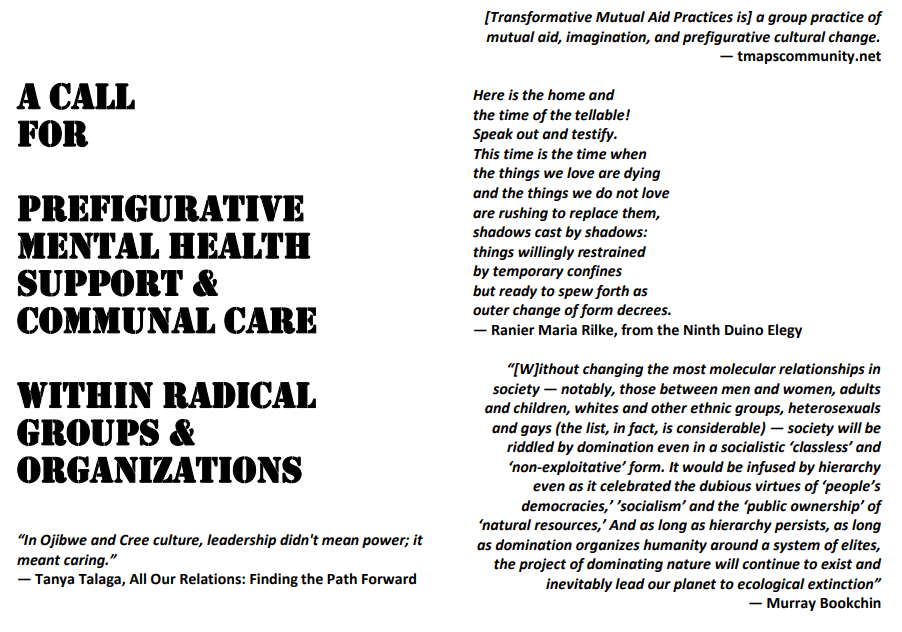
“[W]ithout changing the most molecular relationships in society — notably, those between men and women, adults and children, whites and other ethnic groups, heterosexuals and gays (the list, in fact, is considerable) — society will be riddled by domination even in a socialistic ‘classless’ and ‘non-exploitative’ form. It would be infused by hierarchy even as it celebrated the dubious virtues of ‘people’s democracies,’ ’socialism’ and the ‘public ownership’ of ‘natural resources,’ And as long as hierarchy persists, as long as domination organizes humanity around a system of elites, the project of dominating nature will continue to exist and inevitably lead our planet to ecological extinction”
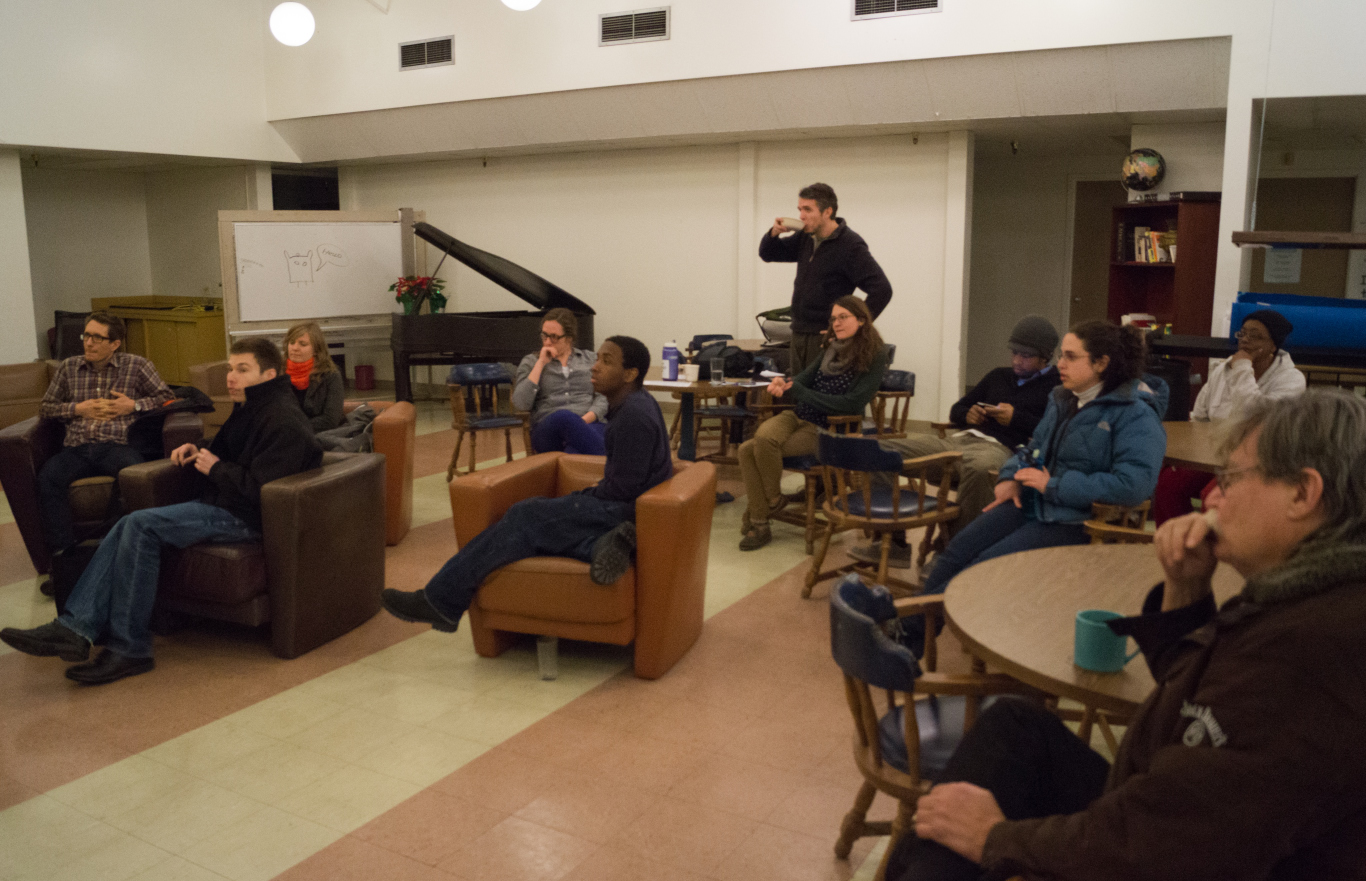
This past weekend at our Des Moines Mutual Aid food project, one of my friends asked how I was doing. Which turned into an opportunity to share about T-MAPs. She agreed that no one asks how those of us who are doing justice work, are doing. No one outside our Mutual Aid community, at least, because checking in with each other is an important part of our Mutual Aid work together. She was very interested in the T-MAPs concept. I hope to find ways to share this more widely in our Mutual Aid, and other justice communities
T-MAPs was originally dreamed up in the early years of The Icarus Project (TIP), a community of people working at the intersection of mental health and social justice. Over the years, TIP has created peer-based mental health support groups, alternative publications and educational resources, and new language outside the conventional “mental illness” paradigm. One tool developed by TIP, which has partly inspired T-MAPs, is called Mad Maps. Mad Maps began as creative and supportive conversations on the Icarus website about strategies for friends and strangers to communicate about how to take better care of each other. Mad Maps has evolved into a set of guides on navigating different topics like intergenerational trauma and madness and oppression.
I didn’t know the Icarus Project is now the Fireweed Collective.
Fireweed Collective offers mental health education and mutual aid through a Healing Justice and Disability Justice lens. We support the emotional wellness of all people and center QTBIPOC folks in our internal leadership, programs, and resources.
Our work seeks to disrupt the harm of systems of abuse and oppression, often reproduced by the mental health system. Our model for understanding ‘severe mental illness’ is community and relationship-based and divests from the prison industrial complex and psych wards.
Following is just the beginning of the Fireweed Collective Framework
Healing Justice (HJ) is a framework rooted in racial justice, disability justice, and economic justice. Healing Justice provides us with tools we can use to interrupt the systems of oppression that impact our mental health. Fireweed Collective uses HJ as a guide to help redefine what medicine is, and increase who has access to it.
We are honored to be a part of a larger community of organizations guided by the principles of Healing Justice:
responding to and intervening in generational trauma and violence (Kindred)
collective practices that can impact and transform the consequences of oppression (Kindred)
Transformative Mutual Aid Practices (T-MAPs) are a set of tools that provide space for building a personal “map” of wellness strategies, resilience practices, unique stories, and community resources. Creating a T-MAP will inspire you to connect your struggle to collective struggles. When we make and share our T-MAPs with others they become potent tools for healing and liberation.
Your T-MAP is a guide for navigating challenging times, figuring out what you care about, and communicating with the important people in your life
The creator of this zine is white. They experienced infant/early childhood abuse that altered their brain development, which resulted in psychosis when under stress; psychotic episodes can be brief or last months. They experienced childhood and adolescent abuse that altered their development, which resulted in neuroses; depression, general anxiety, social anxiety, eating disorders, CPTSD, and panic attacks are ongoing. Their family of origin rejected them when they came out as pansexual; they have been working towards accepting and embracing their gender.
After untreated mental health issues led to transience and drug addiction led to jail, they have been healing and recreating themselves for the past 20 years. In that time, they have engaged in youth/queer/union/socialist/feminist/antiracist/antifascist/ecological/anarchist/communalist work, groups, and orgs. After years of various minimum wage jobs, they became a public high school teacher for 15 years. As a reading specialist, they worked with incoming freshmen who spent their elementary and middle school years being passed from intervention program to intervention program, arriving at high school with beginning reading skills. Several years ago, they left the toxic public education system and have plans to continue engaging with community education in the future.
…
In 2017, they participated in a T-MAPs workshop led by Sascha Altman DuBrul and became intrigued by the concept of comrades supporting each other’s mental health as a form of mutual aid. Two attempts to engage their last org with T-MAPs were met with silence, and no comrades reached out to them during a months-long depression with suicidal and psychotic episodes. Unfortunately, this type of alienation happens in organizing circles, as folx are often too overwhelmed by surviving capitalism to counteract the patterns of prevailing society and recognize communal care as essential and others as valued. We have lost more of our humanity than we realize. We cannot remain complacent and allow white supremacist capitalist homogeneous social norms to strip away our ability to care for each other.
The creator of this zine proposes that groups and orgs that do not prefigure mental health support and communal care are not revolutionary: they will not bring about the liberatory society we seek. The need to consciously reject and deliberately rescript the toxic architecture of dominant society’s patterns is dire, and the time to prefigure radical interpersonal relations in our communities is now.
It still seems strange that tomorrow we will have transitioned to a new year. As a scientist I understand measuring and classifying things like time. One of the few times my godson got really upset was when he learned about losing an hour of his life with the switch to daylight savings time. I could understand and somewhat share his outrage.
1/1/2023
You probably aren’t surprised that the sunrise captured my attention before I could begin writing this morning. Perhaps a good omen for the new year.
One thing I did last year was to write about my foundational stories. https://quakersandreligioussocialism.com/foundational-stories/ Which turned out to be a bigger project than anticipated. One thing I hoped that would answer was whether I should stop writing and just share photos. I know I write a lot and repeat things as I examine what goes on in this world, and in my spiritual life. I’m still wondering.
We all experienced a lot last year. Pandemics, multiple environmental catastrophes, out of control drug addiction and death, gun violence, police killings, antisemitism, government control of women’s bodies, attacks related to sexual orientation and identity, worsening economic situations for most of us, millions of children going hungry, ridiculous politics and yet another war.
Here are two stories TODAY in the Des Moines Register:
I am no longer, after nine years, clerk of the Peace and Social Concerns Committee of Iowa Yearly Meeting (Conservative). I was led to become clerk of Bear Creek Friends meeting. Both of those things had/have consequences related to my faith and how I practice it.
A number of things have challenged me regarding faith. I am blessed to have deepened my friendships with many Black, Indigenous, and other people of color. It is hard to see the devastating effects the Indian boarding schools have on the generations of the families of all of my Indigenous friends. To learn even more about the Quaker involvement with forced assimilation. When I see family photos from the 1900s, I realize my ancestors were settler colonists. And that I am, too.
I am very blessed to have been invited to join the Buffalo Rebellion, a coalition of justice organizations in Iowa.
And the most intense experiences continue to be related to being part of Des Moines Mutual Aid. It has taken a long time to understand the depth of what I’ve been learning there. From the beginning I could tell this was a special place. A lot of this was the great diversity of this community. And learning of the depth of the commitment of my friends for justice. Of their tireless work in the community and on the streets.
And recently, and hardest to accept, has been to learn that I have experienced a lot of trauma as I’ve tried to work for justice, to follow my faith. I had always convinced myself that I was strong and self-sufficient, ignoring signs that said otherwise. I began to realize this as I saw how my Mutual Aid friends cared for each other in genuine ways during our weekly food giveway project. How kind they/we are to those coming for food. How they understand things I’d been going through and have cared for me.
For the new year, I’m led to continue to work with Mutual Aid and the Buffalo Rebellion. To find more ways to bring my faith into these spaces. How to do so has been puzzling. There is the history of White Quakers’ involvement in the Indian boarding schools, and continued settler colonization. The history of White Quakers’ involvement in the institution of slavery, and continued participation in systems of White dominance.
We say our lives should be expressions of our faith. While I haven’t heard discussions about faith, I know my Mutual Aid and Buffalo Rebellion friends are deeply spiritual. And recently I have been honored that Indigenous friends have read, and suggested others read some of my blog posts. This is likely the way I was looking for to share my faith with them.
And to continue to bring the concepts of mutual aid to my Quaker communities. I plan to speak more plainly about the evils of capitalism. When future generations look back at this time, they will not understand how we participated in capitalism, a system of economic slavery. In the same way we look back on the institution of slavery, and the land theft and genocide of Indigenous peoples. Will not understand our complicity in a dominate system of White superiority and racism.
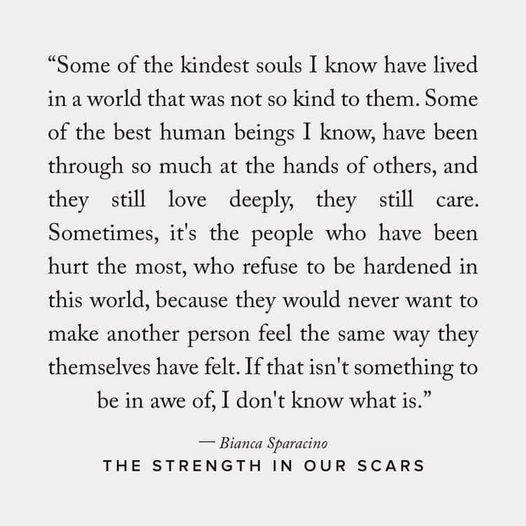
A friend just now shared the following that more eloquently expresses what I’ve been trying to say above. This describes my Mutual Aid and Buffalo Rebellion friends perfectly.
This is a continuation of yesterday’s blog post, Transformative Mutual Aid Practices. I’m truly blessed to have almost three years of experience in my Mutual Aid community. It’s because of the support I’ve received from this community that I can relate to these ideas of transformative mutual aid.
[A note to people of faith. From what I’ve seen about T-MAPS so far, I don’t think faith is talked about specifically. Rather, you can include that in the parts of T-MAPS related to what gives you support. And I think T-MAPS can be helpful for faith groups, such as Quaker meetings, as another way of communal care.]
Capitalist society teaches us not to care for each other. Approaching the creation of a nurturing culture as the fundamental revolutionary praxis of your group and as a dialectical process that is ongoing will transform your org in uncommon ways, draw a diversity of individuals to join your group, and ultimately empower it to transform the world you live in and the world around you.
Transformative Mutual Aid Practices (T-MAPs) are a set of tools that provide space for building a personal “map” of wellness strategies, resilience practices, unique stories, and community resources. Creating a T-MAP will inspire you to connect your struggle to collective struggles. When we make and share our T-MAPs with others they become potent tools for healing and liberation.
The acronym T-MAPs stands for Transformative Mutual Aid Practices
Transformation We understand that we’re always in a process of transformation and growth; we’re not just in a process of ‘recovery’ or going back to some state of health (that we may have never known). As our lives change, it’s helpful to leave tracks for ourselves about where we’ve been and where we want to be going. T-MAPs help facilitate this process.
Mutual Aid We also understand that just working on our own “self-care” isn’t enough; we also need mutu aid. Most simply, mutual aid is when people help each other. Historically, mutual aid has been a way that people have self-organized to create interdependent networks of support. People might help each other with things as basic as growing food and building barns or as abstract as education and mental health support.
Practice When we think about how personal and community change happens, it’s pretty clear to us that the only way to grow and evolve is to intentionally practice what we want to see happen in our lives. Practice might be as simple as not getting on our smart phone as soon as we wake up in the morning, or as intentional and deliberate as a daily sitting meditation practice. Practice that happens ith groups of people has the potential to change the world.
Your T-MAP is a guide for navigating challenging times, figuring out what you care about, and communicating with the important people in your life. We’ve developed different ways to create this document; these tools can help you generate your T-MAP through an online questionnaire or through a downloadable pdf workbook that you can print and fill out. You can complete a personalized booklet (or “T-MAP”) by yourself or with a group.
The mental health of all members (of your group) should be supported in an ongoing way. Go around the circle so that comrades can indicate to the group if:
▪ they would like others to reach out to them for a period of time or in an ongoing way, and how ▪ they would be willing to reach out to others who ask for that support ▪ they are currently unable to provide support to others ▪ they would like people to hang out with when they are not feeling well ▪ they are available to hang out with others to decrease their isolation during difficult times ▪ etc
This was a morning when I didn’t seem to be led to write anything. Then, as I was searching using the keywords prefigurative and mutual aid I found references to Transformative Mutual Aid Practices.
I’ve just recently become aware of traumas I hadn’t known I was suffering from. My Des Moines Mutual Aid community practices many of the things listed below. This awareness of healing comes from experiencing our care for each other, including those who come for the food.
I’ve heard Indigenous friends speak of the intergeneration traumas in their communities.
This zine has a lengthy list of things related to mental health and communal care. Here are a few.
Many of us experienced childhood and adolescent traumas and continue to experience traumas based on our individual intersectionalities
We understand the mechanics of the harms and traumas inflicted by the prevailing social order’s oppressive and exploitative systems
We must recondition ourselves towards caring for each other; communal care is ongoing radical action
Alone we are vulnerable, but together we are strong; therefore, genuine community is paramount
We acknowledge that the architecture of capitalist society is colonizing white supremacy culture; it is an architecture of domination, abuse and exclusion
We focus intensely on the concept and practice of mutual aid
We endeavor to decolonize our thinking, group interactions, and architecture of group processes
We center acting in solidarity across groups in ways that build unity through diversity
We emphasize prefiguration within our organizations as necessary to counteract the abuses of prevailing society and manifest community and liberatory ways of being and living
When we do not prefigure communal care into our group structures and routines, we unconsciously recreate the alienation, racism, homophobia and transphobia, hierarchical ableisms, and neuro-homogeneities of capitalist society, along with their negative effects
If we don’t practice solidarity with our own comrades, we cannot expect to practice solidarity with others
Knowing what we know about how prevailing society operates to oppress, exploit, and traumatize vulnerable people, a group or org that does not actively engage and support the mental and emotional wellbeing of its members is not revolutionary
Many folx who show up to our groups do not stay because they sense the group is non-supportive or unsafe for their being
What can prefigurative community care that supports the mental health and wellbeing of all members look like?
1. Create space for an in-depth group discussion focused on the concept of your collective as an organism with a life of its own. Talk about your group as an organism that can flourish with everyone’s nurturance or get sick and die from everyone’s lack of care. The objective is to create group consciousness and ownership, and to arrive at and agree to incorporating new features that will consistently support the mental and emotional health of members.
2. In addition to your regular monthly meeting, commit to a regular monthly restorative gathering for wellbeing. This is for members only. It could potentially serve as a welcoming way for prospective members to dip their toe in, as opposed to their first engagement being a meeting or an action. In organizing circles, more often than not the more powerful, demonstrative, or vocal members guide their groups, narrowing opportunities for other modes of expression, communication, and consciousness to emerge. Monthly nurturance counterbalances that tendency. The focus here is on creating a predictable format for restorative connection, communal care, and wellbeing among comrades.
Based on years of creating group cohesion and deep trust among vulnerable students from disparate backgrounds, the author recommends a specific format: a regular relaxed gathering where individuals enjoy solo projects alongside each other (when two or more people work on one project, it tends to disrupt the group dynamic). Each member brings a relatively quiet activity that they will work on, such as creative writing, drawing, crafting, reading, planning or visioning, designing, etc. At the start, folx will want to greet each other and it’s interesting to get to know each other through hearing what everyone else is going to work on. Once y’all get started, talking will become secondary to the texture or feel of the group-as-relaxed, meaning that talk should not be allowed to take over the ability of everyone to generally stay focused on their activity. This container fosters individual and collective nervous system soothing, group nurturance, authentic group communication, divergent group thinking, and organic group relations. Relaxing, restoring, and recreating together is very powerful medicine.
Many of us only experience each other in supercharged situations like intense meetings, protests, street outreach, and community work. Our groups attempt to balance those experiences out by having social gatherings such as potlucks, bar karaoke, and game nights, which have their own place. However, social containers do not foster egalitarian ommunity-building or the types of experiences required to build the trust comrades need in order to open up and be vulnerable with each other. In addition, social gatherings often reenact the ableisms and other -isms present in dominant society. This monthly gathering allows members to relax and encourages other parts of their beings to emerge within the safety of the calm group in ways that round out both the individual and the group experience. It fosters care of the self via meaningful recreation; it cultivates group consciousness and group heart via the commitment to be more patient, open, and authentic with each other; it provides an antidote to alienation and isolation, restoring the communal bonds that dominant capitalist society strips away.
















 Quakers and Mutual Aid