Societies that function without policing, prisons, and property

Rather than dwelling on all the current and oncoming catastrophes, we can recognize the crossroads we are at, and choose to live in a better way.

We only have a finite amount of energy personally and must use it wisely. I’m led to believe we should stop wasting energy trying to make incremental changes in existing systems of oppression. And instead turn our attention and energy to building more just alternatives. Living out our spiritual guidance.

I’m of the firm opinion that a system that was built by stolen bodies on stolen land for the benefit of a few is a system that is not repairable. It is operating as designed, and small changes (which are the result of huge efforts) to lessen the blow on those it was not designed for are merely half measures that can’t ever fully succeed.

So, the question is now, where do we go from here? Do we continue to make incremental changes while the wealthy hoard more wealth and the climate crisis deepens, or do we do something drastic that has never been done before? Can we envision and create a world where a class war from above isn’t a reality anymore?”

Ronnie James, Des Moines Mutual Aid

As Grace Lee Boggs writes below, “it is about acknowledging that we Americans have enjoyed middle-class comforts at the expense of other peoples all over the world.” We, especially White Quakers, can end our complicity in the systems of oppression, colonialism, and White supremacy.

I’ve been blessed to be part of several communities building such alternatives. These include the Kheprw Institute, Des Moines Mutual Aid, and the Buffalo Rebellion.

These experiences have helped me understand something black, Indigenous, and other people of color (BIPOC) have always known. That the systems of racial capitalism and white supremacy have never worked for anyone who is not a wealthy white male.

Robyn Maynard and Leanne Betasamosake Simpson have succinctly captured what needs to happen in their book Rehearsals for Living (Abolitionist Papers).

In my mind, Indigenous nations, Indigenous homespaces, Indigenous homelessness must be engaged in a radical and complete overturning of the nation-state’s political formations and a refusal of racial capitalism. My vision to create Nishnaabeg futures and presences must structurally refuse and reject the structures, processes and practices that end Indigenous life, Black life and result in environmental desecration. This requires societies that function without policing, prisons, and property.

Nishnaabeg formations of nationhood mean a radical overturning of the current conditions and configurations within which we live—an absolute refusal of capitalism.

Maynard, Robyn; Simpson, Leanne Betasamosake. Rehearsals for Living (Abolitionist Papers) (p. 125). Haymarket Books. Kindle Edition.

What we need now are societies that function without policing, prisons, and property. That is how we build alternatives to what is collapsing. Owning land, property is not an Indigenous concept. The commons are meant for community use.

  • Property is the basis for accumulation of wealth.
  • Policing is how this concept of property is protected.
  • Prison is how those who threaten property and landowners are removed from society.

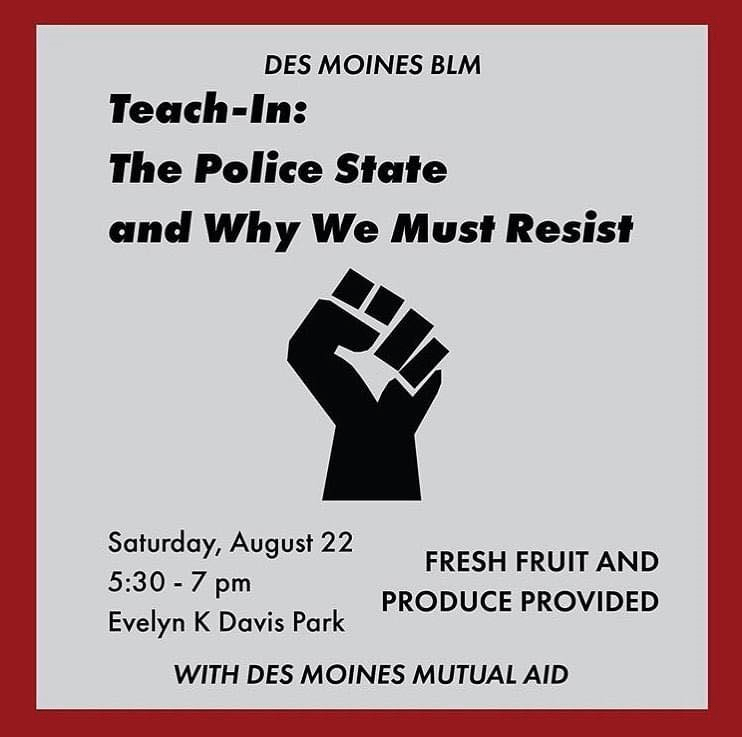
Des Moines Mutual Aid


The next American Revolution, at this stage in our history, is not principally about jobs or health insurance or making it possible for more people to realize the American Dream of upward mobility. It is about acknowledging that we Americans have enjoyed middle-class comforts at the expense of other peoples all over the world. It is about living the kind of lives that will not only slow down global warming but also end the galloping inequality both inside this country and between the Global North and the Global South. It is about creating a new American Dream whose goal is a higher Humanity instead of the higher standard of living dependent on Empire. It is about practicing a new, more active, global, and participatory concept of citizenship. It is about becoming the change we wish to see in the world.

The courage, commitment, and strategies required for this kind of revolution are very different from those required to storm the Winter Palace or the White House. Instead of viewing the U.S. people as masses to be mobilized in increasingly aggressive struggles for higher wages, better jobs, or guaranteed health care, we must have the courage to challenge ourselves to engage in activities that build a new and better world by improving the physical, psychological, political, and spiritual health of ourselves, our families, our communities, our cities, our world, and our planet.

Grace Lee Bogg. The Next American Revolution

How can Friends achieve the 2022 theme of World Quaker Day, “Becoming the Quakers the World Needs,” while functioning in a blatantly and politically corrupt, racialized world? In engagement with this exciting theme, offered by the Friends World Committee for Consultation (FWCC), the Black Quaker Project would like to remind Friends of the tools at our disposal to challenge those aspects of society which we wish to change and to see changed. Our fractured societies are further divided by enormous gaps of inequality in almost every imaginable category—psychological, social, political, cultural, economic. How might we, as Quakers, achieve justice, equity, and peace under these circumstances? 

The Black Quaker Project

In late 2020, the two of us wrote an article for this magazine, called “Abolish the Police.” Through writing the piece, we realized we wanted to convene a larger space where Friends with an interest in police and prison abolition could have conversations with one another. Quaker abolitionists today face major pushback from our Meetings; we hoped that drawing Friends together would support and strengthen our work.

In this context, the Quakers for Abolition Network is being born. We are a collection of Friends from at least five Yearly Meetings; we range in age from high school to our 80s; we are disproportionately queer and trans. While AFSC and FCNL staff are participating, this is a grassroots project without any formal connections to existing organizations. We are in the process of defining our mission statement, structure, and our methods for addressing white supremacy when it shows up in our work, while building relationships with each other as we go. Below, four Friends write about their approaches to abolition, their lessons, and their visions for where Quakers might be headed.

Jeff Kisling: Mutual Aid and Abolition

I grew up in rural Iowa, where there was very little racial diversity and interactions with police and the court system were rare. About ten years ago, I was blessed to become involved with the Kheprw Institute, a Black youth mentoring and empowerment community. I’ll never forget how shocked I was when a Black mother broke down in tears, explaining how terrified she was every minute her children were away from home. It was obvious that every other person of color in the discussion knew exactly what she was saying.

After retiring, I was led to connect with Des Moines Mutual Aid, a multiracial organization founded to support houseless people. For over a year, I’ve helped my friends fill and distribute boxes of donated food, while continuing to learn about the framework of mutual aid.

To me, mutual aid is about taking back control of our communities. Besides the food giveaway, we support houseless people and maintain a bail fund to support those arrested agitating for change. We also work for the abolition of police and prisons.

Mackenzie Barton-Rowledge and Jed Walsh: Introducing the Quakers for Abolition Network, Western Friend, Sept 2021


Des Moines Mutual Aid

Des Moines Mutual Aid

Becoming the Quakers the World Needs

October 2, 2022, is World Quaker Day. The theme this year is Becoming the Quakers the World Needs. Becoming” implies we are not, presently, the Quakers the World Needs, which I agree with. Quakers are too comfortable living in a capitalist system that is inherently unjust. A system whose goal is the accumulation of wealth no matter how unethical the means are to acquire it. A system that commodifies all resources, even those that should be part of the commons. A system not intended to care for those without wealth.

How can Friends achieve the 2022 theme of World Quaker Day, “Becoming the Quakers the World Needs,” while functioning in a blatantly and politically corrupt, racialized world? In engagement with this exciting theme, offered by the Friends World Committee for Consultation (FWCC), the Black Quaker Project would like to remind Friends of the tools at our disposal to challenge those aspects of society which we wish to change and to see changed. Our fractured societies are further divided by enormous gaps of inequality in almost every imaginable category—psychological, social, political, cultural, economic. How might we, as Quakers, achieve justice, equity, and peace under these circumstances? 

Black Quaker Project

“Quakers will only be truly prophetic when they risk a great deal of their accumulated privilege and access to wealth. Prophets cannot have a stake in maintaining the status quo. Any attempt to change a system while benefiting and protecting the benefits received from the system reinforces the system. Quakers as much as anyone not only refuse to reject their white privilege, they fail to reject the benefits they receive from institutionalized racism, trying to make an unjust economy and institutionalized racism and patriarch more fair and equitable in its ability to exploit. One can not simultaneously attack racist and patriarchal institutions and benefit from them at the same time without becoming more reliant upon the benefits and further entrenching the system. Liberalism at its laziest.”      Scott Miller


How can we escape the capitalist society we live in? We build communities that care for one another. Sometimes called beloved communities. An example is Mutual Aid. I’ve been involved in Des Moines Mutual Aid for two years and have written extensively about my experiences. https://quakersandreligioussocialism.com/mutual-aid/


Capitalism is so repugnant that we use other terms to refer to ourselves and the work we do, such are anarchists, communists, Black Liberationists, or accomplices.

Des Moines Mutual Aid
Randomly passing an accomplice on the street and throwing up a fist at each other as we go our separate ways to destroy all that is rotten in this world will never fail to give me extra energy and a single tear of gratitude for what this city is creating.

member of Des Moines Mutual Aid
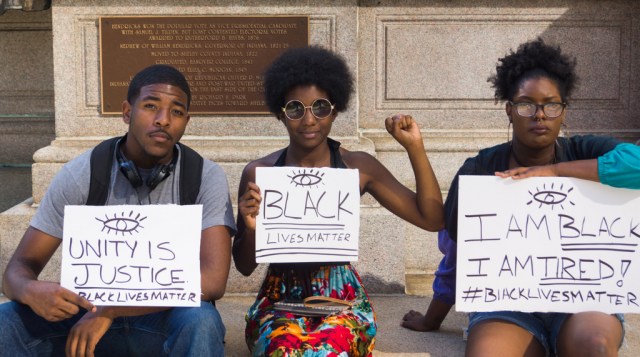
mutual aid is the new economy. mutual aid is community. it is making sure your elderly neighbor down the street has a ride to their doctor’s appointment. mutual aid is making sure the children in your neighborhood have dinner, or a warm coat for the upcoming winter. mutual aid is planting community gardens.

capitalism has violated the communities of marginalized folks. capitalism is about the value of people, property and the people who own property. those who have wealth and property control the decisions that are made. the government comes second to capitalism when it comes to power.

in the name of liberation, capitalism must be reversed and dismantled. meaning that capitalistic practices must be reprogrammed with mutual aid practices.

Des Moines Black Liberation

World Quaker Day, SUNDAY, 2 OCTOBER 2022 
“Becoming the Quakers the World Needs:”
Taking Action Now for Retrospective Justice.


Dear Friends and friends of Friends,

         How can Friends achieve the 2022 theme of World Quaker Day, “Becoming the Quakers the World Needs,” while functioning in a blatantly and politically corrupt, racialized world? In engagement with this exciting theme, offered by the Friends World Committee for Consultation (FWCC), the Black Quaker Project would like to remind Friends of the tools at our disposal to challenge those aspects of society which we wish to change and to see changed. Our fractured societies are further divided by enormous gaps of inequality in almost every imaginable category—psychological, social, political, cultural, economic. How might we, as Quakers, achieve justice, equity, and peace under these circumstances? 

         Our ministry has long advocated that retrospective justice is the key to bringing peace and equality to the world and to dismantling White Supremacy. As a reminder, retrospective justice is “an attempt to administer justice years after the commission of a severe injustice or series of injustices against persons, communities, or racial and ethnic groups.” Our definition draws upon the 2006 Brown University report, Slavery and Justice, which notes the following three steps as necessary to implement retrospective justice: (1) acknowledge an offense formally and publicly; (2) commit to truth-telling and ensure the facts are uncovered, discussed, and shared; and (3) make amends in the present to give substance to expressions of regret. While the all-too visible injustices of direct violence may command our attention, they are only symptoms of the structural violence deeply rooted in our societies. British Peace Studies founder, Friend Adam Curle, defines structural violence as “the political and economic inequalities which are built into the social structure.”  This violence can be economic, political, cultural, religious, or environmental–classifications outlined in Occupied With Nonviolence: A Palestinian Woman Speaks (2008) by Palestinian Friend Jean Zaru and expanded upon to include educational and health structural violence in our Pendle Hill pamphlet, Race, Systemic Violence, and Retrospective Justice: An African American Quaker Scholar-Activist Challenges Conventional Narratives (2020).  It is these various types of STRUCTURAL violence that we must keep in mind when implementing retrospective justice, not only direct violence. As we reminded readers in our 2008 Beacon Hill Friends pamphlet, Facing Unbearable Truths: “[Violence] must be treated at its roots if we are to abolish it. Just as a doctor must treat the root causes of an illness, not merely the symptoms, so must we act similarly as social, progressive, analytical activists. We must be “anti-violent,” not merely “non-violent.” 

         In recent years, we have seen notable truth-telling initiatives which our ministry recognizes as actions of retrospective justice. A few notable examples include: the groundbreaking New York Times publication and institutionalization of The 1619 Project; the National Museum of African American History and Culture in Washington, DC; the International Slavery Museum in Liverpool, UK; the Apartheid Museum in Johannesburg, South Africa; and the United Nations establishment of an International Day of Remembrance for Victims of Slavery and the Transatlantic Slave Trade, itself a prelude to the UN Decade for People of African Descent (2015-2024). What do we–Quakers and friends of Quakers–have to offer in these needed efforts of Retrospective Justice?  To answer this query, our ministry offers three responses:

Reason #1: Justice
         Drawing again on the words of Friend Adam Curle, we agree that justice has a dual meaning: “one, spiritual—righteousness, the observance of the divine law; the other temporal—fairness, righteous dealing. … [Our] vision of justice is the result of seeking to live [in alignment with] non-violence, compassion, redemption, and love.”  For too long this crucial Quaker testimony has been neglected in favor of acronyms such as “SPICES,” which mislead about the essence of Quakerism and fail to include justice. Can we have peace without justice? Can we have equality without justice? Our ministry challenges Friends to return the justice testimony not only to the front-burner but to front-and-center within the Religious Society of Friends by engaging in this important work of Retrospective Justice.

Reason #2: Truth
         Like justice, truth and integrity are at the root of Quakerism, so much so that early Quakers called themselves the Friends of Truth, a name to keep in mind as we reckon with our own history of past misdeeds. Our ministry encourages Friends to collectively shoulder the responsibility of telling the truth, in all its complexity, including the reality that Quakers, despite our well-known anti-slavery activities, were participants, profiteers, and supporters of the slave trade. A truth Harold D. Weaver has called on the Religious Society of Friends to acknowledge in the past, most recently, in his January 2021 Friends Journal article, “A Proposed Plan for Retrospective Justice.” Friends need to confront and atone for the 400-year legacy of oppression, economic exploitation, and human degradation that affects people of African descent worldwide, such as Jim Crow, colonialism, and apartheid. Perhaps we will never know to what extent current Friends–individuals, Meetings, and organizations– have profited from the inheritance of significant sums of money for the past exploitation of people of African descent worldwide. However, Friends can still work to correct misinformation and disinformation so that we may understand the roots of the issues we seek to resolve. Quakers in some monthly, quarterly, and yearly meetings seem to be grappling with this process.

Reason #3: Reputation, Influence, and Expectations 
         Since the publication of Uncle Tom’s Cabin in 1852, Quakers have had a reputation as being among history’s foremost abolitionists. While we question whether Friends fully deserve this reputation, it is one that has endured. Across history, and around the world, Quakers have been involved in movements of peace and justice. Friends organized relief efforts for the starving masses of the Irish potato famine, cared for the sick and injured as World War I ravaged Europe, and aided interned Japanese Americans during World-War II. Celebrated Quaker human rights activist, writer, and social critic Bayard Rustin emerged as a leading figure in the Civil Rights Movement which Quakers widely participated in (Rustin is just one of the trailblazing African American Quakers we document in Black Fire: African American Quakers on Spirituality and Human Rights). Friends would also make their presence known during South Africa’s struggle against apartheid, peace efforts throughout the “Troubles’’ era of Northern Ireland, and beyond. 

         In 1947, the Friends Service Council in the UK and the American Friends Service Committee were jointly awarded the Nobel Peace prize ON BEHALF OF ALL QUAKERS for post World-War-II peace, reconstruction, and recovery efforts. While some people might forget that Quakers even exist today, many remember our historical image as leaders in truth, peace, justice, abolition, and equity. It is this reputation that we are expected to maintain and which our ministry recommends we live up to.          As the population of Quakers decreases in the Global North, the future of the Religious Society of Friends will be greatly defined by Friends of Color across Asia, South America, and, most prominently, Africa, which, as of 2017, is home to over 180,000 Friends. As we become further unmoored from our Eurocentric roots, the growing majority of Friends in the Global South are vulnerable to the very worst effects of systemic racism and structural violence. We hope Friends participate in plans of Retrospective Justice, “Becoming the Quaker’s The World Needs,” by taking action now.

         What additional reasons might there be for Quakers to be actively involved in USA and worldwide Retrospective Justice efforts?  Please write to us at theblackquakerpoject@gmail.com with your suggestions.

Note: The above narrative is adapted from Dr. Harold D. Weaver’s 21 September 2022 presentation to the Joseph Rowntree Charitable Trust Interim Working Group at Friends  House, London, UK. We appreciate the invitation of collaboration from Friend Nozizwe Madlala-Routledge, the new, dynamic Director of the Quaker United Nations Office-Geneva.

Global

It is obvious that environmental devastation is a global problem which demands a global response. But I’ve been so discouraged by the paralysis in this country, that I haven’t had the energy to think globally. Didn’t think a global response was ever going to be possible.

But in a recent article umair haque writes about the speech Secretary General of the United Nations, Antonio Guterres recently gave to the General Assembly. Which gives me a little hope that a global response might be possible.

The Secretary General of the UN just called for a Global New Deal. And nobody listened. But they should have, because this is precisely the idea we need if our civilization is going to survive. What he means by Global New Deal is all the above — taxing windfall profits, so that investments can be made, now, urgently, in basic systems for all, which we so clearly need, from food to water to energy and so on.

But he doesn’t stop there. He’s not just proposing, but demanding, a reinvention of the global financial system to invest even more. He calls on the IMF to expand its Special Drawing Rights, and create a Global Stimulus Package.

The Alarm Bells of Civilizational Collapse Are Ringing — But Are We Listening? If Our Civilization Is Going to Survive, It’s Going to Have to Change Like This — Fast by umair haque, Eudaimonia and Co, Sep 22, 2022


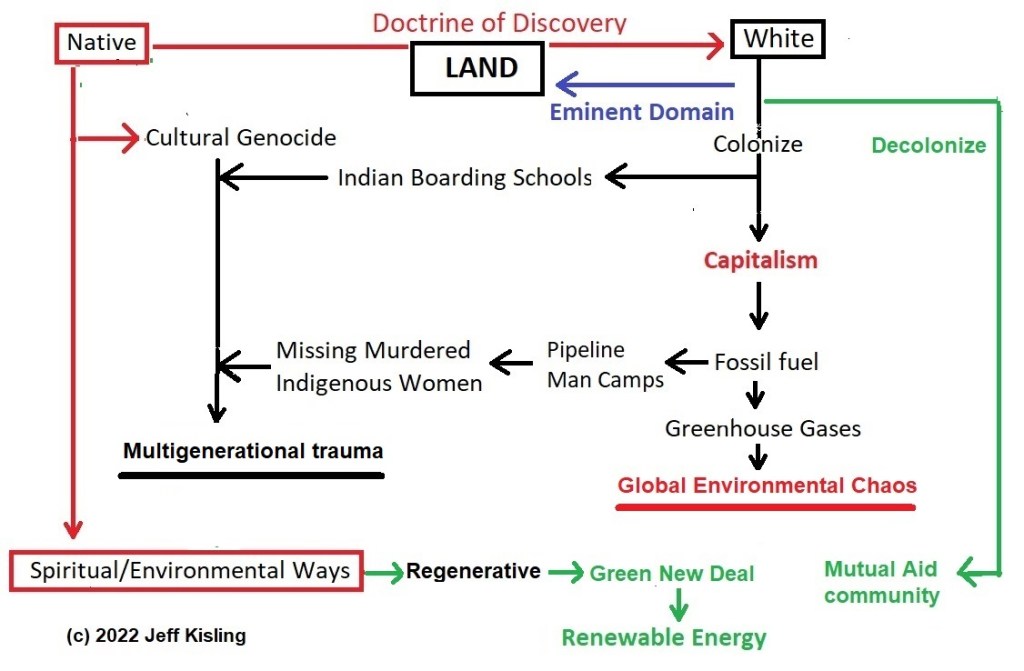
In this latest version of a diagram I’ve been working on, newly added are attention to the global aspects of environmental chaos and the need for a global new deal.


We have a duty to act. And yet we are gridlocked in colossal global dysfunction.

The international community is not ready or willing to tackle the big dramatic challenges of our age. These crises threaten the very future of humanity and the fate of our planet.

Let’s have no illusions. We are in rough seas. A winter of global discontent is on the horizon. A cost-of-living crisis is raging. Trust is crumbling. Inequalities are exploding. Our planet is burning. People are hurting — with the most vulnerable suffering the most.

Our world is in peril — and paralyzed. Geopolitical divides are undermining the work of the Security Council. Undermining international law. Undermining trust and people’s faith in democratic institutions. Undermining all forms of international cooperation. We cannot go on like this. Even the various groupings set up outside the multilateral system by some members of the international community have fallen into the trap of geopolitical divides, like in the G-20.

But the reality is that we live in a world where the logic of cooperation and dialogue is the only path forward. No power or group alone can call the shots. No major global challenge can be solved by a coalition of the willing. We need a coalition of the world.

There is another battle we must end — our suicidal war against nature. The climate crisis is the defining issue of our time. It must be the first priority of every government and multilateral organization. And yet climate action is being put on the back burner — despite overwhelming public support around the world. Global greenhouse gas emissions need to be slashed by 45 percent by 2030 to have any hope of reaching net zero emissions by 2050. And yet emissions are going up at record levels — on course to a 14 percent increase this decade.

Secretary General of the United Nations, Antonio Guterres

Excellencies, let’s tell it like it is. Our world is addicted to fossil fuels. It’s time for an intervention. We need to hold fossil fuel companies and their enablers to account. That includes the banks, private equity, asset managers and other financial institutions that continue to invest and underwrite carbon pollution.

And it includes the massive public relations machine raking in billions to shield the fossil fuel industry from scrutiny. Just as they did for the tobacco industry decades before, lobbyists and spin doctors have spewed harmful misinformation. Fossil fuel interests need to spend less time averting a PR disaster — and more time averting a planetary one.

Of course, fossil fuels cannot be shut down overnight. A just transition means leaving no person or country behind. But it is high time to put fossil fuel producers, investors and enablers on notice.

Polluters must pay.

Today, I am calling on all developed economies to tax the windfall profits of fossil fuel companies. Those funds should be re-directed in two ways: to countries suffering loss and damage caused by the climate crisis; and to people struggling with rising food and energy prices.

Secretary General of the United Nations, Antonio Guterres


Joy is the sunrise
breaking through night’s remains,
bright shone new
on a shell-wracked shore;
a fresh tide-scrubbed world
redeems what was,
to is.

J. Drew Lanham Joy is the Justice We Give Ourselves. (excerpt)

Reflections on Reflections

The First Nation-Farmer Climate Unity March involved a group of about thirty native and non-native people walking, eating, and camping together for 8 days. We walked ninety-four miles from Des Moines to Fort Dodge Iowa, along the route of the Dakota Access Pipeline during the first week of September 2018.

It was a bit amazing when I read the following as I’m reflecting on my experiences and friendships from the March.

Roughly a year later, in 2019, as part of my work at the Dechinta Centre for Research and Learning in Denendeh, I helped organize a solidarity gathering that took place in March, in the territory of the Yellowknives Dene First Nation (YKDFN). Our idea was simple—to invite a small group of Black, Brown and Indigenous activists, thinkers, writers, and organizers to spend time with us, in the spring, on an island in what the Yellowknives Dene known as Tindeè, or “big lake.” Together we fished nets under the ice, travelled by snowmobile and sleigh across the frozen lake, shared moose ribs cooked over the fire, stories from YKDFN Elders, our own ideas, and time with each other.

We wanted to invest in our relationship with each other and our affinities, outside of the institution, the internet, and crises, because we believed that the land would pull out a different set of conversations and gift us with a different way of relating. We wanted to sit together on the land, immersed in a Dene world, engage in a practice of Dene hospitality to see if we related to each other in a different way. This is exactly what happened. The land nurtured a set of conversations and way of relating to each other outside of the institution and its formations.

Maynard, Robyn; Simpson, Leanne Betasamosake. Rehearsals for Living (Abolitionist Papers) (p. 35). Haymarket Books. Kindle Edition.

In many ways the March was transformative for me. I wrote a long blog post of reflections on the March in early 2020. See: Reflections on the March.

The world, and I, have changed a lot in just the two years since those reflections were written. These two images represent the time span between the March and work we are doing today.


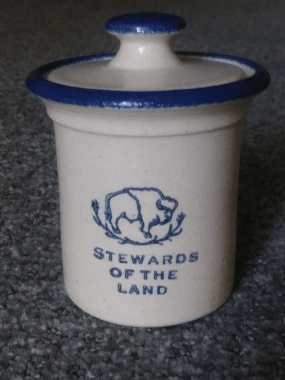
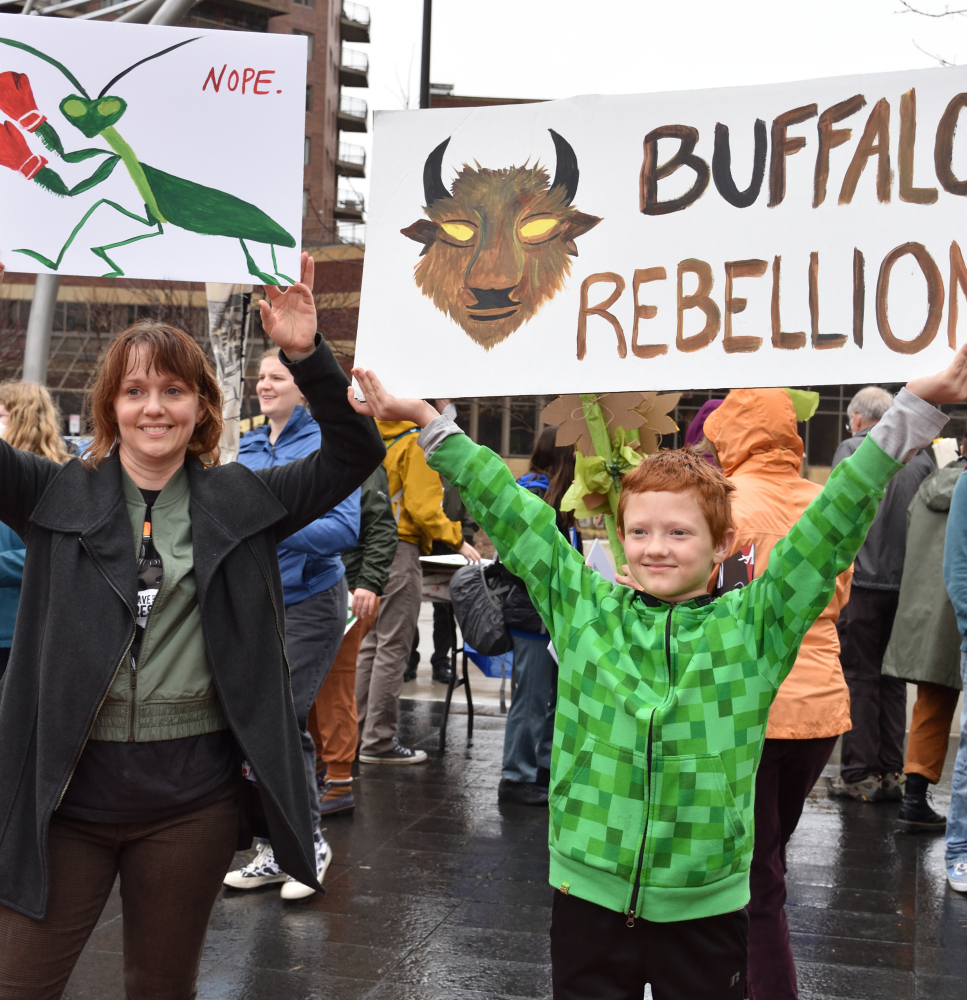
The first time I attended Quaker meeting after the March (2018), Russ Leckband gave me this piece of pottery, which was still warm from the kiln. The graphic on the right is about the Buffalo Rebellion, a climate justice summit, that I attended earlier this year.
(See: https://quakersandreligioussocialism.com/?s=Buffalo+rebellion )

I suppose this blog post is more reflections on the prior reflections.
(As a photographer, I envision what that might look like)

Indy Art Jeff Kisling

Changes since the March in 2018

Environmental devastation and chaos are occurring much more rapidly than expected. In some ways not anticipated. The havoc from increasingly ferocious and frequent wildfires, violent storms, floods, and development of large areas of drought are overwhelming our social, economic, and political systems. Continued wars ruin or prevent the transport of vast quantities of agricultural products.

So many of the systems we used to depend on, we no longer can. Municipal services such as water, power, sewage, and trash processing will fail, are failing.  Food will no longer be available in grocery stores. Medical services will collapse. What will happen to those in prisons and long-term care facilities? Financial failures will wreck the economy and end social safety nets.

There are other compelling reasons to design and build new communities. Our economic system has not adapted to the loss of jobs overseas and to automation. There are simply not enough jobs for millions of people, and many of those who do have work are paid at poverty levels. Forced to depend upon increasingly diminishing social safety nets.

The judicial and law enforcement systems work with extreme bias against people of color. What will the response of militarized police, armed forces, armed militias be as social unrest escalates?


How do we respond? Some lessons learned from and since the March.

It is one thing to talk about change, but it is becoming increasingly difficult to avoid the reality of the changes described above. So, this is not an intellectual exercise.

Almost none of the White people I know, or have observed, are thinking of the radical changes necessary to deal with this evolving chaos. They are trapped in these failing systems and ways of being. Even those who recognize the many injustices of those systems.

For many reasons I believe our responses will be a return toward Indigenous ways and the sustainable ways of our ancestors.

White settler colonists must learn the true history, which was not taught to us. We can’t begin repair if we don’t know the underlying sources of injustice. We must stop treating the symptoms and instead focus on the causes, the underlying disease.

I FEEL THAT I NEED TO go backward in order to go forward. If we are going to find a way to make livable lives in these times, it is necessary to move beyond “human-related activities”: the climate crisis is tethered to its origins in slavery and colonialism, genocide and capitalism.

Maynard, Robyn; Simpson, Leanne Betasamosake. Rehearsals for Living (Abolitionist Papers) (p. 25). Haymarket Books. Kindle Edition.

I’ve been learning about the #LANDBACK movement, but I hadn’t consciously made the connection to the land we walked and slept upon during the March. We were deeply affected when we crossed the pipeline. And were aware of how different it was to spend hours outside and away from the busy-ness of technology. Many more hours than usual for many of us. And yet time had that elastic property that made hours seem like minutes and vice versa as we traveled through space together. Hearing stories of the past that can help us face the future.

Most of my White friends are horrified as they are learning more about the atrocities committed at the Indian boarding schools. Can hardly believe thousands of children died there. But they are being forced to as the remains of the children are being located.

White people cannot process these things and begin healing as long as they remain in the their White spaces and thinking. And deny any responsibility for what was done in the past.

My hope and prayer is a mass movement of us build Mutual Aid networks.

As William Shakespeare wrote, “what’s past is prolog”. Native children are still being taken from their families in the guise of child welfare. Native children are still forcefully assimilated when they are forced to read the White settler colonist view of history.

My involvement in Mutual Aid for the past two years has resulted in significant changes in my life. Changes that can be done now and help us move into the future. Another quote from the book Rehearsals for Living eloquently describes Mutual Aid.

My hope and prayer is a mass movement of us build Mutual Aid networks.

You and your relations, my friend, are (still) busy building a different world at the end of this one. This is something I’ve emphasized over and over again in my own work. I cherish the belief and practice that it is never enough to just critique the system and name our oppression. We also have to create the alternative, on the ground and in real time. In part, for me, because Nishnaabeg ethics and theory demand no less. In part because in Nishnaabeg thinking, knowledge is mobilized, generated, and shared by collectively doing. It’s more than that, though. There is an aspect of self-determination and ethical engagement in organizing to meet our peoples’ material needs. There is a collective emotional lift in doing something worthwhile for our peoples’ benefit, however short-lived that benefit might be. These spaces become intergenerational, diverse places of Indigenous joy, care and conversation, and these conversations can be affirming, naming, critiquing, as well as rejecting and pushing back against the current systems of oppression. This for me seems like the practice of movement-building that our respective radical practices have been engaged with for centuries.

Maynard, Robyn; Simpson, Leanne Betasamosake. Rehearsals for Living (Abolitionist Papers) (p. 39). Haymarket Books. Kindle Edition.

Following is the latest version of a diagram I’ve been working on to visualize some of what I’ve expressed above.

Our foundational stories: Beginning

Recently I heard a Quaker friend speak about returning to the beginning of a foundational story in our lives. And then think about how that story changed as we grew older. And how we view it today.

That was amazing because I had begun to do just that before she spoke. My foundational story is related to the intersection between my Quaker faith, protecting Mother Earth, and photography. This combination has remained a powerful, yet evolving, influence throughout my life.

I’m praying about my foundational story for several reasons. Thinking of how drastically our world has changed since the beginning of my story. And wondering how I might be most helpful or effective now. Because my Quaker faith, care for Mother Earth, and photography have always been about doing what I’m led to do to help all my relations.

I often think of this quote:

If we are to find a new kind of good life amid the catastrophes these myths have spawned, then we need to radically rethink the stories we tell ourselves. We need to dig deep into old stories and reveal their wisdom, as well as lovingly nurture the emergence of new stories into being.

Pontoon Archipelago or: How I Learned to Stop Worrying and Love Collapse. By James Allen, originally published by Medium, June 18, 2019

So, this is me radically rethinking the stories I tell myself (and you). We are being forced to nurture the emergence of new stories into being because of the catastrophes that are ever worsening because of environmental devastation.

As I explain in the following, there have been times when I’ve kept a record of what I was thinking and feeling, documenting my foundational stories. Of course, I didn’t have a way to share what I was writing in my journal at the beginning of my story. That is one difference in how my story has changed, now that there are so many ways to share writings on the Internet. This has stimulated me to write nearly daily blog posts for more than the past five years. I don’t know how many people read them. Although the main reason has always been for me to think through, pray about, what was going on at the time.

Now I have ways to share what I was learning about spirituality with others. Some of this might be helpful for the declining number of those involved in organized religion. This is the Quaker piece of my story.


I began a journal in 1969 when I was a senior at Scattergood Friends School. (see: journal). This is my first journal entry.

Sept 29, 1969

Journal, Sept 29, 1969

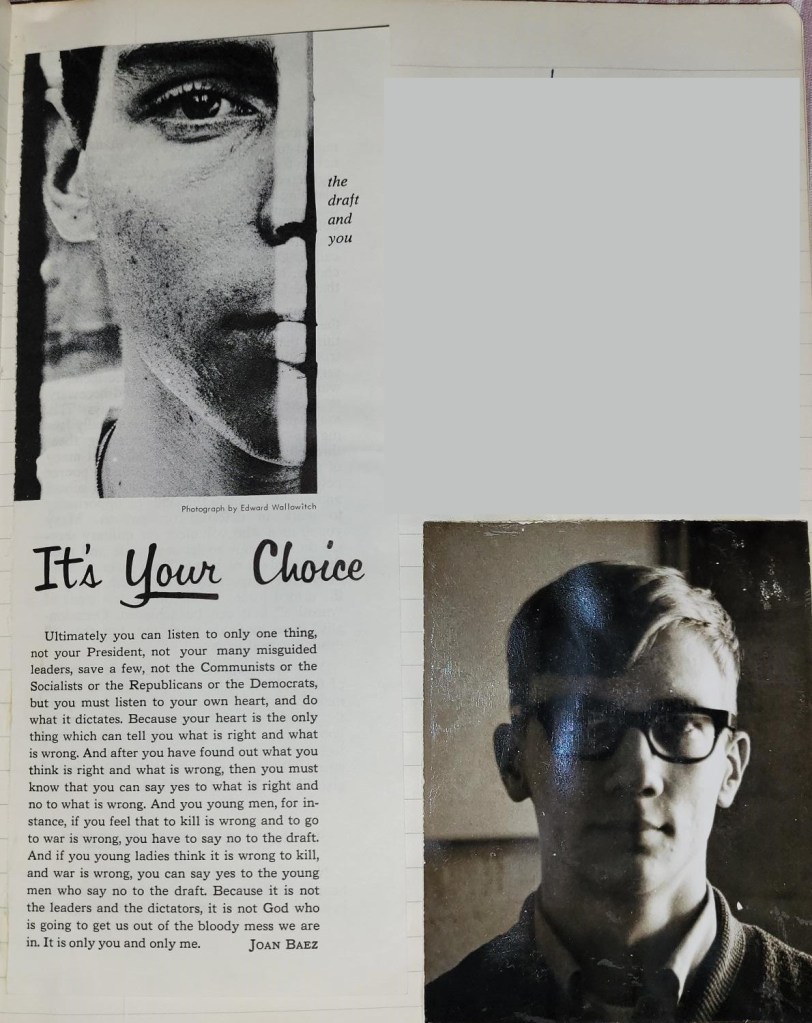
I sometimes included printed material in my journal. The following, It’s Your Choice, was written by Joan Baez, a folk singer and peace advocate. Which includes a photo of half of a young man’s face. I put a photo of myself at the time on the right-hand page of the journal entry for November 6, 1969. (Photography as part of my foundational story). Getting close to my eighteenth birthday, Nov. 21, 1969, when I would have to decide whether to register for the draft.

I would disagree with one thing she wrote. I believed it WAS God who was going to get us out of the bloody mess we were in, the Vietnam War.

Journal, Nov 6, 1969

It’s your choice
Ultimately you can listen to only one thing, not your President, not you many misguided leaders, save a few, not the Communists or the Socialists or the Republicans or the Democrats, but you must listen to your own heart, and do what is dictates. Because your heart is the only thing which can tell you what is right and what is wrong. After you have found out what you think is right and what is wrong, then you must know that you can say yes to what is right and no to what is wrong. And you young men, for instance, if you feel that to kill is wrong and to go to war is wrong, you have to say no to the draft. And if you young ladies think it is wrong to kill, and war is wrong, you can say yes to the young men who say no to the draft. Because it is not the leaders and the dictators, it is not God who is going to get us out of the bloody mess we are in. It is only you and only me.

Joan Baez

Mother Earth

Anyone who has farmed is intimately connected to our environment. The first ten years of my life we lived on dairy farms. I took the beauty for granted and remember much of the time was taken up with hard work. We had a large pond with a narrow strip of land through the middle, dividing it in half. There were many times I was so frustrated when I got the herd of cows moving around the pond, heading to the barn for milking, when half of them would turn back, going the wrong way down that narrow strip on the pond. And of course, when I went to get them, others would turn around, going along the side of the pond. One day it was so muddy I stepped out of my boots and that was the last straw. I went to the house in tears, without the cows.

In those days (1950’s) living on the farm usually meant living with very little money. But my parents were able to rent small campers that we loaded with food and went camping for two weeks. We usually went to National Parks. One of the first was Rocky Mountain National Park, which immediately became our favorite.

Photography

As a teenager I was blessed to be led to photography. I was a lifeguard at the YMCA in Marshalltown, Iowa, one summer. To show appreciation (we didn’t get paid) we were taken to the YMCA in Racine, Wisconsin, where we were taught to scuba dive in the swimming pool there.

On the way home, we stopped in downtown Chicago. I was amazed to find a camera so inexpensive; I could buy it with the small amount of cash I had with me. In those days cameras didn’t have automatic focus or built-in light meters. So, you used a standalone light meter to see what settings were needed for the shutter speed and aperture, and manual set those on the camera. The focus was also set manually. The camera looked like this picture on a tee shirt I have.

I don’t know why I was so drawn to photography. My mother and brother were artists. I couldn’t draw or paint well, though I didn’t spend much time practicing. This is my portrait of my best friend, Randy Porter.

Part of it was the science of photography. My career was to be computer programming and medical research. But the exacting process of film and paper development was often frustrating. For example, the temperature of all the chemicals and water bath could not vary more than one degree without causing problems in creating the negative of the film. I developed this photo of Long’s Peak in a darkroom.

Long’s Peak, Rocky Mountain National Park, Colorado Jeff Kisling

I wrote a lengthy story about photography in my life: Jeffrey Allen Kisling Photography

Quaker Faith

I was born into a Quaker family and community, Bear Creek Friends, near Earlham, Iowa. So, I grew up seeing how faith was an integral part of people’s lives.

Bear Creek Friends Meeting near Earlham, Iowa

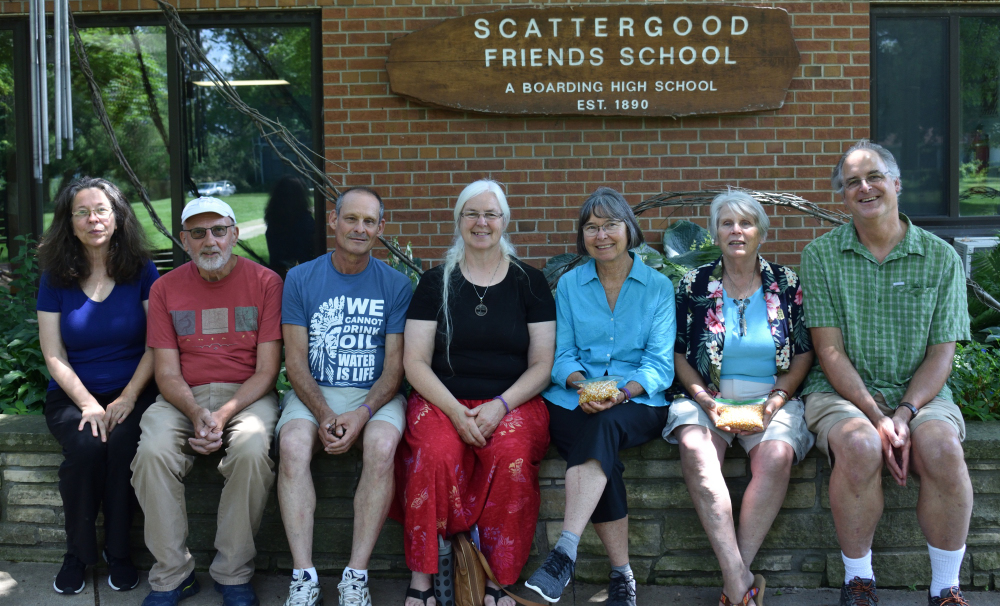
Attending Scattergood Friends School, a co-ed Quaker boarding high school, continued my Quaker education. Not so much intellectually, but in the way we worked together, and made decisions in community. We rotated through a crew system, where we prepared meals, baked bread, cleaned, did laundry, raised pigs, and did other work on the farm.

Scattergood Friends School

It’s not at all that we were indoctrinated. In fact, what we value is how we are challenged to examine our beliefs and whether we are living those in our lives. We have a spiritual practice of reflecting on questions, or queries, about our lives at that moment.

Queries related to peace and nonviolence:

  • What are we doing to educate ourselves and others about the causes of conflict in our own lives, our families and our meetings? Do we provide refuge and assistance, including advocacy, for spouses, children, or elderly persons who are victims of violence or neglect?
  • Do we recognize that we can be perpetrators as well as victims of violence? How do we deal with this? How can we support one another so that healing may take place?
  • What are we doing to understand the causes of war and violence and to work toward peaceful settlement of differences locally, nationally, and internationally? How do we support institutions and organizations that promote peace?
  • Do we faithfully maintain our testimony against preparation for and participation in war?

The first time I was really challenged in my faith was while a senior at Scattergood. All eighteen-year-old boys were required to register with the Selective Service System (military draft). That was consequential because the draft at that time was inducting boys into the armed forces, where many were sent to the war in Vietnam.

Quakers could apply for conscientious objector status, which would allow you to spend two years working as a civilian, most often in hospitals. Many of us found doing so was still participating in the military and refused to cooperate with the draft. To refuse was a felony offense.

I was convinced becoming a conscientious objector was wrong for me. But I struggled with the idea of facing time in prison. There were over a dozen Quaker men who refused to cooperate in the 1950’s when there was a peacetime draft. And they were imprisoned. Muhammad Ali also refused to be drafted. That showed me there are people who act according to their beliefs, no matter the consequences. Without their example, I imagine I might not have resisted the draft myself. I did refuse to cooperate but was not prosecuted for that.

Quakers don’t believe in proselytizing, instead believing the way they lived their lives might be an example for others. Like those who resisted the draft mentioned above.

Together

My faith led me to try to share my spiritual experiences and show my love for the beauty of Mother Earth through photography. These three things, together, concern for Mother Earth, photography, and faith, came into play in many ways, and at various times during my life. I love this quotation, which pulls these things together.

(Barry) Lopez could not have known the effect he was having on one impressionable member of the audience. Yet I believe he established a connection with me that evening—a thin strand in the elaborate web that is community—by describing a path that was utterly new to me, and by suggesting that, as others had walked that path, it was safe for me to do so as well. This all happened in the space of a few seconds, as he mulled over the central question plaguing the men and women at the conference, namely: How could we convince lawmakers to pass laws to protect wilderness? Lopez argued that wilderness activists will never achieve the success they seek until they can go before a panel of legislators and testify that a certain river or butterfly or mountain or tree must be saved, not because of its economic importance, not because it has recreational or historical or scientific value, but because it is so beautiful.

His words struck a chord in me. I left the room a changed person, one who suddenly knew exactly what he wanted to do and how to do it. I had known that love is a powerful weapon, but until that moment I had not understood how to use it. What I learned on that long-ago evening, and what I have counted on ever since, is that to save a wilderness, or to be a writer or a cab driver or a homemaker—to live one’s life—one must reach deep into one’s heart and find what is there, then speak it plainly and without shame.

Reid, Robert Leonard. Because It Is So Beautiful: Unraveling the Mystique of the American West. Counterpoint. Kindle Edition.

HOW ACTIVISM LABOUR DEFIES CAPITALISM

It only takes one doom scroll through social media to see there is no shortage of injustice in the world. But there is also no shortage of people who have dedicated themselves to dismantle systems of violence and advance justice through activism.

With how deeply entrenched injustice is in our society, the work to dismantle injustice is a full-time job. Despite the hours put in, this job does not fit a capitalist and colonial view of labour.

HOW ACTIVISM LABOUR DEFIES CAPITALISM By Gabriela Calugay-Casuga, Rabble.ca., August 9, 2022

I’m intrigued to have come across the idea of Community Supported Organizer (CSO) this morning.

I’m so often impressed by the dedication, sacrifice and skills of my friends involved in activism. I learn about some of the things they are involved in when I’m at our (Des Moines Mutual Aid) weekly food giveaway. This networking is one of the advantages of being involved in this community. The following summary describes some of what has been accomplished by Des Moines Mutual Aid over the past two years.
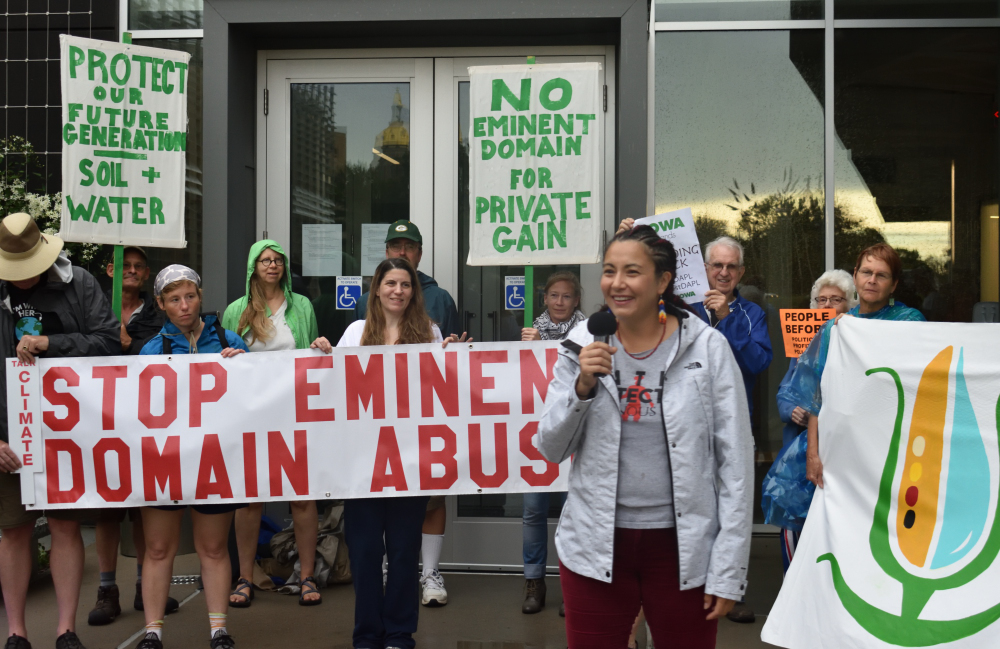
Ronnie James

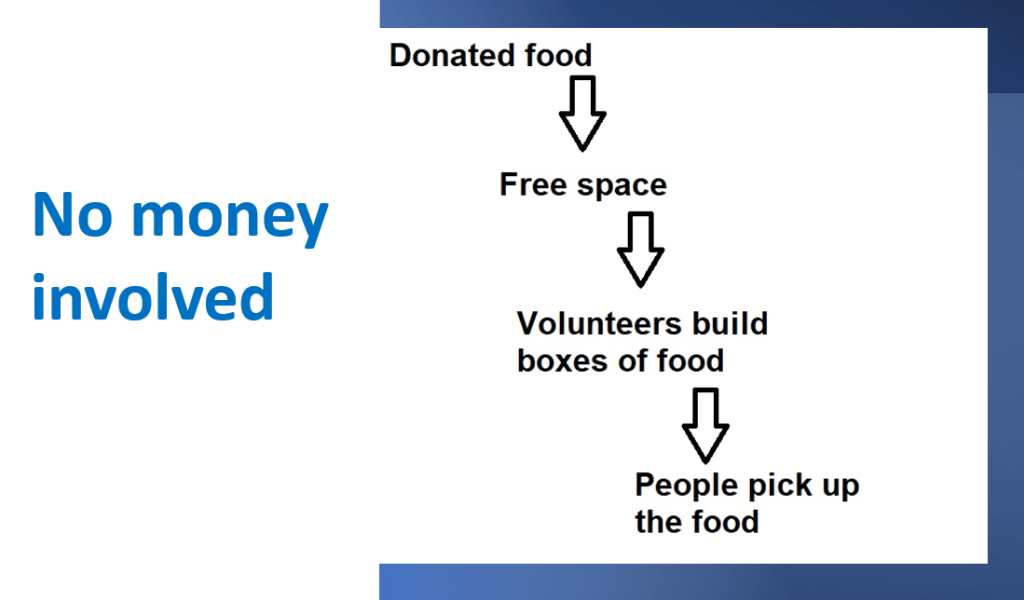
One of the basic principles of Mutual Aid is to replace the capitalist economic system. The following shows no money is involved in our food distribution project. Of course, someone pays to make the food that is donated. But this is food that would otherwise not be used. In a local community it is possible to have the food produced without money when the farmers are supported in nonmonetary ways by the community.


But as we work to replace capitalism, we remain in that economic system for the time being.

In this context of social isolation and forced dependency on hostile systems, mutual aid— where we choose to help each other out, share things, and put time and resources into caring for the most vulnerable— is a radical act.

Dean Spade. Mutual Aid: Building Solidarity During This Crisis (and the Next) (Kindle Locations 119-120). Verso.

Mutual Aid Will Help Communities Thrive

Part of the answer is community care and mutual aid, according to Jones. She said that many mutual aid networks popped up during the pandemic, but this type of support can continue outside of COVID-19 lockdowns. She said that every person has different capacities and needs. Finding the ways those capacities and needs fit together will create a support system that can continue to dismantle cycles of injustice.

Grove said that if every community does work to identify its needs, then folks in positions of privilege can come together to support those who do unpaid but necessary work.

“A lot of forest defenders lost their cars, lost their homes, lost everything because they saw that this is a fight worth fighting,” Grove said. “The next task was figuring out what the needs are of people that come off these frontlines. Sometimes it’s financial, like you just need to get a roof over your head.”

Jones said that mutual aid work also reveals that activism is not some exclusive thing that only a few people can engage in. Anyone can support the struggle for justice, Jones said.

“There’s this idea that there’s a class of people that ‘do activism,’” Jones said, “but that’s not a mass movement. A mass movement is when everybody has the skills and capacity, everybody is called upon to do what they can, everybody gives what they can, everybody is empowered and given the ability and resources to do that.”

HOW ACTIVISM LABOUR DEFIES CAPITALISM By Gabriela Calugay-Casuga, Rabble.ca., August 9, 2022


CSO = A New Model for Supporting Autonomous Agents of Change

Backbone Campaign’s Community Supported Organizer (CSO) pilot program is a nascent but promising innovation in funding social change work. Backbone designed this model to work similarly to Community Supported Agriculture (CSAs). CSAs create a stable funding source for local farmers through a synergistic relationship with community members who pledge support.  In return, the CSA member receive a share of the harvest and a deeper connection to the farm and the food they eat. We believe that the CSO model presents a new way to support our most talented change agents, establish meaningful connection to the work being done, and a deep pride in the harvest.

Being a CSO provides a way for a self-directed change agent to be innovative and responsive to emergent opportunities. They are not constrained by an organizational bureaucracy directed from afar.  They are not locked into an inflexible plan or narrow mission.  A CSO is accountable only to a diverse community of sustaining donors from whom they crowd source recurring donations. This community benefits from a CSO’s increased skill and capacity gained through their immersion in the work and their access to training, skill shares, reflection, mentorship and tactical tools that Backbone Campaign provides.  We all enjoy the harvest of accelerated positive change and mounting victories.

We believe that the CSO concept can help further empower autonomous activists and organizers around the country to dedicate themselves more fully to the work they are doing in their communities. This will help lead us faster to the positive and just changes we strive to see happen in our world.

Backbone Campaign


Patreon

I don’t know much about patreon, but have used it to support Matè Farrakhan Muhammad, co-founder of the Des Moines Black Liberation Movement.

TheBlackArtivist is the creative engine of Matè Farrakhan Muhammad, a Des Moines based activist and artist who co-founded the Des Moines Black Liberation Movement. TheBlackArtivist seeks to explore, educate, and radicalize us as human beings against the oppressive forces which seek to destroy our futures and steal our joy.

https://www.patreon.com/theblackartivist/posts


Eco-despair

I’m finding it difficult to put into words what I think and feel now.

I say this not as “I told you so”, but to put environmental devastation into some context related to time. Fifty years ago, this farm boy moved to Indianapolis, and was horrified by the thick, noxious clouds of smog pouring out of thousands of cars. And was led to a spiritual vision of a life without owning a car. Though I still needed them, or city buses, occasionally for transportation. But I planned where I lived so I had a walkable environment. Grocery store, laundry and work within walking distance.

Of course, I am not the only one to do so, but vast numbers of people chose the path of the automobile. The path of least resistance, or most convenience.

Indigenous peoples have lived with a fraction of my carbon footprint for thousands of years. That was one of the reasons I wanted to develop relationships with Indigenous peoples. And am blessed that happened.

So, for fifty years I’ve tried all different ways to warn of what we were doing to Mother Earth. As far as I know, I didn’t convince anyone to give up their car. In 2015 I wrote about cars as weapons of mass destruction. Seven years ago, I wrote “now is the time.” The common refrain from all of us warning of what was coming. Every year we would say now is the time.

It is now painfully obvious that we must stop burning fossil fuel now if we are to avoid the extinction of the human race.  We are out of time.  We have to stop using personal transportation now.  We have to lead the movement to embrace mass transit now.  Cars are the seeds of war.  I ask you to join me in rejecting personal automobiles.  I’m not really comfortable being this assertive now, but I regret not being assertive enough thirty years ago.  Now is the time.

Cars as weapons of mass destruction, Jeff Kisling, 9/13/2015

It was easy for people to ignore what we were doing to Mother Earth because so much of the damage was invisible or occurring slowly. Catalytic converters covered up auto emissions. Carbon dioxide and methane are invisible gases. Air temperatures were increasing gradually and helped by the oceans absorbing so much of the heat.

But the signs began to be visible. Polar bears on tiny pieces of ice. Mountain snows disappearing. Islands being covered by rising waters. Water levels of lakes and rivers falling dramatically. Forests burning, frequent, wild storms.

But this summer we can no longer hide from the earth on fire.

Those of us who paid attention had an idea of what to expect from rising greenhouse gas emissions. The devastation unfolded as we anticipated.

But we are in new territory now. I think we have all been caught by surprise at the pervasive and prolonged record-breaking air temperatures. These will likely trigger tipping points, like unthawing methane deposits in the oceans, which would cause a rapid escalation of air temperatures.

Who knows what will happen now? People assume the heat will relent. But will it?


 It took me almost a year to figure out, first, what ailed me and then to develop a remedy for it. I was, it turned out, like the miners’ canary, among the early victims of an emerging virus, the one that causes eco-despair. Unlike the canary I was still walking and talking, though my spirit had a hard time getting out of bed. The first symptom was a growing awareness that our way of life had put us on a high-speed train headed for a nasty ecological crash. Then came the question that felled me: was there any reason to hope that we would be able to change course in time to avoid it, or at least to slow the train enough to minimize the damage?

I feared the answer was no. The train was propelled by a hyper-consumption lifestyle that we equated with progress and success for us as both individuals and as a species. We were addicted to it. I didn’t think enough people could be convinced to quit or quit aspiring to it. In developed countries it would mean giving up too many conveniences that we considered our birthright. Like cars and air conditioning and ever-increasing supplies of electricity and running water, both cold and hot. In the developing ones it would mean letting go of the dream of attaining that lifestyle.

A case of eco-despair by A.J. Chopra


Paradox of Mutual Aid

In response to a recent article I wrote, Ideological commitment to destroying life on Earth, there was an objection, that simply changing to another political system will not result in the changes we need.

I had quoted George Monbiot. “Until we change our political systems, making it impossible for the rich to buy the decisions they want, we will lose not only individual cases. We will lose everything.”

I agree with the objection about political systems. The changes needed now go far beyond political systems. What is needed is a complete change in the structure of how we live with each other and all our relations. A change in how we prioritize among the urgent needs, and how we come together to address them.

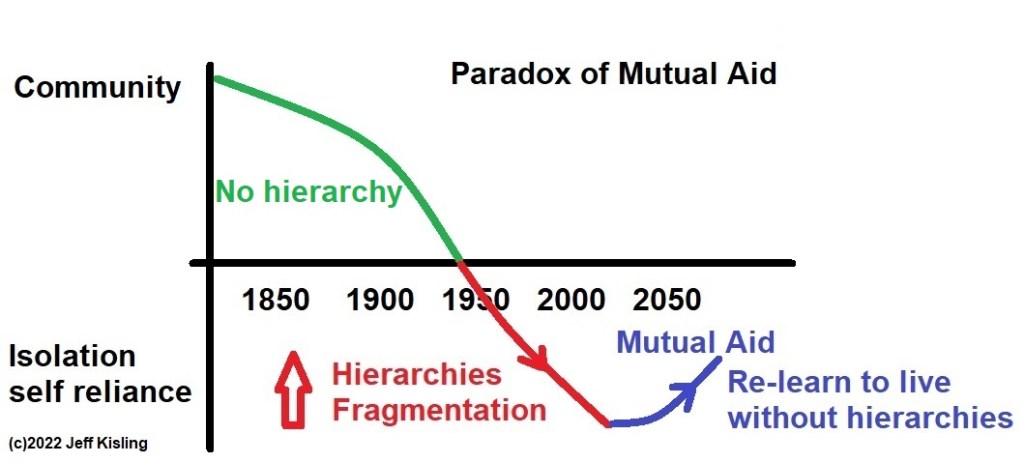
Today, in industrialized countries, all of our systems have become vertical hierarchies. Supervisors, teachers, politics, medicine, military, priests, and police. These hierarchies came about because of population growth and industrialization, which made our society more complex.

The primary reason for this switch to vertical hierarches was for control. The hierarchy for governance, for example, begins with the president, vice president, etc. Then Federal agencies, state governors, state agencies, mayors and city councils. These systems attempt to control us with laws, enforced by courts and police.

In a broader sense, the whole framework of capitalism and colonialism requires, and has viciously enforced vertical systems for control.


How does Mutual Aid replace these hierarchies? It does so by bringing governance and care back to local communities. At an earlier time, there might have been a debate about whether to do this. But since our current political chaos has paralyzed city, state, and federal governance, we will increasingly see the collapse of those systems. Hence another significant reason to build Mutual Aid communities now.

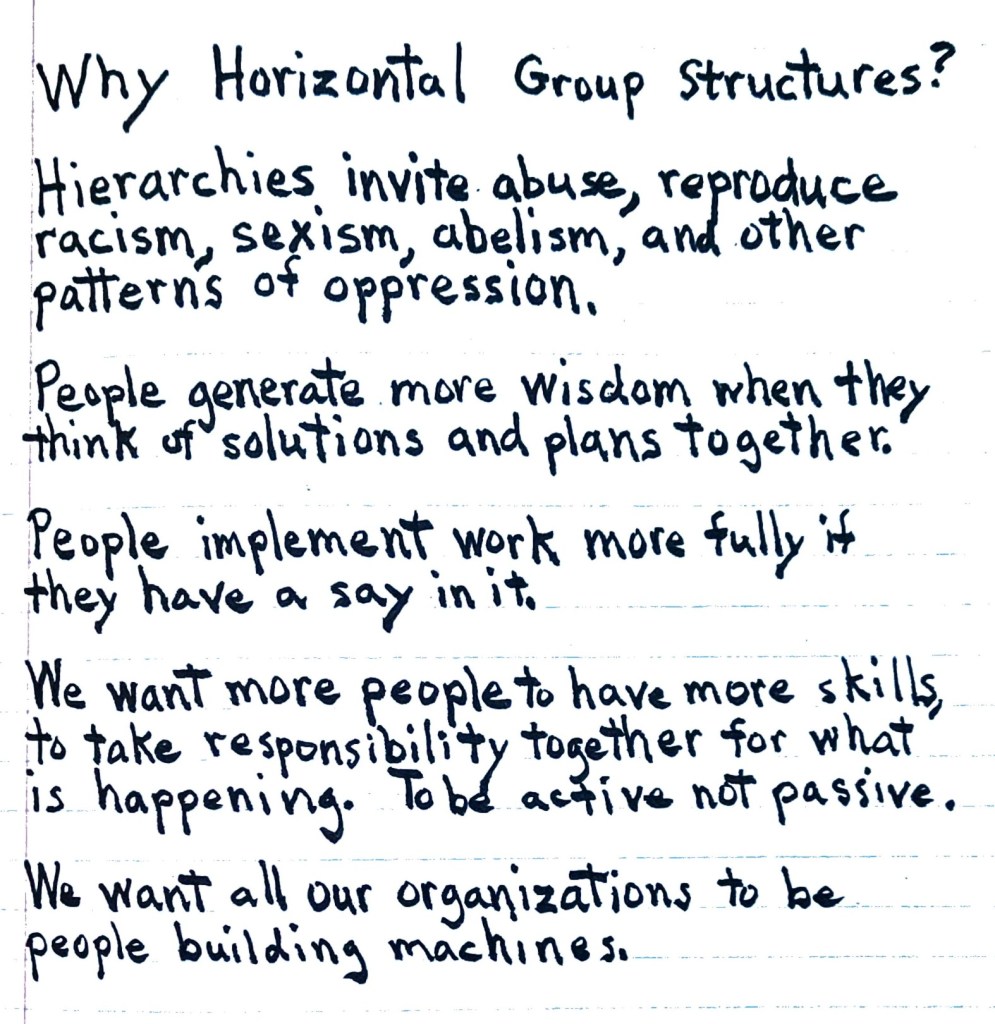
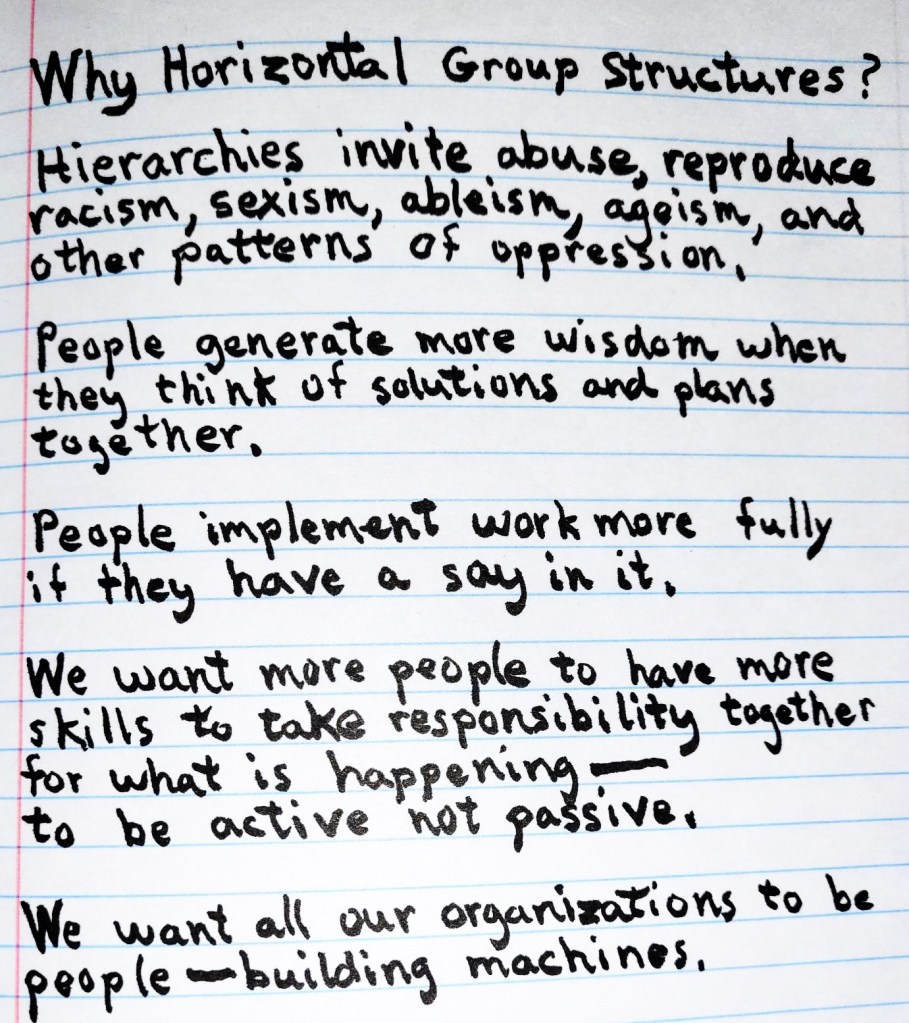
Mutual Aid is about a fundamentally different system of living in community. Mutual Aid is about living in a system of horizontal, flat, or no hierarchy. In horizontal group structures. A system that works in local neighborhoods and communities.

Trying to explain Mutual Aid is paradoxical, because that is the way peoples all over the world lived prior to industrialization. The way those in non-industrial places continue to live. The way our ancestors once lived.

People in our current, vertical hierarchies, don’t understand why we have to return to those ways. And why, if we decided to do so, it wouldn’t be easy to return to living without vertical hierarchies.

The problem is we bring our learned practices of hierarchy with us. We have forgotten how to live in a community without hierarchies. People become very uncomfortable when they realize they have forgotten how to act when order is not imposed by those above them in a vertical hierarchy.


“Mutual Aid is essential to our survival” by Dean Spake, Truthout, October, 28,2020


Because we bring our learned practices of hierarchy with us, a learning process is required to return to horizontal group structures.

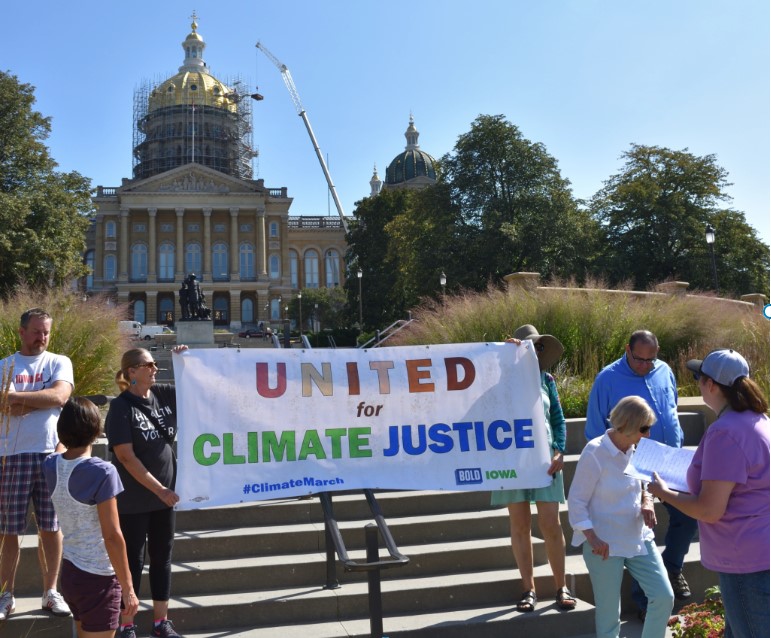
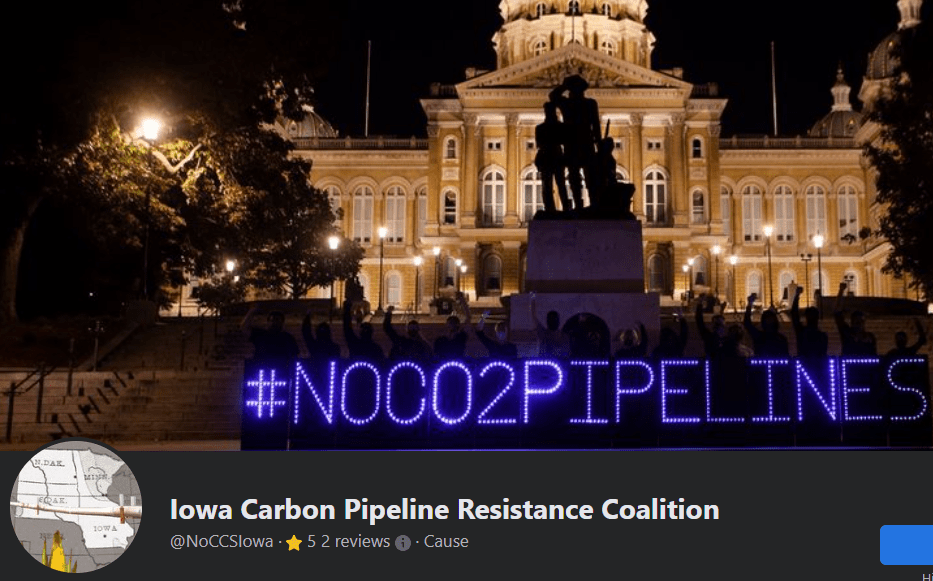
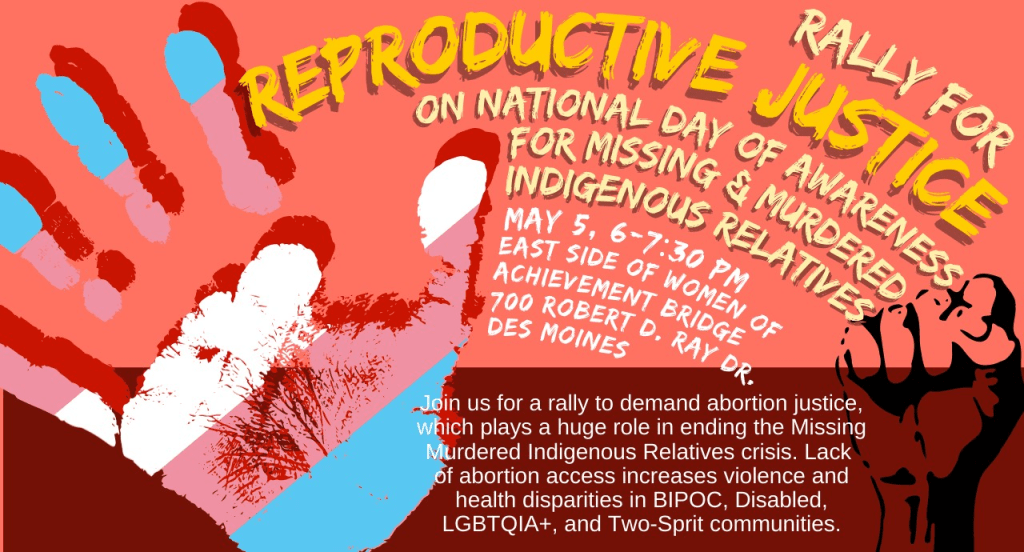
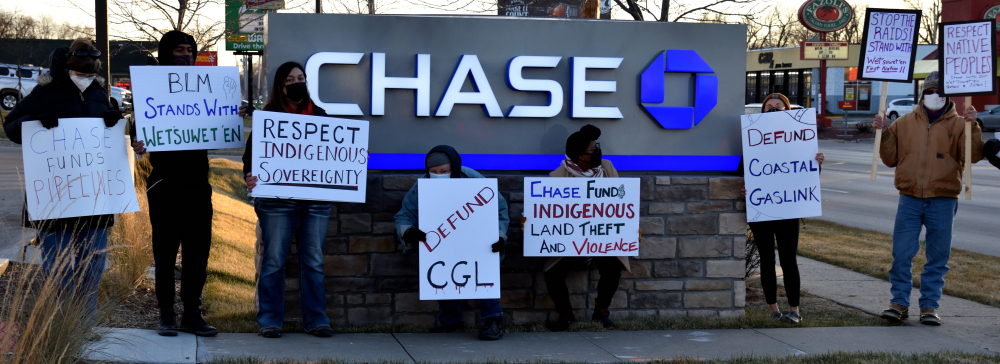
As I was researching this, I came across this description of a book that I look forward to reading. Which describes my own experiences as a middle-class settler activist. It has taken me several years to learn how to be in a Mutual Aid community, and I’m still learning. Giving away food and providing for the houseless are public political actions. As have been public political actions for reproductive justice, against carbon pipelines, removing racist monuments and celebrating Indigenous Peoples Day. All of these actions occurred out in the community, on the streets. We have to be there to be transformed. There is no alternative to doing this together, in public.

And I’ve prayed a lot, with critical self-reflection, about all these things. And continue to pray.


Decolonizing Solidarity: Dilemmas and Directions for Supporters of Indigenous Struggles by Clare Land

Land argues that the predominant impulses which drive middle-class settler activists to support Indigenous people cannot lead to successful alliances and meaningful social change unless they are significantly transformed through a process of both public political action and critical self-reflection.

description from goodreads


This is a link to one PowerPoint presentation I have created about Mutual Aid.


Ideological commitment to destroying life on Earth

The recent article by George Monbiot (excerpts below) explains that the multitude of recent government policies and judicial capitulations that are dismantling any efforts to protect Mother Earth are not based on financial interests. The ideology of the ultra-rich is one committed to destroying life on Earth. “It’s no longer about money for them. It’s about brute power: about watching the world bow down before them. For this rush of power, they would forfeit the Earth.”

As Monbiot writes below, the changes needed to protect Mother Earth and all our relations cannot happen until we change our political systems.

Indigenous peoples have always known how to protect our environment. Which makes the policies of forced assimilation of native children and peoples all the more ignorant and reprehensible. We would not be in this catastrophic situation now if settler colonists had learned from native peoples. Can you imagine what that would have looked like?

What would be the political system that would allow us to honor the earth and each other? One alternative would be to build communities based on the concepts of mutual aid. (see: https://quakersandreligioussocialism.com/mutual-aid/ )

The following is from my mutual aid community, Des Moines Mutual Aid (DMMA).


But the final straw for me was a smaller decision. After two decades of disastrous policies that turned its rivers into open sewers, Herefordshire county council, following a shift from Tory to independent control, finally did the right thing. It applied to the government to create a water protection zone, defending the River Wye against the pollution pushing it towards complete ecological collapse. But in a letter published last week, the UK’s environment minister, Rebecca Pow, refused permission, claiming it “would impose new and distinct regulatory obligations on the farmers and businesses within the catchment”. This is, of course, the point.

When I began work as an environmental journalist in 1985, I knew I would struggle against people with a financial interest in destructive practices. But I never imagined that we would one day confront what appears to be an ideological commitment to destroying life on Earth. The UK government and the US supreme court look as if they are willing the destruction of our life support systems.

But even financial interests fail fully to explain what’s going on. The oligarchs seeking to stamp out US democracy have gone way beyond the point of attending only to their net worth. It’s no longer about money for them. It’s about brute power: about watching the world bow down before them. For this rush of power, they would forfeit the Earth.

Since 1985, I’ve been told we don’t have time to change the system: we should concentrate only on single issues. But we’ve never had time not to change the system. In fact, because of the way in which social attitudes can suddenly tip, system change can happen much faster than incrementalism. Until we change our political systems, making it impossible for the rich to buy the decisions they want, we will lose not only individual cases. We will lose everything.

It’s democracy v plutocracy – this is the endgame for our planet by George Monbiot, the Guardian, July 6, 2022


The Worker’s Summit of the Americas

As often as I think about why we need to move toward Mutual Aid communities and know that Mutual Aid is far from a new idea, I haven’t spent much time learning about the many cultures and countries that live this way, that are not based on capitalism.

Even though there has been little mainstream media coverage in this country, the Summit of the Americas was a dismal failure because so many countries boycotted it when the Biden administration refused to invite Cuba, Nicaragua and Venezuela.

The alternative summit, the Summit of the Americas of the Working Men and Women Workers declares they will, “take concrete action to combat the labor and social violence applied to our peoples by the U.S. and Canadian governments.” I don’t yet know what the power of this group is.

More leaders of Latin American countries have announced they will not attend the Summit of the Americas, which is taking place in Los Angeles. The summit has been mired in controversy after the Biden administration refused to invite Cuba, Nicaragua and Venezuela. On Monday, Mexican President Andrés Manuel López Obrador announced he would boycott the talks over Biden’s decision. The presidents of Bolivia, Honduras, Guatemala and El Salvador have also said they will not attend the summit.
Latin American Leaders Boycott Summit of the Americas, Democracy Now, June 8, 2022

Here is the final declaration of the alternative to the Summit of the Americas, the Summit of the Americas of the Working Men and Women Workers.

We, representatives of Trade Union, Peasant, Political and Social organizations, gathered in Tijuana – Mexico, June 10-12, 2022, on the occasion of the realization of the Summit of the Americas of the Working Men and Women Workers, in immediate response to the exclusion of Venezuela, Cuba, and Nicaragua imposed by the Government of the United States.

There is a systemic and structural crisis of capitalism in its imperialist phase. It is in itself a civilizational crisis. The capitalist economic model and its political arm neoliberalism, as well as its modern cultural foundation, have put the planet’s life in crisis. If not eliminated, imperialism’s necropolitics leads us to the planetary collective suicide, which is more lacerating in the sectors less favored by the current world system. Our position is a bet for life, and the empire offers us death: it is either life or death!

We are witnessing a process of recolonization over the people. This is expressed in the excessive growth of racism, poverty, unemployment, job insecurity, environmental deterioration of territories, criminalization of migration, and gender and cultural violence. For this reason, we call upon the programmatic unity of the American continent’s workers, peasants, and progressive and popular forces to reflect, debate, and take concrete action to combat the labor and social violence applied to our peoples by the U.S. and Canadian governments.

We consider that the working class of the 21st century will only be able to play an independent and central role if – in addition to fighting for the most heartfelt demands of the labor movement – it assumes the struggle against patriarchy together with the feminist movement, the struggle of the native peoples against climate change and the defense of the biosphere together with the youth and the broad spectrum of professionals and scientists.

We must build articulations and alliances in which we structure our common forces for a unique and global struggle. Globalize the struggles. Build new organic forms of the working class from the political-cultural to the socio-productive to overcome capitalism and build socialism.

A robust internationalism is needed to pay adequate and immediate attention to the dangers of extinction: extinction by nuclear war, climate catastrophe, and social collapse.

In this regard, we agree:

  • To promote active solidarity with the peoples and sovereign nations (Cuba, Nicaragua, and Venezuela) and the other peoples of the world “sanctioned” and attacked by economic blockades and unilateral coercive measures imposed by the U.S. and its allies.
  • To hold an annual meeting in Tijuana, Mexico, with the workers and social movements of the Americas to express solidarity with the peoples of Venezuela, Cuba, and Nicaragua and their revolutions to repudiate unilateral coercive measures against sovereign governments.
  • To constitute a Committee for the organization of the Meetings to be held annually in the North and South of Mexico, integrated by: Unión del Barrio of the USA, Movimiento Social Por la Tierra de México (MST), Sindicato Mexicano Electricista (SME), Alianza por la Justicia Global of the USA, Central Bolivariana Socialista de Trabajadores de Venezuela, Central de Trabajadores de Cuba, Asociación de Trabajadores del Campo de Nicaragua (ATC), Movimiento Magisterial Popular de Veracruz Mexico, Fire This Time of Canada, Freedom Road Socialist Organization (FRSO) of the USA, International Action Center (IAC) of the USA, Task Force on the Americas of the USA and the Plataforma de la Clase Obrera Antimperialista (PCOA).
  • Demand the immediate release of Alex Saab. He is a Venezuelan diplomat kidnapped by the U.S. and illegally detained in its territory since October 16, 2021. Saab’s arrest is an action that attacks diplomatic immunity, a right guaranteed by international law to any diplomatic official in the exercise of his duties.
  • Reaffirm the resolutions agreed upon at the Meeting of the Peoples of the Americas, held June 7-8, 2022, in Chiapas, Mexico.
  • To ratify our unwavering solidarity with the Palestinian and Saharawi peoples.
  • Demand that the U.S. Congress immediately cut off military aid funds to El Salvador, Guatemala, Honduras, Colombia, and Haiti.
  • Promote a campaign to hold an international day of action in solidarity with Cuba to be held when the U.N. General Assembly meets to condemn the blockade against the Caribbean island.
  • Expand the “Bridges of Love” program to other countries and international coordinate days on the last Sunday of each month in the form of caravans or other activities.
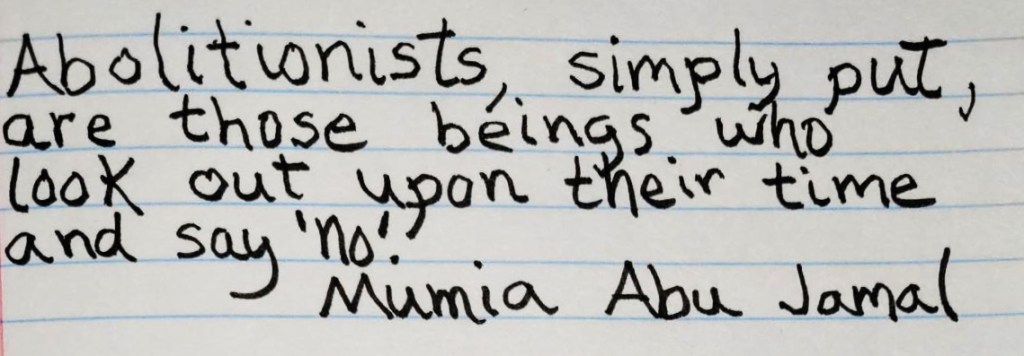
  • Demand the immediate release of comrades Mumia Abu Jamal, Leonard Peltier, Iman Jamil Abdullah al-Amin and Julian Assange.
  • Demand the immediate release of the social fighter Simón Trinidad from Colombia, who is deprived of liberty in prison in the USA.
  • To promote the regional integration of the anti-imperialist working class of Our America and the participation in the strengthening of ALBA TCP, CELAC, and UNASUR. In this sense, the Bolivarian Socialist Workers Central of Venezuela will call a meeting for the 3rd quarter of 2022.
  • To promote a campaign against the U.S., NATO, and Colombia’s policies of interference and expansionism and to ratify the declaration of Latin America and the Caribbean as a zone of peace promoted by CELAC.
  • We reaffirm the Mexican Electricians Union workers’ demands for their reinstatement in the Federal Electricity Commission.
  • We stand in solidarity with the Puerto Rican people and their dignified struggle for independence and sovereignty.

ONLY THE WORKERS’ STRUGGLE WILL SAVE HUMANITY, NATURE, AND THE PLANET!!!!

FINAL DECLARATION OF THE WORKERS’ SUMMIT OF THE AMERICAS By Fight Back News, June 16, 2022