
Diversity can refer to many things, such as race, ethnicity, gender, sexuality, class, age, ability, and faith background. Both the state of Iowa and our Quaker meetings in the Midwest have very little racial and other types of diversity. This does not reflect the diversity of the wider society nor the diversity in Quaker history and values.
Reasons why Friends need to confront their lack of diversity now
This is a topic that generates significant emotional reactions for numerous reasons. Perhaps one of the most basic is knowing we are not doing what our ancestors had done, what they would probably be doing if alive today.
If we are converging on history and practice, we are missing the point. If we are depending on institutions to create a new society or usher in the Kingdom, then we are deceived. These will not bring the radically egalitarian and Spirit-filled communities that God fostered among early Friends. These are forms, and Friends must follow the Spirit.
I’ve met others who need a Spirit-led Society. We share this vision, and we share the disappointment of being drowned out in meeting by classism, ageism, and racism. Some of us wonder if Quakerism isn’t all that different from the rest of liberal religion. From what we’ve seen, it isn’t apocalyptic. It isn’t radical. It doesn’t sound like Fox or look like Jesus. It works at incremental transformation while simultaneously shushing those who need the system overthrown.
Hye Sung Francis, Seeking a People
- Many of our Quaker meetings are small and growing smaller.
- A significant number of Friends are elderly
- We are failing to attract new members
- Members are leaving their (Quaker) meetings because
- Their justice work is not understood or supported
- They see the harm done to Black, Indigenous, and other people of color (BIPOC) in their meetings.
- They are frustrated by the meeting’s lack of understanding and involvement around their privilege
- And the lack of engagement and support for BIPOC communities.
- Many meetings fail to engage with justice groups that are doing good work, such as Mutual Aid communities.
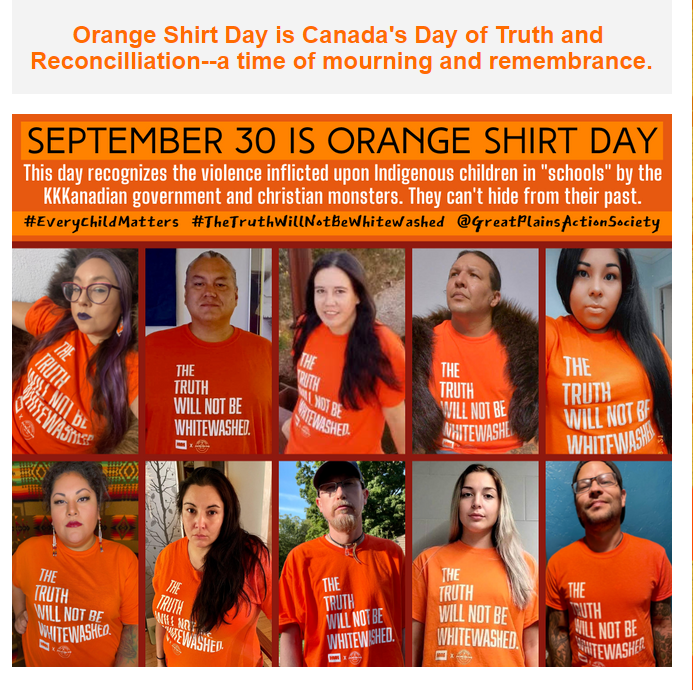
- Friends need to engage with Indigenous peoples now
- For truth and healing related to Friends’ involvement with the institutions of forced assimilation
- To support LAND BACK and ReMatriate
- I’ll be writing more about my friend Sikowis Nobiss’s new article PERSPECTIVES: Why “ReMatriate” is a more inclusive term for returning land to Indigenous peoples
Most White Friends fail to understand their privileges and the consequences.
- There are a range of justice activities by (Quaker) meeting members. Much of that relates to Friends’ long history of opposing war and violence. But because of our lack of diversity, we fail to understand many other significant and often insidious forms of violence, such as sexual, emotional, psychological, spiritual, cultural, verbal, economic, symbolic, and gender-based violence.
- Most male Friends are unaware of gender inequality and violence.
- Much of what passes for justice work are committee meetings, political letter writing, and financial support of Quaker justice organizations such as the Friends Committee on National Legislation and the American Friends Service Committee. That is not enough.
- Lack of connections with Indigenous peoples is a significant problem for Friends today.
- Friends are unaware of their ancestors’ settler colonization, including the theft of native lands. Many Friends don’t believe the land they occupy today is stolen land.
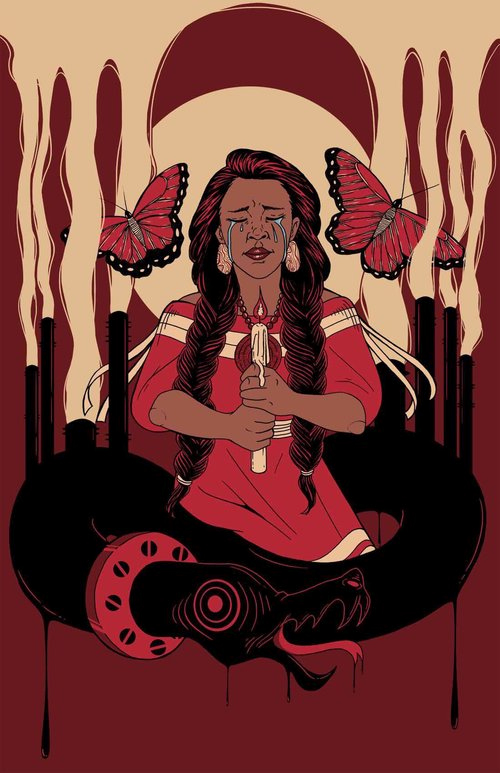
- Unaware of the ongoing crisis of Missing and Murdered Indigenous Relatives. And how this is tied to the construction of fossil fuel pipelines.
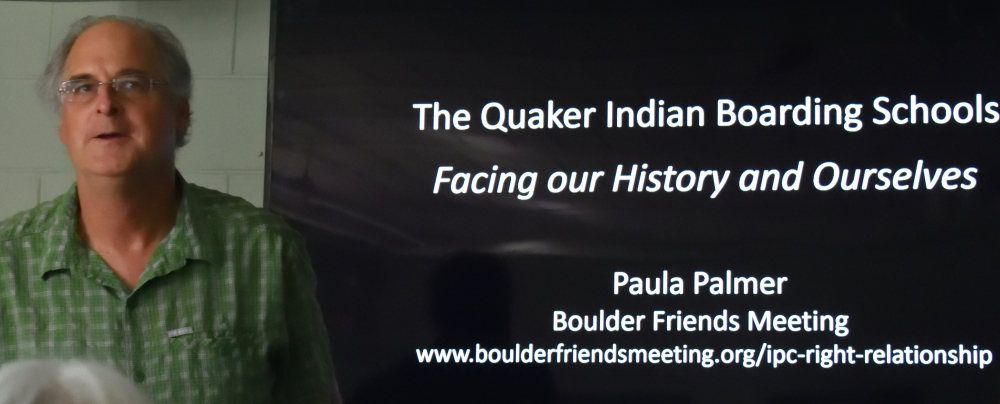
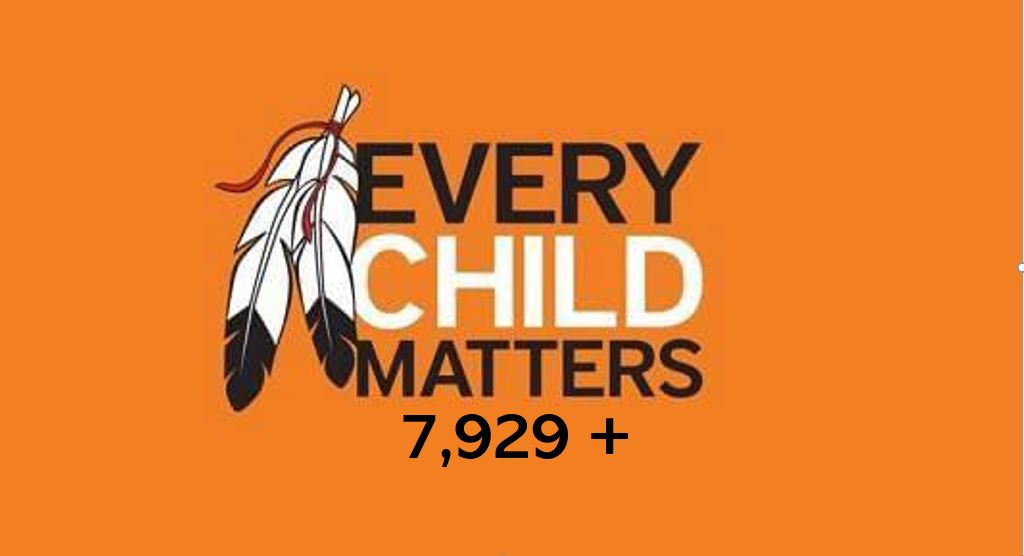
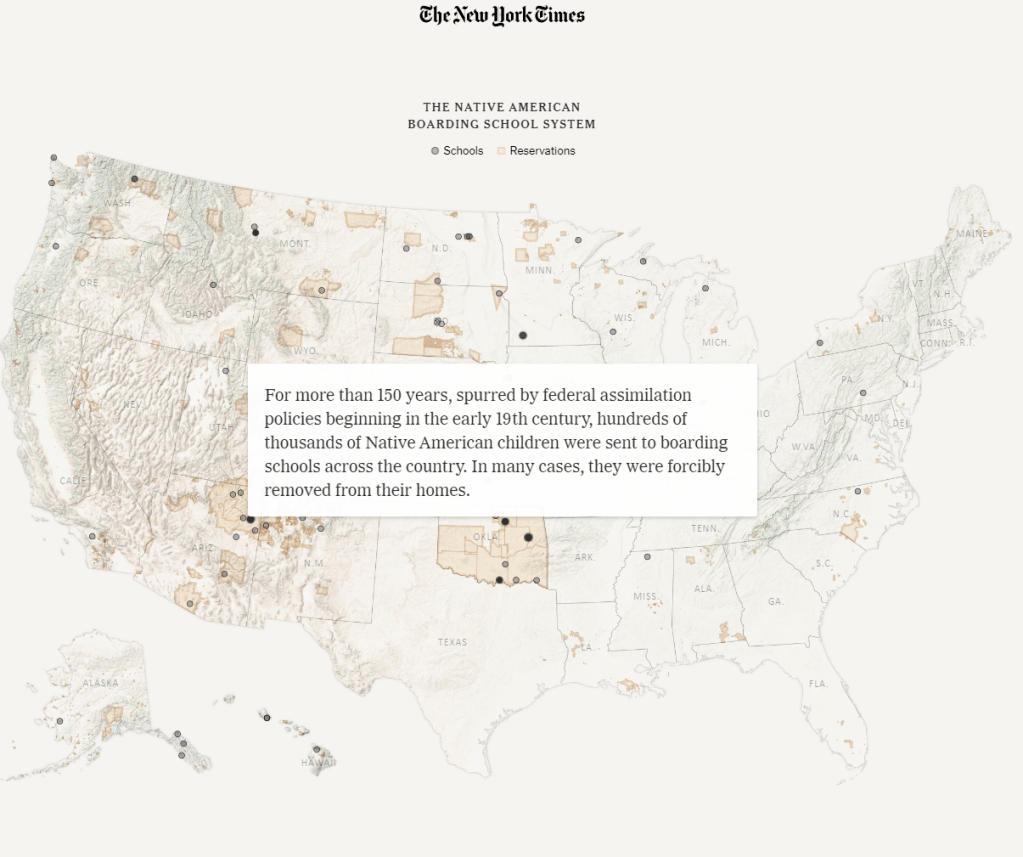
- Just becoming aware of Friends’ involvement with the forced assimilation of native children. Of the many forms of abuse and deaths of thousands of children at those institutions.
- Friends often don’t have the depth of spiritual awareness of all our relations that we can learn from Indigenous peoples.
- Structural violence is embedded in the social and economic systems that produce and maintain inequalities and injustices. It is often invisible or rationalized by the dominant groups that benefit from it.
- Symbolic violence is a form of power exerted through cultural and symbolic means rather than direct physical force. It reinforces social hierarchies and inequalities by imposing the norms and values of the dominant group on the subordinate group. It is often unconsciously accepted by both parties and can be expressed through various practices such as language, representation, body language, and self-presentation. The concept was developed by sociologist Pierre Bourdieu.
- This is a significant reason why Friends need to support and create Mutual Aid communities which address these very injustices related to symbolic violence.
- This makes me more aware that Mutual Aid is an expression of nonviolence.

MLK understood — or would have — that all the following things are forms of violence. People forced to “crowdfund” healthcare — to beg their neighbors for pennies for medicine. A workplace culture where being abused and berated by your boss is totally normal. Incomes not rising for half a century — while costs skyrocket to absurd levels. The average American dying in debt. Being forced to choose between healthcare and your life savings. Having to give up your home because you want to educate your kids.
All these things are forms of violence. Violence runs deep. It isn’t just mobs of fascists smearing feces on the walls — though it is also that. It’s what Americans do to one another as everyday interaction — and shrug off as normal. Mental, emotional, social, cultural violence makes up the very fabric of everyday American life. It’s the poisonous residue of slavery. And it’s profoundly traumatic. It has lacerated the American mind, and made violence a legitimate solution to every social problem. But these forms of all-pervasive violence are what a capitalist society is limited to, because everything is competition, rivalry, and ultimately, domination and subjugation.
Americans Don’t Understand What Violence Really Is by umair haque, Eudaimonia and Co, January 17, 2022
This lack of diversity has numerous consequences
- Excluding or marginalizing people who do not fit the dominant norms or expectations of Quaker culture
- Limiting the perspectives and experiences that inform Quaker discernment and action
- Missing out on the richness and joy of learning from and celebrating differences
- Failing to live up to the Quaker testimonies of equality, peace, and justice
For a long time, I had prayed that my Quaker community would engage with communities like my Mutual Aid community, thinking that would be mutually beneficial. But the clashes and the lack of lived experience with diverse communities of many White Friends have changed that. Now, I feel I need to protect my justice communities from the injuries they would experience from White Friends. It’s not that White Friends wouldn’t try to do what they thought would be helpful, but their lack of knowledge of oppression always results in harm.
For years, I’ve envisioned Quakers and oppressed people working together. But we (White Quakers) have to have enough experience in communities outside our meetinghouses to understand what is happening in these communities. To have a valid perspective. Until that happens, Friends will show they cannot be trusted, and we will be unable to cross the divide.
Over the years I’ve built this list of things I’ve learned from my experiences. I hope White Friends who haven’t yet had experiences outside their meetinghouse would keep these things in mind.
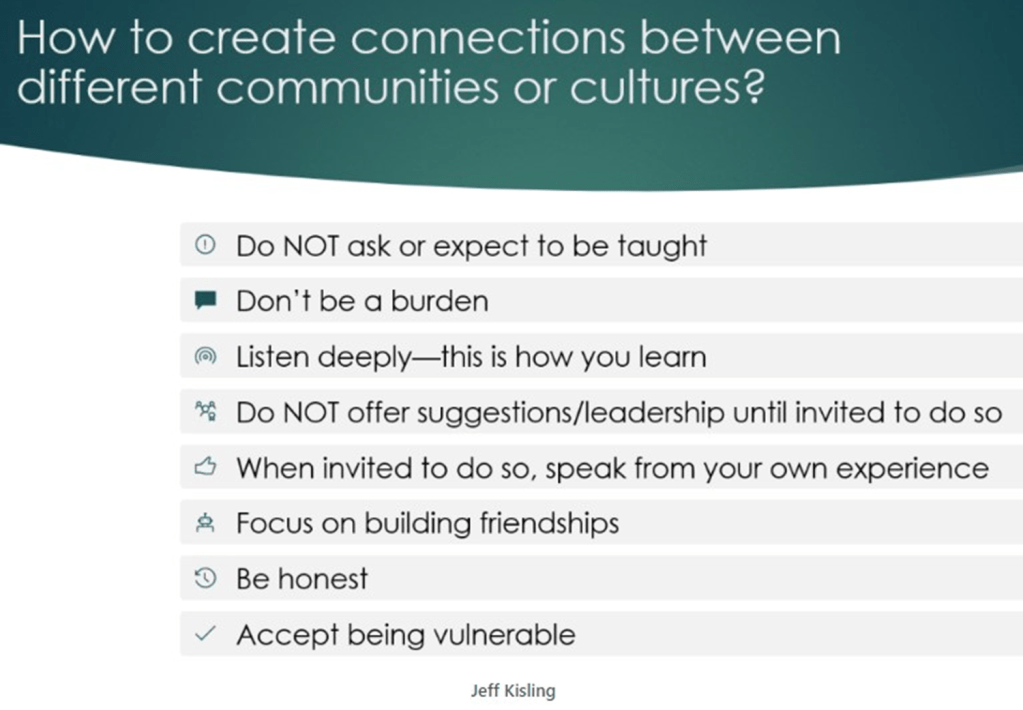
By far the most important is to not offer suggestions until the community trusts you enough to ask you for your input. When you are invited to do so, speak from your own experience. Do not talk about things in the abstract. It’s perfectly fine to say you don’t know the answer to a question. This honesty, this vulnerability is crucial. I like to keep in mind “we don’t know what it is that we don’t know.”
Time
It will take much longer than you expect to see this trust begin to develop. I’d been involved with the Kheprw Institute in Indianapolis for three years before I was asked to teach the kids there about photography.
Quakers are pretty white, and that comes with quite a bit of power and privilege. A Quaker in Omaha, Nebraska is going to have probably more weight in what they say to a legislator than a Black Lives Matter activist in Brooklyn, New York. I think there’s a need for Quakers to step out of their meeting and away from a lot of these phenomenal institutions that they’ve created and speak to individuals in an interfaith setting (from Black churches or Black Lives Matter) and have a cross-cultural understanding of what that experience is like because you’ll find that it’s very different, and I think the more we can do of that the more effective we’ll be in addressing these problems. These exchanges and fusion coalitions are what I think it’s going to take, not only for Friends to be effective in dismantling these systems of racism, classism, and white supremacy in American society, but also for all of us to better address these problems in our country.
José Santos Woss (FCNL), Quaker Faith and Justice Reform, QuakerSpeak video
This is another graphic I’ve been working on for years to put things in context.







 Quakers and Mutual Aid