Disaster preparedness

I write almost daily about Mutual Aid. Mainly because I’ve experienced what an effective and moral way this is for people to care for each other.

One of the most common reasons Mutual Aid communities come into being is in response to disasters. Yesterday’s post, Usefulness of Mutual Aid Against Our Failing Government, was about one of many unfolding disasters.

My lifelong experience has shown people will do anything they can to avoid acknowledging, let alone doing anything about disasters. I’ve often shared, many times and many ways, my inability to convince a single person that I know of, to give up their cars. The farm boy moving to the big city (Indianapolis) and being horrified by the clouds of noxious fumes visibly shooting out of the exhaust pipe of every car. This was in the early 1970’s, before catalytic converters hid the exhaust. I learned how quickly people stop listening to warnings like that.

So here we are. I don’t need to enumerate all the consequences we now see from refusing to deal with greenhouse gas emissions. People can no longer deny the environmental chaos. And yet they continue to refuse to do anything about it. Rather than work to reduce greenhouse gas emissions, emissions continue to climb. People are beginning to panic, to demand someone, somehow fix the problem. Even asking people to think about their children, and their children’s children, hasn’t worked, which is truly shameful.

Now it is far too late. The time lag between the time a certain amount of greenhouse gas enters the atmosphere, and when the warming that results from that amount are seen, is over 10 years. The loss of ice means sunlight that once reflected off it, is absorbed instead by the exposed dark water. The oceans have already absorbed enormous amounts of heat but are now heat saturated. Which has been fueling worsening hurricanes, extreme rainfall, and flooding. Another environmental disaster is the rapid increase in methane concentrations. Massive amounts of methane are frozen beneath the ice but are now being released as water temperatures rise.

Methane is the second most abundant anthropogenic GHG after carbon dioxide (CO2), accounting for about 20 percent of global emissions. Methane is more than 25 times as potent as carbon dioxide at trapping heat in the atmosphere. 

Importance of Methane, Environmental Protection Agency (EPA)

Severe drought will impact food production, hydroelectric power systems, and clean, or ANY water supplies.

Electrical power supplies and grids will fail. Try to imagine having no water or electricity.

I knew this environmental chaos would trigger the collapse of our economic, political and social systems, which don’t have near the resources or will to recover from these cascading problems.

Unfortunately, there are other disasters that I didn’t anticipate, or how they are evolving.

Although there are predictions of disease from microbes released from melting permafrost, I didn’t foresee the distrust of science. Or that public health would botch the response to the current pandemic.

I didn’t think about how people would blame increasing fuel prices on efforts to switch to electric vehicles, which many can’t afford.

I didn’t anticipate the polarization of the Supreme Court. I thought we might always be able to count on the balance of power from that branch of government.

I thought the governmental collapse would be from inability to deal with environmental chaos. What I didn’t foresee were politicians and parties actively subverting what we have called the democratic process. The naked grab for power and not even a pretense of working for the people. Of armed groups intimidating state governments. Threats to election workers.

Support for the armed insurrection of the US Capital. To the normalization of political violence.

Of the mounting evidence of the political crimes of the last president. Of the even greater polarization and violence likely to occur when the case is presented to the public. Between those who demand justice, and those of the large political base of the last president.

I don’t think any of this is news to people today.

What prompts this now is my belief that we will never again have a free and fair election. Not even looking to the 2014 presidential election, but this year’s midterm elections. There will not be even a semblance of a functioning government when there is conflict regarding who won the elections at all levels. Social safety nets, Social Security and other benefits could cease.

And who will control the military? How will all of this affect the standing of this country on the global stage? Couldn’t this political chaos be exploited by other countries militarily? Of course other countries will have these problems themselves.

I admit I could be wrong about some of this. But most of these things are playing out now.

That is why I believe it is urgent for us to prepare for disaster. Building Mutual Aid communities is the way to do so.

Break up with Canada

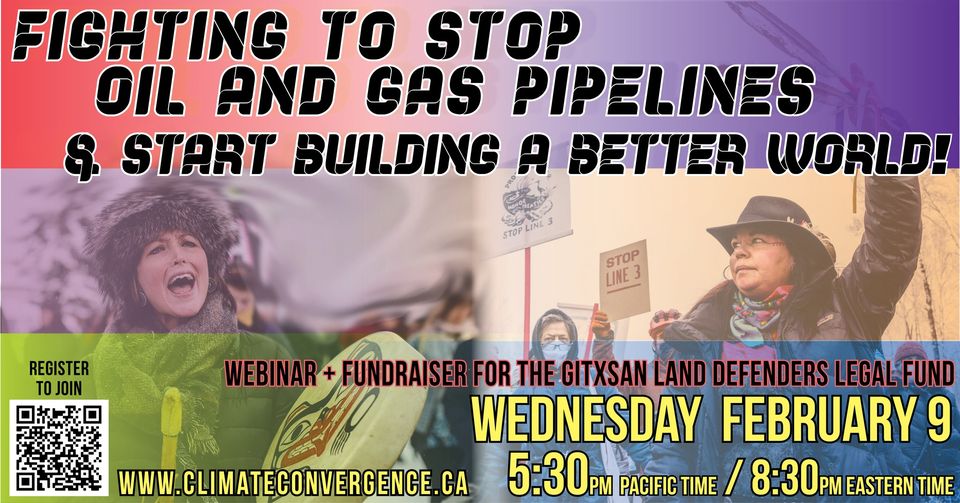
Last night I attended the “Fighting to stop oil and gas pipelines and start building a better world!” updating what is happening in Wet’suwet’en territory.

Image

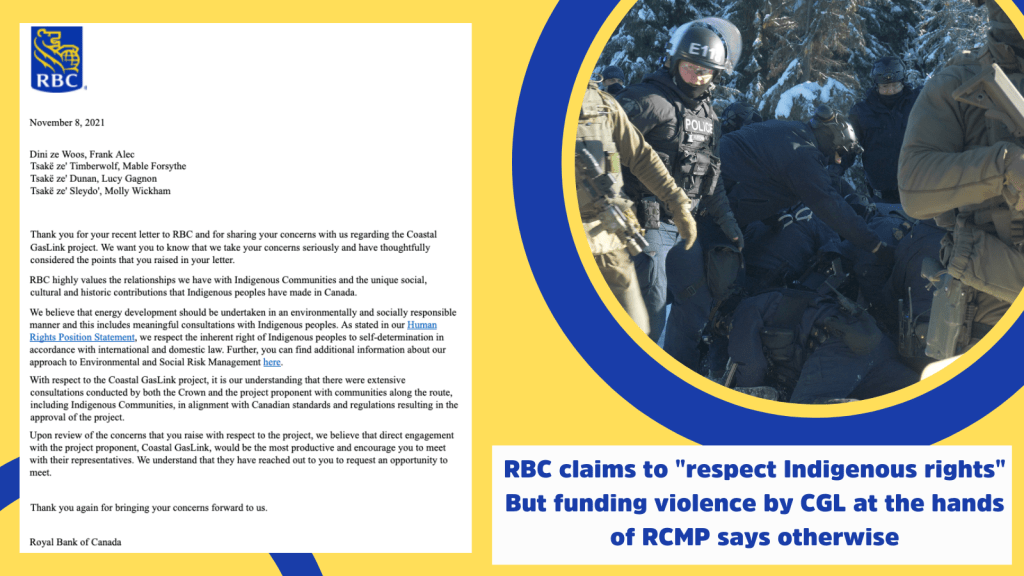
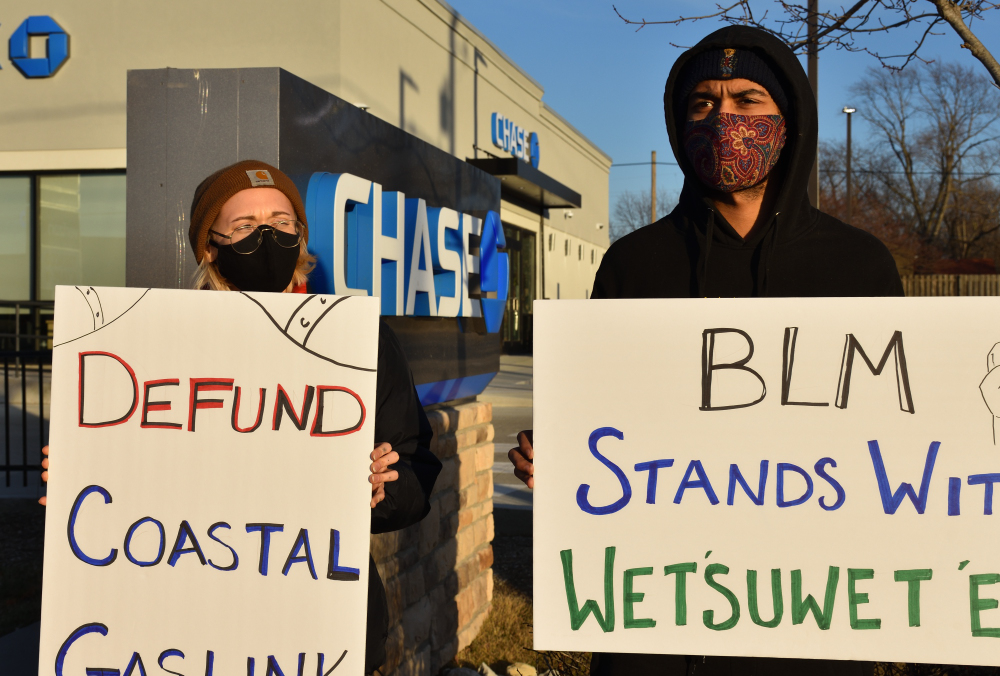
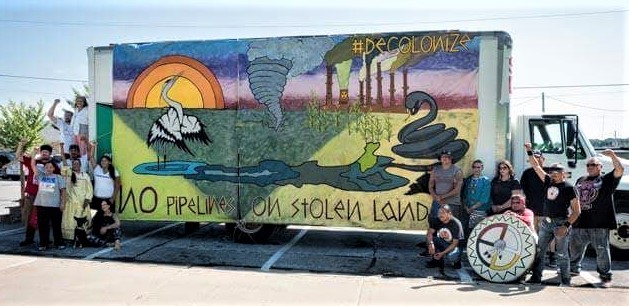
Sleydo, Molly Wickham, spoke about the Coastal GasLink pipeline. I hadn’t realized that pipeline was supposed to be the proof of concept that multiple pipelines could be built to transport fossil fuel through Wet’suwet’en territory, to the west coast to be loaded onto oil tankers. It’s called the “carbon corridor”. Which is why the Royal Canadian Mounted Police (RCMP) are working with the fossil fuel industry to force construction of the Coastal GasLink pipeline.

Sleydo said RBC has invested $400 million in the Coastal GasLink pipeline.

Iowa Solidarity with Wet’suwet’en

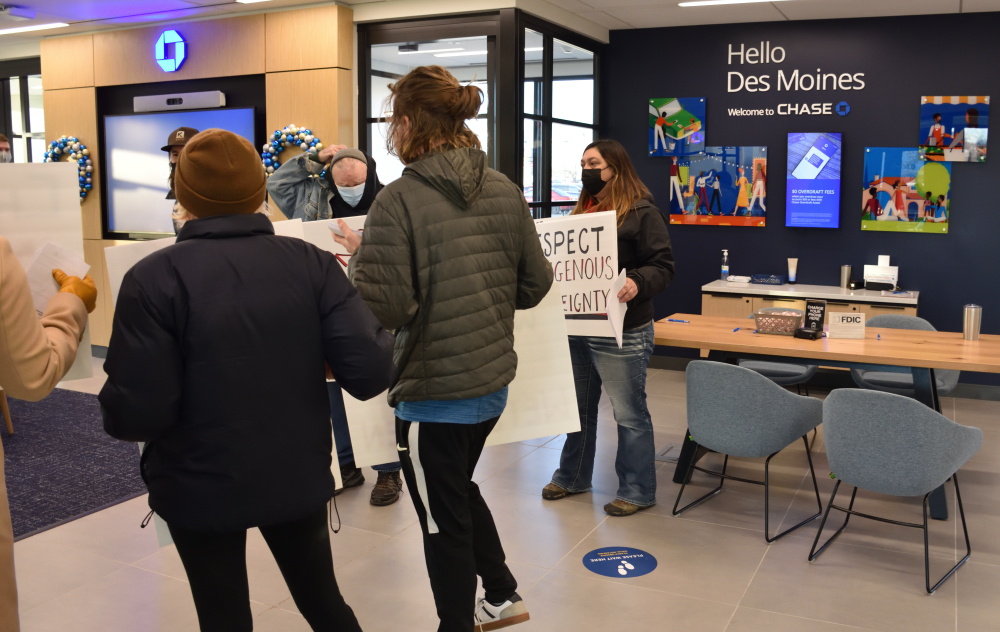
On December 22, 2021, we went to Chase bank in Des Moines to protest the bank’s funding of fossil fuel projects. In support of the Wet’suwet’en’s calls for solidarity.


First Nations land defenders on Monday filed a submission to the United Nations detailing how their territory and human rights are being violated by Canadian and British Columbian authorities in service of a fossil fuel corporation’s gas pipeline.

“We are intimidated and surveilled by armed RCMP, smeared as terrorists, and dragged through colonial courts. This is the reality of Canada.”

The submission to the United Nations Human Rights Council was filed by the Gidimt’en—one of the five clans of the Wet’suwet’en Nation—who for years have been fighting to stop the construction of Coastal GasLink’s pipeline through their territory in northern British Columbia.

The filing notes that “ongoing human rights violations, militarization of Wet’suwet’en lands, forcible removal and criminalization of peaceful land defenders, and irreparable harm due to industrial destruction of Wet’suwet’en lands and cultural sites are occurring despite declarations by federal and provincial governments for reconciliation with Indigenous peoples.”

Submission to UN Human Rights Council. “Wet’suwet’en is an international frontline to protect the rights of Indigenous peoples and to prevent climate change.” by Brett Wilkins, Common Dreams, February 7, 2022

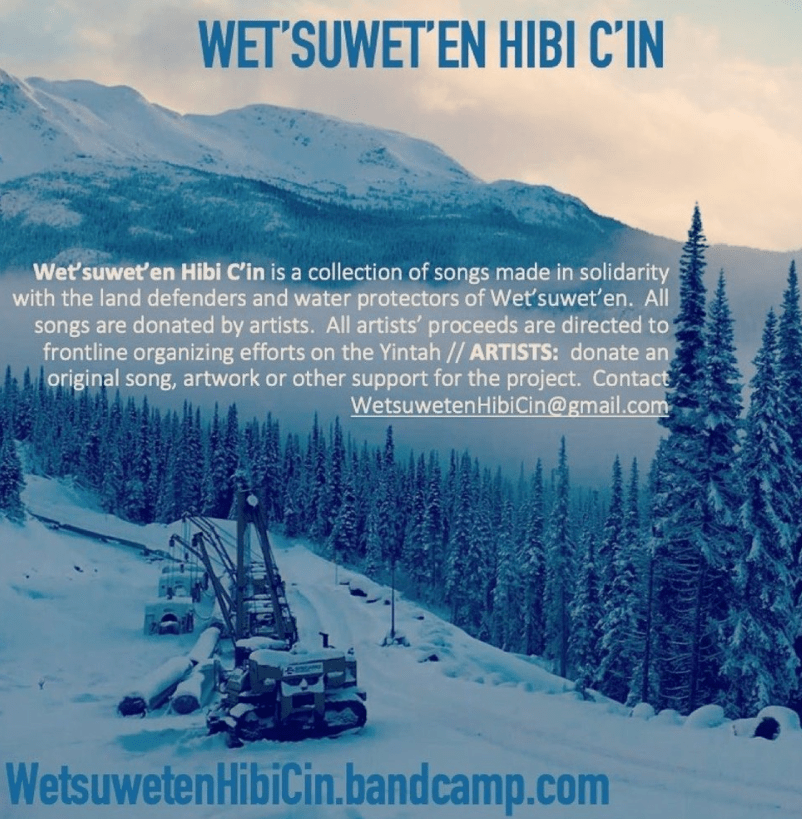
One way you can support the Wet’suwet’en is to purchase music donated by artists.

https://wetsuwetenhibicin.bandcamp.com/releases

Purchase TINY HOUSE to support Wet’suwet’en. I purchased TINY HOUSE and others. https://wetsuwetenhibicin.bandcamp.com/track/tiny-house

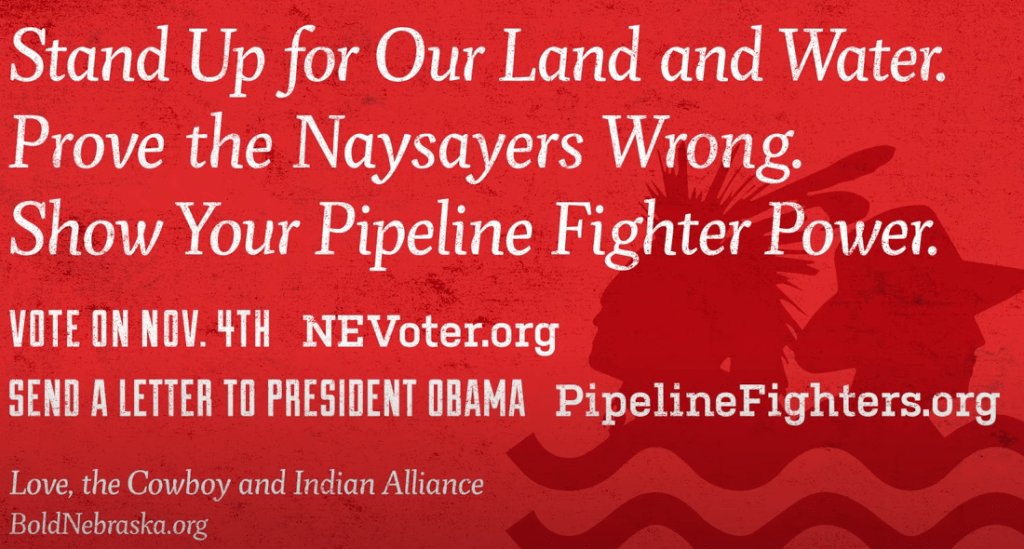
The Cowboy and Indian Alliance

I imagine many non-native people would like to know how to engage with Indigenous peoples for a variety of reasons. Even as a teenager I wanted to know more about cultures that lived with what I call environmental integrity. Fifty years ago, when I decided I could not own a car, it was a lonely place. I had no success at all in convincing others to give up cars. Worse, I couldn’t get anyone to even agree it was an important idea.

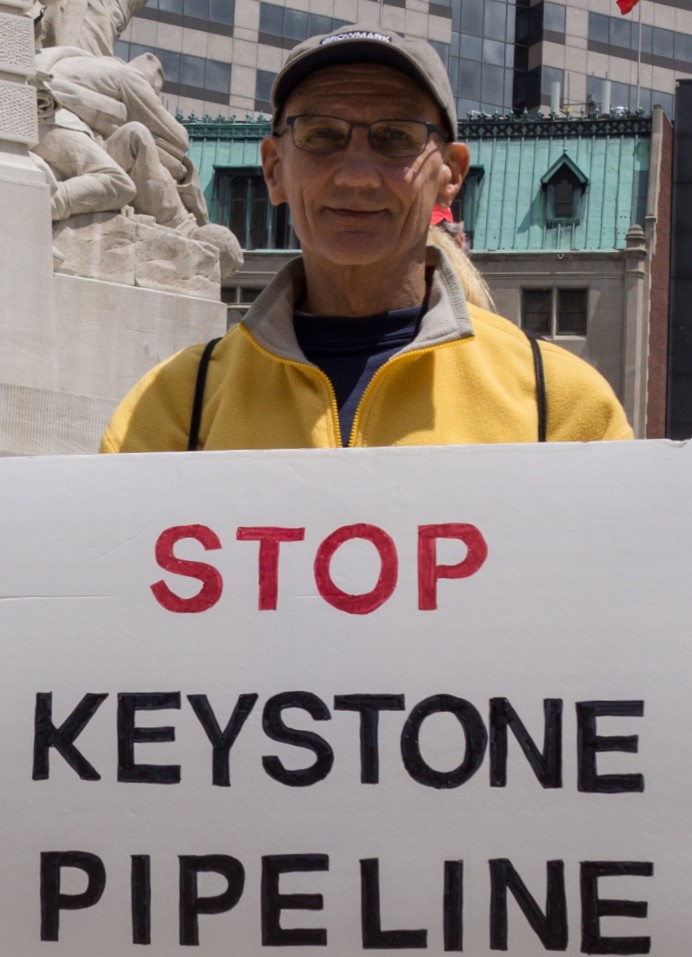
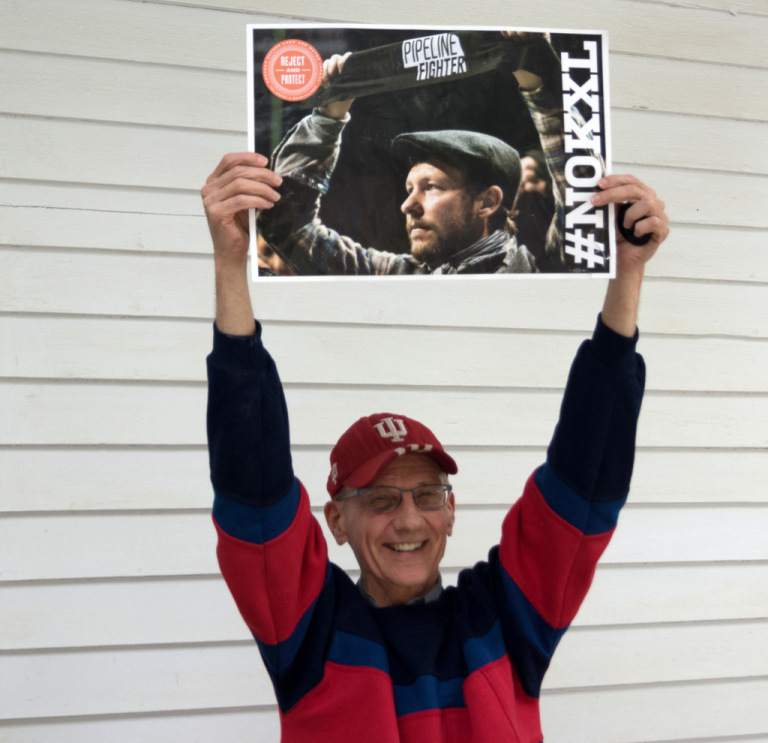
But what little I did learn about native cultures showed peoples who lived with far more integrity than I was able to. When I first became engaged with fossil fuel and pipeline resistance in 2013, I began to hear stories of Indigenous peoples working to protect the water. Then the Cowboy-Indian Alliance came together to oppose the Keystone XL pipeline. I was honored to be given this poster from the Harvest the Hope concert in 2014.


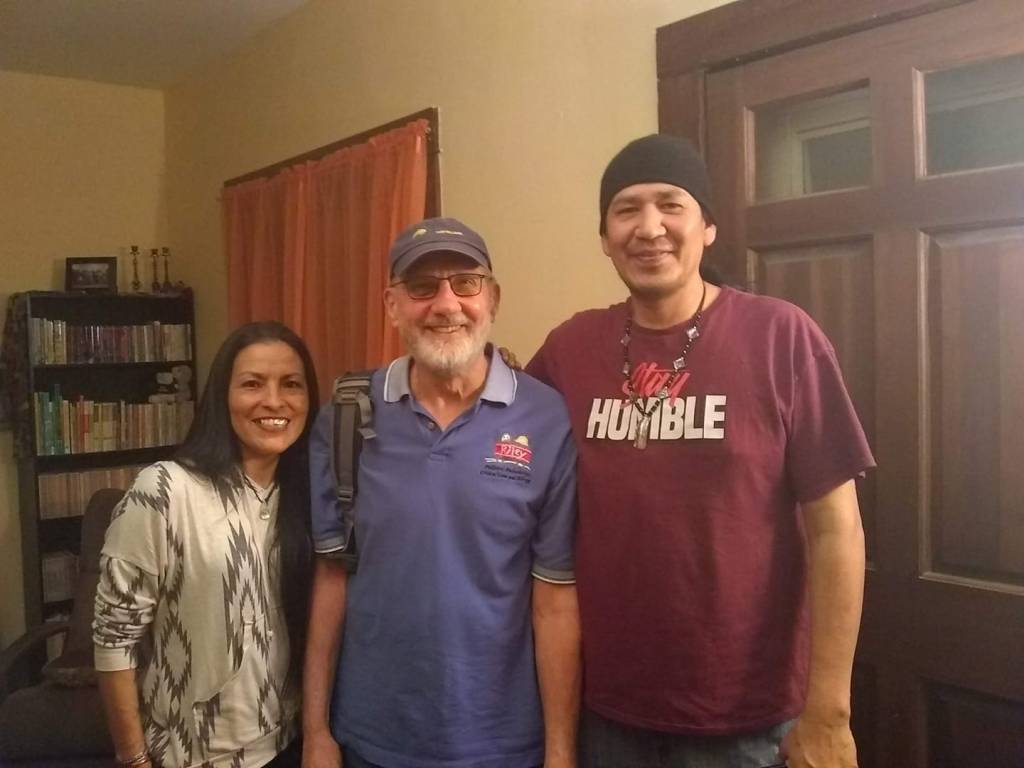
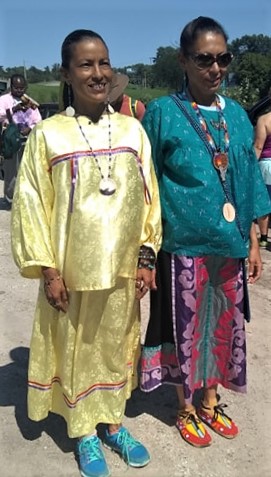
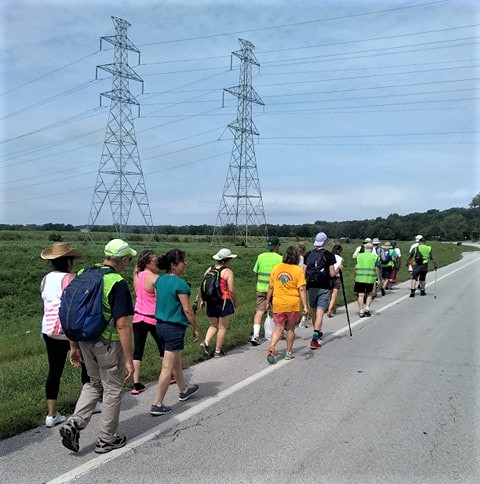
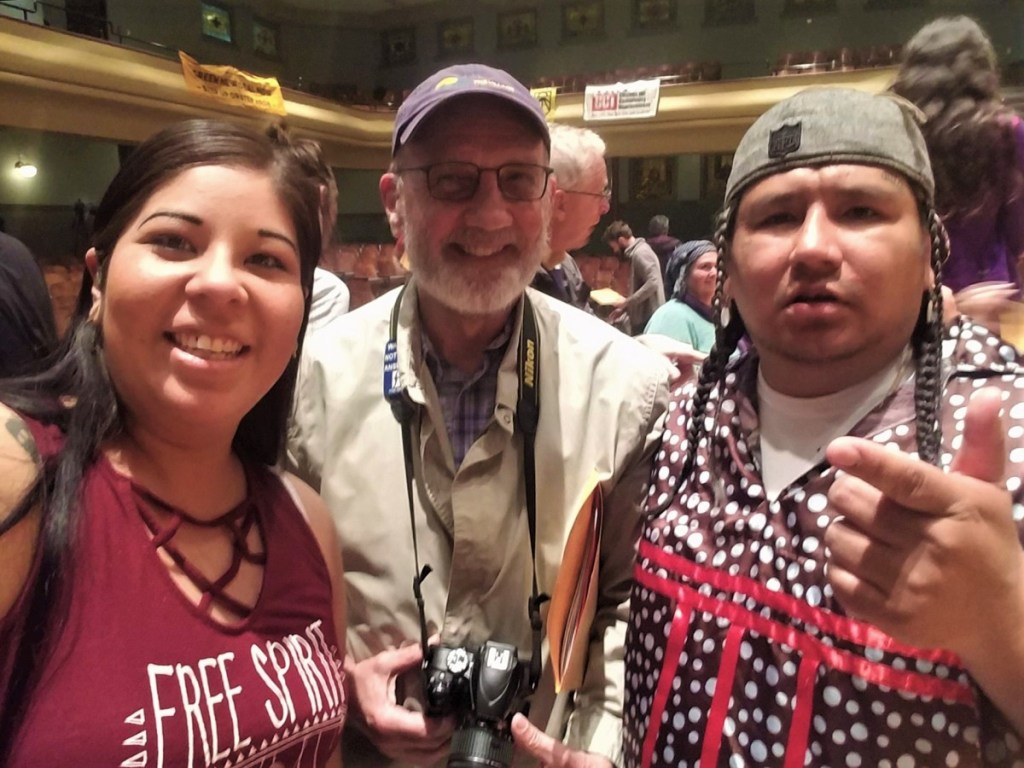
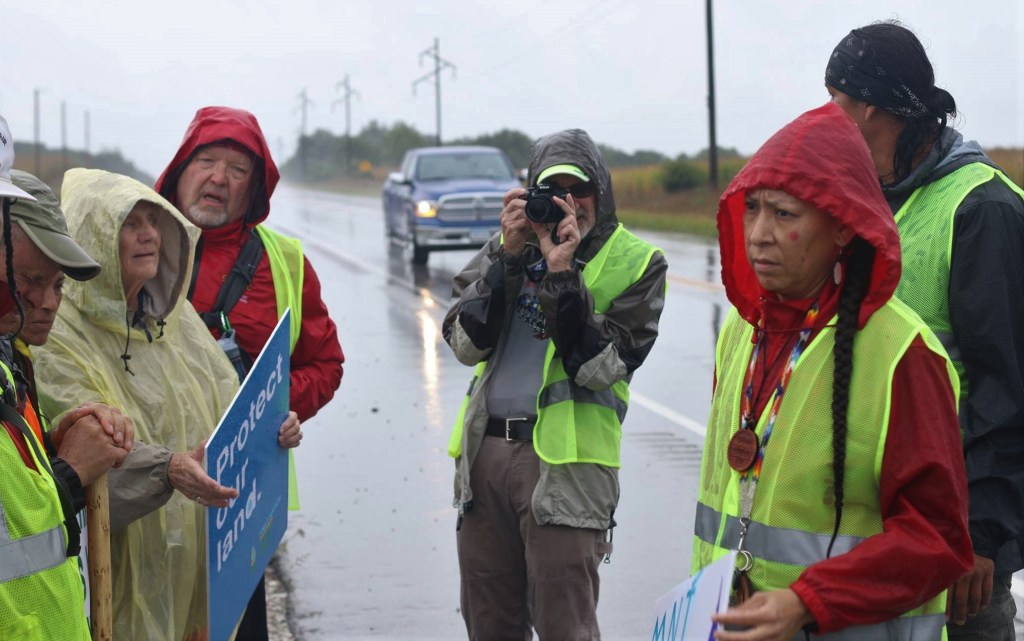
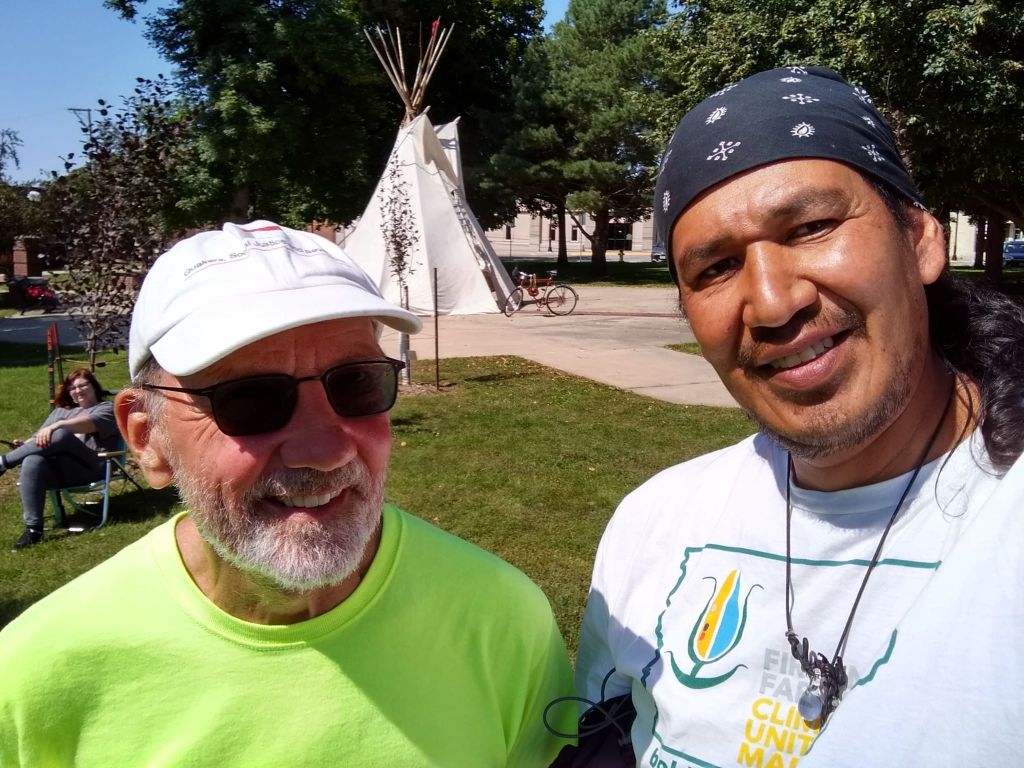
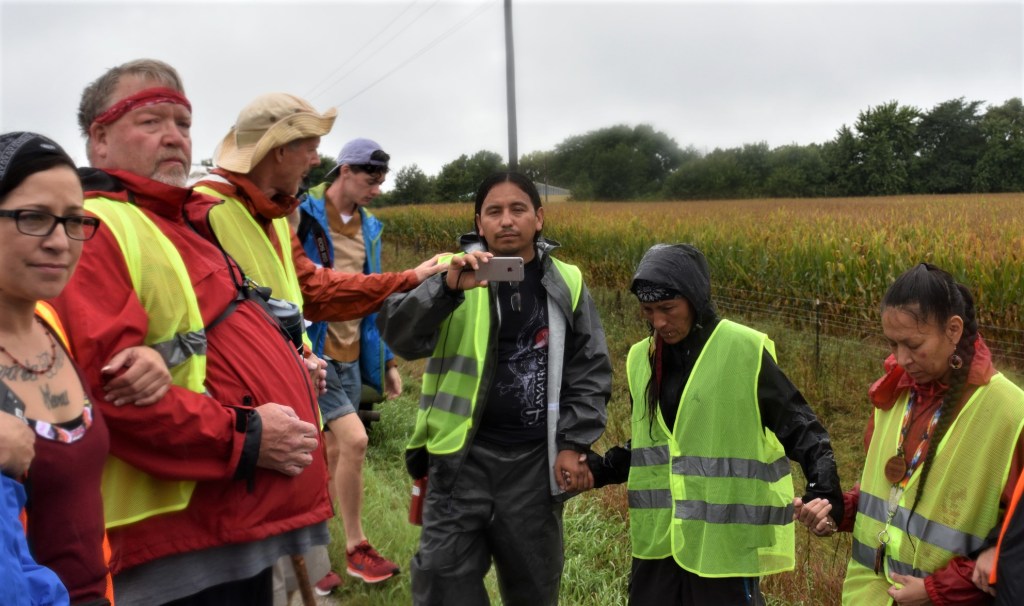
Then I had an amazing opportunity to learn from and become friends with a number of native people as we walked and camped along the route of the Dakota Access pipeline together in 2018. Over eight days and ninety-four miles we shared our stories with each other and built a community that would work together on various issues after the march, the First Nation-Farmer Climate Unity March. https://firstnationfarmer.com/

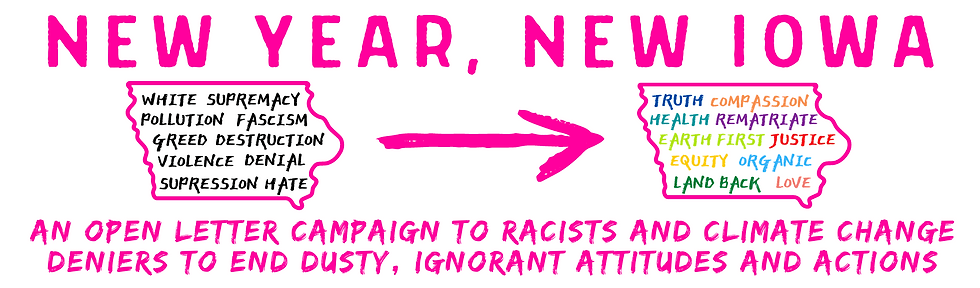
There are appropriate and inappropriate ways for non-native people to engage with native people. It is best for non-native people to wait to be invited into the work of Indigenous peoples. The point of this article is to let people know about such an invitation, in this case from my friends at the Great Plains Action Society (GPAS). Yesterday I wrote Your Invitation to become an ally. New Year, New Iowa is an invitation to non-native people to join in the work of GPAS.

Copy of New Year, New Iowa (2).png
https://www.greatplainsaction.org/newyearnewiowa

I hope you will engage in the open letter campaign, to bring attention to matters of concern to Indigenous, as well as non-native people to those who have the responsibility to make change. Besides supporting Great Plains’ work, you will learn about Indigenous views of their concerns. Yesterday’s post described the New Year, New Iowa open letter campaign. https://www.greatplainsaction.org/newyearnewiowa

We need to stand strong together to create the change that so desperately needs to happen. This Open Letter Campaign is a means for us to unite our voices to call for change. You are welcome to use the words we share, or to express your own. If all you have it in you to do is share an article or use a hashtag, every little bit helps. If you have letters of your own you’d wish to share with us, we’d love to hear from you! Again, we look forward to putting our voices together with you, to call for the New Year/New Iowa we so desperately need. Thank you.

https://www.greatplainsaction.org/newyearnewiowa

First Nation-Farmer Climate Unity March, Sept 1-8, 2018

Indigenous Worldview

I’ve begun the course Indigenous Canada offered by University of Alberta. This is a Massive Open Online Course (MOOC) from the Faculty of Native Studies that explores Indigenous histories and contemporary issues in Canada. I’ve already learned a great deal and recommend it. This is a free course described at the end of this post. https://www.coursera.org/learn/indigenous-canada

For years I’ve been praying for ways to bring about Beloved community. I’ve gone through many iterations of this diagram to help me visualize our current circumstances and what might be done to move toward such a community.

I’ve been blessed to become friends with and learn from Indigenous people. A common thread throughout my life has been to protect Mother Earth. For a long time, I looked for opportunities to make such connections because it was obvious that native peoples had always lived and continued to live in ways that protect Mother Earth.

The physical infrastructure of Beloved community was easy to see, but what I had trouble with was spirituality and governance, which are tightly bound together. I could see that Beloved community would not work with the mindset of capitalism and dominance. White people would have to learn to abandon those systems.

Two years ago I was blessed to become involved in a local Mutual Aid group which has been transformative. This is a model that teaches how to reject capitalism and dominance. A key is to leave the vertical hierarchies of power and decision making and instead use a flat or horizontal structure that gives everyone a voice. And encourages critical thinking and self-motivation. https://landbackfriends.com/mutual-aid/

I was fascinated to see this discussed in the Indigenous Worldviews course. “The hierarchical structure of western world views that places humans on top of the pyramid, does not exist. The interdependency with all things, promotes a sense of responsibility and accountability.”

Indigenous ways of knowing are based on the idea that individuals are trained to understand their environment, according to teachings found in stories.

These teachings are developed specifically to describe the collective lived experiences and date back thousands of years.

The collective experience is made up of thousands of individual experiences, and these experiences come directly from the land and help shape the codes of conduct for Indigenous societies.

A key principle is to live in balance and maintain peaceful internal and external relations.

This is linked to the understanding that we are all connected to each other.

The hierarchical structure of western world views that places humans on top of the pyramid, does not exist. The interdependency with all things, promotes a sense of responsibility and accountability.

Thriving in the harsh Arctic climate, Inuit people relied heavily upon each other for survival.

Each person had value and contributed to the community.

This reliance established codes of ethics and behaviors, or Maligait. Maligait has many meanings and translations, but to Inuit people it means, things that had to be done, and includes four main principles:

  • work for the common good
  • respect all living things
  • preserve harmony and balance
  • plan and prepare for the future

The hierarchical structure of western world views that places humans on top of the pyramid, does not exist.

Indigenous Canada is a 12-lesson Massive Open Online Course (MOOC) from the Faculty of Native Studies that explores Indigenous histories and contemporary issues in Canada. From an Indigenous perspective, this course explores key issues facing Indigenous peoples today from a historical and critical perspective highlighting national and local Indigenous-settler relations. Topics for the 12 lessons include the fur trade and other exchange relationships, land claims and environmental impacts, legal systems and rights, political conflicts and alliances, Indigenous political activism, and contemporary Indigenous life, art and its expressions.

Thank you for signing up for Indigenous Canada. This course examines the historical and contemporary lives, identities, cultural expressions, rights, and goals of Indigenous peoples in Canada. In this course, we have worked to bring Indigenous voices and perspectives to inform your learning experience.

The course material will be covered in twelve modules. Each module offers a series of videos communicating Indigenous experiences of history and current events. Topics covered include: the fur trade and exchange relationships, land claims and environmental impacts, legal systems and rights, Indigenous political activism, and contemporary Indigenous life, art, and its expressions. Together, these modules provide a basic familiarity with Indigenous perspectives as well as Indigenous/non-Indigenous relations.

We are excited to have you with us and be a participant in these learnings. Spread the word of this unique education experience by telling a family member, a friend, or a colleague. We hope that Indigenous Canada will serve you well and offer new insights.
Thank you and take care,
Dr. Paul Gareau

https://www.coursera.org/learn/indigenous-canada

Survivors of Carbon pipeline explosion tell their stories

Last night I listened to the horrifying stories of three people who survived the explosion of a carbon pipeline in Satartia, Missisippi. One survivor suffered significant memory loss. Another has worsening asthma.

Food and Water Watch Iowa and the Iowa Chapter of Sierra Club sponsored the event. Dan Zegart, who wrote the HUFFPOST article referenced below, described his research into the pipeline explosion and he interviewed three of the survivors during this event.

You can watch the recording of this here: https://fb.watch/aLKtjH1eyf/

What you can do:

The Iowa Chapter of Sierra Club has linked this phone number to the offices of leaders in the Iowa legislature: 888-793-4597

House leader Pat Grassley is a farmer from New Hartford, and Senator Jake Chapman is from Adel in Dallas County, He is an EMT.

You can ask your U.S. Representative to support Representative Ro Khanna’s  End Polluter Welfare for Enhanced Oil Recovery Act


U.S. Representative Ro Khanna also spoke during this event. He is sponsoring the End Polluter Welfare for Enhanced Oil Recovery Act.

December 13, 2021 Press Release

Washington, DC – December 13, 2021 – Today, Representatives Ro Khanna (CA-17), Chair of the House Oversight Subcommittee on the Environment, Raúl Grijalva (AZ-03), Chair of the House Natural Resources Committee, and Mike Quigley (IL-05), member of the House Committee on Appropriations, introduced the End Polluter Welfare for Enhanced Oil Recovery Act to repeal a tax giveaway that enables the fossil fuel industry to profit off capturing carbon emissions and using them to increase oil production. 

RELEASE: KHANNA, GRIJALVA, QUIGLEY ANNOUNCE LEGISLATION TO REPEAL FOSSIL FUEL SUBSIDY FOR ENHANCED OIL RECOVERY

It was just after 7 p.m. when residents of Satartia, Mississippi, started smelling rotten eggs. Then a greenish cloud rolled across Route 433 and settled into the valley surrounding the little town. Within minutes, people were inside the cloud, gasping for air, nauseated and dazed.

Some two dozen individuals were overcome within a few minutes, collapsing in their homes; at a fishing camp on the nearby Yazoo River; in their vehicles. Cars just shut off, since they need oxygen to burn fuel. Drivers scrambled out of their paralyzed vehicles, but were so disoriented that they just wandered around in the dark.

The Gassing Of Satartia. A CO2 pipeline in Mississippi ruptured last year, sickening dozens of people. What does it forecast for the massive proposed buildout of pipelines across the U.S.? By Dan Zegart, HUFFPOST, August 26, 2021

Carbon Capture and Storage/Sequestration (CCS) is not the answer to climate change. Contrary to its proponents claims CCS is unproven, dangerous and delays real solutions to the climate crisis such as simple energy conservation, regenerative agriculture and renewable energy. Currently two such CCS Pipeline projects are being proposed for the state of Iowa — Summit Carbon Solutions’ ‘Midwest Carbon Express’ and Navigator CO2 Ventures LLC. We are a broad coalition of everyday concerned Iowans, Tribal citizens, environmentalists, lawyers and scientists who examen and share the science of CCS, S well as strategies for protecting Iowa’s water, land, communities and the future generations of Iowans in order to empower all stakeholders to make the case for good public policy

Carbon (CCS) Pipeline Resistance Coalition – Iowa

Join us Monday to hear victims and first responders share their experiences from the Satartia, Mississippi carbon pipeline rupture.The corporations pushing these projects on us are lying about the risks. Carbon is an odorless, colorless gas that can spread miles in mere minutes. Unlike the Satartia rupture, the Iowa pipelines will not have an added odorant. You might not even know something was wrong before being asphyxiated by the gas.Even if you did notice something off, it wouldn’t matter. There isn’t an emergency management crew in this state capable of addressing a mass carbon gassing. Your vehicle won’t run without oxygen. You will pass out. You might start foaming at the mouth. You may have seizures. You cannot escape it. And you won’t even see it coming.This is literally a fight for our lives. Are you willing to fight with us?

Food and Water Watch Iowa

 Iowa Citizens for Community Improvement (Iowa CCI) members say everyday Iowans will fight back and resist any attempt to build a corporate oil and gas pipeline in Iowa that could threaten air and water quality and contribute to catastrophic climate change.

“Any attempt to build an oil and natural gas pipeline in Iowa will be met with resistance,” said Gary Larsen, an independent family farmer and Iowa CCI member with a wind turbine on his farm outside of Exira in Audubon county.  “Catastrophic climate change is already impacting Iowa and we have to start keeping fossil fuels in the ground where they belong instead of threatening the air, water, and land of thousands of everyday Iowans just so a few energy corporations can profit.”

“We need to start conserving energy and taxing these big corporations for the pollution they cause so we can reinvest in alternative energy like wind and solar power.”

Iowa CCI is a statewide, grassroots people’s action group that uses community organizing to win public policy that puts communities before corporations and people before profits, politics, and polluters.   

Iowa CCI members pledge to fight corporate plan to build another environmentally dangerous oil and gas pipeline in Iowa

My friends Rodger Ruth and Mahmud Fitil have an excellent discussion about these pipelines in this video.

CO2 Pipeline Dangers

After nearly a decade of work to resist the Keystone XL, Dakota Access, Coastal GasLink and other fossil fuel pipelines it is so discouraging to witness plan for an entirely new type of pipeline. These pipelines go by several names, including CO2, or Carbon pipelines. They have the potential to do so much damage, represent grave dangers and have already done so.

My friends Rodger Ruth and Mahmud Fitil have an excellent discussion about these pipelines in the video at the end of this.

But I want to tell you about an event tonight. The carbon in these pipelines is under high pressure. When there is a rupture there is an explosion and then the rapid release of vast amounts of carbon dioxide, which displaces oxygen in the air. People immediately become disorientated. Vehicles stop working because there is not enough oxygen to burn the gas in the engines. The deaths of large numbers of people could occur if such a rupture happened in a highly populated area. First responders become disoriented as well. That is what will be discussed in this webinar.

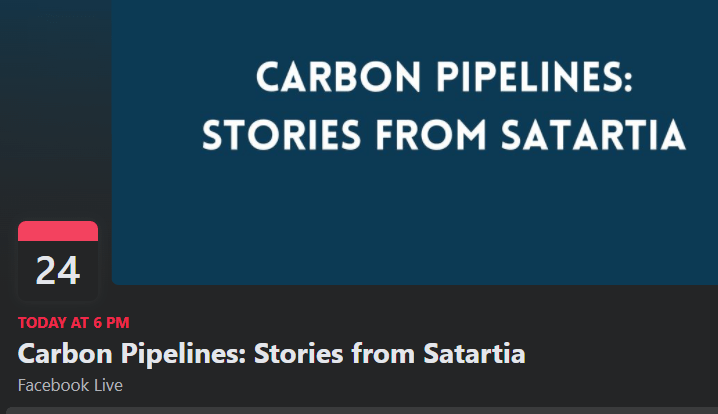
Such an explosion and those consequences actually happened in Satartia, Mississippi, and will be the discussion of a webinar tonight.

https://www.facebook.com/events/930148724538738/

Join us Monday, January 24, for a webinar hosted by Food & Water Watch and the Iowa Chapter of the Sierra Club, featuring stories from first responders and residents of Satartia, Mississippi, site of the 2020 carbon pipeline rupture, moderated by Dan Zegart, the investigative journalist who broke the story nationally in 2021

Event by Food & Water Watch Iowa and Iowa Chapter Sierra Club
https://www.facebook.com/events/930148724538738/