Wicked problems and sensemaking

I have so many questions.

  • How can the government do everything it can to increase oil production and exports, when our extinction is assured if greenhouse gas emissions are not radically decreased immediately?
  • How could the atrocities and utter destruction have happened? In Ukraine, Syria, Afghanistan, Iraq, United States?
  • Wouldn’t nonviolent responses against the invasion of Ukraine have been better, even if that meant Russian occupation for a time?
  • How can sanctions be a good thing when they result in the impoverishment of millions of people?
  • Why is it possible for everyone to buy and carry a gun?
  • Why do culture wars prevent teachers from teaching?
  • How did we allow healthcare workers to be overwhelmed by COVID cases?
  • How is it possible for so many prescription drugs to be too expensive?
  • Why have we allowed the militarization of police?
  • Why do millions of men, women and children live in poverty? So many without shelter? So many hungry?
  • Racism?
  • How can the military budget greatly exceed all other government programs combined?
  • How can the government control women’s choices? So many choices of all of us?

These questions stem from the difficulty of making sense of what’s going on today. Which reminds me of the concepts of wicked problems and sensemaking that James Allen writes about. I try to refrain from using so many quotes, but the entire article is well worth reading.

One thing he writes about makes more sense to me now from my experiences with Mutual Aid. What he writes here is a good description of Mutual Aid.

Something important happens when we gather in pursuit of a common goal. First we form rituals that help us relate to and negotiate each other, everything from a civic tradition that allows anyone with a voice to be respectfully heard, to sharing food and music in the local town hall every Friday night, to a labour system that fairly distributes the burden of work. Then, those rituals that stand the test of time become embedded in daily life. The ritual activities themselves and the good they produce help a community identity take root. As identity strengthens, so too does our sense of connectedness — our sense of affection, responsibility and obligation — to one another. When this happens, we then share a greater capacity for coherence and cooperation. And where we share greater capacity for coherence and cooperation there is also greater resilience: the ability to mobilise skills and resources to support the emergence of collective intelligence in response to crisis, enable rapid adaptation and ensure the continuity of the most important functions and structures of the community. This coherent togetherness and the collective intelligence that emerges out of it is the source of human strength and ingenuity. Within it lies our ability to transition from one evolutionary niche to another, even against the odds.

Pontoon Archipelago or: How I Learned to Stop Worrying and Love Collapse. By James Allen, originally published by Medium, June 18, 2019

…there remains the most existential risk of them all: our diminishing capacity for collective sensemaking. Sensemaking is the ability to generate an understanding of world around us so that we may decide how to respond effectively to it. When this breaks down within the individual, it creates an ineffective human at best and a dangerous one at worst. At the collective level, a loss of sensemaking erodes shared cultural and value structures and renders us incapable of generating the collective wisdom necessary to solve complex societal problems like those described above. When that happens the centre cannot hold.

The jumping-off point for this essay is a regrettable acceptance that a forthcoming energy descent combined with multiple ecological crises will force massive societal transformation this century. It’s hardly a leap to suggest that, with less abundant cheap energy and the collapse of the complex political and economic infrastructure that supports our present way of life, this transformation is likely to include the contraction and relocalisation of some (if not most) aspects our daily lives.

The problems before us are emergent phenomena with a life of their own, and the causes requiring treatment are obscure. They are what systems scientists call wicked problems: problems that harbour so many complex non-linear interdependencies that they not only seem impossible to understand and solve, but tend to resist our attempts to do so. For such wicked problems, our conventional toolkits — advocacy, activism, conscientious consumerism, and ballot casting — are grossly inadequate and their primary utility may be the self-soothing effect it has on the well-meaning souls who use them.

If we are to find a new kind of good life amid the catastrophes these myths have spawned, then we need to radically rethink the stories we tell ourselves. We need to dig deep into old stories and reveal their wisdom, as well as lovingly nurture the emergence of new stories into being.

Pontoon Archipelago or: How I Learned to Stop Worrying and Love Collapse. By James Allen, originally published by Medium, June 18, 2019

Martin Luther King Jr was a radical

“Hero” isn’t a word I hear much these days, but Martin Luther King, Jr, is one to me. Other heroes are the men and their families who also resisted cooperation with the systems of war. That includes a number of those in my Quaker community. And includes Muhammad Ali. People whose lives reflected their faith and beliefs. Because even as a child it was clear so many people did not do so. This was and continues to be spiritually traumatic.

In this brief celebratory moment of King’s life and death we should be highly suspicious of those who sing his praises yet refuse to pay the cost of embodying King’s strong indictment of the US empire, capitalism and racism in their own lives.

Martin Luther King Jr was a radical. We must not sterilize his legacy.  Cornel West

Martin Luther King’s beliefs and actions related to racism are well known.

He was late to publicly come out against the Vietnam War and was harshly criticized by most in his own community for doing so. The argument was that would weaken his work against racism. But he could clearly see the ties between racism, capitalism, and militarism.

A historic speech delivered by Martin Luther King Jr. is remembered even 55 years later as one of the most courageous speeches ever made. This speech stated those truths which no other leading political leader or even leading activist was willing to state in such a clear and sharp way.  The reference here is of course to the speech delivered by Dr. King at Manhattan’s Riverside Church on April 4 1967—a speech remembered also as the ‘Beyond Vietnam: A Time to Break Silence’ speech.

The great importance of this speech is due to several factors. Firstly, he drew a very clear linkage between why a civil rights activist like him has to be a peace activist at the same time. He stated very clearly that the high hopes he had from the poverty program started getting shattered from the time of increased spending on Vietnam war. So he realized that in order to really help the poor it is important also to prevent wars and to have peace. Secondly, he expressed deep regret that it is mainly the children of the poor (black as well as white young men from poor households) who were being sent to fight a very unjust and oppressive war, while they should have been contributing to reducing distress of their own settlements. Thirdly, he exposed the great injustices and bitter realities about US military intervention with such clarity and conviction that it was bound to have a strong nationwide and in fact worldwide impact.

April 4 – Remembering Martin Luther King on his Death Anniversary by Bharat Dogra, Counter Currents, April 4,2022


The major threat of Martin Luther King Jr to us is a spiritual and moral one.
Martin Luther King Jr turned away from popularity in his quest for spiritual and moral greatness – a greatness measured by what he was willing to give up and sacrifice due to his deep love of everyday people, especially vulnerable and precious black people.

If King were alive today, his words and witness against drone strikes, invasions, occupations, police murders, caste in Asia, Roma oppression in Europe, as well as capitalist wealth inequality and poverty, would threaten most of those who now sing his praises.
Today, 50 years later the US imperial meltdown deepens. And King’s radical legacy remains primarily among the awakening youth and militant citizens who choose to be extremists of love, justice, courage and freedom, even if our chances to win are that of a snowball in hell! This kind of unstoppable King-like extremism is a threat to every status quo!

Martin Luther King Jr was a radical. We must not sterilize his legacy.  Cornel West

New heroes for me are the young people I’ve been blessed to work with and learn from, particularly in Mutual Aid communities. Working against “capitalist wealth inequality and poverty.”

King’s radical legacy remains primarily among the awakening youth and militant citizens who choose to be extremists of love, justice, courage and freedom.”


Mutual Aid and Revolution

Mutual Aid and Revolution by Andžejs Jenots is another article in the zine I’ve been writing about, We Gather Here Today in Disservice of the State, from Des Moines Mutual Aid (DMMA). I think of Mutual Aid as revolutionary because it represents a paradigm shift from capitalism. I recently wrote Mutual Aid is the Quaker way of being in the world.

This article addresses a weakness of Mutual Aid that I’ve been aware of, which is “to the extent that mutual aid is an activity resulting in products and services, financed by groups of workers who exist because they (or a large enough share of them) sell their labor power to the enemy class for a wage, mutual aid is the redistribution of a share of those wages.”

But there is much more to Mutual Aid than providing products and services. As Jenots says below, “one of the central tasks of mutual aid is less about doing something for the sake of doing something, and more about thinking and noticing.” Des Moines Mutual Aid is very skilled at noticing and responding.

At present most of the food we distribute comes from sources that paid for the materials and labor to make it. We got it because its freshness date had expired. I envisioned a time when wheat, for example, was grown by farmers who gave it to those who make bread, which is distributed without charge. The farmers and bakers would be among those who received the bread. This is not as naive as it might seem, because capitalism is collapsing. We need to be thinking about and working toward what we want to replace it.

As Jenots goes on to say, “it is clear what the main weakness in this is: all (class-independent) mutual aid activity is constrained by the wages of its participants and donors.”

Mutual aid is not infrastructure for running away or carving out a small plot of land – literal or figurative, it is infrastructure for driving a spear into the heart of capital and sustaining an effort to do so. Mutual aid is a basis for preparedness for future revolutionary events, including for the allocation of all of the skills and capabilities whose aims will be redirected from profit-making to something else as a result of the widespread clarity gained in a revolutionary situation. Even though we can say little in detail about a coming revolution, we know that it will be a conflict between classes, and that will mean strain on dependencies between those classes. To the extent we now depend on the enemy class for the organization of the production of goods and services (and in many ways, we do), someday we won’t be able to anymore. However, the fight will no longer belong only to `we unhappy few,’ these early-to-consciousness revolutionaries, with our meager skillsets. It will become everyone’s domain…

The task of revolutionary mutual aid is to re-link production with distribution when and where capitalist social relations no longer do….

One of the central tasks of mutual aid is less about doing something for the sake of doing something, and more about thinking and noticing – understanding the trajectory capitalism is taking in order to understand the needs it will create and the means, methods, technique, skills, expertise, etc. which finally become available to us as they are expelled from capitalism.

Andžejs Jenots, Mutual Aid and Revolution

We Don’t Leave Our Fighters Behind

Another article in the recent zine, We Gather Here Today in Disservice of the State, from Des Moines Mutual Aid (DMMA) is “Court Solidarity: How and Why, or We Don’t Leave Our Fighters Behind.”

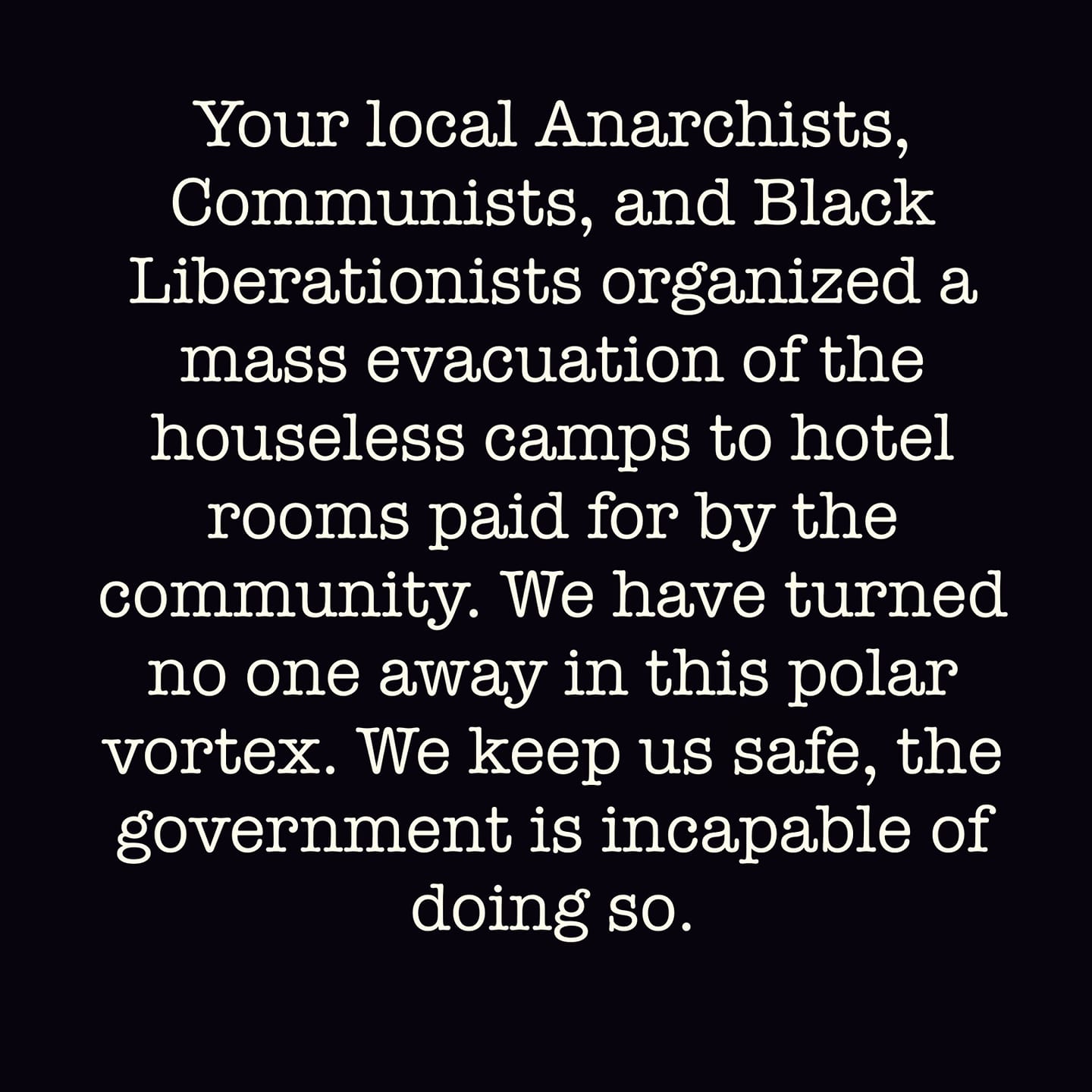
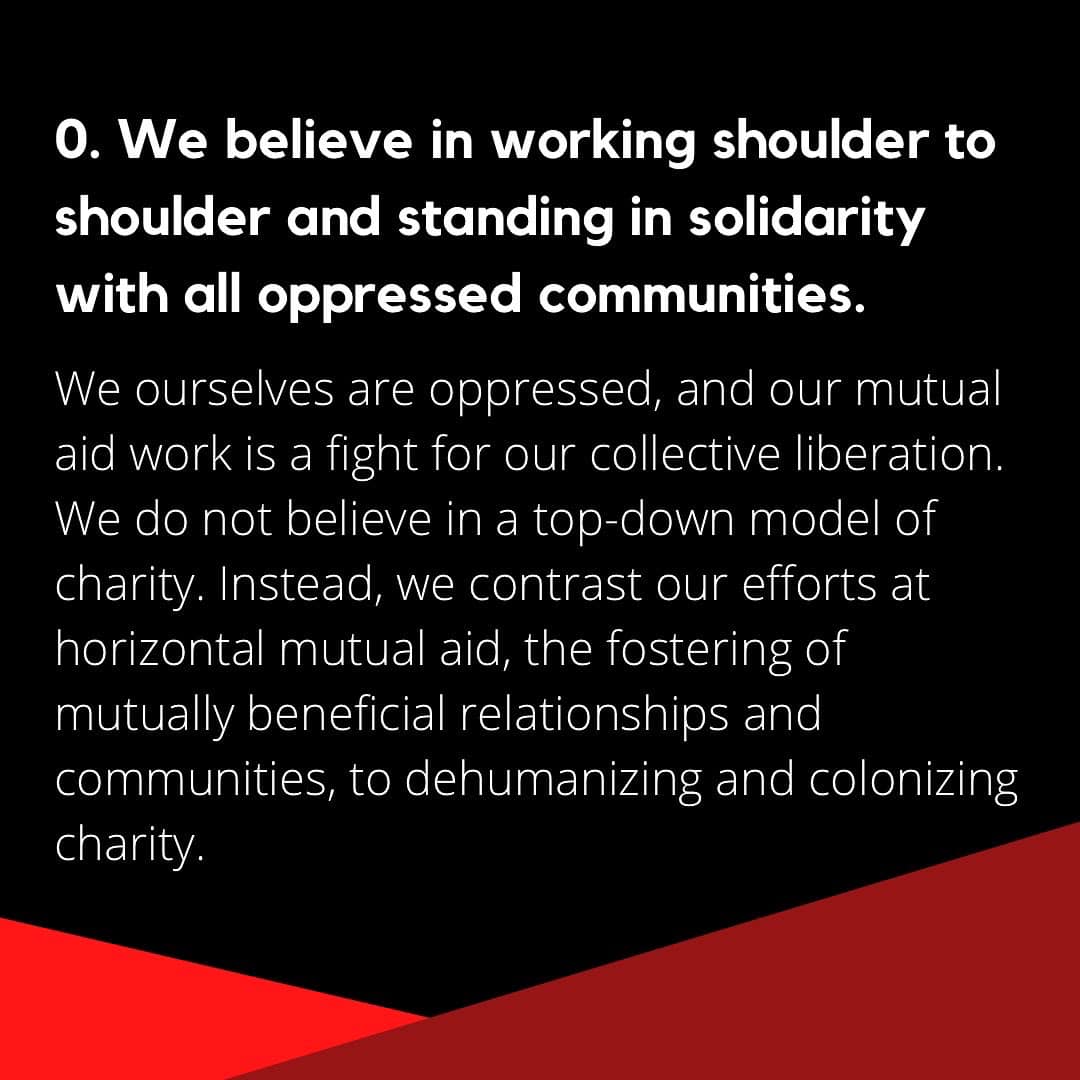
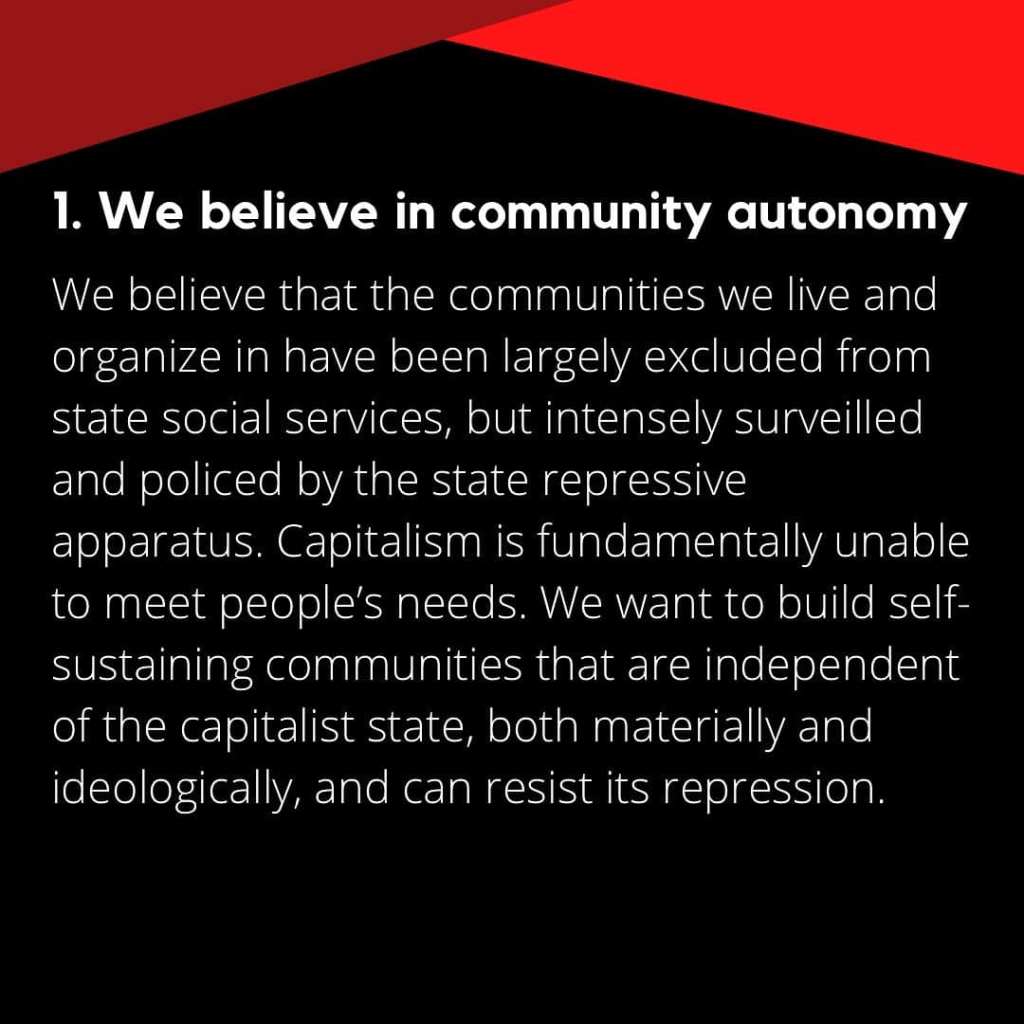
Des Moines Mutual Aid is an Abolitionist Mutual Aid Collective made up of varying radical and revolutionary tendencies in what is currently known as central Iowa.

Even though I’ve been engaged with DMMA for two years, I continue to learn of the many things our collective does. My experience is with the food giveaway project, and I know about the work to help the houseless. I also know about the bail fund. But not the full extent of Court Solidarity.

Des Moines Mutual Aid is the best community organizing group that I know of. Besides putting together and distributing the boxes of food on Saturday mornings, I look forward to hearing what my friends have been up to. And look for ways I can help. By offering to take photos at events, for example.

The Why

The injustices we face are commonly perpetrated and enforced by the state. Which means our demands for justice often require agitation against the state. The state criminalizes the exercise of civil liberties with laws that are themselves often unconstitutional. But this is how the state attempts to quell resistance, by arresting and incarcerating us.

The basic reasoning of why this tactic [court solidarity] has developed is that the state uses isolation as a tool for intimidation and compliance. The state relies on you feeling powerless once they have you in their grips… When we know our communities have our back, we are less likely to be coerced into decisions detrimental to ourselves and our communities and more willing to fight back.

May capitalism’s armed militias never capture you. If they do, may your people have your back like you had theirs.

A Brief History of Des Moines Mutual Aid Court Solidarity

When the uprising after the police murder of George Floyd began, Des Moines Mutual Aid understood we needed to organize a bail fund to keep our fighters out of jail and get them back to the streets. This was also during the beginning of the Covid-19 pandemic and jails are an extremely dangerous hotspot for virus transmission.
As expected, the state responded viciously to the protests and began making mass arrests. We put a call out to the community and they responded rapidly with donations. We set up a hotline that is monitored 24/7 to alert us to arrests and typically have bonds posted within hours. We managed to bail out every protester in Des Moines since the Summer of 2020 and continue to do so at the time of this writing at the beginning of 2022.

This reminds me of my training for community organizing as part of the Keystone Pledge of Resistance in 2013. Everyone participating was told to write the phone number to our bail support team on their skin.

But the court solidarity of DMMA goes far beyond that.

After bail was paid and the person was leaving jail, they were interviewed to see if they had any immediate needs and to obtain their contact information so the court solidarity team could monitor court filings and work on finding pro bono lawyers and mental health professionals as needed.

As the street protests cooled down and the trials began, we put out a call to build a Court Solidarity crew. We used information from the defendants and public court records to keep up to date on court scheduling and made sure we showed up to court dates. This also served as a movement building tactic. Many different orgs are represented on these days and we use this time to eat together, organize further, and strategize about upcoming cases

Arrest

Once arrested there are two things that need to be done right away.

  • Assess the immediate needs of the person arrested, and of those who depend on them.
    • “Needs such as injuries, time-dependent medications, pets, children, dependent adults, immigration status, etc.”
  • Determine their bail and get it paid quickly
    • “The longer someone is in the hands of the state the possibility of something very bad happening increases.”

Pre-trial

Once the ransom is paid, or the defendant is denied bail and must wait in a cage for trial, the next step is to find legal representation.

This is also the time to organize defense committees for the defendant or a group of defendants, with their consent. The defense committee’s roles include raising funds for legal costs and dependent care as well as popular support, as deemed appropriate. They often work hand in hand with the lawyers to make sure neither is creating roadblocks for the defendant’s goals. The defense committees should have one or more individuals that keep track of the defendant’s mental health and arrange for therapy or other means of relief.
All of these processes are traumatic to the defendant.

Remember that many protest arrests are of people knowingly risking their freedom to further ours.

Trial

Once the trial starts, fill those seats! There are few feelings of isolation like sitting in a courtroom inside a building completely filled with people that have your worst interests in mind, many of them armed. When you have a few dozen people sitting with you it can give the little extra courage needed to complete this on your terms. There is evidence to suggest that court support and character letters, which we will come back to, have a positive effect for the defendant during sentencing.
If the defendant is feeling it, have the whole crew eat together during lunch breaks, and rest somewhere together while waiting on the jury to return its verdict. This can have the effect of keeping the defendant’s morale up, as well as that of the defense committees, many of whom may be defendants themselves. The stress of state repression during times of increased resistance can, and all too frequently has, fractured relationships and solidarity.
These are important moments to nurture those relationships and maintain the strength we built together in the street

Post-trial

In the case of a guilty verdict or acceptance of a plea, continued support is needed. Character reference letters can be sent to the court prior to sentencing. And funds need to be raised. crowdfunding is commonly used.

In the worst case scenario money will be needed for commissary.

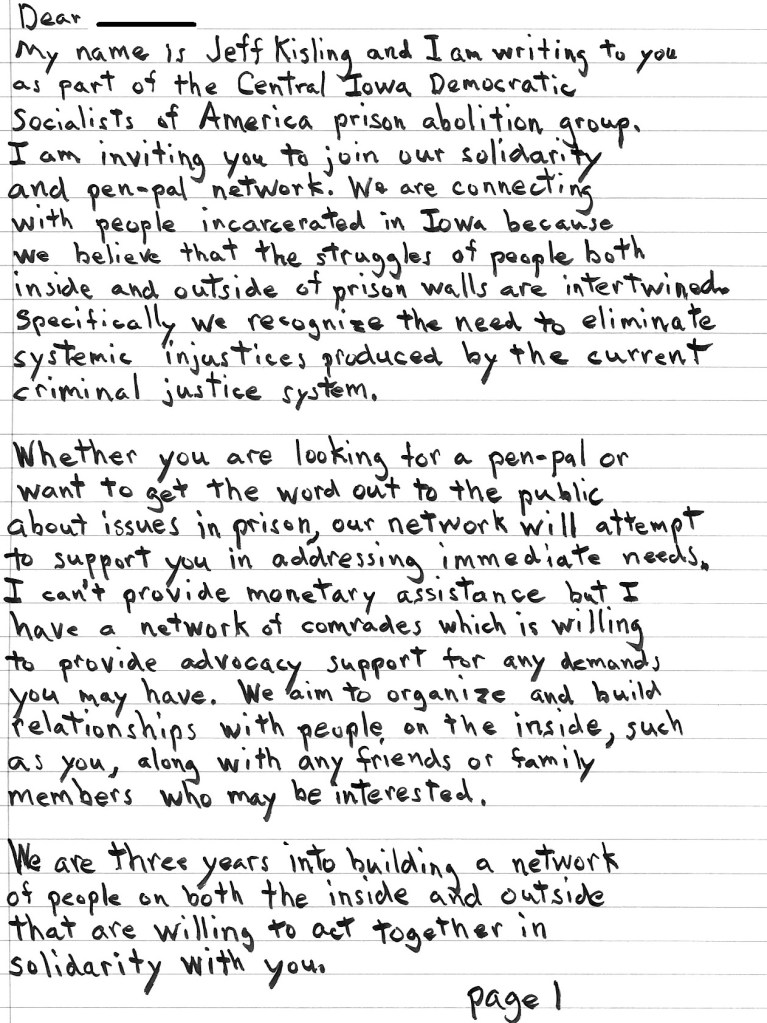
Letter writing can be very helpful, not only to those who are incarcerated, but as a way those outside the prison walls to learn of conditions in prisons. And organize ways to address conditions. I’ve written about the prison letter writing group I’ve been involved with. That is organized by one of my Mutual Aid friends as part of the work of Central Iowa Democratic Socialists of America.

Transgress the Prison Walls

This is a very broad overview of Court Solidarity. Many of the important details will differ based on the laws of your state. Looking up state code and talking to lawyers, law students, or paralegals will help you get a handle on that.
Our next installment will cover prison escapes, how to live underground, and states that refuse u.s. extradition.

If you have any questions, feel free to contact us at desmoinesmutualaid@protonmail.com.

Networking

Yesterday I was struck by all the interconnected relationships among my friends at Des Moines Mutual Aid.

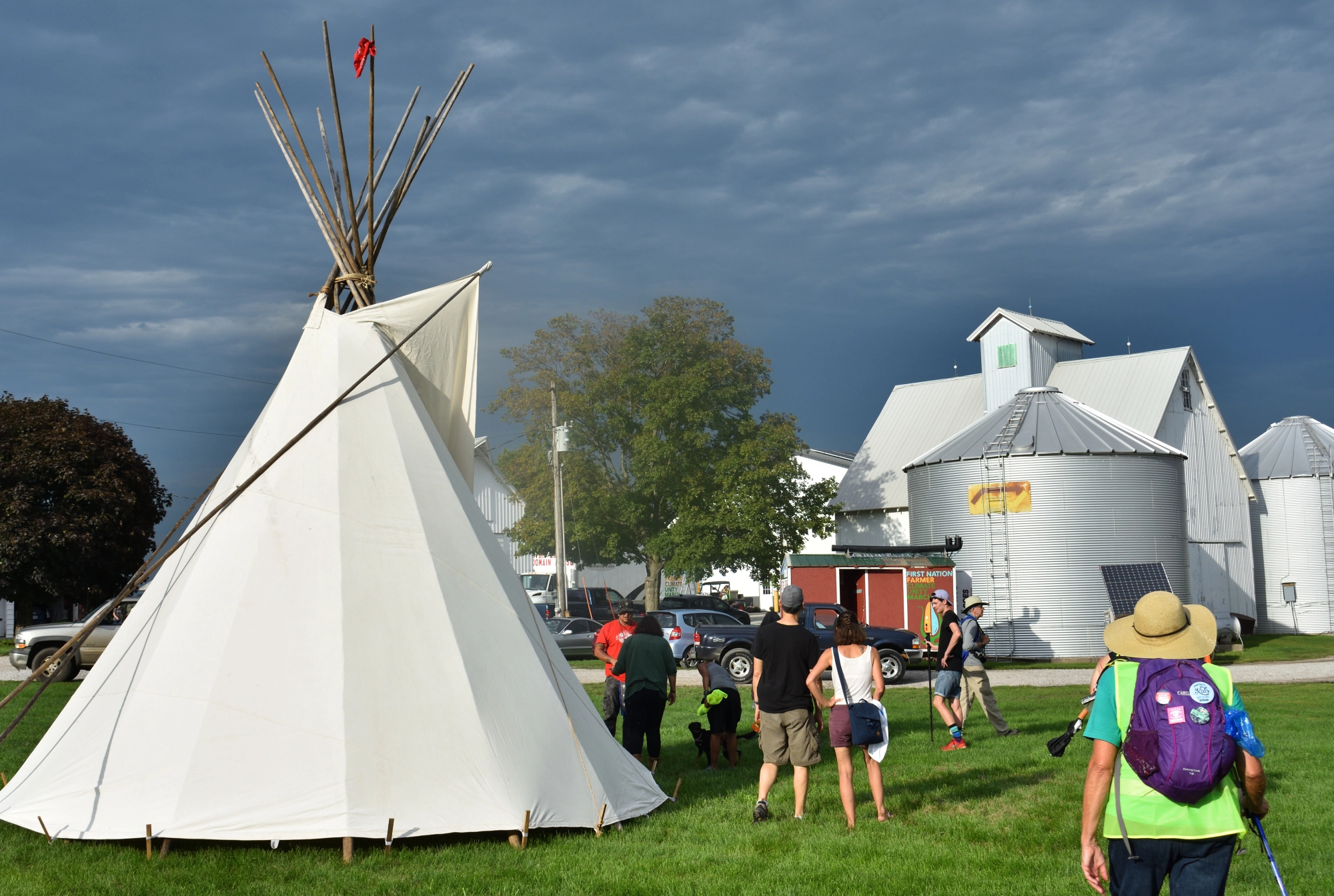
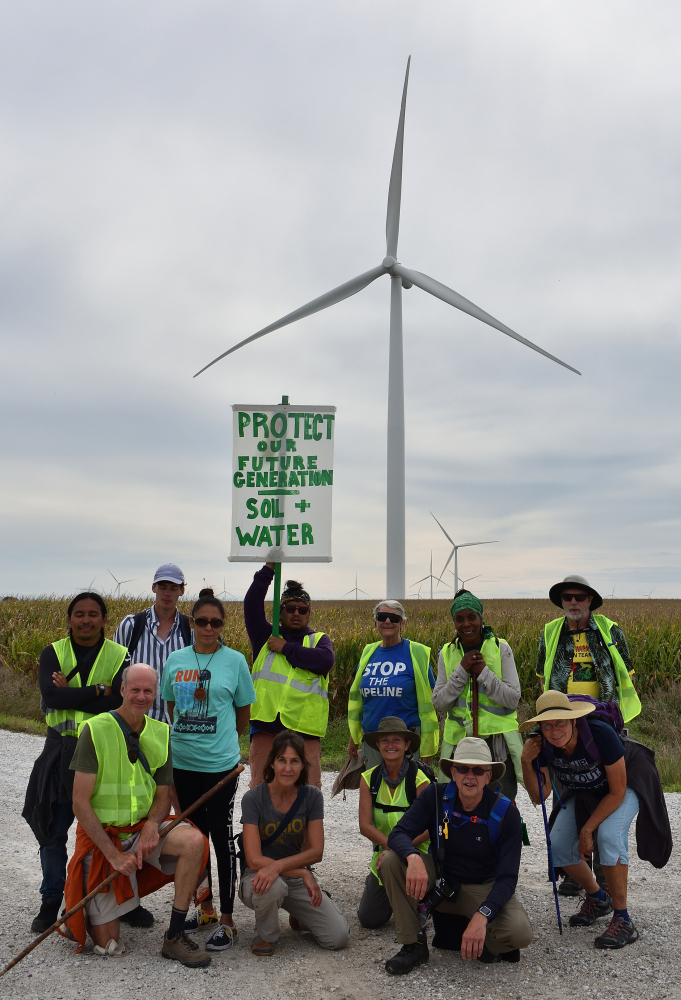
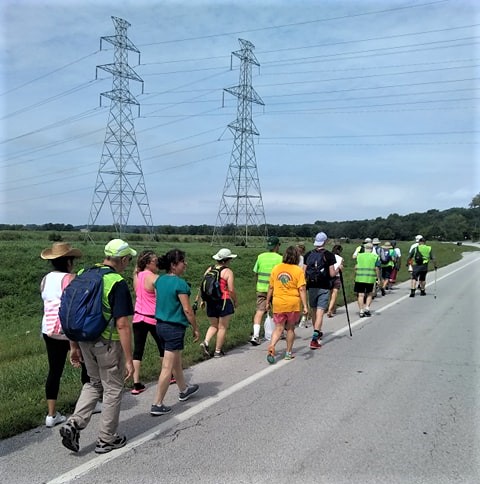
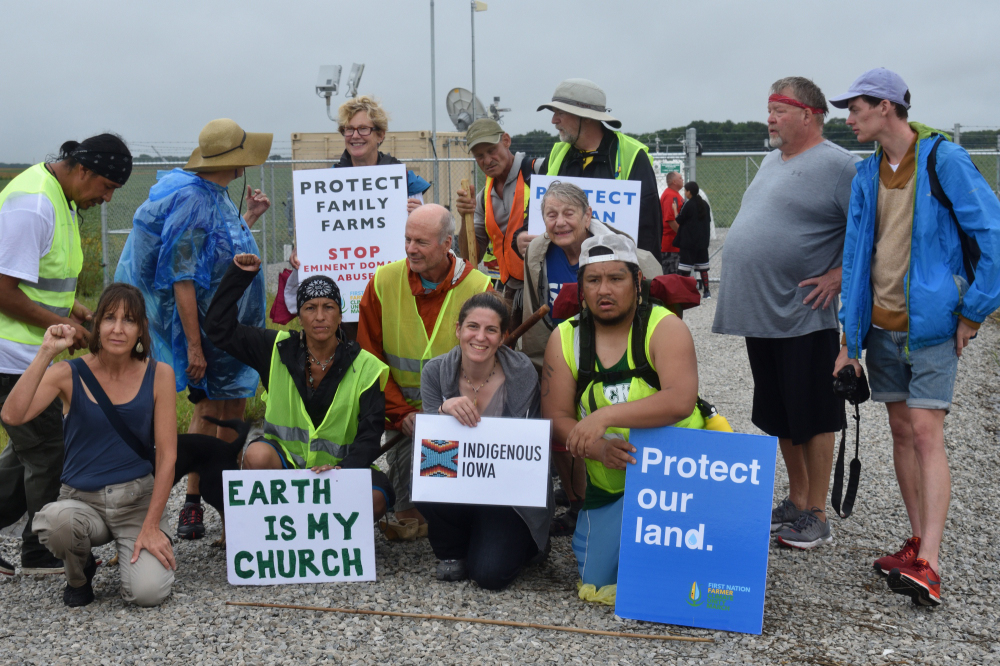
I was happy to see my friend Donnielle at Mutual Aid for the first time yesterday. She and I were part of the First Nation-Farmer Climate Unity March, September 1-8, 2018. A small group of native and non-native people walked and camped along the path of the Dakota Access pipeline, from Des Moines to Fort Dodge, Iowa (ninety-four miles). One of the main purposes of that walk was to create a group of people who began to get to know each other so we could work on issues of common interest and concern. That really worked and many of us have worked together in many ways since. One of the first things several of us did together, was to lobby Senator Grassley’s staff to support a couple of bills related to safety of Indigenous women. That was in 2018. The renewal of the Violence Against Women Act was just passed and includes those tribal protections. The photo below at the Neal Smith Federal Building was taken the day of the meeting with Senator Grassley’s staff.

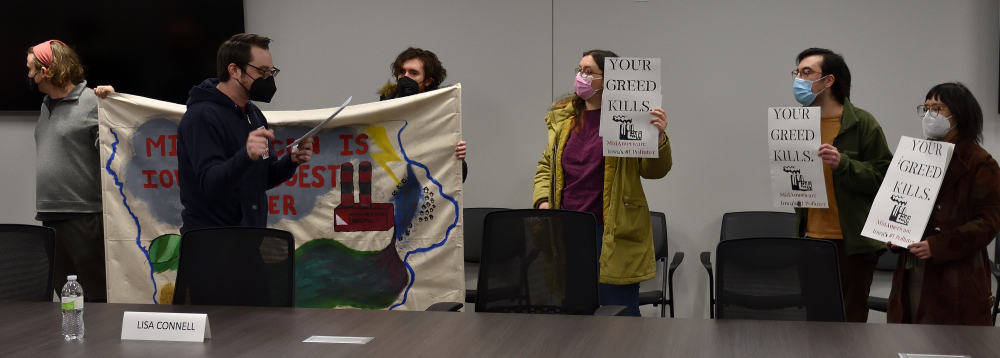
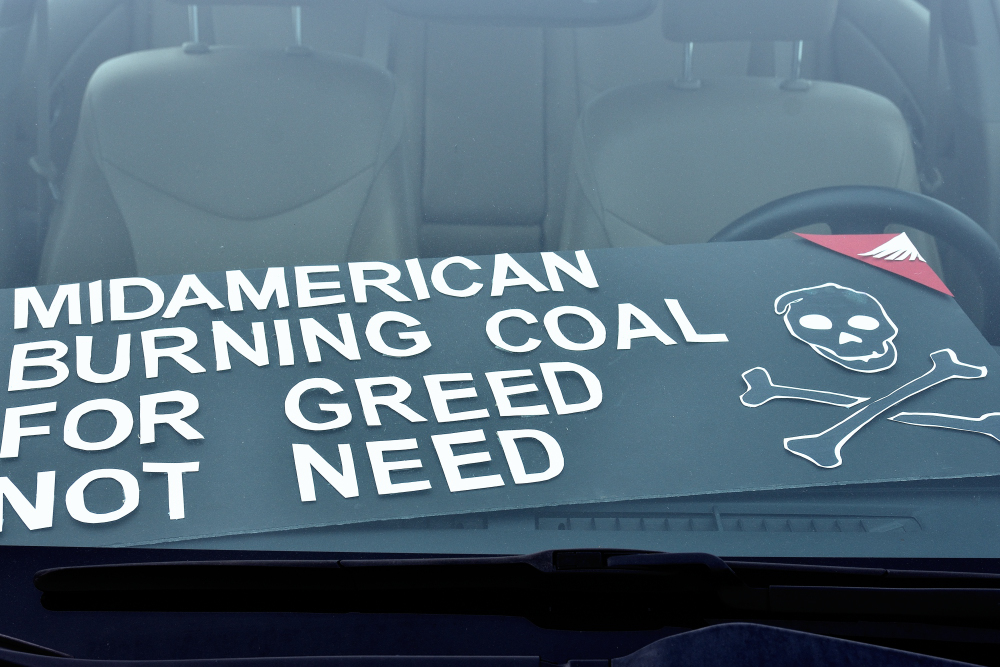
Jake, the climate justice advocate from Iowa Citizens for Community Improvement (ICCI) was also there. Two weeks ago, I attended a board meeting of the Iowa Energy Center Board, having been asked to take photos there. Jake organized a group of us to attend the board meeting to try to get MidAmerican to shut down their five coal burning plants. We have since learned our presence there has had some effect. He also asked me to write a letter to the editor about the same issue, which I did. Yesterday Donnielle asked Jake about an upcoming city council meeting where MidAmerican’s franchise with the city will be discussed.

Jade was at Mutual Aid, as usual. She organizes the prison letter writing project of Central Iowa Democratic Socialists of America, which I have joined. A friend of mine in Indianapolis, a professor at the law school there, got me involved in Religious Socialism, part of DSA, hence the name of this blog.

And as usual, my good friend Ronnie was at Mutual Aid. I had told him about some transgender people who were looking for support. Yesterday we talked about that some more, and he gave me a couple of suggestions that I passed along.

My small Quaker meeting is also part of this networking. Some members have been supporters of ICCI for years. It is this meeting that is looking into how we might support the trans people. And I will be speaking about Mutual Aid during the annual gathering of Quakers this summer.

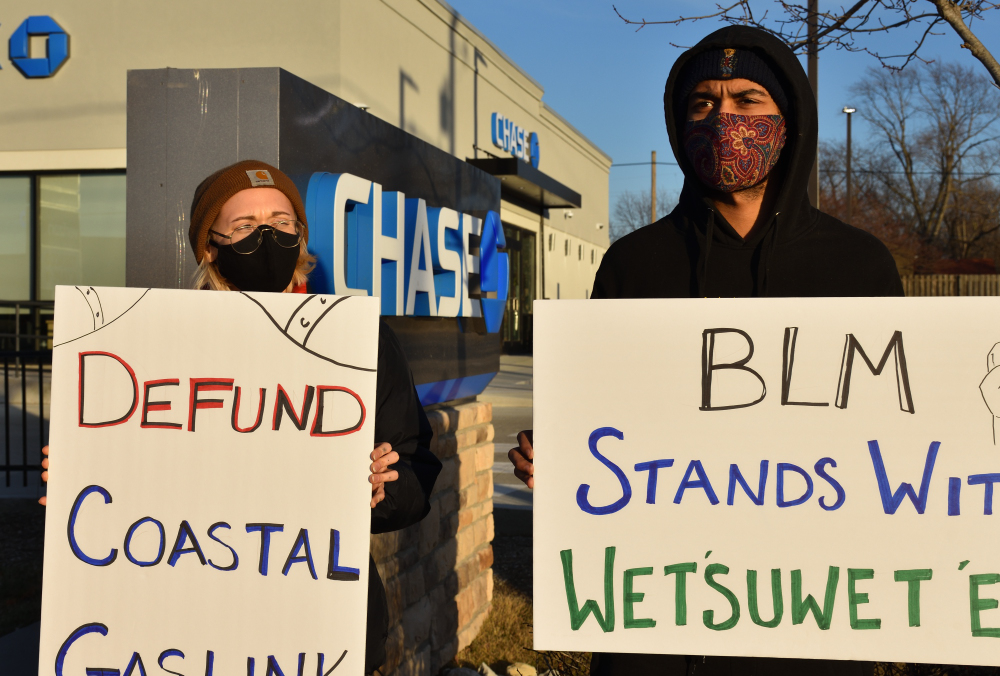
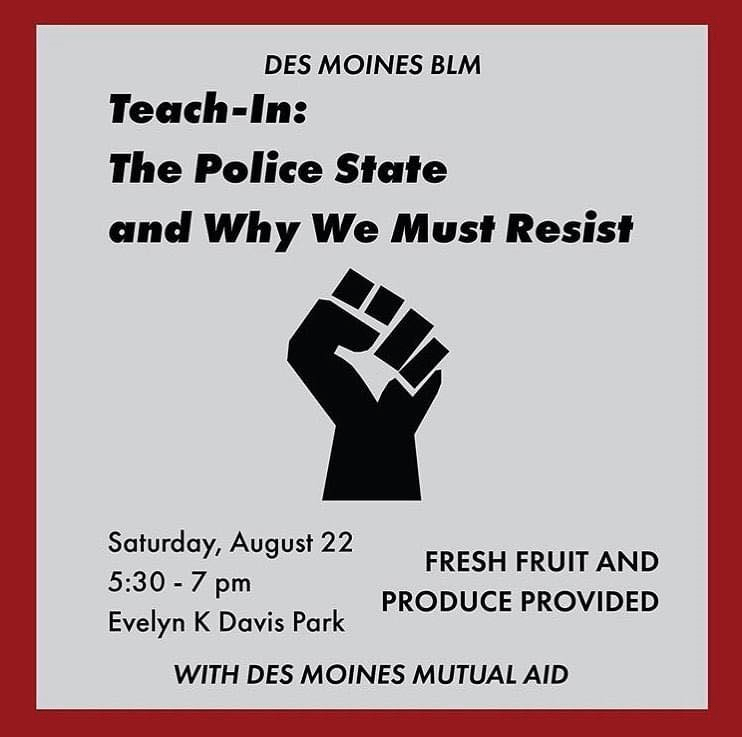
Other connections include supporting the Wet’suwet’en peoples as they try to stop the construction of the Costal GasLink pipeline through their pristine territory in British Columbia. In the photo below you can see Des Moines Black Lives Matter is helping us stand with the Wet’suwet’en.

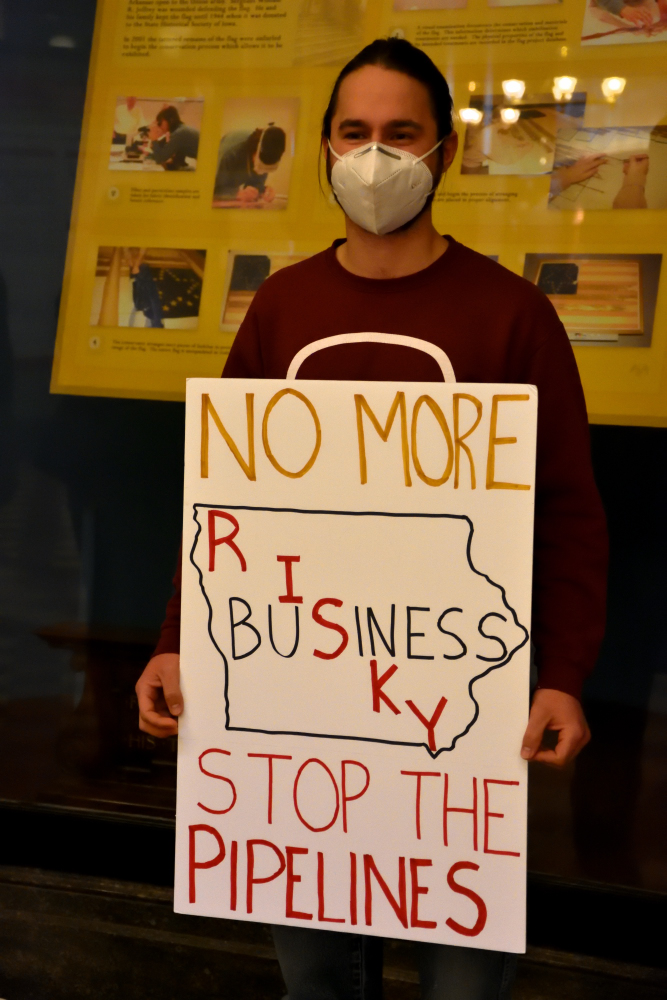
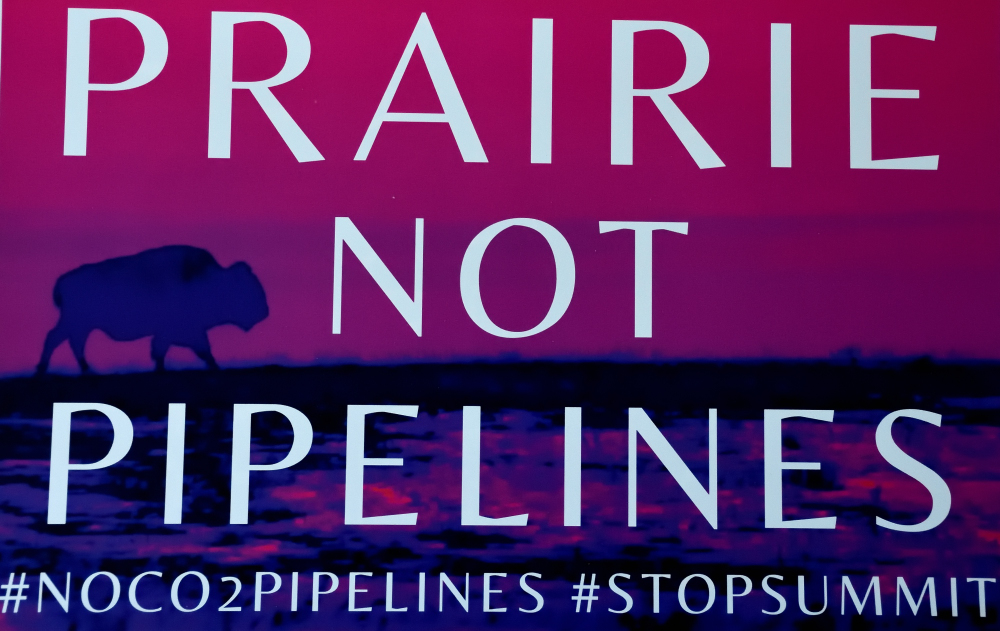
The signs about Prairies Not Pipelines and #NOCO2PIPELINES was organized by my friend Sikowis, who also walked on the First Nation-Famer Climate Unity March.

Spirituality over religion

People ask me if I believe in god… I tell them I pray to creator.
They tell me Jesus died for me… I tell them my ancestors did.
They say I will burn in hell for not following the Bible, but it has been used as weapon to colonize and murder my people…
for me it’s spirituality over religion. I don’t hate people for going to church, but I do hate what the churches have done to us…
before colonization we had our own ways and ceremonies, I choose the path of my ancestors.

Indigenous

I find myself in a spiritual crisis regarding Christianity. I realize being a Christian and professing to be a Christian are often not the same.

The Christianity I cannot be part of is the weaponized version of a religion. One that created and enforced the doctrines of discovery which gave permission to steal indigenous lands and instructed killing the people living on them. That codified white supremacy and empire. That drove global colonization.

One that raised great wealth from stolen lands and labor. And then built ostentatious churches in the midst of profound poverty.

One that tore native children from their families and took them far away, to places of forced assimilation where every kind of abuse was visited upon them. Where thousands died or were killed. And their families were often not even told of their deaths. Where other children were sometimes forced to dig the graves. The trauma passed from generation to generation. An open wound in Indigenous communities to this day that I have witnessed in my native friends. A wound that has been ripped open with the verification of the remains of thousands of native children. With many more places that haven’t been scanned yet.

Part of the reason for my crisis is reading “American Holocaust: Columbus and the Conquest of the New World” by David Stannard. Recent scholarship has revealed sophisticated Indigenous communities in the Americas prior to the arrival of white men. And much larger numbers of Indigenous people, millions more than previously thought. Meaning millions more deaths occurred.

American holocaust.

The destruction of the Indians of the Americas was, far and away, the most massive act of genocide in the history of the world.

Stannard, David E. American Holocaust: Columbus and the Conquest of the New World. Oxford University Press. Kindle Edition.

More often than we realize, in ways we don’t recognize, white Quakers continue to benefit from the American Holocaust. Continue white domination.

We made a small step in learning about land acknowledgements. But those are empty statements if we don’t take the next steps. We need actions, not more words.

The reason I write and talk so much about my experiences with Mutual Aid is because that gets to the root causes of white supremacy. Mutual Aid exemplifies what Christianity is supposed to be. Mutual Aid is a means to begin decolonization.

As painful as it is, I know out of my confusion and distress, I will be led to a better place.

Real radicalism implores us to tell the whole ugly truth, even when it is inconvenient.

Brittney Cooper, Eloquent Rage: A Black Feminist Discovers Her Superpower (2018)

Spirituality for a just transition

Ever since I wrote yesterday’s post, I knew something wasn’t right. Trying to think things through in public can be disconcerting. Hopefully, there is some value in showing the process. Making mistakes is how we learn and grow.

I’ve been praying and thinking about all the things I’m learning in my Mutual Aid community for a long time. I’ve been wondering what sustains my friends in this work. Sometimes difficult work. My Mutual Aid community is definitely an example of Beloved community. We feel and share the love. Never have I seen anger. This is part of what sustains us.

And the joy of being able to provide food to our community is a large part, too. I wrote that sentence carefully, to demonstrate an important part of Mutual Aid. It is NOT us helping them. We are all in this together. A friend recently told me at one time she needed food. Now she is so happy to help distribute food.

Des Moines Mutual Aid

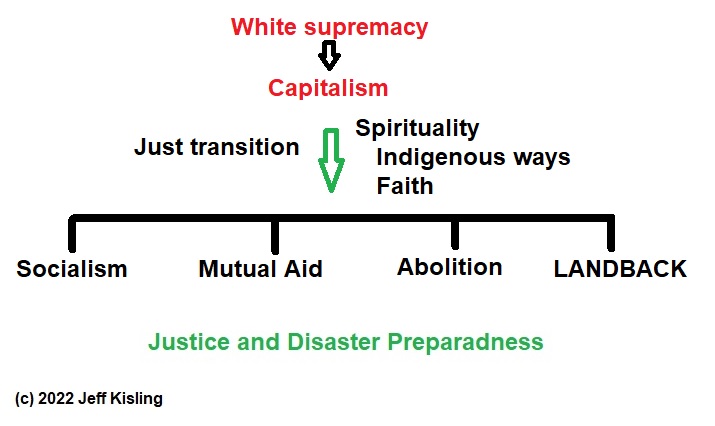
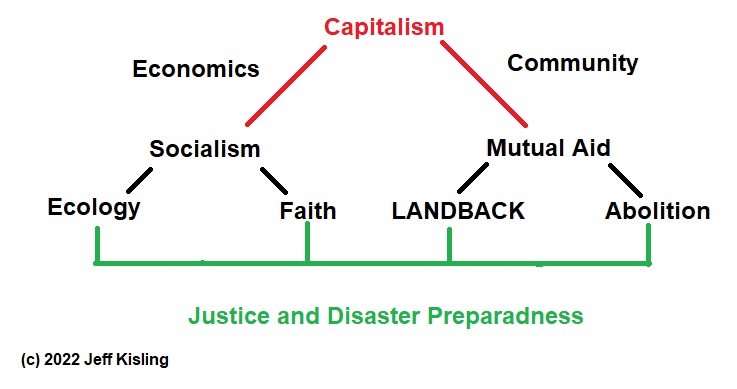
Returning to yesterday’s post, Justice and Disaster Preparedness, I tried to simplify the main concepts I think are important for making a transition to the communities we want, need to create. I was trying to figure out where faith fit. I put it under Socialism because I’ve been learning about religious socialism. That and other problems made me decide to scrap that diagram. Following is today’s version.

Socialism, Mutual Aid, Abolition, and LANDBACK each have a role in building Beloved communities. Especially regarding disaster preparedness.

Spirituality is what will help us make the just transition to communities needed to prepare for the present and coming disasters.

Spirituality can be expressed in many ways. But there is only one Creator or God.

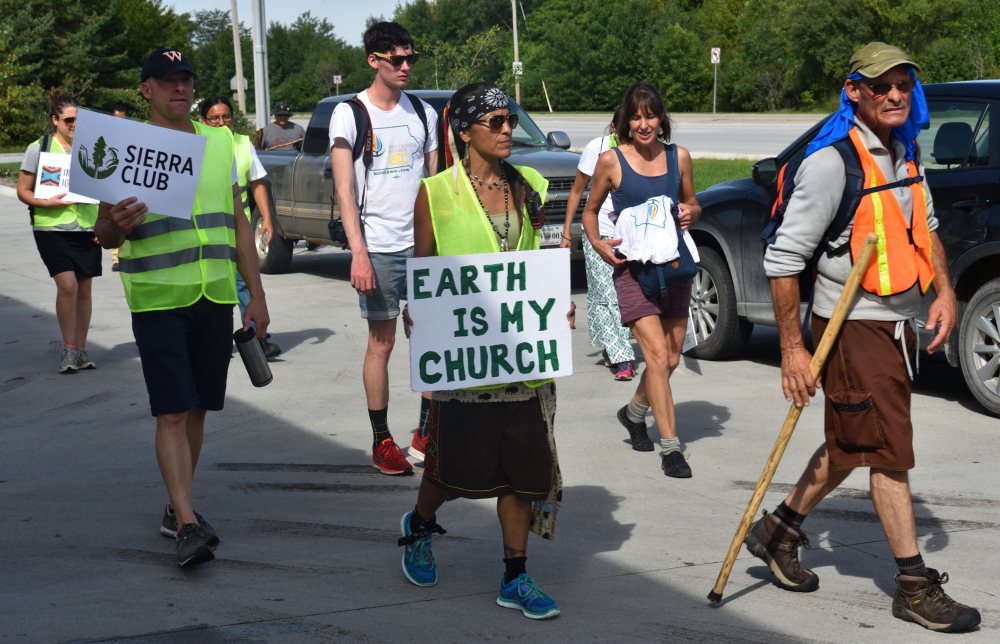
I love the EARTH IS MY CHURCH sign my friends Alton and Foxy Onefeather carried during our First Nation Farmer Climate Unity March.

Justice and Disaster Preparedness

Watching the tragedy of war unfolding in Ukraine makes real the future I fear we are moving into. Are already experiencing in many ways.

Fear not only as a noun, “an unpleasant emotion caused by the belief that someone or something is dangerous”, but also as a verb, “to be afraid of.”

I can’t imagine anyone watching the stories from Ukraine, and not thinking about how tenuous our own lives are. Seeing people’s lives destroyed in an instant. Injury or death of loved ones. Loss of shelter and infrastructure. No water, power, medicines, food, community.

What would we do in a similar situation?

We might find out sooner than we think. We are facing numerous crises ourselves.

  • Environmental chaos
  • Economic collapse
  • Political collapse
  • War
  • Domestic extremism and armed conflict

There have been warnings about these things for decades, with little effect. But now we are seeing everything on that list happening to various degrees. And each negatively impacts the others.

Following is a new diagram I’m working on to show relationships among systems. The reason justice is in today’s title is because so many of our current systems have injustices embedded in them. As we prepare for disasters, not addressing injustice would mean:

  • Not benefiting from the wisdom and skills of those we don’t have relationships with now. Because of the mistrust between us.
  • Bringing these injustices and conflicts into the disaster relief communities.

We have three choices:

  • We can just react to what is coming at us. Go into survival mode.
  • We can prepare for disaster locally.
  • We can work for justice as part of disaster preparedness.

Descriptions of the systems in the diagram: ecosocialism, LANDBACK, abolition and Mutual Aid follow.

I believe faith is an important part of this. This morning I thought faith was going to be the subject, but found this background needed to be covered first.

Ecosocialism

Ecosocialism brings together two complementary ways of thinking about humans and the environment they live in. The “eco-” in ecosocialism comes from the science of ecology and its emphasis on the complex and dynamic interactions among the living and non-living components within an ecosystem. In particular ecologists understand how the life-supporting functions within an ecosystem can be disrupted by the behavior of one organism, for example, humans.

But ecology lacks a social analysis; it has no way of understanding how economic and political forces drive human behavior and social change.

Ecosocialists start with the premise that environmental degradation and social injustice stem from the same source: a world where profit is the highest goal. We believe that the emancipation of people from capital and its masters goes hand-in-hand with the emancipation of the earth and its biosphere from the cancer of capitalism.

What is ecosocialism? System Change Not Climate Change

LANDBACK

  • It is a relationship with Mother Earth that is symbiotic and just, where we have reclaimed stewardship. 
  • It is bringing our People with us as we move towards liberation and embodied sovereignty through an organizing, political and narrative framework. 
  • It is a catalyst for current generation organizers and centers the voices of those who represent our future. 
  • It is recognizing that our struggle is interconnected with the struggles of all oppressed Peoples.
  • It is a future where Black reparations and Indigenous LANDBACK co-exist. Where BIPOC collective liberation is at the core. 
  • It is acknowledging that only when Mother Earth is well, can we, her children, be well. 
  • It is our belonging to the land – because – we are the land. 
  • We are LANDBACK!

LANDBACK

Abolition

The criminal justice system is violent and harmful: The UK’s prison population has risen by 90% in the last two decades, bringing the number to over 90,000. At the time of writing we are 156 days into 2018 and already we have seen at least 129 deaths in prison, immigration detention centres and at the hands of the police. As the effects of neoliberalism and austerity deepen each day, increasing numbers of people find themselves made disposable by our economic system and structural inequality, targeted by the agencies of the criminal justice system simply for being homeless, experiencing poor mental health or being born in a different country.

The criminal justice system does not reduce social harm: Policing, courts and the prison system are presented to us by politicians and the media as solutions to social problems. Yet, as the prison population has soared, we have continued to seen violence and harm in our society on a massive scale. Violence against women and girls is endemic, racism and the far right are on the rise in Britain and rates of murder and violent assaults are beginning to increase again. As politicians continue to scapegoat those with the least power in society, the conditions of structural violence that so often precede interpersonal violence remain in place.

We can build a world based on social justice, not criminal justice: All over the world, communities are coming together to build real solutions to societal problems. These solutions lie outside of the criminal justice system, in preventing harm through building a better society. By bringing together groups and organisations working for social justice, we want to demonstrate and strengthen the links between prison abolition and wider struggles for housing, health, education, and environment; and for economic, racial, gender, sexual and disability justice.

Abolitionist Futures

Mutual Aid

Mutual Aid and War

The more I experience being part of a Mutual Aid community, the more I learn about Mutual Aid, the more I am convinced Mutual Aid is how we should all live. I just realized that might be the only way we can live, survive.

I recently learned the term prefigurative politics which is to model the organization and social relationships that the group is advocating. Mutual Aid groups do this.

Mutual Aid is about replacing the vertical hierarchies of power with a flat or horizontal hierarchy where we all have a voice.

I’ve been thinking a lot about Mutual Aid and war as Russia invades Ukraine. Dictatorships like Putin’s Russia represent the ultimate vertical hierarchy. But all nation states are built on vertical hierarchies.

I’ve been wondering how Mutual Aid can be applied to global powers waging war.

  • Our world, that has been colonized by imperialist white supremacist capitalist patriarchy, runs because of the oppressive and exploitative forms of power
  • Thus, to liberate ourselves and each other from this system, one of our main tasks is to confront hierarchy and hierarchical forms of power. 
  • Mutual aid is a form of prefigurative politics, aimed at abolishing hierarchy and hierarchical forms of power in the world by first living out these principles ourselves, bringing new ways of relating to each other into being

Mutual Aid: Non-Hierarchy in Practice by Tammy Gan, Bad Activist

Rather than feeling helpless in the face of war, we should be creating our own communities of Mutual Aid, of peace. That will take us out of imperialist white supremacist capitalist patriarchy so we will not be contributing the conditions for the next war.

To address one aspect of war, creating our own Mutual Aid communities would put us in the position of being able to welcome refugees.

mutual aid aims to: form the structure of a new society within the shell of the old; embody the forms of social relations, decision-making, culture and human experience that are its ultimate goal

Mutual Aid: Non-Hierarchy in Practice by Tammy Gan, Bad Activist

Beyond our personal experiences, our world, that has been colonised by imperialist white supremacist capitalist patriarchy, runs because of the oppressive and exploitative forms of power. 

For our world, as is, to run, there must be an inherent valuing of some bodies over others. This is what we mean when we talk about “racial capitalism”, the idea that capitalism emerged, as Cedric Robinson argued, on the grounds of a civilisation based on racial hierarchy. Racism, in designating and ideologically convincing people that some people are inferior to others, allows for a system of extraction (capitalism) to exploit Black and brown people, while white people carry this out, or benefit from this system, thereby never abolishing it. So hierarchy (racial or otherwise) is the foundation that maintains our structures and system. 

Thus, to liberate ourselves and each other from this system, one of our main tasks is to confront hierarchy and hierarchical forms of power. 

Confronting, is different from attempting to appeal to the people who are in power (e.g. solely depending on billionaires, or politicians), or striving to obtain the kind of power that we’re subjected to (think #girlboss feminism). Instead, confronting means to transform hierarchical forms of power into other forms of power. We must have “power of our own”: moving away from power-over to power-with. This is where spaces and projects that attempt to create that new world, starting from rethinking our relationships, come into play.

Mutual aid is a form of prefigurative politics, aimed at abolishing hierarchy and hierarchical forms of power in the world by first living out these principles ourselves, bringing new ways of relating to each other into being. Specifically, mutual aid aims to: form the structure of a new society within the shell of the old; embody the forms of social relations, decision-making, culture and human experience that are its ultimate goals (i.e. to practice what it wants to see, now); and continuously experiment, and be reflexive through trial and error. 

Mutual Aid: Non-Hierarchy in Practice by Tammy Gan, Bad Activist

And if the wreckage of this inheritance will not be complete; if notwithstanding the crimes committed during this “civilized” war [ World War I ], we may still be sure that the teachings and traditions of human solidarity will, after all, emerge intact from the present ordeal, it is because, by the side of the extermination organized from above, we see thousands of those manifestations of spontaneous mutual aid.

Preface to the 1914 edition of Peter Kropotkin, Mutual Aid: A Factor of Evolution (London: Heinemann, 1914).

Food Not Bombs

When a billion people go hungry each day, how can we spend another dollar on war? Food Not Bombs is an all-volunteer movement that recovers food that would otherwise be discarded, and shares free vegan and vegetarian meals with the hungry in over 1,000 cities in 65 countries in protest to war, poverty, and destruction of the environment. We are not a charity but dedicated to taking nonviolent direct action. Our movement has no headquarters or positions of leadership and we use the process of consensus to make decisions. We also provide food and supplies to the survivors of natural disasters, and people participating in occupations, strikes, marches and other protests.

As grocery stores empty out and food shortages loom, food-sharing projects like Food Not Bombs (FNB) take on new urgency. FNB volunteers collect food from bakeries, grocery stores, and restaurants, cook together, and share meals and groceries in public spaces with whomever comes. Volunteers also take part in nonviolent direct action to change the social structures that produce hunger. FNB-like initiatives have already appeared in restaurants that offer free meals to laid-off workers and in grocery-delivery networks. There’s an increasing need for flexible, mobile, horizontal approaches to food distribution.

Eight anti-nuclear activists formed the first FNB group on May 24, 1980 at the Occupation Attempt of the Seabrook Nuclear Power Station in Cambridge, MA. Their basic insight was that hunger is unnecessary in a country that spends millions on weapons of mass destruction.

Mutual Aid Dispatches, April 6, 2020

Prefigurative politics are the modes of organization and social relationships that strive to reflect the future society being sought by the group. According to Carl Boggs, who coined the term, the desire is to embody “within the ongoing political practice of a movement […] those forms of social relations, decision-making, culture, and human experience that are the ultimate goal”.[1]


Split Screen

I’m trying to sort out confused feelings about war and peace through a split screen of foreign versus domestic.

I was caught off guard by the Russian invasion of Ukraine. It was unrealistic to think there wouldn’t be another war between nations anytime soon.

But we haven’t had peace in this country, either.

I had forgotten Martin Luther King, Jr, was outside a California prison, which was holding Vietnam War protesters when he said, “there can be no justice without peace, and there can be no peace without justice.” December 14, 1967.

So, there is this dichotomy of war between nations versus domestic injustices. Domestic injustices mean there is no peace here.

This quote from Muhammad Ali relates to this.

Under no conditions do we take part in war and take the lives of other humans.

It is in the light of my consciousness as a Muslim minister and my own personal convictions that I take my stand in rejecting the call to be inducted. I do so with the full realization of its implications. I have searched my conscience.

Man, I ain’t got no quarrel with them Vietcong…they never called me ______.

Muhammad Ali

I’ve been blessed to have become part of numerous oppressed communities in this country. Where there are so many injustices. Where there is so much violence, much of it state sanctioned.

The scenes and stories from Ukraine are devastating to see. And while it is good to see the response of so many who want to help, I wish there were similar responses to our own domestic tragedies.

A friend this morning tells me others have noted similar disparities in the response to the plight of Palestinians. He said, “Once again I am reminded of how ‘White’ my thinking is.”

And there are the dispiriting stories of racial discrimination in support among the Ukrainian refugees.

My experiences with Mutual Aid have convinced me that is a way to peace.


The recent past shows us that mutual aid is not only a tool of survival, but also a tool of revolution.

Ronnie James

The first, and possibly the most important, is that it was not always this way, which proves it does not have to stay this way. 

What we have is each other. We can and need to take care of each other. We may have limited power on the political stage, a stage they built, but we have the power of numbers.

Those numbers represent unlimited amounts of talents and skills each community can utilize to replace the systems that fail us.  The recent past shows us that mutual aid is not only a tool of survival, but also a tool of revolution. The more we take care of each other, the less they can fracture a community with their ways of war. Organized groups like The American Indian Movement and the Black Panther Party for Self Defense showed that we can build not only aggressive security forces for our communities, but they also built many programs that directly responded to the general wellbeing of their communities. This tradition began long before them and continues to this day. Look into the Zapatistas in Southern so-called Mexico for a current and effective example.

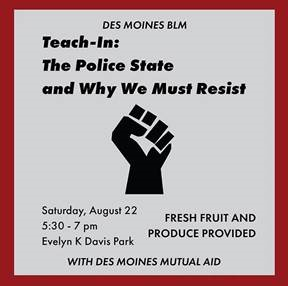
Ronnie James, The Police State and Why We Must Resist