Using Zoom breakout rooms, we got to know each other better and hear what work we are each doing. I talked about being involved in Des Moines Mutual Aid, and that I’ve been talking about this in our Quaker meeting. That I hoped more people of faith would become involved in Mutual Aid. There were only two other people in our breakout room. One said he had attended Quaker meeting in Connecticut, and the other said this resonated with her.
Des Moines Black Liberation Collective
1. Removal of armed school resource officers from Des Moines Public Schools
Jaylen Cavil of Des Moines Black Liberation Collective (https://www.desmoinesblm.org/) reported on something I hadn’t known about, getting police out of schools. From my time in the Kheprw Institute community in Indianapolis, I knew how children of color and their parents distrust and fear the police. It was an awful thing to bring the police into the schools. The school to prison pipeline is a horrible situation and Des Moines Black Liberation Collective (Des Moines BLM) was recently about to get “school resource officers” (SRO) out of the public schools.
Before the pandemic, armed officers known as “school resource officers,” or SROs, from the Des Moines Police Department would patrol the school hallways. But during the summer of racial justice marches and protests after the police murder of George Floyd, students, parents and community members spoke out against SROs at Des Moines School Board meetings. In the end, the police contract with the schools was terminated. After scrambling to make remote schooling work during the long, mournful slog of the pandemic, Des Moines Public Schools (DMPS) were left to find a way to reimagine school safety — and fast.
The district moved quickly to implement restorative practices, an increasingly popular educational model for school safety, violence prevention and mediation.
The 2021 – 2022 school year was a huge opportunity with the highest of stakes: DMPS could become one of the only districts in the nation to succeed in concurrently removing SROs and implementing restorative practices, or the district and its students could be thrown into crisis.
The City That Kicked Cops Out of Schools and Tried Restorative Practices Instead. Here’s what happens when a school rethinks punishment by ANDY KOPSA, In These Times, DECEMBER 12, 2022
Vanessa says she sometimes asks to go to the “Think Tank,” a designated area created by RP staff for kids who violate school rules. While in the Think Tank as a punishment, students cannot talk, have outside meals or snacks and must turn off electronics. But the Think Tank can also be a respite; for Vanessa, it’s a safe space to deal with the anxiety that drove her to wander the halls.
“I would get overwhelmed and then I would ask to go to the Think Tank so I was able to do my work,” Vanessa says. “And Mr. Musa had snacks.” The snacks made a lasting impression.
When I drop by Roosevelt’s Think Tank with Mr. Musa, eight kids have opted to be there in lieu of suspension. Two girls are there because of a scuffle in the bathroom, though they say they were bystanders. Then there are a couple hallway roamers and two boys caught vaping.
In the Think Tank, students are required to do school work. In many cases, that’s a back catalog of assignments and writing about what they did, how it made them feel and how they might handle it differently in the future.
The subtle, important difference between the Think Tank and traditional in-school suspension, according to Jake Troja, DMPS director of school climate, is that students are there by choice. In the past, the message from the school district to students was, “You have a suspension, that’s it,” he says. Now, RP staff have a new message: “We’d love [for students] to be in class, but we can’t do that, so here’s another option.”
“It’s about power and authority,” Troja says.
…
The district asked for reform — such as installing ununiformed and unarmed officers in schools — but the Des Moines police department responded, in February 2021, with a surprise termination of the contract. Sgt. Paul Parizek, Des Moines police public information officer, did not respond to multiple requests for comment.
Des Moines schools had already begun training teachers in restorative practices in 2018. With the $750,000 saved from the broken contract, the school district funded 20 new positions and hired specially trained RP staff across the city’s five public high schools. The district even invited Sellers and other students to observe the hiring process, and students picked up on red flags that staff missed, Sellers tells me, like candidates who called students “delinquents.”
The City That Kicked Cops Out of Schools and Tried Restorative Practices Instead. Here’s what happens when a school rethinks punishment by ANDY KOPSA, In These Times, DECEMBER 12, 2022
2. Prison letter writing and abolition
Jaylen talked about Des Moines BLM’s support of Central Iowa Democratic Socialist of America’s (DSA) prison letter writing project. This is something I’ve been involved with in several ways. Jade, my friend from Des Moines Mutual Aid is the organizer for this project that a number of us from DMMA participate in. https://landbackfriends.com/2021/11/28/prison-abolition-letter-writing-project/
I am writing to you as a part of the Central Iowa Democratic Socialists of American prison abolition group. I am inviting you to join our solidarity and pen-pal network. We are connecting with people incarcerated in Iowa because we believe the struggles of people both inside and outside of prison walls are intertwined. Specifically, we recognize the need to eliminate systemic injustices produced by the current criminal justice system.
Please let me know if you are interested in taking part in this project. I would love to receive any information from you so that we can make a case to those on the outside to take action on the demands of incarcerated people.
We are the Central Iowa chapter of the Democratic Socialists of America (DSA). Promoting the concept of democratic socialism through political action, direct service, and education. We are building for the future beyond resistance. https://www.facebook.com/CentralIowaDSA
Quakers for Abolition Network
My blog made it possible for one of my new friends, Jed Walsh, to contact me about the work he and Mackenzie Barton-Rowledge are doing related to abolition of police and prisons. I wrote a little in their article that was published by the Western Friend, https://westernfriend.org/article/quakers-abolition-network.
3. Des Moines BLM and Des Moines Mutual Aid
Jaylen also spoke about the collaboration of Des Moines BLM with Des Moines Mutual Aid. Mutual Aid is the alternative to the capitalist system that drains all the resources that should be invested in our people and communities. That houselessness is by design because those in power want us to feel desperate, so we can’t focus on change.
He told of the City of Des Moines periodically razing the houseless camps, which served no good purpose because they are rebuilt shortly after. Last year it cost about $30,000 to provide propane and heaters for those in the camps. Funds for this purpose are behind now.
NASCENT: just coming into existence and beginning to display signs of future potential
It was a foregone conclusion that the fossil fuel industry would find a new way to generate profits as fossil fuels are becoming more difficult to extract, and resistance to fossil fuel infrastructure, i.e. pipelines, continues to rise.
[capitalism] is causing five massive problems, problems so grave they were genuine existential threats to this thing this species called a “world”: climate change, mass extinction, economic stagnation, social inequality, and political extremism.
The Beginning of the End of the World. Why We Have to Take the Idea of Civilizational Collapse Seriously, and What it Really Looks Like by umair haque, Eudaimonia and Co, Dec 15, 2022
Most unconventional energy sources have much lower efficiencies than conventional gas and oil, which operate at a combined energy-returned-on-investment ratio of about 18:1. Shale gas, for example, performs at about 6.5:1 to 7.6:1—a bit better than the 2.9:1 to 5.1 for tar sands oil. Corn ethanol, with an EROI of about 1.3:1, sits at the bottom of the barrel for investment pay off.
“Nascent” isn’t the correct term for carbon capture technologies. Although these technologies are just coming into existence, they only have the potential to remove insignificant amounts of greenhouse gases from the atmosphere. And there is no evidence at all that the extracted carbon will remain where it is proposed to be buried for any length of time.
And what proponents don’t want known is much of this recovered carbon dioxide will be used to push more oil out of shale rock.
Yet as the general public is seeing increasing environmental devastation, and finally realizing the causes, they are demanding immediate solutions that preferably don’t require changes to their lifestyles. So, they gladly support the false claims of carbon capture.
The general public is also unaware that the carbon dioxide transported by pipelines from the sites of carbon capture is a hazardous material. When pipelines rupture, they replace the oxygen, causing confusion, brain injury or death. The lack of oxygen means internal combustion engines, like those in emergency response vehicles, can no longer work.
I’m glad to be working with the many people and organizations that have formed the Buffalo Rebellion that is fighting against these technologies. (See: https://quakersandreligioussocialism.com/buffalo-rebellion/) I took the photos below during a Buffalo Rebellion rally in November, when there was a national meeting of supporters of carbon capture in Des Moines.
THERE ARE TWO DIFFERENT KINDS OF SCENARIOS that leave the planet, in the year 2100, below 1.5C of warming. One involves a “high overshoot,” but spending decades above 1.5C in such a world is an unsettling prospect. It raises the possibility, for instance, of the world experiencing dangerous tipping points and even calamities such as the irreversible loss of the West Antarctic ice sheet.
So it is worth focusing on those 26 scenarios that allow for only a “low” overshoot (or none at all).Many of these scenarios require the world, by mid-century, to go well beyond the popular“net zero” goal for fossil fuel emissions. Rather, the world will have to be removing more carbon dioxide from the atmosphere than it is putting in — “net negative.” And that will require the wide-scale deployment of nascent “carbon capture” technologies to remove what is already present, storing it underground, and likely also massive reforestation or other efforts to store carbon in the land itself.
Potsdam Institute researchers rated 1.5°C scenarios as speculative, challenging, or reasonable on these five dimensions, based on progress by 2050
1. Carbon dioxide removal and storage underground
The amount of CO₂ pulled from the air by carbon capture technology and stored in large underground repositories, or through chemical interactions with rock. Challenging = over 3 billion tons annually; Speculative = over 7 billion tons.
2. Carbon dioxide removal using land
How much CO₂ is absorbed by trees and land, including through agriculture. Challenging = over 2.5 billion tons per year; Speculative = over 8.6 billion tons.
3. Carbon intensity reductions
The reduction in carbon emissions from energy production due to renewables, electrification and electric vehicles, among other things. Challenging = above a 75 percent reduction; Speculative = above 93 percent reduction.
4. Changing energy demand
The change in the world’s total need for energy in 2050. Challenging = any decrease in energy demand; Speculative = a decrease of 40 percent or more.
5. Fewer methane emissions
The reduction in emissions of methane, the second most important greenhouse gas. Challenging = reductions above 54 percent; Speculative = reductions above 67 percent.
The best overview about carbon capture I’ve found is the following webinar hosted by my friends Mahmud Fitil and Sikowis Nobiss.
Check out the first webisode of Prairie Not Pipelines, an Indigenous web series focused on climate, water and resource extraction on the plains.
Hosted by Mahmud Fitil and Sikowis Nobiss. Folks from across the Great Plains in ND, SD, NE and Iowa will be discussing the recent push for CO2 pipelines across the region.
Currently, the majority of the media and public pushback is coming from white landowners. However, these pipelines are being proposed to be forced through stolen land and treaty territories where Indigenous voices need to be heard. This forum will discuss the legal, environmental and tribal perspectives of Carbon Capture and Storage. These projects are being touted as environmentally sound when in fact they are huge greenwashed projects which extends a lifeline to the fossil fuel industry which is responsible for our current climate emergency in the first place. These investors and corporations are merely looking to profit from government programs and subsidies rather than address our climate woes in any meaningful way. The people, land and water in the way of their profiteering ambitions are of little concern.
My Quaker meeting plans to discuss questions to not only stimulate discussion, but to begin to form a plan to meet our survival needs. We need to establish a baseline to know what Friends think about our present condition and what to do about it.
Survival needs are ranked as:
Oxygen/air
Water
Food
Shelter
Physical, mental, and spiritual health
So, the questions are:
What will we do to prepare for when clean water is no longer available? (Coming through water lines or even available to buy).
What will we do when food is no longer available from grocery stores?
What will we do for shelter? Survival will require us to live near water and food supplies. And each other.
How do we govern our communities? Who is included in our communities?
What to do about energy?
What to do about safety?
What medications and diagnostic equipment (blood pressure, thermometer, etc) should we stockpile?
What are our children thinking? Can we find ways to engage those who aren’t now involved?
How can we gather and store things like books for when digital technologies are no longer available?
What follows is a history of the development of relationships among people of the Great Plains Action Society (GPAS) and some Quakers in the Midwest. I’ve had a lifelong concern for our environment and always wanted to learn more about Indigenous peoples and their spiritual and sustainable ways of living. But I hadn’t known how to make that happen. My intention in writing this is to share my recent experiences, and show various ways I’ve found to make such connections, so you might make your own.
Friends are involved with Indigenous peoples in a number of ways in the Midwest. Many members of my Quaker meeting have been involved in the annual Prairie Awakening/Prairie Awoke celebration at the Kuehn Conservation Area for many years. Other Friends have lobbied legislators. Friends are involved with Friends Peace Team’s program Toward Right Relationship with Native Peoples.
The reason for my focus on the Great Plains Action Society is because of the many friends I have there, and the many wonderful things they do. Things I have been led to join in, when appropriate for a white person.
As a Quaker I know that everything is grounded in faith and I believed that was true for Indigenous peoples, too. I was truly blessed when opportunities started to appear about seven years ago that began to teach me about these things. What follows is an account of how I have been led on this journey thus far.
[NOTE: this is not about calling attention to myself. At the end of this post is a statement about humility.]
Fundamentally, relationships can only be made by spending a lot of time together over an extended period. And only when this is something you are led to do. It doesn’t work if you are only doing this out of a sense of obligation and/or not able or willing to spend a lot of time in the endeavor. And White people, such as I, must constantly guard against bringing along an attitude of White superiority. I find it helpful to try to move outside myself, to evaluate the situation I’m in and what I’m doing from a distance. The less we say and the more deeply we listen, the better. You will often feel vulnerable. That’s part of the process, how you grow, and how relationships deepen.
It is urgent now to develop relationships to support each other as environmental devastation will continue to collapse economic, political, and social systems. The only choices will be to return to Indigenous ways or violent tribalism.
Damage to Mother Earth from extreme extractive industries and fossil fuel infrastructure is a focus of much of the work of Indigenous peoples, and of the new coalition, the Buffalo Rebellion. It is because of these shared concerns that I began to make connections. I was trained as an Action Lead in the Keystone Pledge of Resistance in 2013 and have been involved in resistance to the Keystone XL, Dakota Access, and Coastal Gaslink pipelines. And now against carbon (CO2) pipelines.
TRUTHSGIVING
The concept of truthsgiving is why I’m writing this extended article. To share the truths that I have been learning. My intention is to show the variety of ways we can become involved, or more involved, in building relationships with native peoples. And to show the reasons why the Mutual Aid work that has been my focus for the past three years is so important.
It is time for Quakers, for everyone to acknowledge the atrocities of the Indian Boarding Schools. Which must begin with truth telling. “The Truth will not be Whitewashed” calls out those, not only many Quakers but most White people who don’t want to face these truths. Locating the remains of thousands of children on the grounds of Indian Boarding Schools in this country and Canada is bringing attention to these atrocities. And opening wounds.
Truthsgiving is a concept of my friend, Sikowis Nobiss, who is the founder of the Great Plains Action Society (GPAS). GPAS created the website TRUTHSGIVING. The Truth will not be Whitewashed. The Truthsgiving Collective includes GPAS, Des Moines Mutual Aid, and others.
Truthsgiving is an ideology that must be enacted through truth telling and mutual aid to discourage colonized ideas about the thanksgiving mythology—not a name switch so we can keep doing the same thing. It’s about telling and doing the truth on this day so we can stop dangerous stereotypes and whitewashed history from continuing to harm Indigenous lands and Peoples, as well as Black, Latinx, Asian-American and all oppressed folks on Turtle Island.
Mutual Aid comes up frequently in these stories because this is the framework to escape the colonial capitalist system that is oppressing all of us now. Mutual Aid communities exist all over. You can search for “mutual aid” on the Internet and social media platforms. The website Iowa Mutual Aid Network is an excellent resource. https://iowamutualaid.org/
Dean Spade has written an excellent book, Mutual Aid, Building Solidarity During This Crisis (And the Next).
Mutual Aid is important because it provides an alternative to the capitalism and white superiority that mainstream society is built upon. Mutual aid can help us Walk a Path of Doing the Truth as my friend Ronnie James wrote in “Doing Truth When the World is Upside Down.”
Mutual Aid is important because it truly builds community. These are troubled times with many people in despair, feeling hopeless. Mutual Aid communities help people help each other and restore a sense of self-worth. Opportunities to make a difference.
I’ve often written about my first meeting with Ronnie James as being Spirit led. February 2020, I posted an event to support the Wet’suwet’en peoples who were trying to stop a pipeline from being built through their territory. I didn’t expect anyone to attend who wasn’t already involved in this issue. Thank God, literally, Ronnie James, an Indigenous organizer, saw the event and joined us. He was surprised anyone beyond those he knew was aware of the struggles of the Wet’suwet’en. That meeting changed my life. It makes me sad to think I would have missed everything that came from this meeting if it had not occurred.
Queries about Mutual Aid
How are we working to deal with existing chaos and preparing for further collapse?
Do we provide for everyone’?
What is our relationship with Mother Earth? Do we honor and conserve the resources we use?
What systems of dominance, of vertical hierarchies are we involved in?
Do we work to ensure there aren’t vertical hierarchies in our communities, in our relationships with all our relatives?
Do we have the courage to follow what the Spirit is saying to us? To not force those messages to conform to our existing beliefs and practices.
How do we connect with communities beyond our Quaker meetings? What are we learning about spiritual connections beyond our meetinghouses? Are we sharing these spiritual lessons with others?
There is an aspect of self-determination and ethical engagement in organizing to meet our peoples’ material needs. There is a collective emotional lift in doing something worthwhile for our peoples’ benefit, however short-lived that benefit might be. These spaces become intergenerational, diverse places of Indigenous joy, care and conversation, and these conversations can be affirming, naming, critiquing, as well as rejecting and pushing back against the current systems of oppression. This for me seems like the practice of movement-building that our respective radical practices have been engaged with for centuries.
Maynard, Robyn; Simpson, Leanne Betasamosake. Rehearsals for Living (Abolitionist Papers) (p. 39). Haymarket Books. Kindle Edition.
Building Relationships
What follows are some of my stories about how such relationships developed. It takes time to build these relationships, which is why it is important to begin now.
Guidelines
I begin with some general guidelines that I, as a White person, have learned about making connections with communities of Black, Indigenous, and other people of color (BIPOC).
This graphic summarizes some of what I have learned from my own experience. I learned much of this during the years I spent in the Kheprw Institute youth mentoring community in Indianapolis. A community of people of color. And these guidelines have been very helpful in the context of the last five years as I was led to connect with my Indigenous friends.
I also learned a great deal from participation in the American Friends Service Committee’s (AFSC) Quaker Social Change Ministry program and recommend it. https://www.afsc.org/quakersocialchange
Don’t be a burden
From that initial meeting, Ronnie and I began to exchange text messages. Related to “don’t be a burden”, text messaging is far less intrusive than phone conversations, for example.
Do NOT ask or expect to be taught
This can be one of those gray areas. There is a difference between expecting to be taught and accepting what someone is offering to teach you. Ronnie was/is very generous with his time and encouragement. He is what I would call a very effective organizer. He recognized our Wet’suwet’en vigil would be a chance to find allies for the work he does. Since then, I’ve seen how often, and how well he writes to educate others. And he always shows up. In the nearly three years I’ve known him, he and I have rarely missed being at our weekly food giveaway. And those times when he isn’t there, it is often because of other things related to his activism. He is involved in many things besides our food project.
Listen deeply-this is how you learn
Think about what is being said. Learn the language, so to speak. Pay attention to body language and facial expressions. This is hard when people are wearing face masks, which are always required at our food project. No face mask, no participation. This is done to reduce the chance of any of us passing the virus on to others.
Observe common tasks and help do them. For example, every Saturday morning tables need to be set up outside, where the food boxes will be put for distribution. So do that if there is idle time. You don’t need to ask for permission. It is expected that you will use your own initiative. Because of everyone being aware of what needs to be done, and doing it, our work is done really efficiently. As Ronnie says, at the end of the hour you will be tired, sweaty and felling good. And that’s true.
Do NOT offer suggestions/leadership until invited to do so
It can take a long time (months) to understand all that is involved in the work you are participating in. It has taken a lot of work, trial and error, for those involved in the community you are connecting with to get things to function well.
The rest of the list is self-explanatory. Accepting being vulnerable is likely the most difficult part of this. You are being vulnerable just by doing what it takes to join in the work, to show up. When uncomfortable things happen, they are often not your fault. Try not to take things personally.
Great Plains Action Society and Iowa Yearly Meeting (Conservative)
A number of Friends (Quakers) in the Midwest have had opportunities to work with the Great Plains Action Society (GPAS) and the people who are part of that organization. My first connection was being present at a panel discussion at Iowa Yearly Meeting (Conservative) about building bridges with Native Americans in 2017. Sikowis (Christine) Nobiss, Donnielle Wanatee and Peter Clay were on the panel. (See: Iowa Panel Looks at Building Bridges with Native Americans | American Friends Service Committee)
Great Plains Action Society (GPAS)
Sikowis was involved in Indigenous Iowa, and Seeding Sovereignty, then moved on to establish the Great Plains Action Society (GPAS). My friends Ronnie James, Trisha Cax-Sep-Gu-Wiga Etringer, Mahmud Fitil, Regina Tsosie, Foxy and Alton Onefeather, and Jessica Engelking are among the people of GPAS.
I only mention that I took this photo as an example of building relationships. With time, people learn what you have to offer. During the Buffalo Rebellion Climate Conference we were all attending, there was a spontaneous opportunity for a group photo of GPAS. I was glad to be asked to take the photo.
photo: Jeff Kisling
History
Resist and Indigenize
GPAS started to build in 2014 and became an official non-profit in 2017 with two full-time staff, two part-time staff, and two youth interns. Founder, Sikowis Nobiss, who started organizing over twenty-five years ago during the Burnt Church Indigenous fisheries crisis in New Brunswick, Canada, saw that Iowa needed more Indigenous voices to speak up for the Earth. During the NoDAPL resistance movement in 2016, she created a platform for Great Plains Action Society to empower Indigenous voices in Iowa concerning extreme resource extraction perpetuated by the fossil fuel industry. During this fight, GPAS worked tirelessly in both Iowa and North Dakota, bridging the gap between Indigenous communities and rural landowners. This led GPAS to form Little Creek Camp, an Indigenous-led resistance hub in Iowa and to finally register as a 501(c)4 that is 100% Indigenous run. Our efforts have truly brought the voice and actions of Indigenous Peoples to the forefront of Iowa’s climate movement, which is much needed in the most biologically colonized state in the country and the number one contributor to the dead zone in the Gulf of Mexico due to colonial-capitalist farming practices. By uplifting traditional Indigenous ecological knowledge, we are making it clear that Iowa needs to rematriate prairie, bring back first foods and increase Indigenous land stewardship.
“We are a collective of Indigenous organizers of the Great Plains working to resist and Indigenize colonial institutions, ideologies, and behaviors. Our homelands are located in the vast grassland of Turtle Island, situated between the Rocky Mountains and the Mississippi River and stretching from the Northern Tundra to the Gulf of Mexico.”
Great Plains Action Society Mission Statement
Great Plains Action Society addresses the trauma Indigenous Peoples and our Earth have faced and works to prevent further colonial-capitalist violence through education, direct action, cultural revival, mutual aid, and political change.
Gatherings and actions
What follows is a history of my experiences with my Indigenous friends. Although each episode is with at least one person who is part of the Great Plains Action Society (GPAS), many are not official GPAS actions or events.
US Bank, Super Bowl weekend, 2/3/2018
February 3, 2018, Super Bowl weekend, Ed Fallon organized a van trip to Minneapolis to call attention to USBank’s funding of fossil fuel projects. USBank’s headquarters are in Minneapolis, and the game was played at the USBank stadium. Sikowis, Donnielle, Trisha and I were among those who attended.
Missing and Murdered Indigenous Relatives MMIR
One lesson I learned from the trip to Minneapolis was to be aware of the interrelationships among justice issues. The epidemic of the kidnapping and murder of Indigenous women, men and children is something I had not known about prior to getting to know native people. But this happens to a shocking number of people. I heard a story about a family member from a new friend on the First Nation-Farmer Climate Unity March.
This is yet another consequence of building pipelines. Many are built near native lands–another example of environmental racism. The “man camps” of pipeline construction workers are thus found near native lands. Adding to the problem was that native law enforcement could not arrest nonnative people. Recent Federal legislation that several of us lobbied for has changed that.
When in Minneapolis, Sikowis Nobiss and Donnielle Wanatee both spoke about MMIR. During the First Nation-Farmer Climate Unity March, Foxy Onefeather carried this sign.
Foxy Onefeather on the First Nation-Farmer Climate Unity March
This spring, MMIR was part of a GPAS rally for reproductive justice.
This sign was erected at the event, with the Wells Fargo Arena in the background. Wells Fargo is one of the banks that fund pipelines.
September 1 – 8, 2018, Sikowis, Donnielle, Trisha, Mahmud, Regina, Peter Clay (Iowa Quaker) and I and others participated in the First Nation-Farmer Climate Unity March. We walked and camped together from Des Moines to Fort Dodge (ninety-four miles) along the path of the Dakota Access pipeline.
Some Iowa Quakers had worship sharing each morning of the March to support us. Also, each evening there was a discussion on various topics. My friend and Scattergood Friends School schoolmate and member of Iowa Yearly Meeting (Conservative), Lee Tesdell, talked about his progressive agricultural practices. Sikowis had something to say about Indigenous agriculture.
Lee Tesdell speaks during First Nation-Farmer Climate Unity March, 2018
The purpose of the March was to create a community of native and non-native people who began to know and trust each other so we could work on things of common concern. That was really successful, and we have done many things together since.
One of the first was when several of us from the March, including Sikowis (in the center of this photo), Iowa Quakers Shazi and Fox Knight, and I lobbied Senator Grassley’s staff to support several bills related to native concerns.
Sunrise, Green New Deal, Des Moines, 2019
The Sunrise Movement was launched as a national campaign for a Green New Deal (GND) in 2017. From the beginning I heard my native friends talk about the importance of a GND to be Indigenous led. In 2019 Sunrise’s Green New Deal tour began with a stop in Des Moines. There my friends Trisha Cax-Sep-Gu-Wiga Etringer and Lakasha Yooxot Likipt spoke about Indigenous leadership as a requirement for a GND.
Trisha, Lakasha and I at Sunrise Green New Deal Tour, Des Moines, 2019
National Network Assembly, summer 2019
The summer of 2019 Sikowis suggested I attend the National Network Assembly at the Des Moines YMCA Camp near Boone, Iowa, that she helped organize. I was aware that if I wanted to build on relationships with native peoples, I should respond when invited to do something like this. I don’t usually attend conferences, but seeing this as one of those opportunities, I did attend. And I got a lot out of it. This was a conference for justice organizers.
As I began to discuss above, in early 2020, I began to hear about the struggles of the Wet’suwet’en peoples in British Columbia, as they worked to prevent the construction of a liquid natural gas pipeline (Costal GasLink) through their pristine lands and waters. There was little being written about this in the mainstream media, so supporters were asked to write about what was happening on our social media platforms.
This photo is from a post about a rally I organized to support the Wet’suwet’en in Des Moines on February 7, 2020. Iowa Friend Peter Clay attended.
As I wrote earlier, I’m sure my meeting with Ronnie James was spirit-led. We’ve become good friends in the three years since this Wet’Suwet’en rally. Ronnie is one of the people involved in GPAS, the person who leads the Mutual Aid efforts.
We are both at the food project almost every Saturday morning. Although it doesn’t take much space here, DMMA is the focus of my justice work. And I have found it to be healing. At the end of this is A Love Letter to Y’all about the work of DMMA.
As often happens, once people know I love photography, I get invited to events for that purpose (even though I’d want to go, anyway). This photo of Sikowis was taken at last year’s Indigenous People’s Day. She’s holding a Great Plains Action Society bag.
Another event where I took photos was a gathering on the State Capitol grounds related to racist statues. On July 4th, 2020 and 2021 we gathered for the “Fourth of He Lies”. In this photo on one of those days, Sikowis is speaking at the Pioneer statue. Ronnie James and Donnielle Wanatee also attended.
December 2021 Summit Carbon pipeline
Last December, Sikowis asked me to come to Ames to take photos of a rally at the office of Summit Carbon, one of the companies that want to build a CO2 pipeline.
Buffalo Rebellion
I’m blessed to have been invited to join the newly formed Buffalo Rebellion, a new coalition of Iowa organizations that are growing a movement for climate action that centers racial and economic justice. Peter Clay, my friend and also a member of Iowa Yearly Meeting (Conservative) was also invited.
Buffalo Rebellion is a new coalition of Iowa organizations that are growing a movement for climate action that centers racial and economic justice. The Earth Day Rally will be an afternoon of honoring Mother Earth through sharing stories and visions for climate justice and taking action together for a world that puts people and the planet before profits for a few.
Following the Earth Day Rally, Buffalo Rebellion will be holding two days of immersive training to develop 100 grassroots leaders who will build local teams to take on climate justice issues in their community and come together to create a thriving state-wide movement.
Formed in 2021, Buffalo Rebellion is comprised of seven Iowa organizations: Great Plains Action Society, DSM Black Liberation Movement, Iowa Migrant Movement for Justice, Sierra Club Beyond Coal, Cedar Rapids Sunrise Movement, SEIU Local 199, and Iowa CCI.
Iowa Citizens for Community Improvement (Iowa CCI)
Iowa Citizens for Community improvement is very active in environmental and many other concerns and a member of the Buffalo Rebellion. “We talk, we act, we get it done” is their motto. I’ve participated in several environment related actions led by my friend Jake Grobe, ICCI’s Climate Justice Organizer. He has focused on getting MidAmerican Energy to close their five coal burning plants in Iowa. And Jake is very active in the resistance to carbon (CO2) pipelines.
This is a photo I took of Sikowis and Jake at this summer’s Earth Day Rally in Des Moines. After the speakers we marched to the offices of MidAmerican Energy.
In an example of interconnections, the mural below is by GPAS and made during the First Nation Farmer-Climate Unity March in 2018. In another connection, Jake often comes to our Mutual Aid food project.
Sikowis Nobiss and Jake Grobe at Earth Day Rally 2022
The Buffalo Rebellion coalition in action
The resistance to carbon pipelines continues. This flyer and the photo I took below are about an action by the Buffalo Rebellion at the time a national meeting of those promoting carbon pipelines was occurring in Des Moines. In the photo Jake is speaking using a bullhorn, in the street that we blocked temporarily to call attention to the pipeline meeting. He said these people (in the cars) are impatient and angry, but we’re angry and inpatient, too, at the decades of inaction to respond to climate devastation.
Jake Grobe (ICCI) speaks against carbon pipelines in Des Moines, Nov 2022
Forced Assimilation/Indian Boarding Schools and Quakers
One of the tensions between Indigenous peoples and Quakers is the tragic history of forced assimilation of over 100,000 native children in the Indian residential schools. And the deaths and abuses that occurred there. Some Friends were involved in such schools. Several times I was led to speak about this with Sikowis, Ronnie and other Indigenous friends. We could not develop much of a relationship if this went unacknowledged. It is important to not do this until you have a relationship with who you talk to about this.
This became personal when one of my friends introduced me to his teenage son. I could not imagine the conversations they must have had about forced assimilation. Continue to have as the remains of thousands of children are located on the grounds of so many of the sites of forced assimilation.
Last year I was clerk of Iowa Yearly Meeting (Conservative)’s Peace and Social Concerns Committee. The committee had a small budget to support organizations doing justice work. Last year we were led to a choice of rather than giving token amounts to a number of organizations, to instead see if an opportunity arose to give the entire budget to make an impact on the work that presented itself. I believe because of our discussions about the residential schools, Sikowis asked if Quakers could support showings of the film “They Found Us” that had been made about the residential school of her nation, the George Gordon First Nation. Our Peace and Social Concerns Committee gladly agreed to donate our budget to this. https://quakersandreligioussocialism.com/2022/04/13/they-found-us/
Great Plains Action Society has felt this pain firsthand, as many of our close family members attended these schools, and we are rising to meet the needs of our communities. Last year, in Sioux City, we hosted a large community feast and ceremony to honor nine children whose bodies were reMatriated back to Sicangu Oyate lands from the grounds of the Carlisle Boarding School. We have also raised funds to help one of our relatives, Curt Young, show his film, They Found Us, about the search for children’s bodies at the George Gordon First Nation. If we can raise enough funding, we would like to get his film shown throughout Iowa and the Midwest.
A fundamental principle of justice work is to make sure that your (i.e. ally) work is directed by those impacted by injustice. “Nothing about us without us.” Great Plains Action Society’s Open Letter Campaign is such an opportunity, an invitation for non native peoples to support their work.
Resolutions are not just for January! As we are gathering momentum for the daunting work 2022 has in store for us, we would like to invite you to join us in ushering in a New Year/New Iowa. Things need to change. The harm we are doing to the environment is devastating. The attack on truth in public education is a contributing factor to our attempted erasure. The ongoing use of racist mascots harms children, and perpetuates dehumanization. Iowa has a lot of issues. The work we need to do to make Iowa better is not going to be easy. But it can be done, and the best chance we have is working together. And that is why we are coming to you with our Open Letter Campaign.
Over the course of 2022, we will be sharing with you Open Letters we’re addressing to those who are in positions of power. We’re doing this in the format of an Open Letter for a few reasons. First, these issues are important, and this is an opportunity to explain the issues to a broader audience. The more people who understand what is going on, the better. Second, we need numbers. We are mighty, but we are few. The more people we have putting pressure on those with power, the more likely we are to see results. And finally, it’s something that you can do that doesn’t require much of you. Although it’s only February, 2022 can already feel exhausting. The thought of having to leave home to do things can be overwhelming, even frightening as COVID is still a very real threat. But this is something you can do from home, without investing energy you are probably running low on. Working with us can be as simple as tweeting out a hashtag. But it can be more too, if you’d like. It’s an opportunity to write the words that express your frustration and join them in an agitated choir. This is a chance to remind yourself that you deserve to be heard and that you are capable of taking action that affects change.
We have always appreciated when allies and accomplices approach us to ask how they can be of help. Things can be complicated, and it is considerate to be mindful of how one engages. This is absolutely a situation that we request your help with. We need your voices to make something happen. Our land, our water, our children are under attack. The truth is under attack. We need to stand strong together to create the change that so desperately needs to happen. This Open Letter Campaign is a means for us to unite our voices to call for change. You are welcome to use the words we share, or to express your own. If all you have it in you to do is share an article or use a hashtag, every little bit helps. If you have letters of your own you’d wish to share with us, we’d love to hear from you! Again, we look forward to putting our voices together with you, to call for the New Year/New Iowa we so desperately need. Thank you.
The New year, New Iowa Open Letter Campaign is led by Jessica Engelking. If you have ideas or thoughts to share, please contact her at jengelking@greatplainsaction.org
We look forward to putting our voices together with you, to call for the New Year/New Iowa we so desperately need. Thank you.
Ronnie James once lived in Indianola. He wrote about his experiences with the Indianola School board when he asked them to stop using native imagery for their sports teams. Knowing I am a photographer and live in Indianola, he asked me to take some photos of that imagery, which I was glad to do.
3. Truth and Healing with Friends
Jessica Engelking of the Great Plains Action Society is the contact person for the Open Letters campaign. Fortunately, I met Jessica when we both attended the Buffalo Rebellion Climate Justice Summit this summer. A lot of networking occurred at the summit.
When she asked what Quakers were doing related to the Indian Boarding Schools, I was very glad to share the Friends Committee on National Legislation’s letter writing tools. And specifically, to the one to support the establishment of a Truth and Healing Commission on Indian Boarding Schools. This became one of the Open Letters of the GPAS.
Support the Establishment of a Truth and Healing Commission on Indian Boarding Schools: Friends Committee on National Legislation (FCNL)
As children are returning to school, we are reminded that school has not always been a safe place for Native children. For many years, Native children were taken from their homes and placed in government and religious run institutions with the aim of stripping away their Native language, culture, and identity. We are only now beginning the painful process of bringing home the children left in unmarked graves at the boarding schools they were sent to (U.S. report identifies burial sites linked to boarding schools for Native Americans). We are still working on healing the damage of boarding school and intergenerational trauma (American Indian Boarding Schools Haunt Many : NPR). Healing from the damage caused by the boarding school system will require effort by not just those harmed, but the institutions that did the harming. There is great work being done by our comrades at the Friends Committee On National Legislation (Native Americans | Friends Committee On National Legislation). For this edition of our Open Letter Campaign, we are directing you to a letter from our friends at FCNL to help you in urging your representatives to support the Truth and Healing Commission on Indian Boarding School Policies in the United States Act (S. 2907/H.R. 5444).
The following is courtesy our much appreciated Quaker friends
As another way to encourage the passage of this legislation, David and Jean Hansen of Ames Meeting, Iowa Yearly Meeting (Conservative) and my friend activist Rodger Routh, and I went to the Des Moines office of US Senator Joni Ernst. Jessica Engelking of the GPAS had planned to attend but was unable to do so.
Lobbying US Senator Ernst to support legislation to create a Truth and Healing Commission on Indian Boarding Schools
Great Plains Action Society addresses the trauma Indigenous Peoples and our Earth have faced and works to prevent further colonial-capitalist violence through education, direct action, cultural revival, mutual aid, and political change. We believe that Indigenous ideologies and practices are the antitheses of colonial capitalism, and we deploy these tools to fight and build on our vision–tools that are deeply embedded in a culture of resistance.
Indigenous Peoples in the US and around the world have created a culture of resistance, built on the frontlines, that is now a way of life. It can be found in our dancing, singing, clothing, art, and in our political motivations. For instance, the American Indian Movement (A.I.M.) song was created out of the Red Power Movement and is sung at many of our cultural events and in our movement spaces, which are often one and the same. It began with the need to protect our homes and way of life from settler invaders, colonial militias, and imperialist governments. There is over a 500-year history of Indigenous resistance to the violent nature of colonial-capitalist genocidal and extractive practices. As stewards of the land, our ancestors saw right away that settler invaders, who were directly harming us, were also harming the environment and throwing the ecosystem off balance. The resistance is ongoing as long as genocide and colonization are perpetuated by the nation-state and its settler citizens. To be in a constant state of resistance is traumatic, hence why we suffer from intergenerational and historical trauma. Yet, it is necessary to protect our land, our people, and our ways from colonial-capitalist forces.
I’ve been working on this graphic for several years, to visualize the connections I see. Mutual Aid and the Buffalo Rebellion are part of this.
A Love Letter to Y’all (a thread)
One year ago yesterday Des Moines Mutual Aid participated in a march protesting the potential for war or increased hostilities with Iran that followed the fallout of the assassination of Qassem Soleimani by drone strike in Baghdad.
This was our first “public” event since adopting the name Des Moines Mutual Aid, a name we gave our crew during our growing work with our relatives at the houseless camps throughout the city and our help with coordinating a weekly free grocery store that has a 50 year history, founded by the Des Moines Chapter of The Black Panther Party For Self Defense.
A year ago we started laying the foundation for work we had no idea what was coming.
As we were adjusting our work with the camps and grocery re-distribution in response to the Covid-19 pandemic, both that continued to grow in need and importance, the police continued their jobs and legacy of brutality and murder.
This nation exploded in righteous rage in response to the pig murders of Breonna Taylor and George Floyd.
DMMA realized we were in a position to organize a bail fund to keep our fighters out of jail, both to keep the streets alive as a new phase of The Movement was being born, and because jails are a hotspot of Covid-19 spread.
Not to mention the racial and economic oppression that is the cash bail system.
In the past year DMMA has expanded it’s work in multiple directions and gained many partners and allies.
We partnered with the Des Moines Black Liberation Movement (@DesMoinesBLM) to create the DSM BLM Rent Relief initiative to help keep families in their homes in the midst of a pandemic and the winter.
The camp work has grown exponentially, but is being managed with our collaboration with Edna Griffin Mutual Aid (@egma_dsm), DSM Black Liberation Movement (@DesMoinesBLM), and The Great Plains Action Society (@PlainsAction).
The bail fund remains successful because of desire from the public and a partnership with Prairielands Freedom Fund (@prairielandsff) (formerly The Eastern Iowa Community Bond Project).
The weekly free food store has maintained itself, carrying on the legacy it inherited.
Every one of our accomplishments are directly tied to the support of so many people donating time, talent, and funds to the work. We are overwhelmed with all of your support and hope you feel we are honoring what we promised.
All of these Mutual Aid projects are just a few of many that this city has created in the last year in response to the many crises we face, not only confronting the problems and fulfilling the needs directly in front of us, but creating a sustainable movement that will be capable of responding to what’s next and shaping our collective futures as we replace the systems that fail us.
These last 12 months have been wild and a real test of all of our capabilities to collectively organize.
But it is clear that we as a city have what it takes to do what is needed in 2021, no matter what crisis is next.
We need to be careful when we talk about humility. The kind of humility this work brings isn’t the kind that would have us reject or repress our gifts. This kind of false humility leads us to oppress each other in the name of preventing pridefulness. This happens far too often. Real, life-giving humility means living up to the light that we have been given without judgment of how bright or dim that light is. False humility is hiding this light under a bushel for fear of jealousy or judgment. The challenge is to be faithful right where we are—no more, no less. This takes courage. To be faithful, we have to make space.
The are several reasons for my excitement about, and continued involvement in DMMA. The first time I went to the DMMA food project I was immediately aware I was in a special place. There was a greater diversity of people than I had found in any other gathering in Iowa. “These spaces become intergenerational, diverse places of Indigenous joy, care and conversation.”
There were usually around a dozen of us. There is a signup sheet on the Internet. So many people wanted to come to help that we had to limit attendance. This was also important for social distancing because of the COVID virus. Wearing masks is mandatory. No mask, no work.
As I spent more time in this community, I often heard people say these Saturday mornings together, putting together boxes of food and handing them out, were the highlight of their week.
Care is shown when each person coming to help is greeted by name, and how as we moved around, filling the boxes of food, when we came near each other, we would exchange a few words, asking how we were doing. When asked how you are, more than a surface “OK” was expected.
Whenever a problem came up, you were welcome to ask anyone what to do. The answer was always given in a positive manner, and usually ended with “but do whatever you think is best.” Taking initiative and critical thinking were expected.
I remember a specific instance early in my Mutual Aid experience. I was helping move the tables we usually set the boxes to be filled upon from the basement of the church to the yard outside. That was because the church that let us use their basement was holding a COVID vaccine clinic there that Saturday morning. Ronnie, who helped facilitate DMMA taking over the free food project, asked me, a relative newcomer, to tell him what he could do to help.
Since we were all working toward the same end, there weren’t the tensions of someone telling you to do things a certain way. This is the non-hierarchical way that is the foundation of mutual aid. This also meant our work was done very quickly and efficiently, as no one was waiting for someone to tell them what to do. In just one hour we put out sixty boxes and proceeded to add the vegetables and food from three sources into each box.
The vegetables were waiting for us when we arrived. There might be about a dozen boxes full of peppers and other vegetables. Someone would arrive with a car full of boxes of dated food from one source, and someone would arrive with the van that one of us drove to another source to be fill with donated food. All this food was carried into the church basement, and each bag opened and the food from it distributed. It’s hard to give you an idea of how much food that is, but it all got distributed quickly.
Four long tables were setup outside. When we finished distributing all the food, we carried those boxes out to the tables. People coming for the food knew to park in the parking lot of the school cross the street from the church. When we were ready, one of us would direct those cars, one at a time, to drive to the tables. We would open the car door, greet the people, and put a box of food in the car. This is one of my favorite parts, seeing how great my friends are at interacting with those in the car.
There is an aspect of self-determination and ethical engagement in organizing to meet our peoples’ material needs. There is a collective emotional lift in doing something worthwhile for our peoples’ benefit, however short-lived that benefit might be. These spaces become intergenerational, diverse places of Indigenous joy, care and conversation, and these conversations can be affirming, naming, critiquing, as well as rejecting and pushing back against the current systems of oppression. This for me seems like the practice of movement-building that our respective radical practices have been engaged with for centuries.
Maynard, Robyn; Simpson, Leanne Betasamosake. Rehearsals for Living (Abolitionist Papers) (p. 39). Haymarket Books. Kindle Edition.
I learned about the Des Moines Mutual Aid food project from a series of messages about it with Ronnie James who I was getting to know. The more I learned the more I wanted to see how that was done. From experience I knew a level of trust needed to be established and we need to be careful about inviting ourselves into these situations. Finally, the spirit led me to ask Ronnie if it was alright for me to participate. He said, several times, that it was fast paced, which sounded like a caution. I later learned several people had not been able to keep up with the physical demands. And I’m seventy years old. But he said yes.
That first Saturday morning I was a bit apprehensive. I’m not good at meeting new people and wasn’t sure what to expect. As I met people, they were polite but reserved. I imagine part of that was the mistrust of the old, white man. And the people were protective of each other. I was told we were all expected to take any of the food ourselves, and then I began to help fill the food boxes.
One mistake I made was not taking any of the food myself. When after a few weeks someone in a pleasant manner said I never took any food, I realized I hadn’t been participating in the mutual aspect of this. So, I began to take something each week. There were some awesome cakes from Whole Foods. I realized my sweet tooth was noticed when someone asked me if I wanted something they had come across. Just one example of how we learned more and more about each other.
I had thought I’d attend just once or twice, just enough to see how this worked. But from the start I began to see all the wonderful things about Mutual Aid that I’m writing about today. I was ‘hooked’ as the expression goes. It didn’t take long to feel accepted and begin developing deep friendships. I’ve attended almost every week for the past two years.
It was only recently, though, that I’ve recognized the healing aspect of this work. It is difficult to learn of the wrongs of the past. The atrocities white people executed on others. The damage done to Mother Earth. And the wrongs continuing today. The injustices we are complicit in. Helping meet people’s survival needs is something we can do now. This is what I meant when I wrote Faith Now yesterday.
And then the second part of the talk is an evocation of the healing that is necessary and possible, a gradual elevation of the human spirit. It’s about the mobilization that is needed and which is within our reach. Then people know you’ve spoken truthfully, and you have evoked in each person a desire to help, to take care of their families, to have self-regard. I see this pattern in every talk I give.
My reference to faith now comes from being led to call on Quakers to apply our spiritual practices to critically evaluate the systems we live in and take for granted. That are unjust and must be replaced. We must reject capitalist systems and systems of dominance. Build Beloved communities where everyone is cared for. Mutual Aid communities are a template for doing so. Are radical in the sense of freeing us from the power systems we find ourselves living in.
By faith now I mean today. Every day we live in this settler, colonial, capitalist society, we continue to be oppressors.
How are we working to deal with existing chaos and preparing for further collapse?
Do we provide for everyone’?
What is our relationship with Mother Earth? Do we honor and conserve the resources we use?
What systems of dominance, of vertical hierarchies are we involved in?
Do we work to ensure there aren’t vertical hierarchies in our communities, in our relationships with all our relatives?
Do we have the courage to follow what the Spirit is saying to us? To not force those messages to conform to our existing beliefs and practices.
How do we connect with communities beyond our Quaker meetings? What are we learning about spiritual connections beyond our meetinghouses? Are we sharing these spiritual lessons with others?
Kheprw Institute (KI) IndianapolisOn the First Nation-Farmer Climate Unity March, 2018
Faith Now can refer to what the state of our faith is at this moment. And/or it can be an admonition to focus our faith on what is happening now.
My witness has been so many people, including people of faith, are driven by the past. This is obviously true with religious practices demanding adherence to some set of rules. Rules created in the past. Rules designated by systems of dominance.
One of the reasons I have remained a Quaker is the minimum of such rules. We say we believe the Spirit can speak to us now, that ours is a living faith. We use a set of queries (questions) to help us continue to examine our faith. This can make our faith less passive.
It is not my place to judge other’s faith and practice. But there are things that have troubled my spirit for a long time.
One is that Quakers do have unwritten rules. As a recent example, prior to the forced separation because of the COVID pandemic, I was told, many times, that Quaker business decisions could only be made when Friends were together physically. When I lived in Indianapolis, I had suggested using programs for remote connections to my meeting in Iowa, but that was universally held to be unacceptable. We see how that has changed. What are other unwritten rules? Identifying them might account for why we are attracting few new attenders in this time of spiritual poverty.
And there is the universal challenge of living our daily lives consistently with our faith.
White Quakers were and continue to be settler colonists. Our ancestors claimed Indigenous land for their homes and farms. Ever since, we have continued to live on and profit from these lands. And have engaged with capitalism and systems of dominance and control that come from this colonization.
There is the devastating history of churches’, including white Quaker’s involvement in the institutions of forced assimilation of native children and genocide of Indigenous peoples.
I’m also devastated by the use of fossil fuels. Speaking from my own experience, when I saw the smog when I moved to Indianapolis (1970), I was led to know I could not be part of owning cars. My faith showed me how to go about this, helped me get through the significant challenges involved. I’m of course not the only person to have made the same choices. And I’m challenged today having moved to a small town in Iowa. The sprawling way our cities and towns are designed coupled with the absence of mass transit is a challenge. But we would not have built cities this way if we had chosen to build mass transit systems instead of the massive infrastructure for cars. Building all the streets and highways. Parking areas, traffic control systems, so many gas stations, extractive systems for coal and oil, and pipelines.
Had the decision not been made to follow the path of cars, we would not be in accelerating environmental collapse now. Think about that.
My reference to faith now comes from being led to call on Quakers to apply our spiritual practices to critically evaluate the systems we live in and take for granted. That are unjust and must be replaced. We must reject capitalist systems and systems of dominance. Build Beloved communities where everyone is cared for. Mutual Aid communities are a template for doing so. Are radical in the sense of freeing us from the power systems we find ourselves living in.
By faith now I mean today. Every day we live in this settler, colonial, capitalist society, we continue to be oppressors.
The following quote expresses this eloquently. People are desperately hungry to have a purpose, to do something concrete to help others.
You and your relations, my friend, are (still) busy building a different world at the end of this one. This is something I’ve emphasized over and over again in my own work. I cherish the belief and practice that it is never enough to just critique the system and name our oppression. We also have to create the alternative, on the ground and in real time. In part, for me, because Nishnaabeg ethics and theory demand no less. In part because in Nishnaabeg thinking, knowledge is mobilized, generated, and shared by collectively doing. It’s more than that, though. There is an aspect of self-determination and ethical engagement in organizing to meet our peoples’ material needs. There is a collective emotional lift in doing something worthwhile for our peoples’ benefit, however short-lived that benefit might be. These spaces become intergenerational, diverse places of Indigenous joy, care and conversation, and these conversations can be affirming, naming, critiquing, as well as rejecting and pushing back against the current systems of oppression. This for me seems like the practice of movement-building that our respective radical practices have been engaged with for centuries.
Maynard, Robyn; Simpson, Leanne Betasamosake. Rehearsals for Living (Abolitionist Papers) (p. 39). Haymarket Books. Kindle Edition.
Spirituality can show us how to live with integrity now. How to be examples to others. This is how change happens.
The Creator can help us heal the wounds of the past. And the wounds that continue to be inflicted.
The Spirit can guide us through the coming chaos.
It is by the Spirit we create connections among diverse peoples.
We must be willing to let go of the life we have planned, so as to accept the life that is waiting for us.
Joseph Campbell
Queries
How are we working to deal with existing chaos and preparing for further collapse?
Do we provide for everyone’?
What is our relationship with Mother Earth? Do we honor and conserve the resources we use?
What systems of dominance, of vertical hierarchies are we involved in?
Do we work to ensure there aren’t vertical hierarchies in our communities, in our relationships with all our relatives?
Do we have the courage to follow what the Spirit is saying to us? To not force those messages to conform to our existing beliefs and practices.
How do we connect with communities beyond our Quaker meetings? What are we learning about spiritual connections beyond our meetinghouses? Are we sharing these spiritual lessons with others?
Running throughout (Lopez’s book) Horizon is the question of human survival. The multiple threats we now face, especially the very real possibility of climate disaster, expose the tensions between human aspiration and ecological reality. Perhaps what is most needed, Lopez suggests, is for us to lament what we’ve destroyed, but also to praise and love the world we still have. “Mystery,” he writes, “is the real condition in which we live, not certainty.”
Bahnson: You’ve confronted the darkness you see on the horizon with anthropogenic climate change. How do you talk about this with audiences? People need to know what’s coming, yet if you overwhelm them with depressing news, they might freeze. How do you strike the balance between educator and artist?
Lopez: Whenever I speak in public, I write out a new talk. I begin by stipulating, with a modulated voice, that things are way worse than we imagine. And I offer some examples: the collapse of pollinating insect populations; the rise of nationalism; belligerent and ignorant narcissists like Donald Trump; methane gas spewing out of the Siberian tundra. You’re saying to everybody, “Let’s take off the rose-colored glasses now and see what our dilemma really is.” And then the second part of the talk is an evocation of the healing that is necessary and possible, a gradual elevation of the human spirit. It’s about the mobilization that is needed and which is within our reach. Then people know you’ve spoken truthfully, and you have evoked in each person a desire to help, to take care of their families, to have self-regard. I see this pattern in every talk I give. To remember, geographically, exactly where you are speaking that night, and to know whether there might be a full moon outside the building; to offer that sense of immediacy and groundedness; to underscore the specificity of the moment; and to be sure that you implicate yourself in the trouble. It all helps in these situations. If you attempt any version of “I know, and you don’t” or “This is not my fault” or “I am the holy messenger, and you’re the fools,” the evening ends in darkness. You have to be in it with them.
Truthsgiving is about the holiday known by many non native people as Thanksgiving. A day when families gather together. Family gatherings are wonderful. Unfortunately, the myth of a peaceful gathering of settler colonists and Indigenous peoples comes up.
I didn’t think I would write about this today. Didn’t want to bring negativity to joyful gatherings. But the Spirit is telling me to share this, this plea to at the least not whitewash the history.
The term Truthsgiving is about the opportunity to spread awareness about the true history, about the genocide and land theft from Indigenous peoples by white settler colonists.
Truthsgiving is an ideology that must be enacted through truth telling and mutual aid to discourage colonized ideas about the thanksgiving mythology—not a name switch so we can keep doing the same thing. It’s about telling and doing the truth on this day so we can stop dangerous stereotypes and whitewashed history from continuing to harm Indigenous lands and Peoples, as well as Black, Latinx, Asian-American and all oppressed folks on Turtle Island. https://www.truthsgiving.org/about
If there is an opportunity for truth telling, there will probably be questions about what to do about this. That’s where mutual aid comes in. I was blessed to be led to connect with Des Moines Mutual Aid and have written a lot about that. https://quakersandreligioussocialism.com/mutual-aid/
The reason mutual aid is important is because it provides an alternative to the capitalism and white superiority that our mainstream society is built upon. Mutual aid can help us Walk a Path of Doing the Truth as my friend Ronnie James wrote in “Doing Truth When the World is Upside Down.”
To walk a path of Doing the Truth
To walk a path of Doing the Truth is a battle with a very young culture. Telling the truth is comparably easy, we have our oral histories, art and traditions created and carried on, histories printed by those that found a way to the presses. We can recount the stories and lessons that survived colonialism.
But to do the truth, to live a life that enforces what we once had, a life and culture that made a millennia of humanity possible to thrive, is to be at war with what has defined and destroyed this world for too long.
0. We believe in working shoulder to shoulder and standing in solidarity with all oppressed communities. We ourselves are oppressed, and our mutual aid work is a fight for our collective liberation. We do not believe in a top-down model of charity. Instead, we contrast our efforts at horizontal mutual aid, the fostering of mutually beneficial relationships and communities, to dehumanizing and colonizing charity.
1. We believe in community autonomy. We believe that the communities we live and organize in have been largely excluded from state social services, but intensely surveilled and policed by the state repressive apparatus. Capitalism is fundamentally unable to meet people’s needs. We want to build self-sustaining communities that are independent of the capitalist state, both materially and ideologically, and can resist its repression.
2. We are police and prison abolitionists. Abolition and the mutual aid that we practice are inextricably linked. We don’t rely on capitalist institutions or the police to do our work. We believe in building strong and resilient communities which make police obsolete, including community systems of accountability and crisis intervention.
3. We work to raise the political consciousness of our communities. Part of political education is connecting people’s lived experiences to a broader political perspective. Another component is working to ensure that people can meet their basic needs. It is difficult to organize for future liberation when someone is entrenched in day-to-day struggle.
4. We have open disagreements with each other about ideas and practices. We believe there is no formula for resolving our ideological differences other than working towards our common aims, engaging with each other in a comradely manner, and respecting one another, whether or not we can hash out disagreements in the process.
Des Moines Mutual Aid is an Abolitionist Mutual Aid Collective made up of varying radical and revolutionary tendencies in what is current known as central iowa.
None of these articles represent the collective as a whole. Take what you can from these pieces and burn the prisons.
TRUTHSGIVING is a term my friend Sikowis Nobiss defined in contrast to the inaccurate myth of Thanksgiving. The Great Plains Action Society she is the founder of created the website: TRUTHSGIVING. The Truth will not be whitewashed.
There are many settler colonial mythologies about Native Americans. These widely held but false beliefs are rooted in deeply entrenched discriminatory attitudes and behaviors that are perpetuated by institutionalized racism. One of the most celebrated mythologies is the holiday of Thanksgiving, which is believed, since 1621, to be a mutually sanctioned gathering of “Indians” and Pilgrims. The truth is far from the mythos of popular imagination. The real story is one where settler vigilantes unyieldingly pushed themselves into Native American homelands, and forced an uneasy gathering upon the locals.
In the words of Wamsutta Frank James, Wampanoag, “the Pilgrims had hardly explored the shores of Cape Cod four days before they had robbed the graves of my ancestors, and stolen their corn, wheat, and beans.” These words came from his 1970 Thanksgiving Day speech, which he wrote for the annual celebration of the landing of the Pilgrims held every year in Plymouth, Massachusetts. However, this speech was never presented; the organizers of the celebration reportedly asked to see his speech ahead of time, according to James’ obituary in theBoston Globe, and allegedly asked him to rewrite it on the basis that his words were not aligned with the popular mythology. He instead declared Thanksgiving a National Day of Mourning.
Truthsgiving is an ideology that must be enacted through truth telling and mutual aid to discourage colonized ideas about the thanksgiving mythology—not a name switch so we can keep doing the same thing. It’s about telling and doing the truth on this day so we can stop dangerous stereotypes and whitewashed history from continuing to harm Indigenous lands and Peoples, as well as Black, Latinx, Asian-American and all oppressed folks on Turtle Island.
The idea of Truthsgiving did not emerge from anything new. Indigenous Peoples across Turtle Island have been resisting this mythology since its inception, even when they did not know about it, simply because we have resisted colonization and genocide since Columbus set foot on the lands of the Lucayan People (now known as the Bahamas).
Modern resistance to the holiday began during the rise of the Red Power movement during the civil rights era. According to Sikowis, “In 1970, the National Day of Mourning was instituted by James, the United American Indians of New England, and the local Wampanoag community as a resistance to Thanksgiving. This alternative holiday is held at Plymouth Rock and has occurred annually for almost 50 years. The National Day of Mourning also coincides with an event on the other side of the country that takes place on Alcatraz Island (an important Native American site). Unthanksgiving Day, also known as The Indigenous Peoples Sunrise Ceremony, is a large cultural event that has been held annually since 1975 and commemorates the Alcatraz-Red Power Movement occupation of 1969. There are, in fact, many anti-Thanksgiving events that occur around the country each year — one of which I have co-organized, called Truthsgiving.”
There are also many other resistance events held all over Turtle Island every year through Indigenous-led organizations and family gatherings where the mythology is overridden. That is how Truthsgiving emerged–as a family gathering to resist Thanksgiving that then turned into local celebrations in Iowa City, organized by Great Plains Action Society founder, Sikowis.
This website was created to uplift the collective efforts of Tribal Nations, Indigenous-led organizations and Indigenous Persons that are attempting to abolish institutionalized and aggrandized white supremacy that is supported through the thanksgiving mythology. It is, so far, a collective effort by organizations in the Midwest.
The following resources are available so that folks can learn more about Indigenous perspectives on Thanksgiving, the land they live on, how to be a good ally, and how they can decolonize their minds in order to abolish personal and institutionalized white supremacy.
As I was doing more research about truthsgiving, I came upon this beautiful statement by my good friend Ronnie James. As it says on the TRUTHSGIVING The Truth Will Not Be Whitewashed website, Ronnie is an Indigenous organizer and activist in the Mutual Aid tradition in central Iowa.
To walk a path of Doing The Truth is a battle with a very young culture. Telling the truth is comparably easy, we have our oral histories, art and traditions created and carried on, histories printed by those that found a way to the presses. We can recount the stories and lessons that survived colonialism.
But to do the truth, to live a life that enforces what we once had, a life and culture that made a millennia of humanity possible to thrive, is to be at war with what has defined and destroyed this world for too long.
We, those that conspire to live the truth, have chosen to honor our histories of cooperation. We know, with all that we have, that a world of competition and conquest is the opposite of how we gained the knowledges that propelled our abilities to create the sciences and the art and architecture of beautiful societies that our ancestors built, and we draw our strength from that to continue, to create, a world our future generations can thrive in.
It has only been a very short time that the world has been this way, which is the proof that it doesn’t have to stay this way.
I was truly blessed to meet Ronnie a couple of years ago. It was the Spirit that led to our meeting. He came to a vigil we were holding related to the Wet’suwet’en peoples, who have been working tirelessly to prevent the construction of the Coastal GasLink pipeline through their pristine territory in British Columbia.
Since that time, he has patiently mentored me about Mutual Aid. That now includes my participation in Des Moines Mutual Aid’s weekly food giveaway, the Saturday Panther Pantry. That is in reference to the Black Panther Party that originated the Free Breakfast Program in 1970 in Des Moines and other cities. I have only missed showing up for our food giveaway a couple of times over the past two years. I agree with the sentiment I’ve heard from my comrades, that these Saturday mornings are the highlight of our week.
So, I work with a dope crew called Des Moines Mutual Aid, and on Saturday mornings we do a food giveaway program that was started by the Panthers as their free breakfast program and has carried on to this day. Anyways, brag, brag, blah, blah.
So, I get to work, and I need to call my boss, who is also a very good old friend, because there is network issues. He remembers and asks about the food giveaway which is cool and I tell him blah blah it went really well. And then he’s like, “hey, if no one tells you, I’m very proud of what you do for the community” and I’m like “hold on hold on. Just realize that everything I do is to further the replacing of the state and destroying western civilization and any remnants of it for future generations.” He says “I know and love that. Carry on.”
Ronnie James
Doing Truth
I love the title of Ronnie’s post above, Doing Truth When the World Is Upside Down.
I’m so frustrated with how much time and effort is spent talking about problems without determining correct solutions. And/or wasting time trying to implement incorrect solutions. Instead of “Doing the Truth.”
Mutual Aid is a framework that can guide us “to walk a path of Doing the Truth.”
Mutual Aid is a framework that can guide us “to walk a path of Doing the Truth.”
As a person of faith, I look for spiritual guidance for my work. But this has been consistent with Mutual Aid as a framework for doing justice work.
“Mutual Aid is not only a tool of survival, but also a tool of revolution.”
Sadly, but importantly, white settler colonists such as me, at least those paying attention, are learning a great deal about the genocide of native peoples, in large part facilitated by the institutions of forced assimilation. Sometimes referred to as Indian boarding or residential schools, though school is a misnomer, an example of whitewashing. The remains of thousands of native children are being located on the grounds of these institutions in this country and Canada.
whitewash: deliberately attempt to conceal unpleasant or incriminating facts about (someone or something):
The following was written by my friend Sikowis Nobiss.
There are many settler colonial mythologies about Native Americans. These widely held but false beliefs are rooted in deeply entrenched discriminatory attitudes and behaviors that are perpetuated by institutionalized racism. One of the most celebrated mythologies is the holiday of Thanksgiving, which is believed, since 1621, to be a mutually sanctioned gathering of “Indians” and Pilgrims. The truth is far from the mythos of popular imagination. The real story is one where settler vigilantes unyieldingly pushed themselves into Native American homelands, and forced an uneasy gathering upon the locals.
In the words of Wamsutta Frank James, Wampanoag, “the Pilgrims had hardly explored the shores of Cape Cod four days before they had robbed the graves of my ancestors, and stolen their corn, wheat, and beans.” These words came from his 1970 Thanksgiving Day speech, which he wrote for the annual celebration of the landing of the Pilgrims held every year in Plymouth, Massachusetts. However, this speech was never presented; the organizers of the celebration reportedly asked to see his speech ahead of time, according to James’ obituary in theBoston Globe, and allegedly asked him to rewrite it on the basis that his words were not aligned with the popular mythology. He instead declared Thanksgiving a National Day of Mourning.
“The following resources are available so that folks can learn more about Indigenous perspectives on Thanksgiving, the land they live on, how to be a good ally, and how they can decolonize their minds in order to abolish personal and institutionalized white supremacy.” https://www.truthsgiving.org/resources


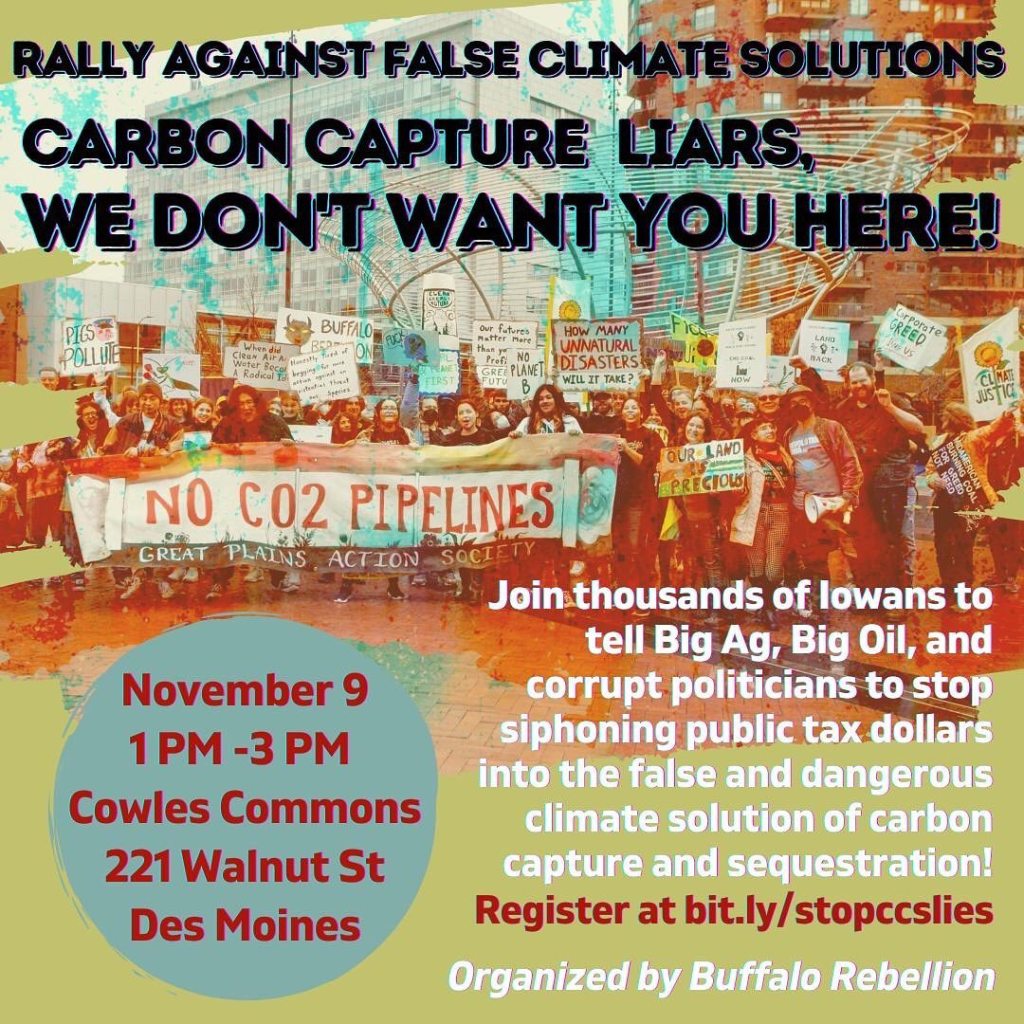


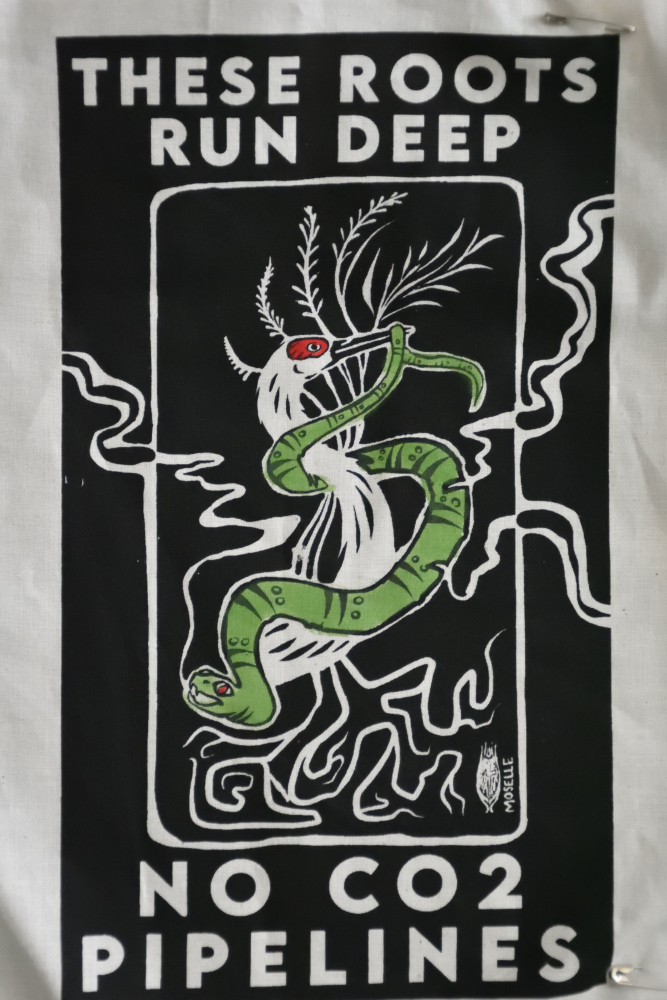


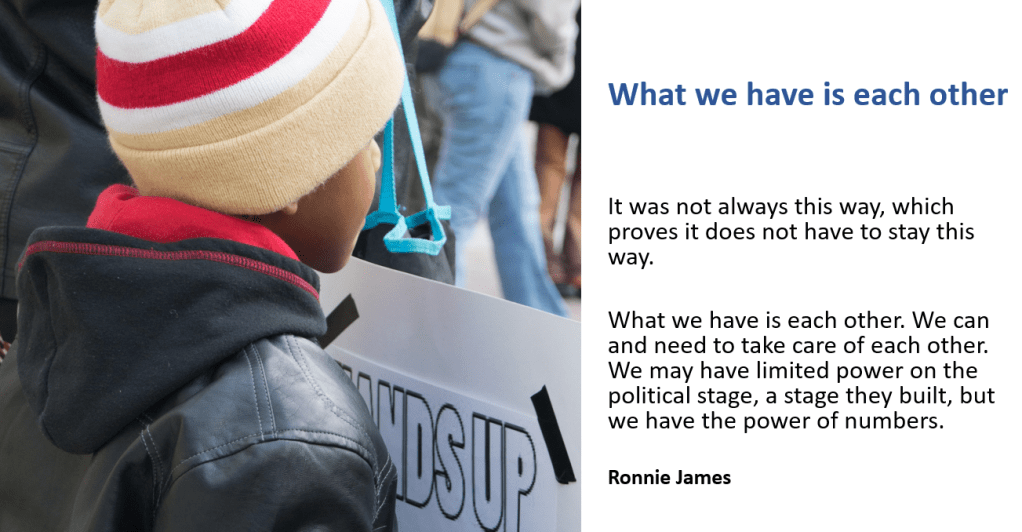


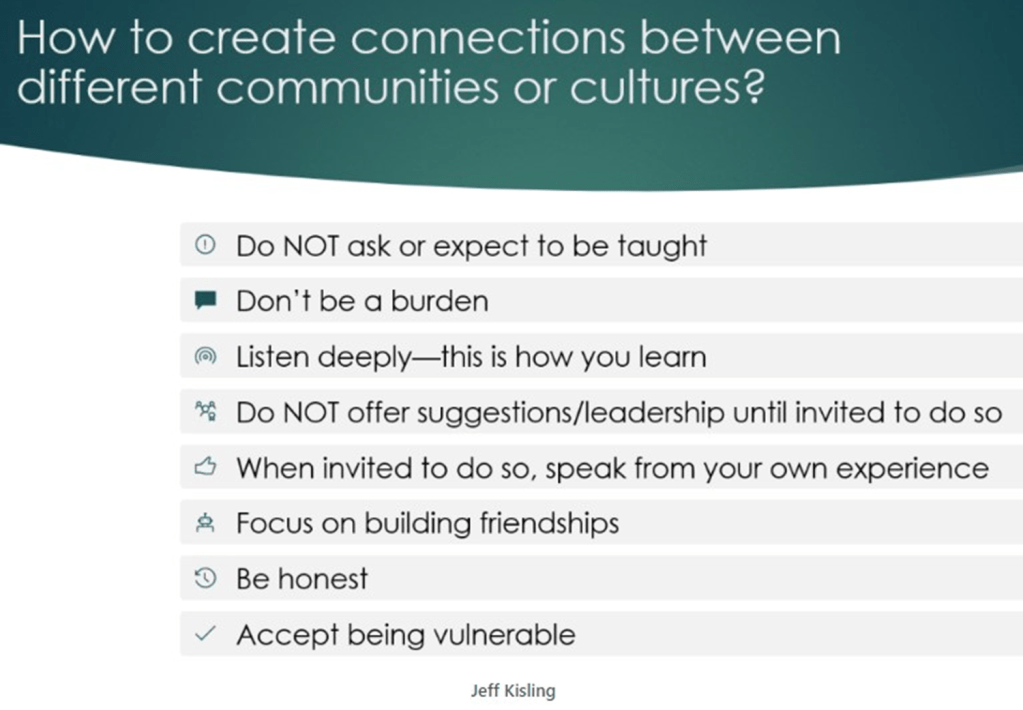


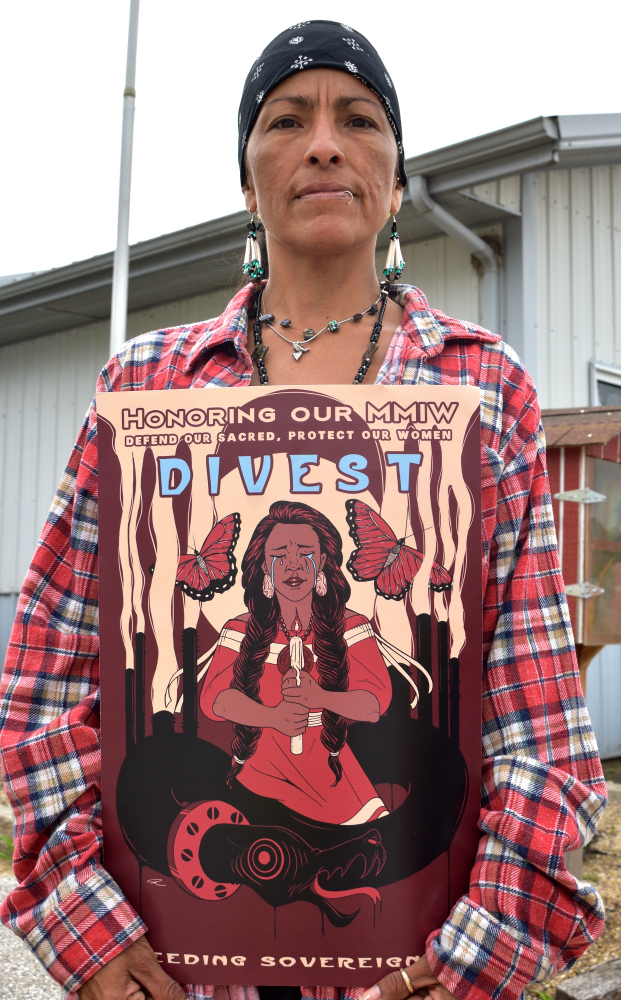
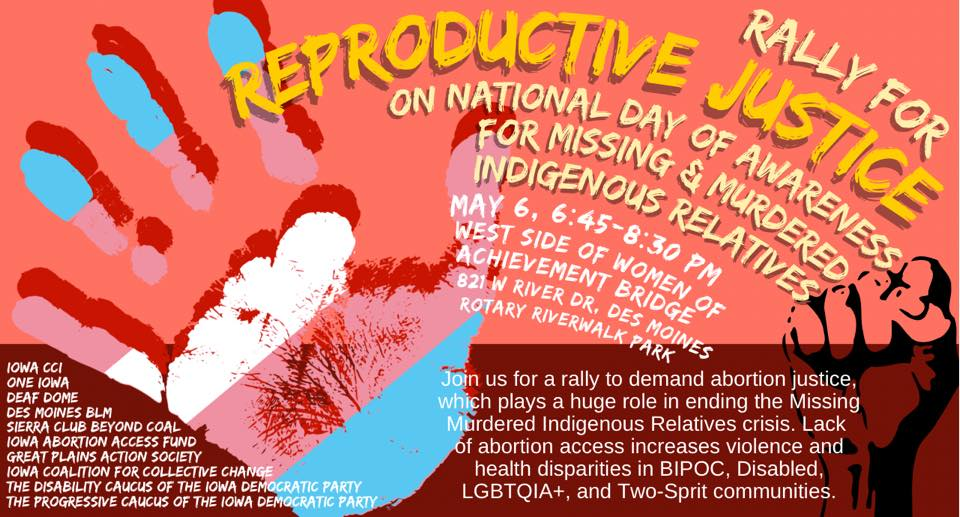


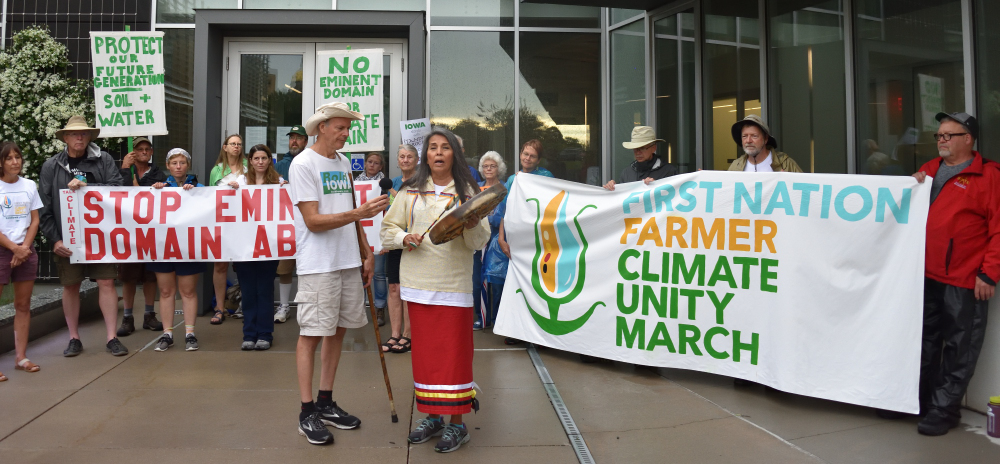
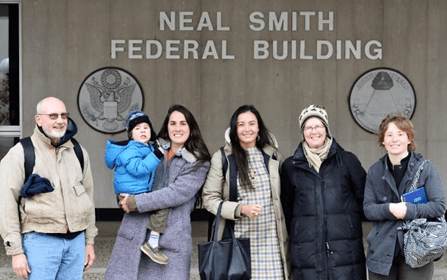
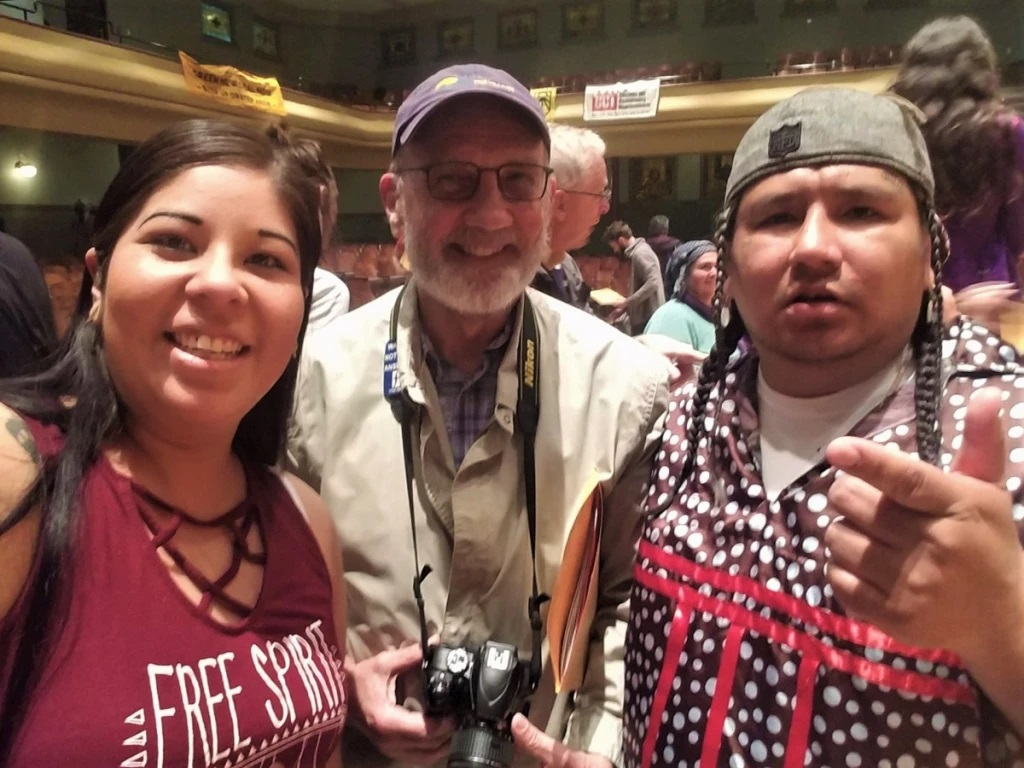


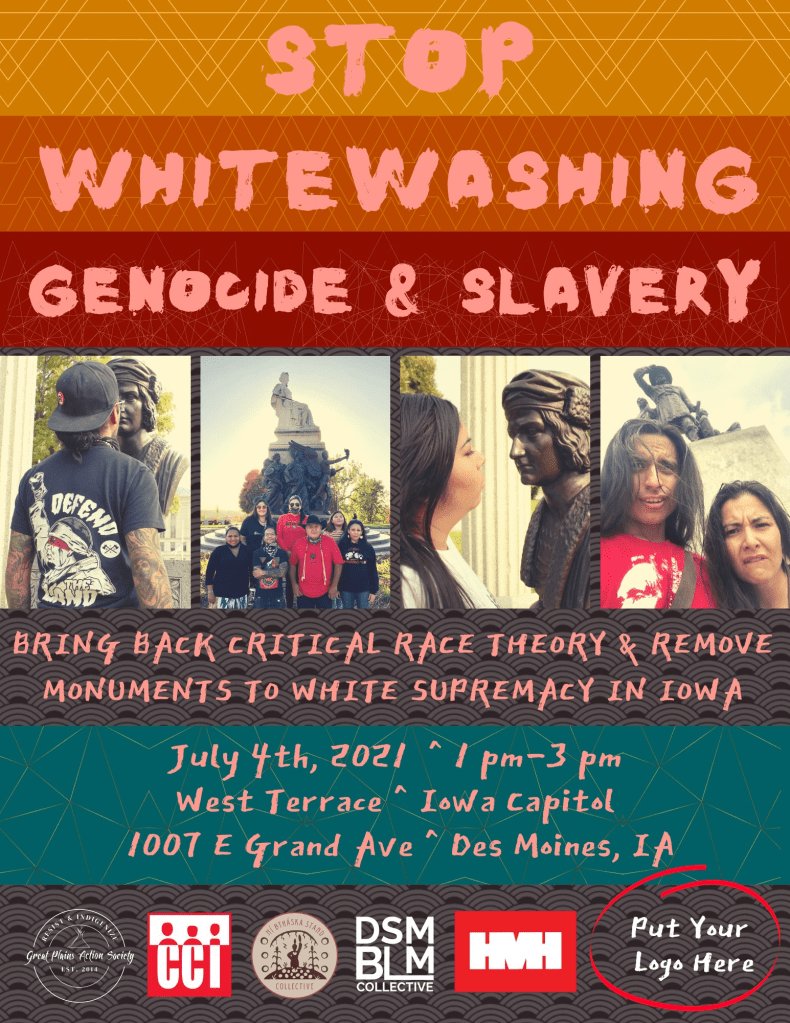

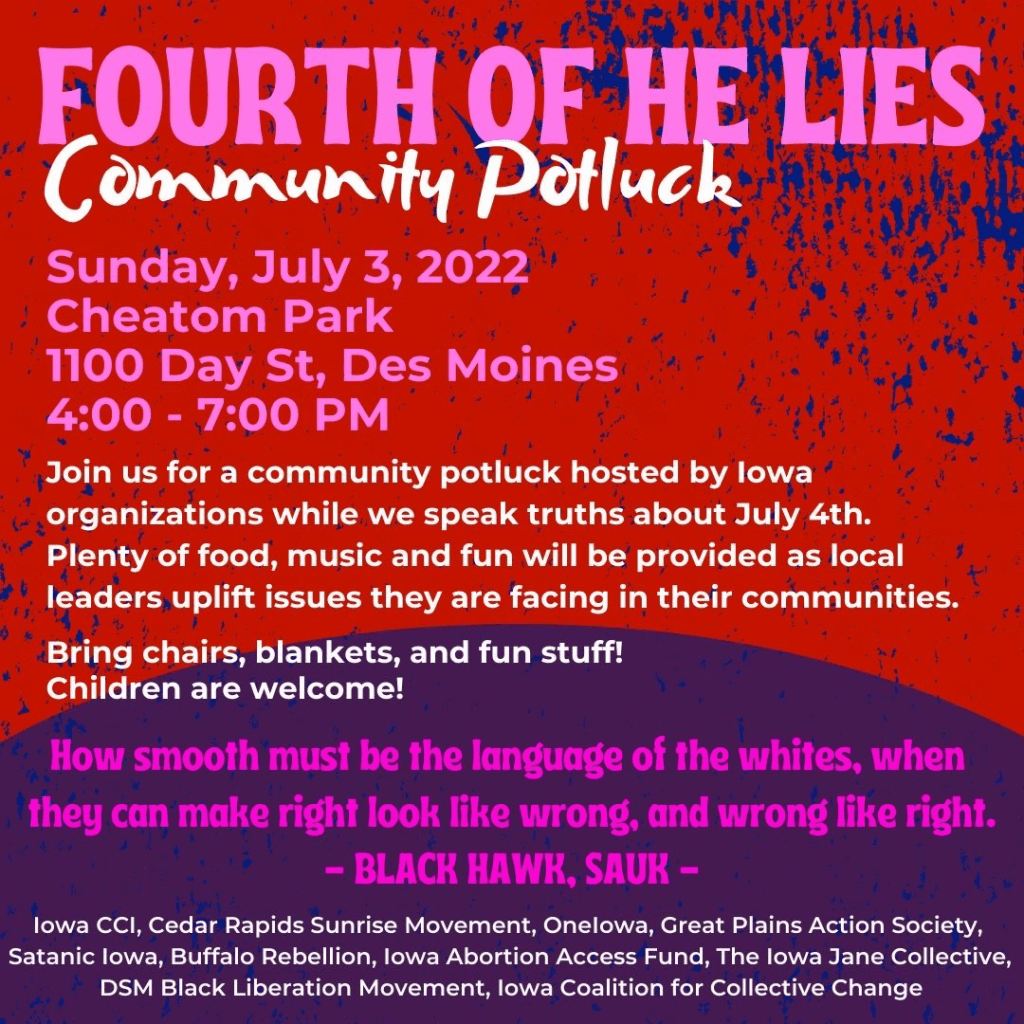

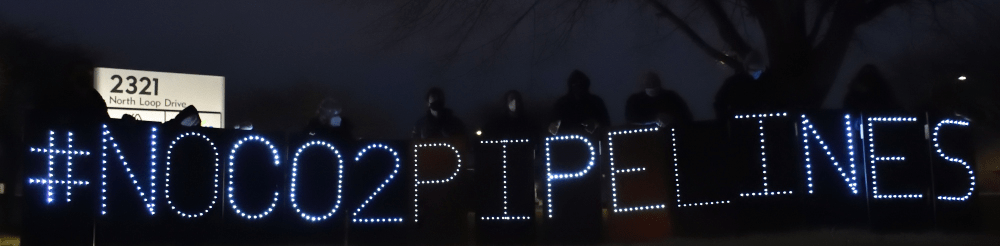


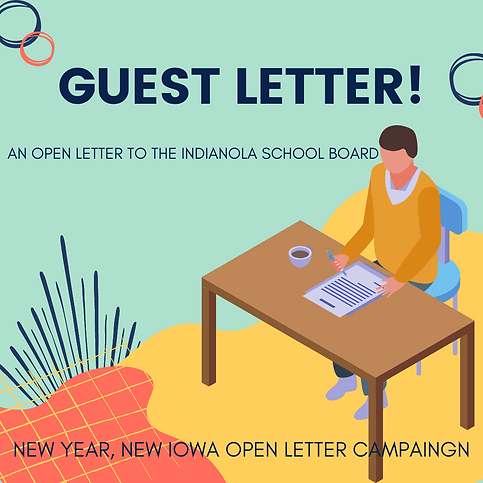


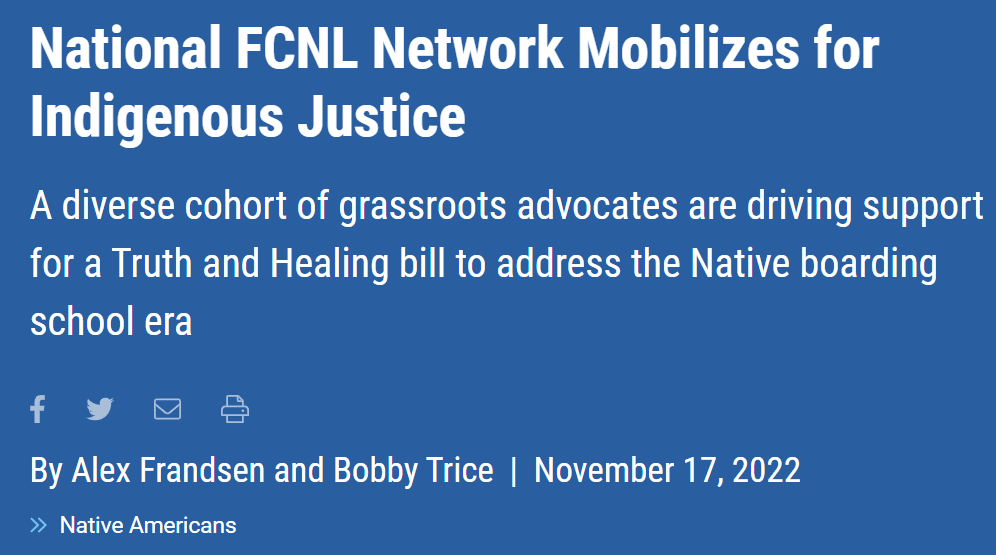


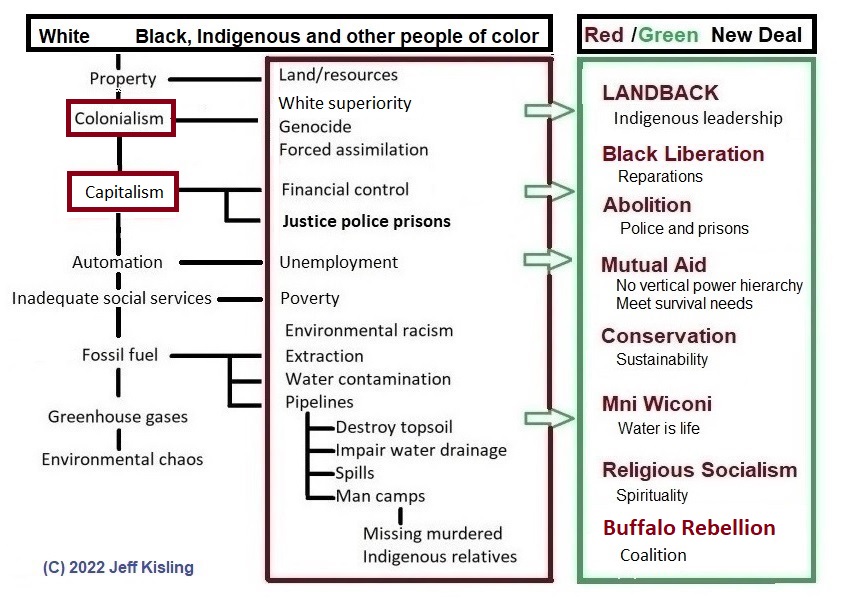

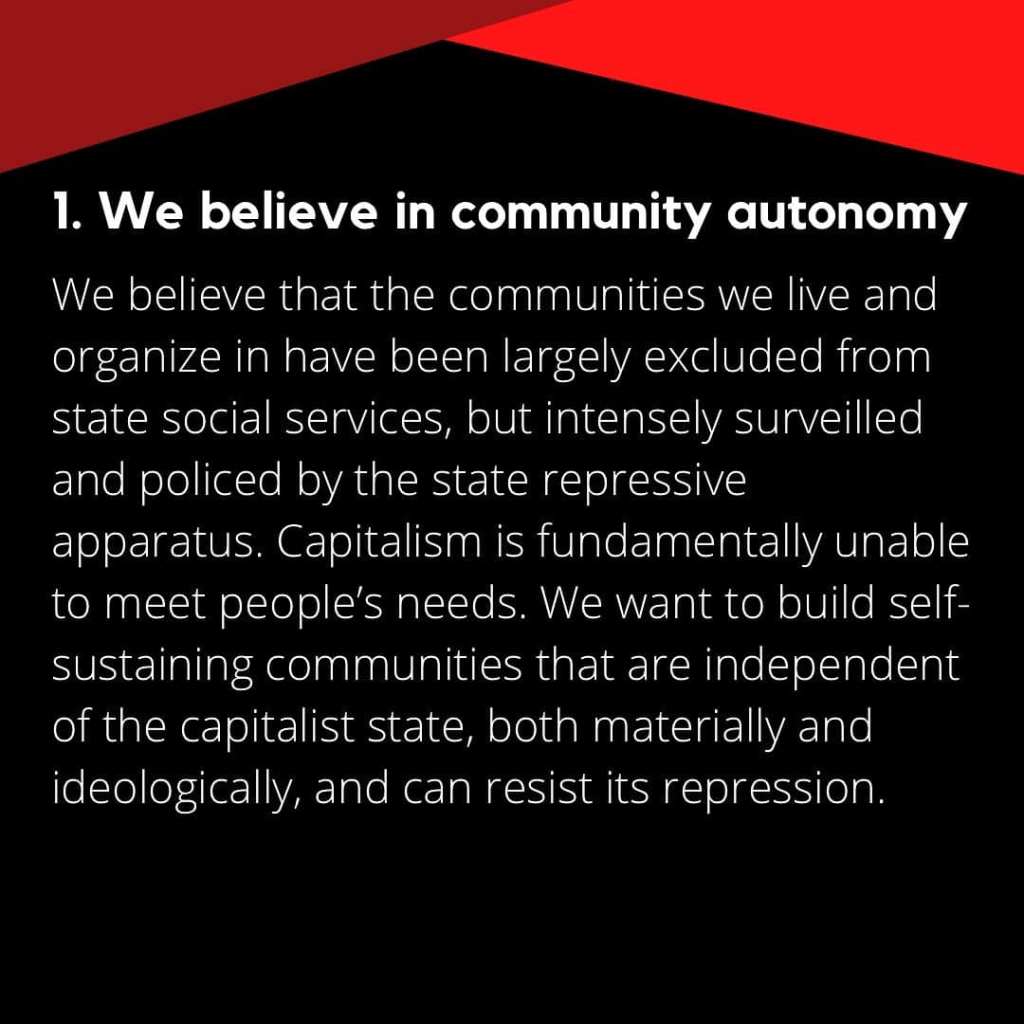








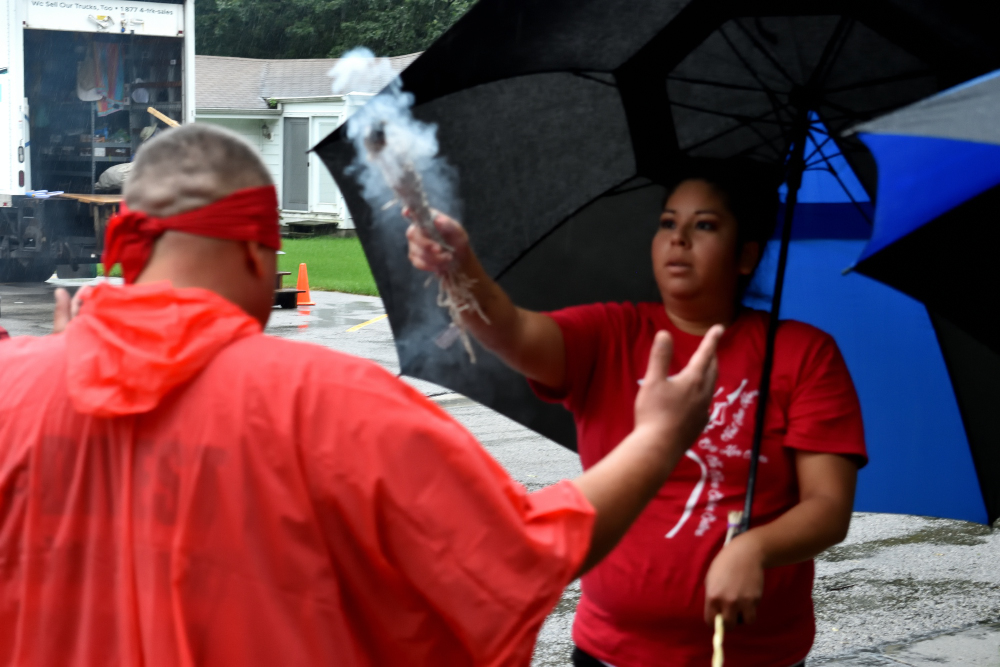

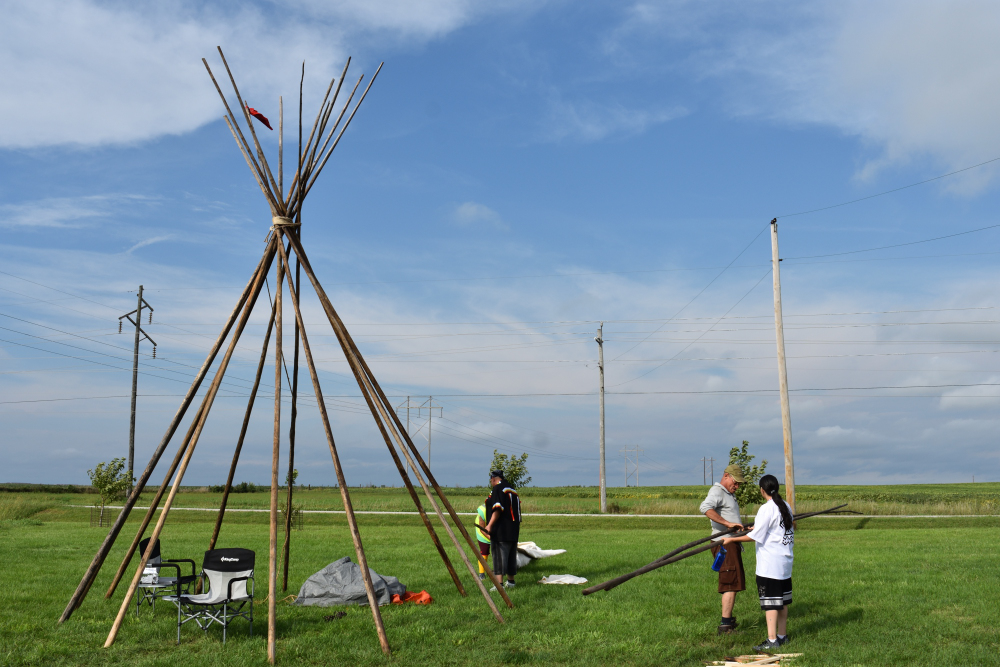



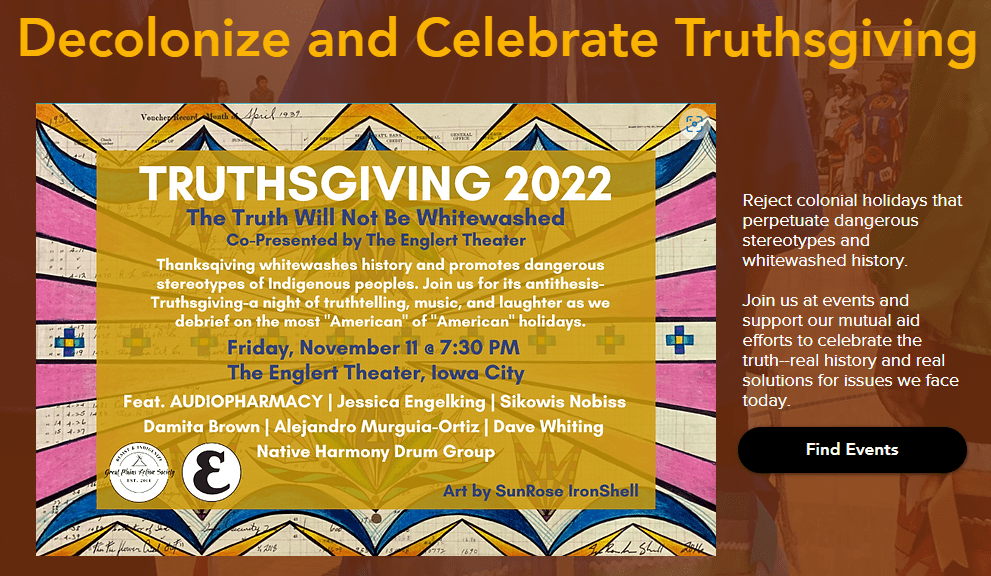

 Quakers and Mutual Aid