Justice and Disaster Preparedness

Watching the tragedy of war unfolding in Ukraine makes real the future I fear we are moving into. Are already experiencing in many ways.

Fear not only as a noun, “an unpleasant emotion caused by the belief that someone or something is dangerous”, but also as a verb, “to be afraid of.”

I can’t imagine anyone watching the stories from Ukraine, and not thinking about how tenuous our own lives are. Seeing people’s lives destroyed in an instant. Injury or death of loved ones. Loss of shelter and infrastructure. No water, power, medicines, food, community.

What would we do in a similar situation?

We might find out sooner than we think. We are facing numerous crises ourselves.

  • Environmental chaos
  • Economic collapse
  • Political collapse
  • War
  • Domestic extremism and armed conflict

There have been warnings about these things for decades, with little effect. But now we are seeing everything on that list happening to various degrees. And each negatively impacts the others.

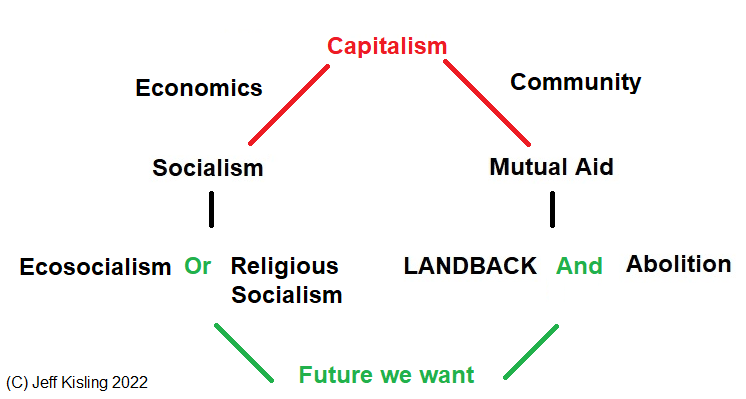
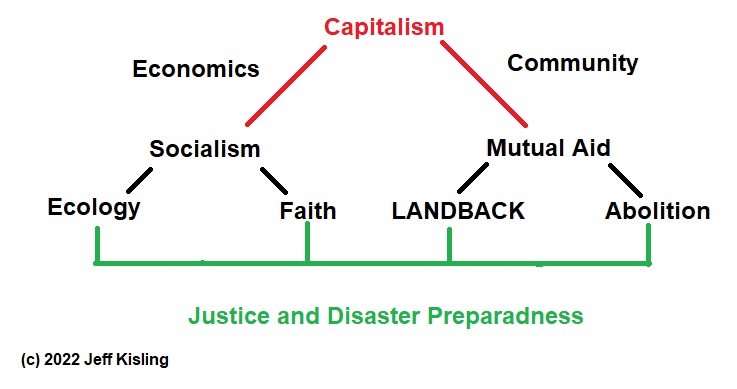
Following is a new diagram I’m working on to show relationships among systems. The reason justice is in today’s title is because so many of our current systems have injustices embedded in them. As we prepare for disasters, not addressing injustice would mean:

  • Not benefiting from the wisdom and skills of those we don’t have relationships with now. Because of the mistrust between us.
  • Bringing these injustices and conflicts into the disaster relief communities.
We have three choices:

  • We can just react to what is coming at us. Go into survival mode.
  • We can prepare for disaster locally.
  • We can work for justice as part of disaster preparedness.

Descriptions of the systems in the diagram: ecosocialism, LANDBACK, abolition and Mutual Aid follow.

I believe faith is an important part of this. This morning I thought faith was going to be the subject, but found this background needed to be covered first.

Ecosocialism

Ecosocialism brings together two complementary ways of thinking about humans and the environment they live in. The “eco-” in ecosocialism comes from the science of ecology and its emphasis on the complex and dynamic interactions among the living and non-living components within an ecosystem. In particular ecologists understand how the life-supporting functions within an ecosystem can be disrupted by the behavior of one organism, for example, humans.

But ecology lacks a social analysis; it has no way of understanding how economic and political forces drive human behavior and social change.

Ecosocialists start with the premise that environmental degradation and social injustice stem from the same source: a world where profit is the highest goal. We believe that the emancipation of people from capital and its masters goes hand-in-hand with the emancipation of the earth and its biosphere from the cancer of capitalism.

What is ecosocialism? System Change Not Climate Change

LANDBACK

  • It is a relationship with Mother Earth that is symbiotic and just, where we have reclaimed stewardship. 
  • It is bringing our People with us as we move towards liberation and embodied sovereignty through an organizing, political and narrative framework. 
  • It is a catalyst for current generation organizers and centers the voices of those who represent our future. 
  • It is recognizing that our struggle is interconnected with the struggles of all oppressed Peoples.
  • It is a future where Black reparations and Indigenous LANDBACK co-exist. Where BIPOC collective liberation is at the core. 
  • It is acknowledging that only when Mother Earth is well, can we, her children, be well. 
  • It is our belonging to the land – because – we are the land. 
  • We are LANDBACK!

LANDBACK

Abolition

The criminal justice system is violent and harmful: The UK’s prison population has risen by 90% in the last two decades, bringing the number to over 90,000. At the time of writing we are 156 days into 2018 and already we have seen at least 129 deaths in prison, immigration detention centres and at the hands of the police. As the effects of neoliberalism and austerity deepen each day, increasing numbers of people find themselves made disposable by our economic system and structural inequality, targeted by the agencies of the criminal justice system simply for being homeless, experiencing poor mental health or being born in a different country.

The criminal justice system does not reduce social harm: Policing, courts and the prison system are presented to us by politicians and the media as solutions to social problems. Yet, as the prison population has soared, we have continued to seen violence and harm in our society on a massive scale. Violence against women and girls is endemic, racism and the far right are on the rise in Britain and rates of murder and violent assaults are beginning to increase again. As politicians continue to scapegoat those with the least power in society, the conditions of structural violence that so often precede interpersonal violence remain in place.

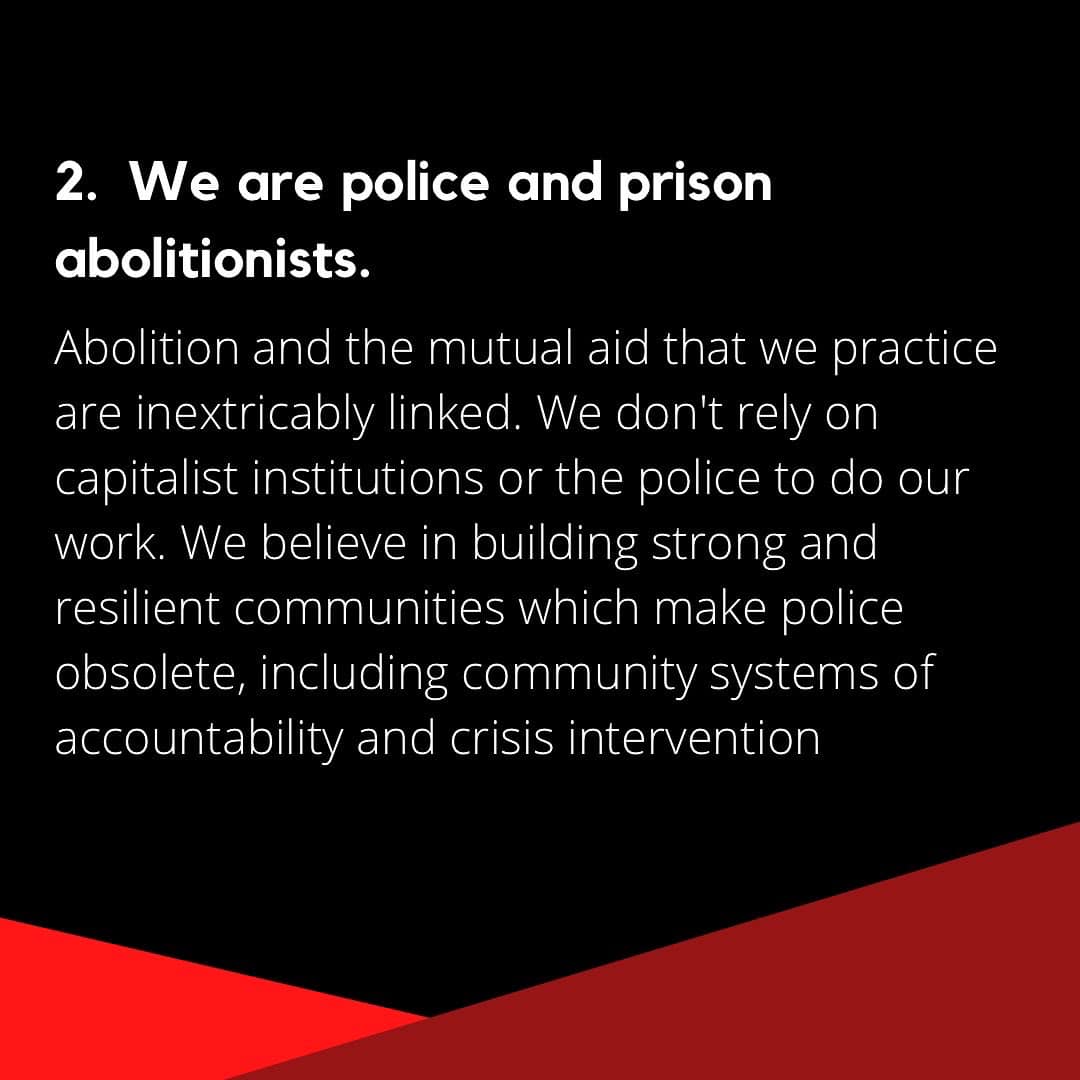
We can build a world based on social justice, not criminal justice: All over the world, communities are coming together to build real solutions to societal problems. These solutions lie outside of the criminal justice system, in preventing harm through building a better society. By bringing together groups and organisations working for social justice, we want to demonstrate and strengthen the links between prison abolition and wider struggles for housing, health, education, and environment; and for economic, racial, gender, sexual and disability justice.

Abolitionist Futures

Mutual Aid

Split Screen

I’m trying to sort out confused feelings about war and peace through a split screen of foreign versus domestic.

I was caught off guard by the Russian invasion of Ukraine. It was unrealistic to think there wouldn’t be another war between nations anytime soon.

But we haven’t had peace in this country, either.

I had forgotten Martin Luther King, Jr, was outside a California prison, which was holding Vietnam War protesters when he said, “there can be no justice without peace, and there can be no peace without justice.” December 14, 1967.

So, there is this dichotomy of war between nations versus domestic injustices. Domestic injustices mean there is no peace here.

This quote from Muhammad Ali relates to this.

Under no conditions do we take part in war and take the lives of other humans.

It is in the light of my consciousness as a Muslim minister and my own personal convictions that I take my stand in rejecting the call to be inducted. I do so with the full realization of its implications. I have searched my conscience.

Man, I ain’t got no quarrel with them Vietcong…they never called me ______.

Muhammad Ali

I’ve been blessed to have become part of numerous oppressed communities in this country. Where there are so many injustices. Where there is so much violence, much of it state sanctioned.

The scenes and stories from Ukraine are devastating to see. And while it is good to see the response of so many who want to help, I wish there were similar responses to our own domestic tragedies.

A friend this morning tells me others have noted similar disparities in the response to the plight of Palestinians. He said, “Once again I am reminded of how ‘White’ my thinking is.”

And there are the dispiriting stories of racial discrimination in support among the Ukrainian refugees.

My experiences with Mutual Aid have convinced me that is a way to peace.


The recent past shows us that mutual aid is not only a tool of survival, but also a tool of revolution.

Ronnie James

The first, and possibly the most important, is that it was not always this way, which proves it does not have to stay this way. 

What we have is each other. We can and need to take care of each other. We may have limited power on the political stage, a stage they built, but we have the power of numbers.

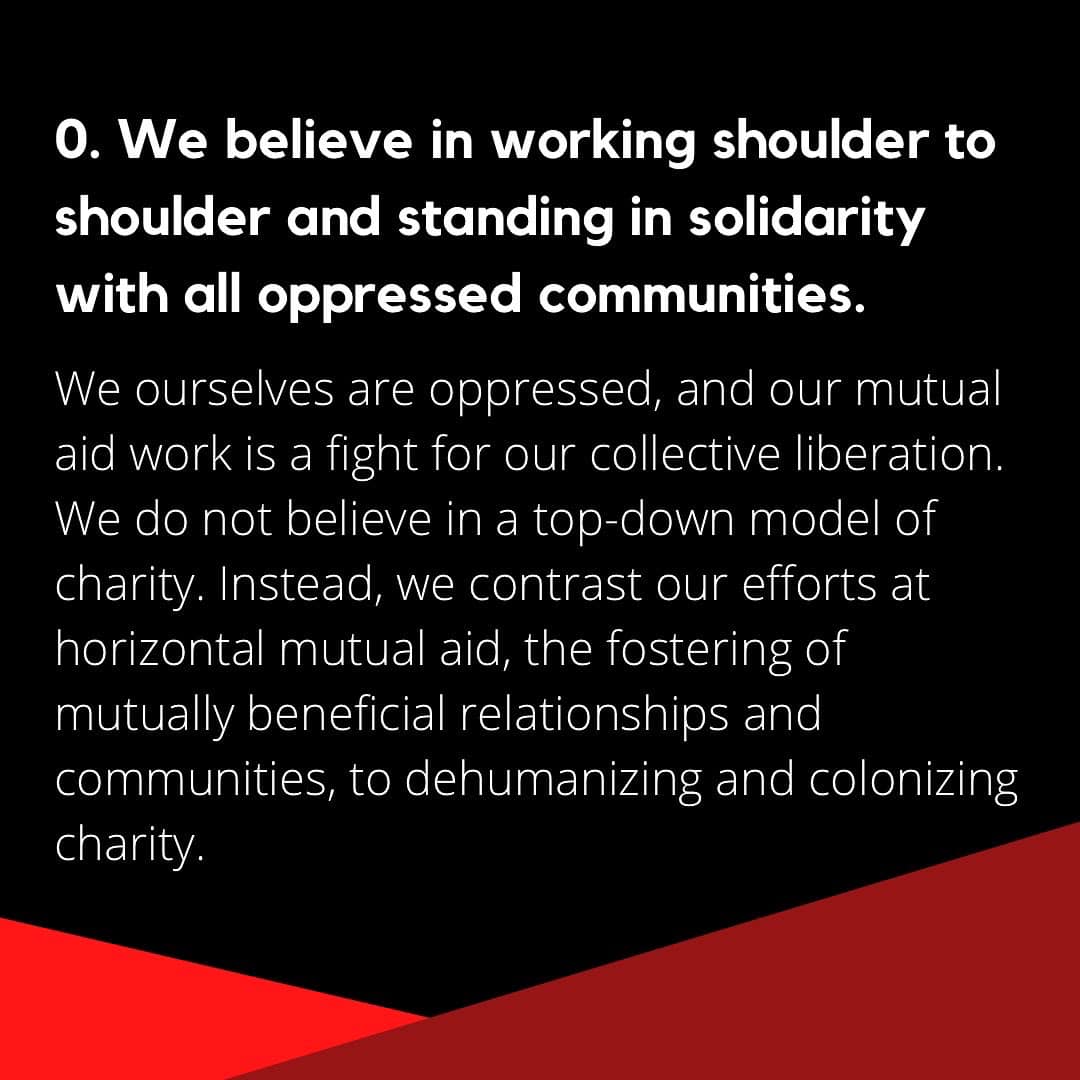
Those numbers represent unlimited amounts of talents and skills each community can utilize to replace the systems that fail us.  The recent past shows us that mutual aid is not only a tool of survival, but also a tool of revolution. The more we take care of each other, the less they can fracture a community with their ways of war. Organized groups like The American Indian Movement and the Black Panther Party for Self Defense showed that we can build not only aggressive security forces for our communities, but they also built many programs that directly responded to the general wellbeing of their communities. This tradition began long before them and continues to this day. Look into the Zapatistas in Southern so-called Mexico for a current and effective example.

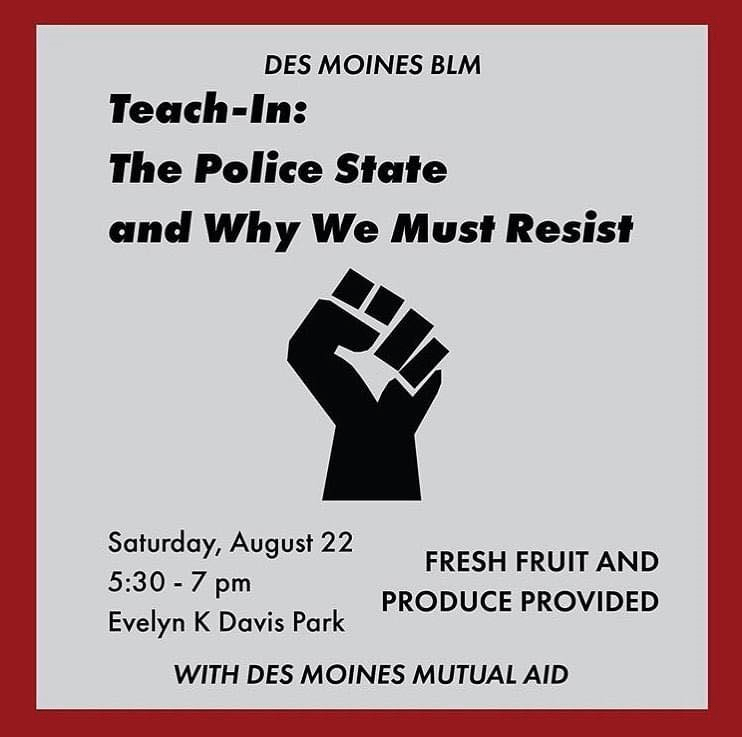
Ronnie James, The Police State and Why We Must Resist

Global Abolition and White Supremacy

For most of my life I understood abolition to mean abolishing slavery. I often heard about that in my Quaker community. The story is that Quakers were involved in the underground railroad, helping freedom seekers escape from where they were enslaved.

But my friend Lucy Duncan writes about myths and avoiding uncomfortable truths.

We White Quakers like to revel in our myths about ourselves. These include “we were all abolitionists”; “we all worked on the Underground Railroad”; and “none of us were slaveholders.”

Often there are kernels of truth in myths, but the truth is more complex. Myths exist to veil the complexity and contradictions of our history, to obfuscate the differences between who we think we are and who we really are and have been. Often we want to take credit for the courageous few among us in order to absolve us from the uncomfortable reckoning with our past and our present. These myths protect our sense of innocence and goodness, but at what cost? Our failure to interrogate uncomfortable truths keeps us from living up to the promise of our faith, one that centers uncovering truth as foundational to our communal religious life.

A Quaker Call to Abolition and Creation by Lucy Duncan, Friends Journal, April 1, 2021

There are many stories of white Friends today refusing to reckon with our past, and what racial justice requires of us now.

Today abolition more commonly refers to abolishing police and prisons. I’ve joined in the work of Quakers for Abolition Network and contributed to an article about this in the Western Friend, https://westernfriend.org/issue/94. I participate in the Central Iowa Democratic Socialists of America’s prison letter writing efforts and am taking two courses related to abolition.

As I was praying about what to write today, I was thinking about the terrible abuses the Wet’suwet’en peoples in British Columbia are suffering from the heavily militarized Royal Canadian Mounted Police. The state sanctioned violence to enforce construction of the Coastal GasLink pipeline through their sacred and pristine lands and water. Yesterday I wrote about stopping the criminalization of Indigenous land defenders. And I realized this is another case that calls for the abolition of police and prisons.

That led to making the connection to the entire history of colonization of so-called North America to abolition. To the global colonization of Indigenous peoples. To the need for abolition of colonization and supremacy worldwide. Including repudiation of the Doctrine of Discovery.

Abolition is about ending systems of control over populations. That is why my friends and I are working to create Mutual Aid communities. Mutual Aid is about replacing vertical hierarchies with horizontal group structures. There can be no control from above if there is no vertical hierarchy.

“What would it look like to finally and fully abolish slavery?” It would look like Mutual Aid.

What would it mean for us to take seriously and collectively as a Religious Society a call to finish the work of abolition, hand in hand and side by side with those affected  and their loved ones? What would it mean for us to stand fully with the calls to abolish the police and fully fund community needs instead? What would it mean to reckon with our past complicity with harm and fully dedicate ourselves to the creation of a liberating Quaker faith that commits to build the revolutionary and healing faith we long to see come to fruition? What would it look like to finally and fully abolish slavery?

A Quaker Call to Abolition and Creation by Lucy Duncan, Friends Journal, April 1, 2021

The future we want

I’ve been trying to integrate all that I’ve been learning about Mutual Aid, #LANDBACK, Abolition, Religious Socialism, Ecosocialism, photography, forced assimilation and Indigenous worldview. There are many intersections among these. This is stimulated in part as I reflect on yesterday. It was a spiritual time when I stopped at Easter Lake to take photos there, despite, or because of the bitter cold. Then continuing to be with my Mutual Aid friends as we filled boxes of food to distribute in the neighborhood. To witness people coming together to share stories. Each moving from one friend to another. This is part of the future we (I) want that exists now. That is the wonderful thing about Mutual Aid, as the focus is on addressing survival needs in the present. As my friend Ronnie says, you work intensely for an hour and a half, and when you’re done you feel sweaty, tired and good.

As I hear so many friends expressing feelings of hopelessness and despair, I feel fortunate to be involved in a community that gives us a sense of doing something good together. Which is one reason I’m trying to get more people involved in Mutual Aid.

I heard some of this discouragement when those in the Quakers for Abolition Network met via ZOOM yesterday.

I’ve been working on a new diagram to help me visualize the relationships between the concepts mentioned at the beginning. The root cause of so much suffering is the capitalist economic system. Socialism is an alternative to capitalism. Ecosocialism is about how environmental devastation will be the end of capitalism. Or faith communities can help bring about socialism as an alternative to capitalism from a moral lens. Or both.

Mutual Aid is a framework to replace vertical hierarchies and the unjust power structures they enforce. LANDBACK, returning to Indigenous relationships with the land, and abolition of police and prisons are part of building communities that represent the future we want.

EPSON MFP image

Quakers for Abolition Network

The tragic news of the recent killings of police officers ratchets up calls for more policing. Demonizing those of us who call for defunding the police. New York City’s mayor refers to defunding the police as a bumper sticker.

President Joe Biden’s meeting with New York City Mayor Eric Adams on February 3, 2022, comes as cities across the U.S. face a rise in violent crimes and represents a politically awkward shift in how the Democratic Party is approaching policing and criminal justice.

As a Senator in the 1990’s, Biden was known to be tough on crime, and Adams, a former NYPD captain, has been vocal about his support for police and the criminal justice system. They both find their long-held positions on policing and crime back in the Democratic mainstream, as some mayors and elected officials have shifted their stance on crime and the “defund the police” movement over the past several months.

During his meeting with Adams, Biden expressed his opposition to defunding the police as he said, “the answer is not the defund the police, it’s to give you the tools, the training, the funding, to be partners [and] to be protectors.”

Joe Biden, Eric Adams Meeting Marks Democrats U-Turn on ‘Defund the Police’ BY MATTHEW IMPELLI, Newsweek, 2/3/22

As an abolitionist, it feels like menace is in the air. I’m reminded of my teen days when I resisted the draft while the Vietnam war was raging. It was great to be living in the Scattergood Friends School community then.

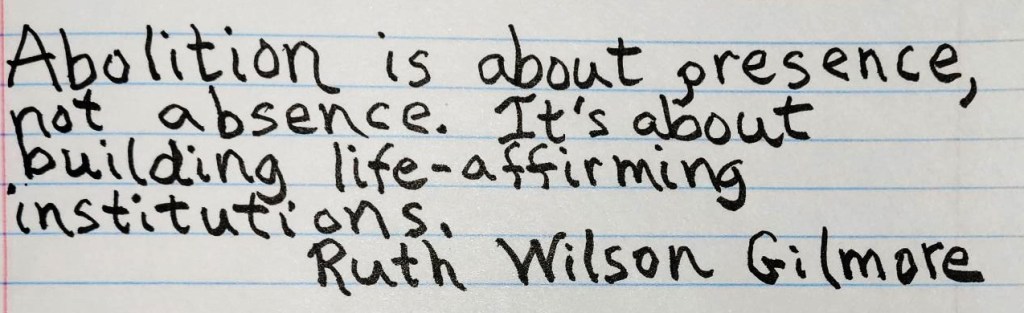
Most people think about abolition in terms of what it is against. Against the institution of slavery, against police and prisons. I like to think about what abolition is for.

I am a member of the Quakers for Abolition Network. Mackenzie Barton-Rowledge and Jed Walsh have been organizing this effort. Following are two articles published in Western Friend. To join the Quakers for Abolition Network, email Jed Walsh (jedwalsh9 [at] gmail.com) or Mackenzie Barton-Rowledge (mbartonrowledge [at] gmail.com).

Mackenzie: Let’s start with: What does being a police and prison abolitionist mean to you?

Jed: The way I think about abolition is first, rejecting the idea that anyone belongs in prison and that police make us safe. The second, and larger, part of abolition is the process of figuring out how to build a society that doesn’t require police or prisons.

M: Yes! The next layer of complexity, in my opinion, is looking at systems of control and oppression. Who ends up in jail and prison? Under what circumstances do the police use violence?

As you start exploring these questions, it becomes painfully clear that police and prisons exist to maintain the white supremacist, heteronormative, capitalist status quo. The racial dynamics of police violence are being highlighted by the recent uprisings and the Black Lives Matter movement.

We are in the same place, with a call to imagine a culture radically different than the one in which we live. Abolishing police and prisons, like abolishing slavery, would change the structure of our society: dramatically decreasing violence and undoing one set of power relationships that create domination and marginalization. And in place of this violence, we could, instead, have care.

Abolish the Police by Mackenzie Barton-Rowledge and Jed Walsh, Western Friend, Nov 2020

Perspectives from the Quakers for Abolition Network

In late 2020, the two of us wrote an article for this magazine, called “Abolish the Police.” Through writing the piece, we realized we wanted to convene a larger space where Friends with an interest in police and prison abolition could have conversations with one another. Quaker abolitionists today face major pushback from our Meetings; we hoped that drawing Friends together would support and strengthen our work.

In this context, the Quakers for Abolition Network is being born. We are a collection of Friends from at least five Yearly Meetings; we range in age from high school to our 80s; we are disproportionately queer and trans. While AFSC and FCNL staff are participating, this is a grassroots project without any formal connections to existing organizations. We are in the process of defining our mission statement, structure, and our methods for addressing white supremacy when it shows up in our work, while building relationships with each other as we go. Below, four Friends write about their approaches to abolition, their lessons, and their visions for where Quakers might be headed.

Jeff Kisling: Mutual Aid and Abolition

I grew up in rural Iowa, where there was very little racial diversity and interactions with police and the court system were rare. About ten years ago, I was blessed to become involved with the Kheprw Institute, a Black youth mentoring and empowerment community. I’ll never forget how shocked I was when a Black mother broke down in tears, explaining how terrified she was every minute her children were away from home. It was obvious that every other person of color in the discussion knew exactly what she was saying.

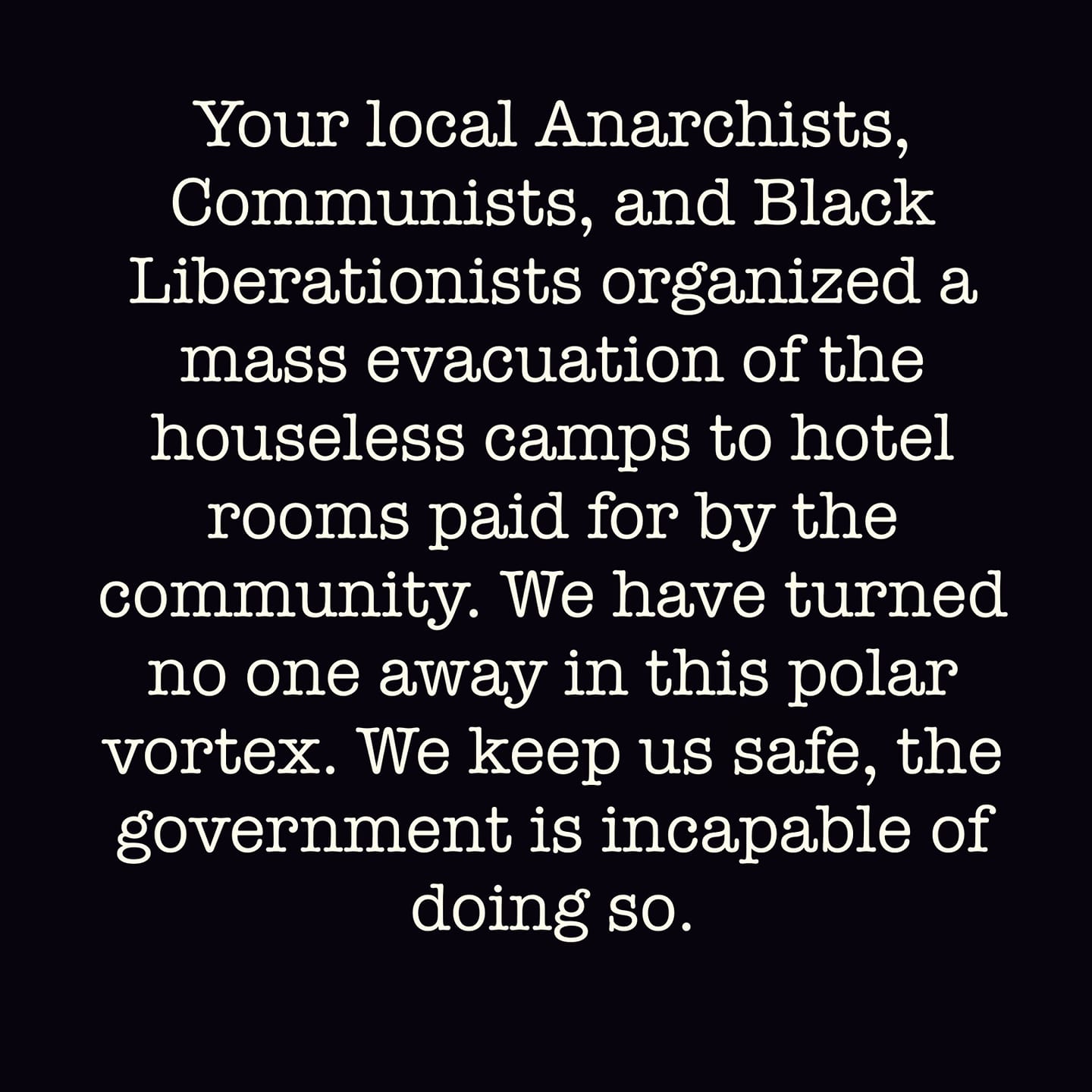
After retiring, I was led to connect with Des Moines Mutual Aid, a multiracial organization founded to support houseless people. For over a year, I’ve helped my friends fill and distribute boxes of donated food, while continuing to learn about the framework of mutual aid.

To me, mutual aid is about taking back control of our communities. Besides the food giveaway, we support houseless people and maintain a bail fund to support those arrested agitating for change. We also work for the abolition of police and prisons.

To join the Quakers for Abolition Network, email Jed Walsh (jedwalsh9 [at] gmail.com) or Mackenzie Barton-Rowledge (mbartonrowledge [at] gmail.com).

Mackenzie Barton-Rowledge and Jed Walsh: Introducing the Quakers for Abolition Network, Western Friend, Sept 2021

New paths for faith and justice

Much of my work and writing last year has been related to Mutual Aid. This has solidified my conclusions that our hope now is to continue and expand Mutual Aid projects across the county and world.

The greatest driver to build mutual aid groups is we will soon have no choice. It is increasingly clear our political system has failed us. Capitalism has failed us. Our healthcare industry is failing despite the valiant efforts of front-line health workers. And most of all, environmental chaos will rapidly worsen.

It has seemed our faith bodies are failing us, too. Where is the church in helping us through these increasingly trying times?

We can take advantage of skills that we cultivate within our faith spaces—such as mindfulness, active listening and servant leadership—to build multi-faith, multi-tendency, and multi-generational coalitions for systemic change

Ty Kiatathikom

For example, I’ve worked my entire adult life to convince Quakers to stop owning personal automobiles. And failed to do so. I’m aware this could be related to mistakes I’ve made in communicating.

I’ve been discouraged, but not surprised, at the lack of response I’ve been getting when trying to convince people of the evils and failure of capitalism. (See Evils of Capitalism). But I know it will require spiritual guidance to help us through the coming times. I still have faith the Inner Light will show us the way.

I am intrigued by the idea of Religious Socialism that my friend Fran Quigley told me about. Fran is director of the Health and Human Rights Clinic at Indiana University McKinney School of Law and has published the book Religious Socialism: Faith in Action for a Better World.

In the following Lucy Duncan writes “What would it mean to reckon with our past complicity with harm and fully dedicate ourselves to the creation of a liberating Quaker faith that commits to build the revolutionary and healing faith we long to see come to fruition? What would it look like to finally and fully abolish slavery?”

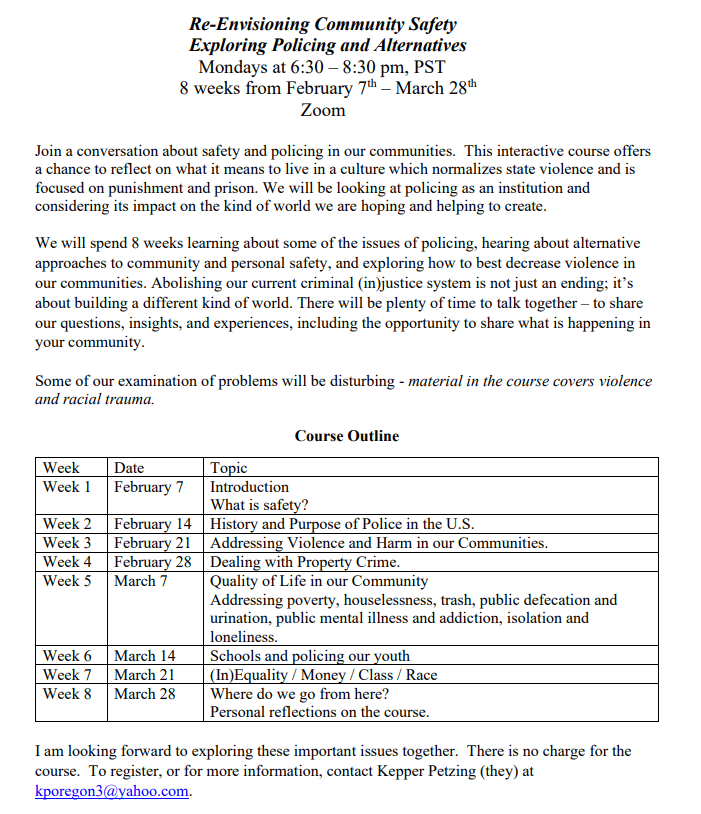
Ty Kiatathikom writes about Religious Socialism. And there is information about an eight-week course, “Re-Envisioning Community Safety. Exploring Policing and Alternatives”.

Early Friends understood the Inner Light not only as a beacon shining from each person’s soul but also as a searchlight exposing the knots and blocked or wounded places in ourselves, the spaces requiring reckoning and real repair. I would argue that these stories of White Quaker complicity (which do not in any way diminish the stories of individual and collective Quaker courage) implicate us in the harms of slavery and incarceration in deep ways. They implicate us as perpetrators but also as wounded ourselves.

As Wendell Berry so eloquently put it, we carry the mirror image of the harm we’ve caused in our souls. This “hidden wound” is ever present and disrupts our ability to be fully intact, fully grounded, and human. We render ourselves in some ways obscure to our own history and to a full knowing of who we are.

I tell the stories of early White Quaker relationships to slavery because slavery was never really abolished. If we can reckon with the full truth of our connection to slavery and its afterlives, perhaps we can begin the healing necessary to fulfill the promise of the Religious Society of Friends of Truth. 

We as White Quakers like to think of ourselves as ahead or better than dominant culture, but we have been complicit in a system and mindset that are ubiquitous. Claiming the full truth of our history and committing to repair the harms done are deeply spiritual acts of healing our own wounds of disconnection. I would argue it is the pathway upon which we can, perhaps for the first time, discover and invigorate our faith with its full promise.

What would it mean for us to take seriously and collectively as a Religious Society a call to finish the work of abolition, hand in hand and side by side with those affected  and their loved ones? What would it mean for us to stand fully with the calls to abolish the police and fully fund community needs instead? What would it mean to reckon with our past complicity with harm and fully dedicate ourselves to the creation of a liberating Quaker faith that commits to build the revolutionary and healing faith we long to see come to fruition? What would it look like to finally and fully abolish slavery?

A Quaker Call to Abolition and Creation by Lucy Duncan, Friends Journal, April 1, 2021

Where do religious socialists fit into that struggle?

Every religion teaches the power of redemption. In every faith, there are stories about human beings redeeming and being redeemed. Siddhartha Gautama renounces his status as a prince to live and die as an ascetic, and in doing so, escapes from the cycle of life and death entirely. The Abrahamic religions call on their adherents to answer for their misdeeds by doing virtuous acts and asking forgiveness from God. Universally, our faiths extol the importance of understanding that our actions in this life define us and carry us on over to the next, and that no person is ever beyond redemption for their vilest act.

We can take advantage of skills that we cultivate within our faith spaces—such as mindfulness, active listening and servant leadership—to build multi-faith, multi-tendency, and multi-generational coalitions for systemic change. Relationship-building is a foundational step in birthing a revolutionary culture, and abolitionist culture is no different. As religious socialists, we have the potential—and therefore the responsibility—to nourish the culture that connects us within and without prison walls. 

One example of religiously informed abolitionist organizing is Abolition Apostles, a national jail and prison ministry based in New Orleans. Serving thousands of incarcerated people across the country, Abolition Apostles connects them with pen pals, material support, and advocacy for their parole and re-entry. 

We cannot claim to live in a moral society until we have achieved the permanent abolition of the prison-industrial complex. The words echo in religious and socialist texts: Hebrews 13.3: Remember those who are in prison as though you were in prison with them; the Dhammapada: Whoever, being pure, forbears with punishment, bondage, and abuse, having the strength of endurance, having an army of strengths, that one I say is a brahmin;  Eugene Debs: While there is a lower class, I am in it, while there is a criminal element, I am of it, and while there is a soul in prison, I am not free

WHILE THERE IS A SOUL IN PRISON: REMEMBERING ATTICA, COMMITTING TO ABOLITION by Ty Kiatathikom, religioussocialism.org

Dear Friends,

From October through December 2021, I led a course for Friends from Multnomah Friends Meeting and West Hills Friends Church (both in Portland, OR) based on the Mennonite Church, USA curriculum about police abolition. https://www.mennoniteusa.org/abolition-curriculum-intro/  
This Portland Quaker gathering was sponsored by Multnomah’s Peace and Social Concerns Committee and Friends for Racial Justice. 

After spending nine weeks exploring these issues and obtaining feedback from course participants, I feel led to widen the discussion to a broader community. I am hoping that additional Friends will join me for an exploration of this topic – and that Friends will forward this opportunity to friends who are not Quakers who may be interested.

Below is the course announcement. Unfortunately, the timing of the course (6:30 – 8:30 pm PST) only works for West Coast, or possibly Mountain Time people. 

Please get in touch if you have questions, suggestions, or are interested in participating.

Gratefully,

Kepper Petzing (they)

kporegon3@yahoo.com

An Epistle to Friends Regarding Religious Socialism

Religious Socialism is fundamentally about the many injustices that are consequences of the capitalist economic system. It is difficult to come to terms with the evils of this system we dwell in. But we must have the moral courage to reject capitalism.

But our moral lag must be redeemed; when scientific power outruns moral power, we end up with guided missiles and misguided men. When we foolishly maximize the minimum and minimize the maximum we sign the warrant for our own day of doom. It is this moral lag in our thing-oriented society that blinds us to the human reality around us and encourages us in the greed and exploitation which creates the sector of poverty in the midst of wealth. Again, we have diluted ourselves into believing the myth that Capitalism grew and prospered out of the protestant ethic of hard work and sacrifice, the fact is that Capitalism was built on the exploitation and suffering of black slaves and continues to thrive on the exploitation of the poor – both black and white, both here and abroad. If Negroes and poor whites do not participate in the free flow of wealth within our economy, they will forever be poor, giving their energies, their talents and their limited funds to the consumer market but reaping few benefits and services in return. The way to end poverty is to end the exploitation of the poor, ensure them a fair share of the government services and the nation’s resources. I proposed recently that a national agency be established to provide employment for everyone needing it. Nothing is more socially inexcusable than unemployment in this age. In the 30s when the nation was bankrupt it instituted such an agency, the WPA, in the present conditions of a nation glutted with resources, it is barbarous to condemn people desiring work to soul sapping inactivity and poverty. I am convinced that even this one, massive act of concern will do more than all the state police and armies of the nation to quell riots and still hatreds. The tragedy is our materialistic culture does not possess the statesmanship necessary to do it.

Martin Luther King, Jr. The Three Evils of Society, August 31, 1967, National Conference on New Politics, Chicago

Capitalism was built on the exploitation and suffering of black slaves and continues to thrive on the exploitation of the poor

Martin Luther King, Jr

Following is An Epistle to Friends Regarding Religious Socialism I wrote based upon An Epistle to Friends Concerning Military Conscription’

An Epistle to Friends Regarding Religious Socialism

Dear Friends,

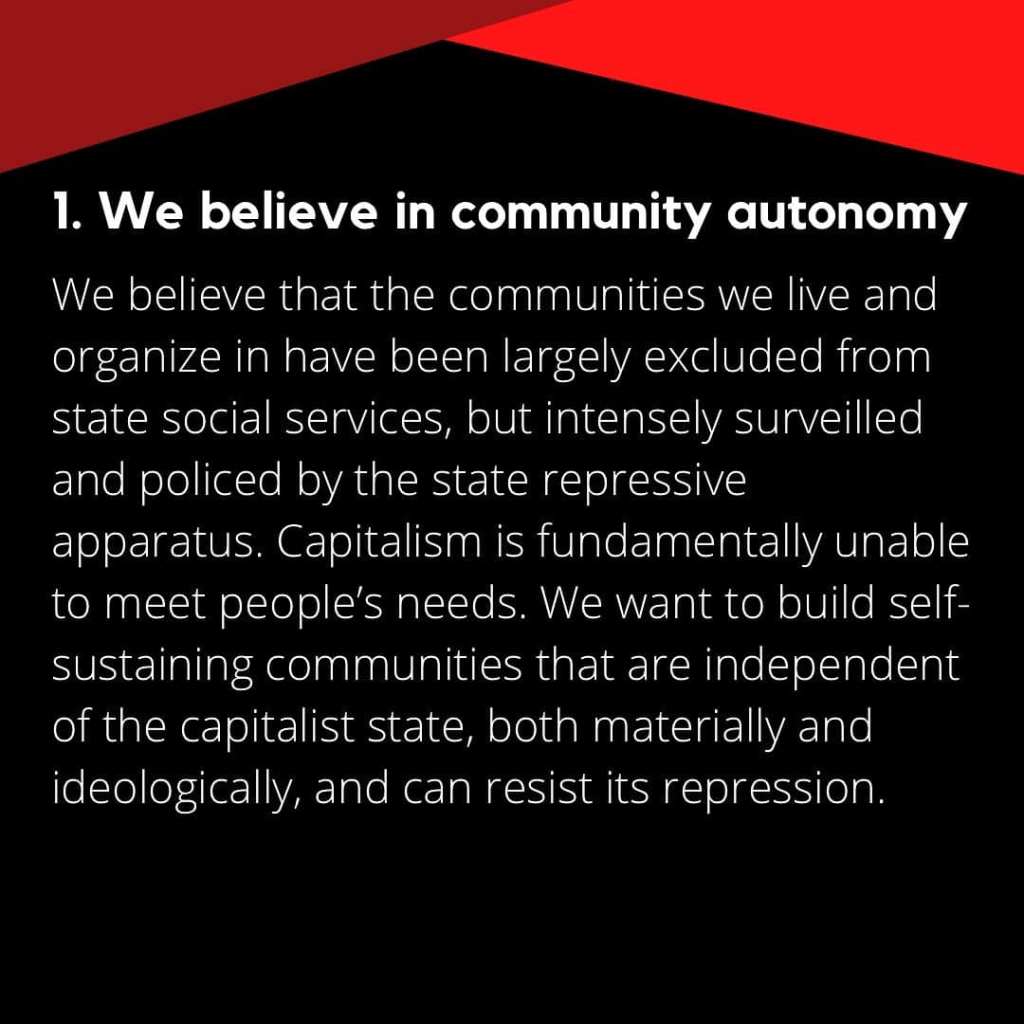
The measure of a community is how the needs of its people are met. No one should go hungry, or without shelter or healthcare. Yet in this country known as the United States millions struggle to survive. The capitalist economic system creates hunger, houselessness, illness that is preventable and despair. A system that requires money for goods and services denies basic needs to anyone who does not have money. Black, Indigenous, and other people of color (BIPOC) are disproportionately affected. Systemic racism. The capitalist system that supports the white materialistic lifestyle is built on stolen land and genocide of Indigenous peoples, and the labor of those who were enslaved in the past or are forced to live on poverty wages today.

Capitalism is revealed as an unjust, untenable system, when there is plenty of food in the grocery stores, but men, women and children are going hungry, living on the streets outside. White supremacy violently enforces the will of wealthy white people on the rest of us.

It has become clear to some of us who are called Friends that the colonial capitalist economic system and white supremacy are contrary to the Spirit and we must find a better way. We conscientiously object to and resist capitalism and white supremacy.

capitalism has violated the communities of marginalized folks. capitalism is about the value of people, property and the people who own property. those who have wealth and property control the decisions that are made. the government comes second to capitalism when it comes to power.

in the name of liberation, capitalism must be reversed and dismantled. meaning that capitalistic practices must be reprogrammed with mutual aid practices. 

Des Moines Black Liberation Movement

Mutual Aid

How do we resist? We rebuild our communities in ways not based upon money. Such communities thrive all over the world. Indigenous peoples have always lived this way. Generations of white people once did so in this country. Mutual Aid is a framework that can help us do this today.

The concept of Mutual Aid is simple to explain but can result in transformative change. Mutual Aid involves everyone coming together to find a solution for problems we all face. This is a radical departure from “us” helping “them”. Instead, we all work together to find and implement solutions.  To work together means we must be physically present with each other. Mutual Aid cannot be done by a committee or donations. We build Beloved communities as we get to know each other. Build solidarity. An important part of Mutual Aid is creating these networks of people who know and trust each other. When new challenges arise, these networks are in place, ready to meet them.

Another important part of Mutual Aid is the transformation of those involved. This means both those who are providing help, and those receiving it.

With Mutual Aid, people learn to live in a community where there is no vertical hierarchy. A community where everyone has a voice. A model that results in enthusiastic participation. A model that makes the vertical hierarchy required for white supremacy impossible.

Commonly there are several Mutual Aid projects in a community. The initial projects usually relate to survival needs. One might be a food giveaway. Another helping those who need shelter. Many Mutual Aid groups often have a bail fund, to support those arrested for agitating for change. And accompany those arrested when they go to court.

LANDBACK

The other component necessary to move away from colonial capitalism and white supremacy is LANDBACK.

But the idea of “landback” — returning land to the stewardship of Indigenous peoples — has existed in different forms since colonial governments seized it in the first place. “Any time an Indigenous person or nation has pushed back against the oppressive state, they are exercising some form of landback,” says Nickita Longman, a community organizer from George Gordon First Nation in Saskatchewan, Canada.

The movement goes beyond the transfer of deeds to include respecting Indigenous rights, preserving languages and traditions, and ensuring food sovereignty, housing, and clean air and water. Above all, it is a rallying cry for dismantling white supremacy and the harms of capitalism.

Returning the Land. Four Indigenous leaders share insights about the growing landback movement and what it means for the planet, by Claire Elise Thompson, Grist, February 25, 2020

What will Friends do?

It matters little what people say they believe when their actions are inconsistent with their words.  Thus, we Friends may say there should not be hunger and poverty, but as long as Friends continue to collaborate in a system that leaves many without basic necessities and violently enforces white supremacy, our example will fail to speak to mankind.

Let our lives speak for our convictions.  Let our lives show that we oppose the capitalist system and white supremacy, and the damages that result.  We can engage in efforts, such as Religious Socialism, Mutual Aid and LANDBACK, to build Beloved community. To reach out to our neighbors to join us.

We must begin by changing our own lives if we hope to make a real testimony for peace and justice.

We remain, in love of the Spirit, your Friends and sisters and brothers,

Why Religious Socialism now?

I first heard about Religious Socialism at the end of 2020, when my friend Fran Quigley wrote in response to the blog post I had written, The Evil of Capitalism. Fran is the director of the Health and Human Rights Clinic at Indiana University McKinney School of Law and a religioussocialism.org editorial team member. He wrote “This post of yours struck me close to home. I too have become fully convinced of the evils of capitalism. Moreover, I have come to the conclusion that my faith dictates that I work to replace it.”

He told me about his involvement with the Democratic Socialists of America’s (DSA) Religion and Socialism Committee. I was interested in what I learned, but was involved in other things at the time, primarily Mutual Aid.

I’ve had trouble getting Quakers interested in being involved in Mutual Aid. And I haven’t often raised religion when with my Mutual Aid friends, some of whom are Indigenous. The horrors of the institutions of forced assimilation, which some Quakers were involved in, are receiving much needed attention now.

I have also been involved in the Quakers for Abolition Network. So, when I saw the Central Iowa DSA event related to their prison letter writing project, I became involved. Not surprisingly several of my Mutual Aid friends were involved as well. I joined the Democratic Socialists of America.

A few days ago, our prison letter writing group met via Zoom to discuss additional things we could do related to incarceration. I mentioned Fran and the DSA’s Religious Socialism group and suggested that might be a way to get faith communities involved.

I’ve begun reading Fran’s book, Religious Socialism: Faith in Action for a Better World.

I created a WordPress site, Quakers and Religious Socialism.
https://quakersandreligioussocialism.com/

And the Facebook group, Quakers and Religious Socialism.  https://www.facebook.com/groups/470800671285294

Faith, Abolition, and Socialism

Faith, Abolition, and Socialism w/ Linda Sarsour & Rev. Andrew Wilkes

Join DSA members Linda Sarsour and Rev. Andrew Wilkes for an exciting and informative discussion about the roles of people of faith in the current campaign for abolition of policing as we have known it. This event is hosted by DSA’s Religion and Socialism Working Group.