
As I’ve been praying about why the Quaker meetings I’m familiar with are slowly dying from attrition and not attracting new attenders, I’m struggling to understand why this is happening. I feel a special urgency, wondering if my Quaker meeting can continue when we lose even one more member. Lose another elderly member, or one who turns away from Quakerism.
I was led to think about our Advices and Queries because they guide the spiritual discussions in our meetings. And they are one concrete thing we can point to for people interested in learning about Quakerism.
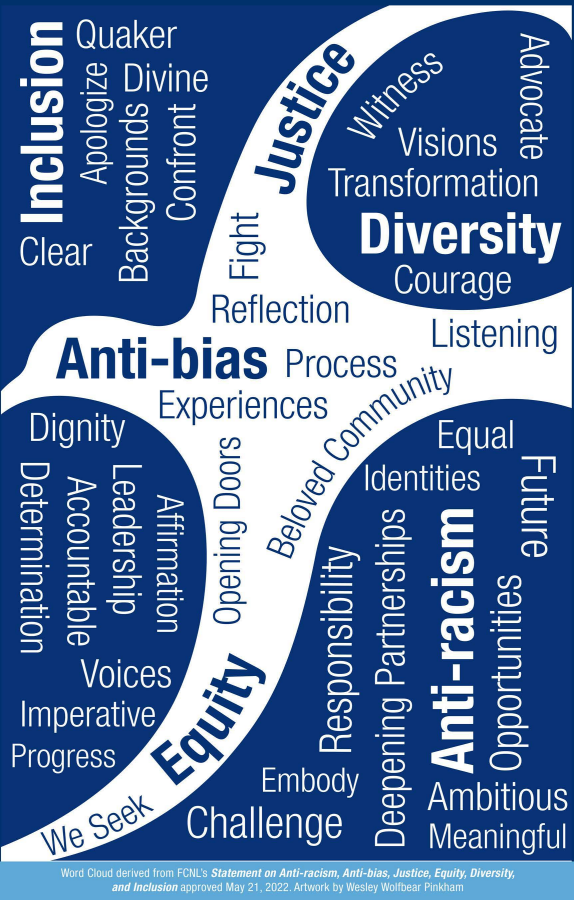
It surprised me to be led to the conclusion that our Queries seem rooted in maintaining the status quo of this country’s current economic and political systems. Systems of dominance, systemic racism, and White supremacy. And an implicit view of ‘us versus them.’ (See: Advices and Queries). Today, I hope to explain that more fully and offer suggestions for what we might do differently.
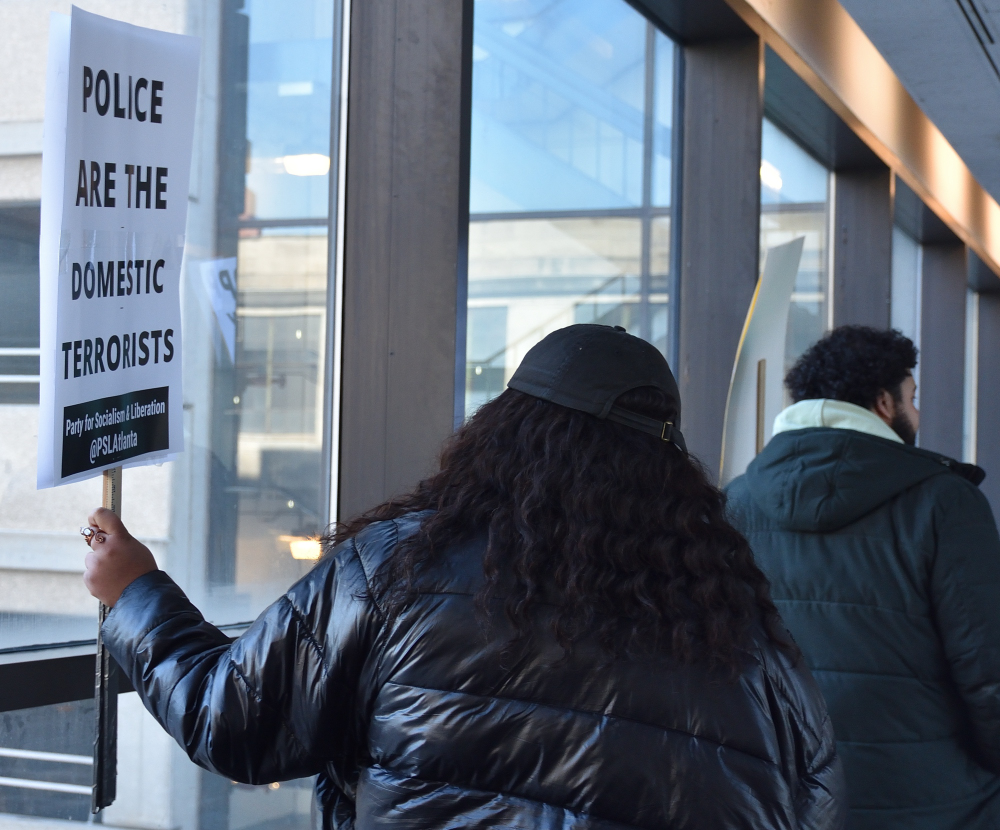
I’m focusing on the abolition of police and prisons, both because this is something I’ve been learning and writing about (https://quakersandreligioussocialism.com/abolition/) and because it is a deep concern of some activist Quakers I know and of my Mutual Aid community. One of my abolitionist Friends is leaving Quakers because of the lack of attention to this concern. This is an example of the attrition I’m concerned about.
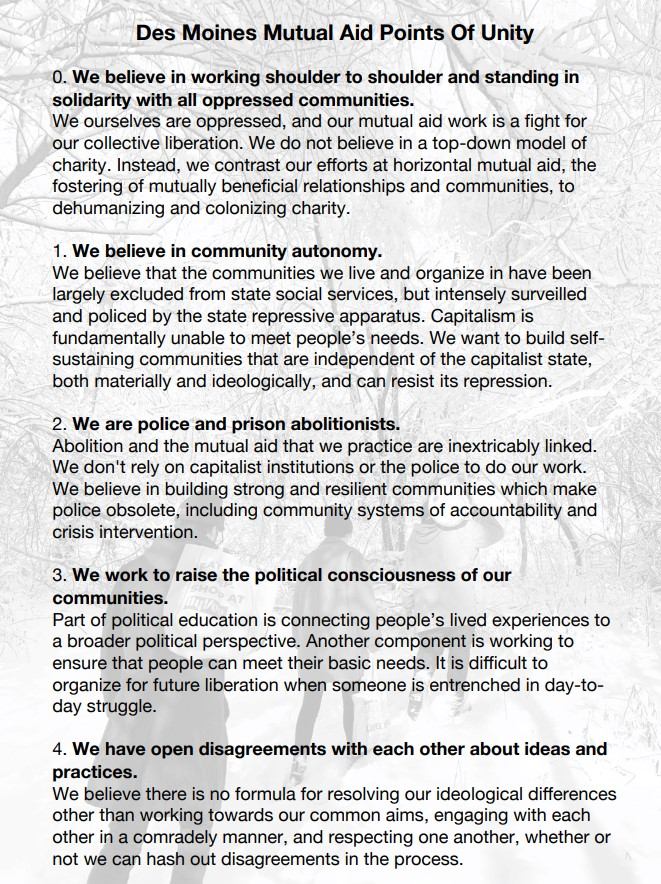
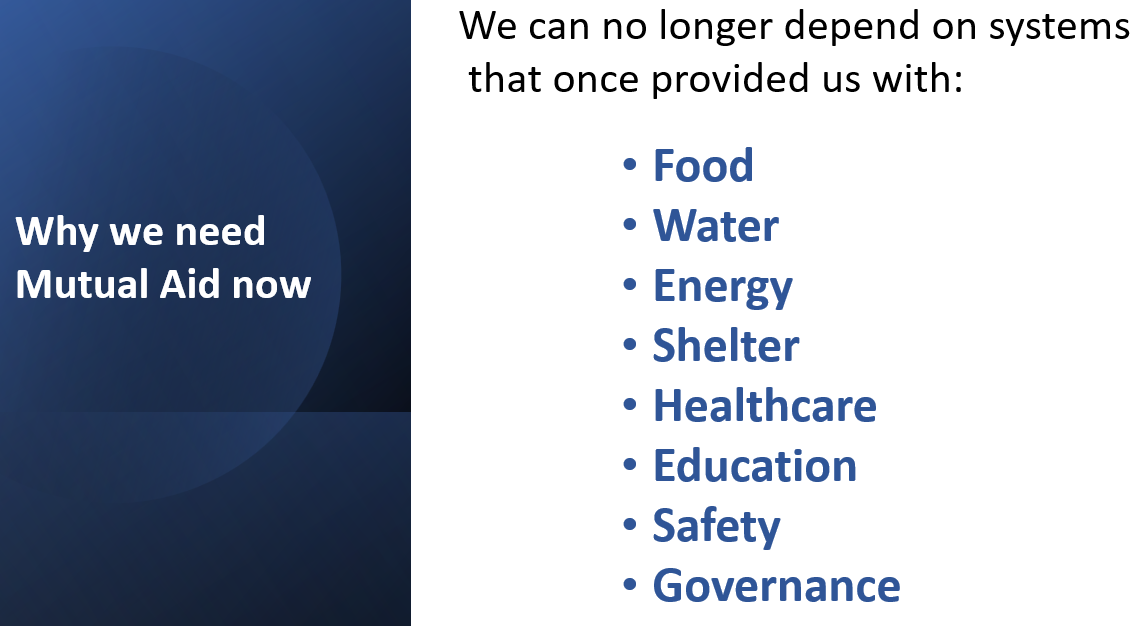
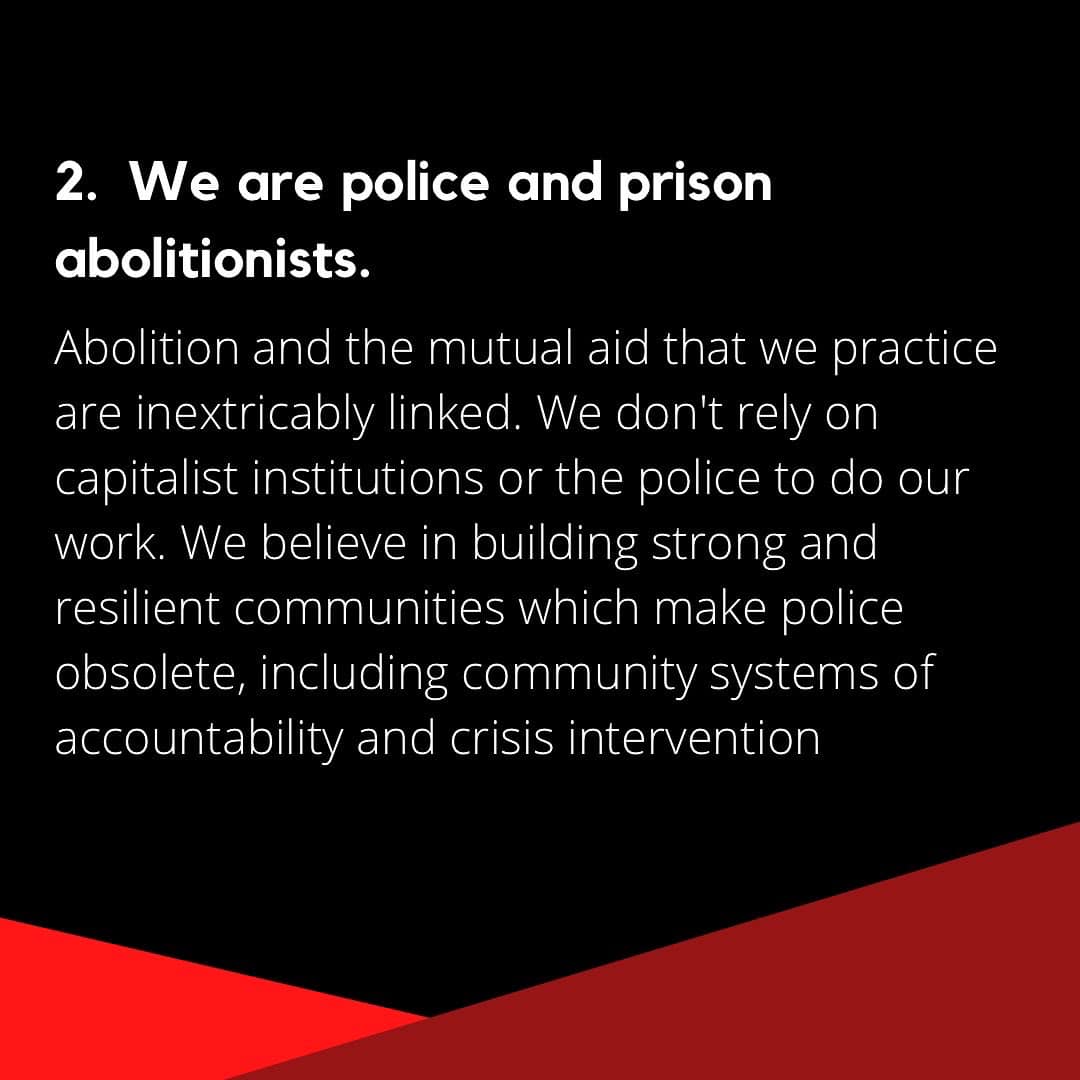
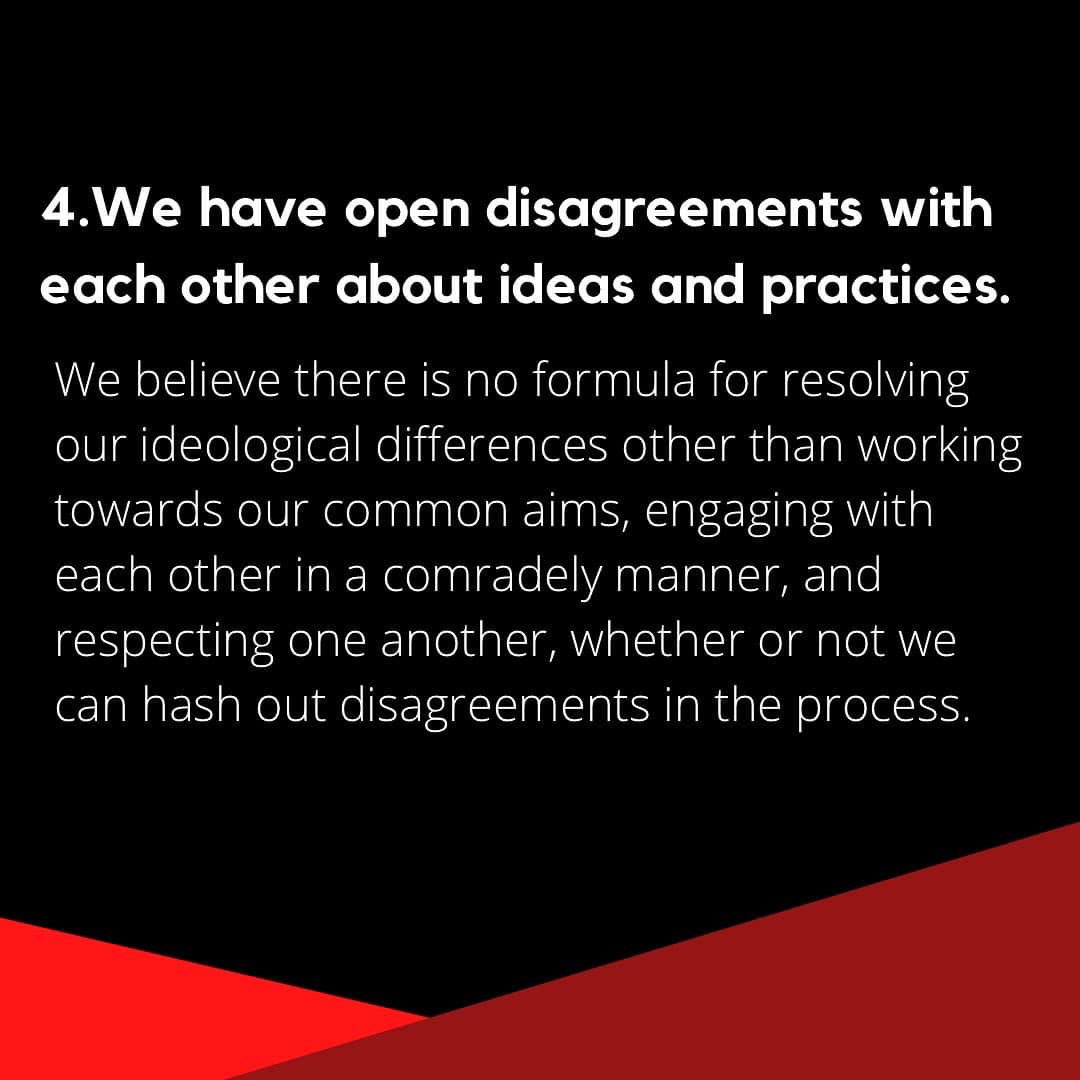
We are police and prison abolitionists. Abolition and the mutual aid that we practice are inextricably linked. We don’t rely on capitalist institutions or the police to do our work. We believe in building strong and resilient communities which make police obsolete, including community systems of accountability and crisis intervention. Des Moines Mutual Aid
What does it mean that abolition is not one of our Query topics?
- Meeting for Worship
- Outreach
- Meeting for Business
- Harmony within the Meeting
- Mutual Care
- Education
- Home and Family
- Personal Responsibility
- Civic Responsibility
- Environmental Responsibility
- Social and Economic Justice
- Peace and Nonviolence
I think that is because abolition touches several of these topics and illustrates why I think we need new queries.
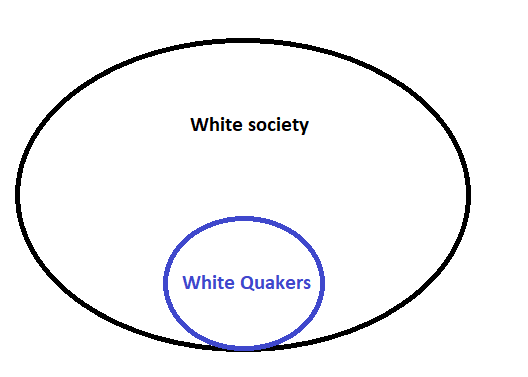
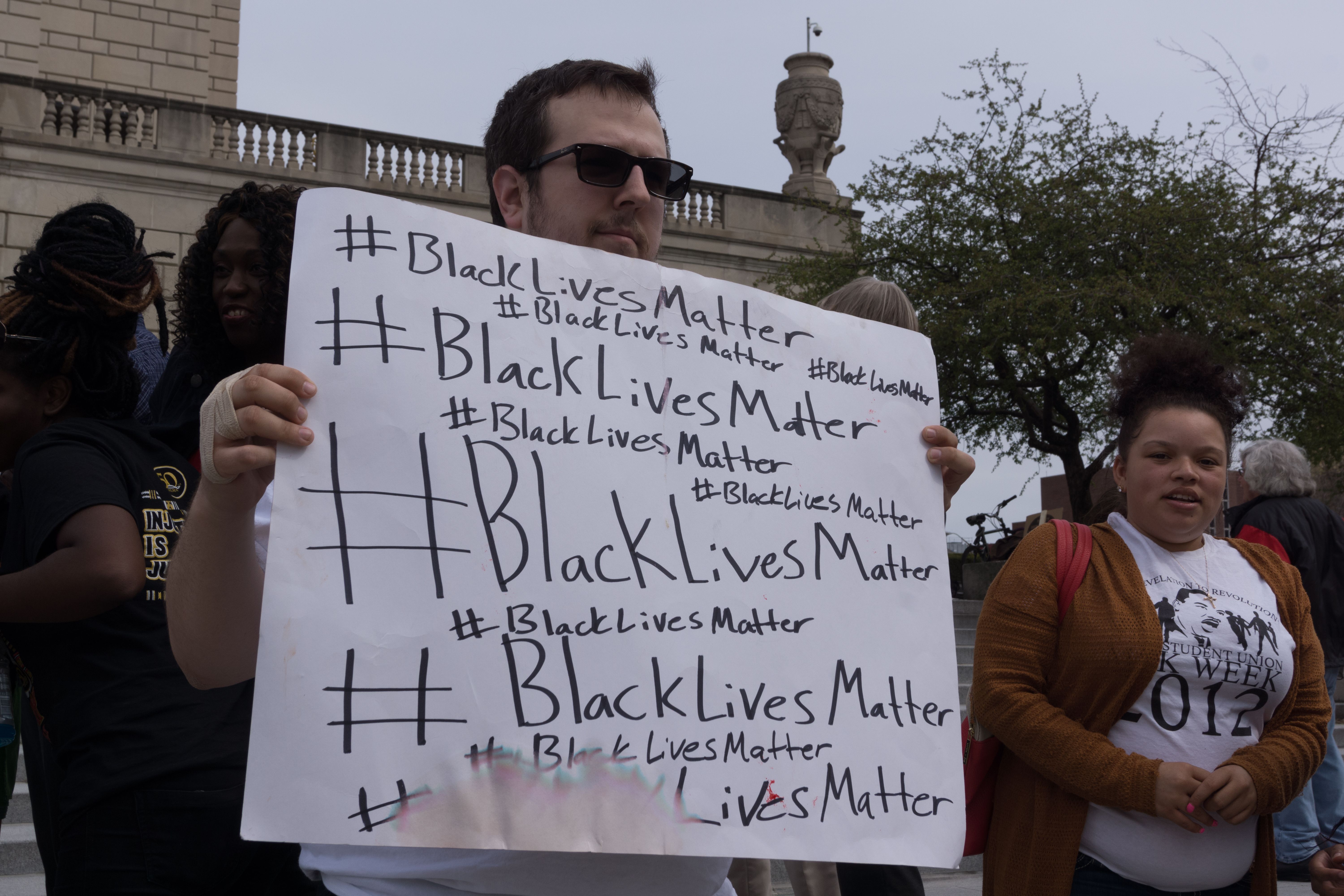
Quakers are pretty white, and that comes with quite a bit of power and privilege. A Quaker in Omaha, Nebraska is going to have probably more weight in what they say to a legislator than a Black Lives Matter activist in Brooklyn, New York. I think there’s a need for Quakers to step out of their meeting and away from a lot of these phenomenal institutions that they’ve created and speak to individuals in an interfaith setting (from Black churches or Black Lives Matter) and have a cross-cultural understanding of what that experience is like because you’ll find that it’s very different, and I think the more we can do of that the more effective we’ll be in addressing these problems. These exchanges and fusion coalitions are what I think it’s going to take, not only for Friends to be effective in dismantling these systems of racism, classism, and white supremacy in American society, but also for all of us to better address these problems in our country.
José Santos Woss (FCNL), Quaker Faith and Justice Reform, QuakerSpeak video
Perhaps the revolutionary Quaker faith we imagine ourselves to inhabit has never really existed, and if we tell the whole truth and commit to the healing the truth-telling calls us to, perhaps together we can embody and create the prophetic religion we thirst for.
Abolitionist thinking is holistic—that ending the system of punishment and incarcerating control itself is necessary—and invites us to imagine a whole new way of not only dealing with harm but of how we think of ourselves in community. It provokes questions like, what does true justice look like? What does it mean to center healing and transforming relationships and create community safety from authentic accountability and relational reconnection? Abolition does not minimize the reality of harm or violence but rather invites us to consider a way of doing things that interrupts cycles of harm, violence, and trauma, and restores perpetrators and victims into community and their humanity.
We as White Quakers like to think of ourselves as ahead or better than dominant culture, but we have been complicit in a system and mindset that are ubiquitous. Claiming the full truth of our history and committing to repair the harms done are deeply spiritual acts of healing our own wounds of disconnection. I would argue it is the pathway upon which we can, perhaps for the first time, discover and invigorate our faith with its full promise.
A Quaker Call to Abolition and Creation by Lucy Duncan, Friends Journal, April 1, 2021
Jed Walsh and Mackenzie Barton-Rowledge are close friends who do police and prison abolition work together. They sent Western Friend a conversation about what abolition means to them, and how it fits into their lives as Quakers.
The way I think about abolition is first, rejecting the idea that anyone belongs in prison and that police make us safe. The second, and larger, part of abolition is the process of figuring out how to build a society that doesn’t require police or prisons.
Abolish the Police by Mackenzie Barton-Rowledge and Jed Walsh, Western Friend, Nov 2020

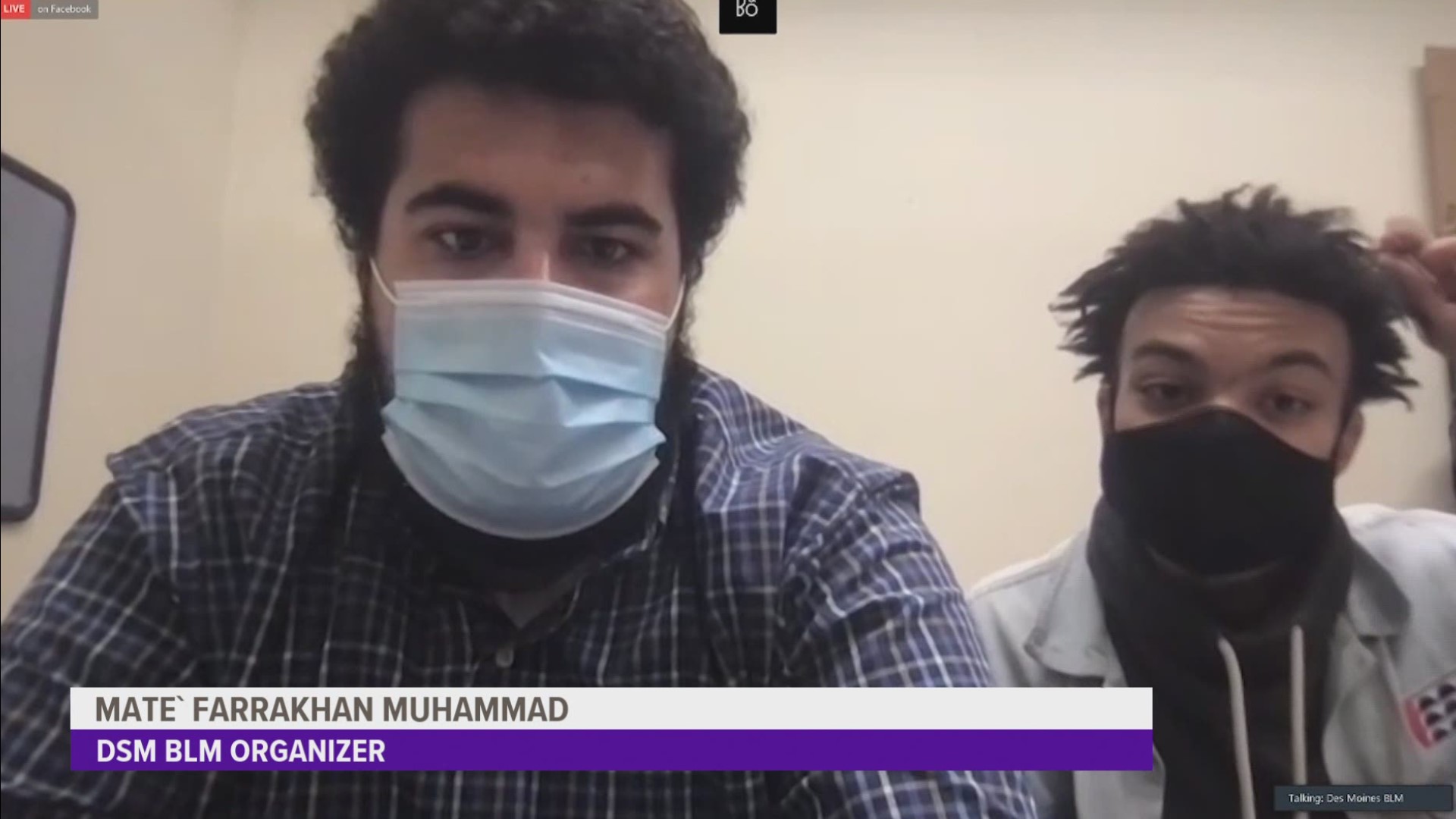
Jeff Kisling: Mutual Aid and Abolition
I grew up in rural Iowa, where there was very little racial diversity and interactions with police and the court system were rare. About ten years ago, I was blessed to become involved with the Kheprw Institute, a Black youth mentoring and empowerment community. I’ll never forget how shocked I was when a Black mother broke down in tears, explaining how terrified she was every minute her children were away from home. It was obvious that every other person of color in the discussion knew exactly what she was saying.
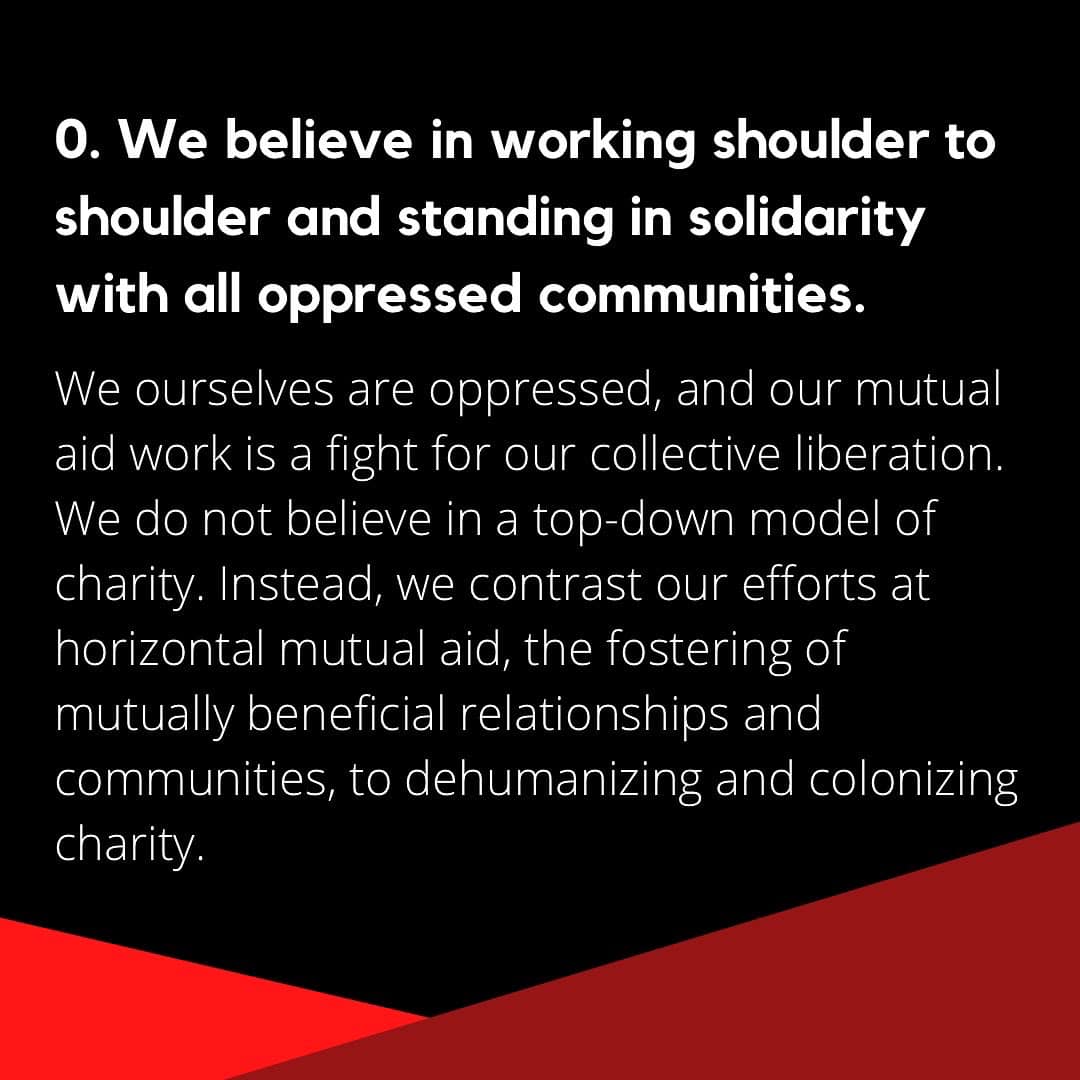
After retiring, I was led to connect with Des Moines Mutual Aid, a multiracial organization founded to support houseless people. For over a year, I’ve helped my friends fill and distribute boxes of donated food, while continuing to learn about the framework of mutual aid.
To me, mutual aid is about taking back control of our communities. Besides the food giveaway, we support houseless people and maintain a bail fund to support those arrested agitating for change. We also work for the abolition of police and prisons.
Mackenzie Barton-Rowledge and Jed Walsh: Introducing the Quakers for Abolition Network, Western Friend, Sept 2021
Some queries about police and prison abolition:
- What is your understanding of the term “abolition” and what does it entail? How does it differ from the reform or improvement of the existing system?
- What are some historical and contemporary examples of abolitionist movements and practices, such as the abolition of slavery, the anti-apartheid struggle, the prison strike movement, the mutual aid networks, and the community defense initiatives?
- What are some of the root causes of violence, harm, and crime in our society, and how do they relate to the structures of white supremacy, capitalism, heteronormative patriarchy, and settler colonialism?
- How do the police, courts, and prisons perpetuate and exacerbate violence, harm, and crime rather than prevent or reduce them? How do they disproportionately target and oppress Black, Indigenous, and people of color (BIPOC), poor people, LGBTQIA+ people, immigrants, and other marginalized groups?
- What are some of the alternatives to policing and incarceration that can address the needs and rights of survivors, perpetrators, and communities more humanely and effectively? How can we build and support these alternatives in our own contexts and networks?
- What are some of the challenges and barriers to achieving abolition, internally (such as fear, doubt, or attachment) and externally (such as resistance, backlash, or co-optation)? How can we overcome or transform them through education, organizing, and action?
Sources:
- The Emerging Movement for Police and Prison Abolition 1, an article by Keeanga-Yamahtta Taylor that introduces the concept and vision of abolition and profiles some of its leading advocates.
- Prison and police abolition: Re-imagining public safety and liberation 2, an article by Jamal Rich that traces the historical development of the carceral state and its connection to racial capitalism and offers some examples of abolitionist demands and strategies.
- On becoming police and prison abolitionists: But what about the murderers? 3, an article by Michelle Kern that addresses some of the common questions and objections that people have about abolition and provides some answers based on research and experience.
- Police and Prison Abolition 101: A Syllabus and FAQ 4, a resource by Autostraddle that provides a comprehensive list of readings, podcasts, videos, organizations, and actions related to abolition for different levels of engagement and interest.
- Rethinking Incarceration 5, a video by Radcliffe Institute for Advanced Study that features a panel discussion with scholars, activists, artists, and formerly incarcerated people who share their perspectives on abolition and its implications for public safety and liberation.
Learn more:
1. https://www.newyorker.com/news/our-columnists/the-emerging-movement-for-police-and-prison-abolition
2. https://www.peoplesworld.org/article/prison-and-police-abolition-re-imagining-public-safety-and-liberation/
3. https://www.peoplesworld.org/article/on-becoming-police-and-prison-abolitionists-but-what-about-the-murderers/
4. https://www.autostraddle.com/police-and-prison-abolition-101-a-syllabus-and-faq/
5. https://www.radcliffe.harvard.edu/news-and-ideas/rethinking-incarceration


























 Quakers and Mutual Aid