Indigenous, Quaker Mutual Aid

We’re at the intersection of so many things we could once rely on and have no choice but to find different ways to move into the future. We’re bewildered by the collapse of so many things we took for granted. Such as our political, education, healthcare, and economic systems. Our communities, including family, neighborhoods, and faith. Mother Earth herself.

Above I first wrote “find new ways to move into the future”. But part of what follows is about returning to “old ways”. But not as nostalgia.

I’m excited to hear what Quakers will say about work they’re doing at a meeting tonight, which is why I’m praying about this now. This meeting is an invitation to Friends to talk about the history, and current relationships among Quakers and Indigenous peoples.

One part of this will be to research the history of Quaker involvement in the Indian boarding, or residential schools. Quakers were involved in some of these institutions of forced assimilation. We don’t know what individuals did and aren’t judging them. But looking back from here, we are learning of the terrible damage done to native children and their families and nations by these attempts to make children fit into white society. Devastating feelings are triggered as the remains of thousands of children continue to be located on the grounds of those residential schools.

In order for native peoples and Friends to work together, this history must somehow be acknowledged. In my own case, I only raised this with those I was becoming friends with. Then I said, “I know about Quakers’ involvement in the residential schools, and I’m sorry that happened.” And wait for their response. In every case I learned they and their families had been affected by those schools. I’m not sure that was the right way. I’ve since heard such apologies might better be done with more of a ceremony. In my case raising this was important for deepening friendships.

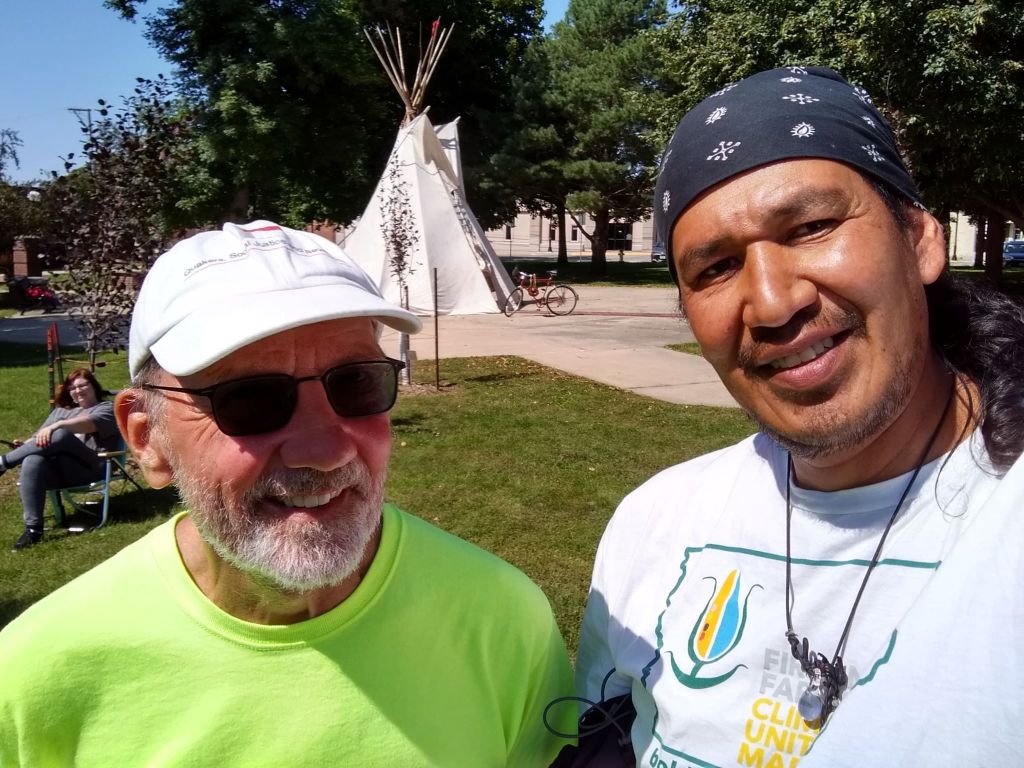
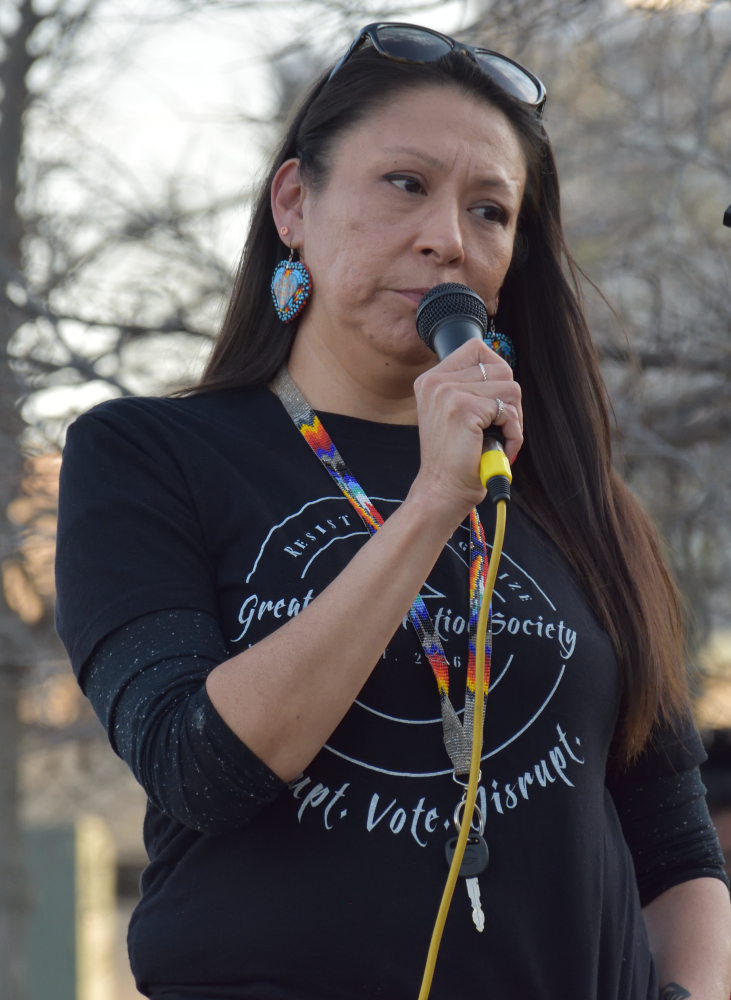
This is also in part the idea behind the title of this article. I’ve become increasingly involved in the work of Des Moines Mutual Aid, a concept I wasn’t aware of. It was a Spirit led meeting that brought my now good friend, Ronnie James, and I together two years ago. Ronnie is an Indigenous organizer and I’m very grateful he has been willing to be my Mutual Aid mentor. Ronnie is also part of the Great Plains Action Society (GPAS) established by another friend of mine, Sikowis Nobiss. Several other Indigenous friends of mine are involved with GPAS.

All that is why I believe the concept of Mutual Aid is the way Friends and Indigenous peoples can work together.

It is a bit confusing when you first learn about Mutual Aid, because it is essentially a framework to return to the ways of life of our grandparents. Communities where the people knew and cared for each other. Communities that were self-sufficient.

The basic concept of Mutual Aid is to remove vertical hierarchies, which by definition removes power structures of dominance and superiority. No matter what you call it, vertical hierarchies cannot exist if Quakers are going to be able to work with Indigenous peoples.

Mutual is the key concept, which is easiest to see in contrast to charity. Charity is not mutual. Resources are given to someone or some organization with no expectation of anything returning to the giver. The recipient never sees the giver.

Mutuality is essential, so there are no separate groups. So there are not, for example, people designated as providers or clients. So there is not a stigma associated with need. Mutual Aid communities teach us we are not in need through our own fault, but because systems have failed us. Those of us distributing food, for example, emphasize we ourselves may need food in the future. This type of political education is part of Mutual Aid.

The other thing that makes Mutual Aid communities so successful is the focus on meeting immediate needs, such as food, shelter or court support. Besides meeting urgent needs, this focus is highly motivating to those involved. This makes for long-term engagement and satisfaction. And attracts people to expand Mutual Aid communities. In the two years I’ve been involved I can’t remember a single instance of conflict among us. When everyone is there, voluntarily, to help, what would there be to complain about?

This is the background for my proposal for Indigenous peoples and Quakers to work together as Mutual Aid communities. Endeavoring to avoid hierarchies and instead facilitate working together on mutual, immediate needs has worked excellently in my experience.

Of course this requires Friends to build friendships with native people. This is happening more often now, as Indigenous peoples are emerging to reassert their authority and leadership on so many issues. How else can Quakers be guided how to contribute to this work? How else will we be welcome by Indigenous peoples?

I talked with an Indigenous friend of mine who indicated his support for these ideas.

Other articles about Mutual Aid can be found here: https://quakersandreligioussocialism.com/mutual-aid/


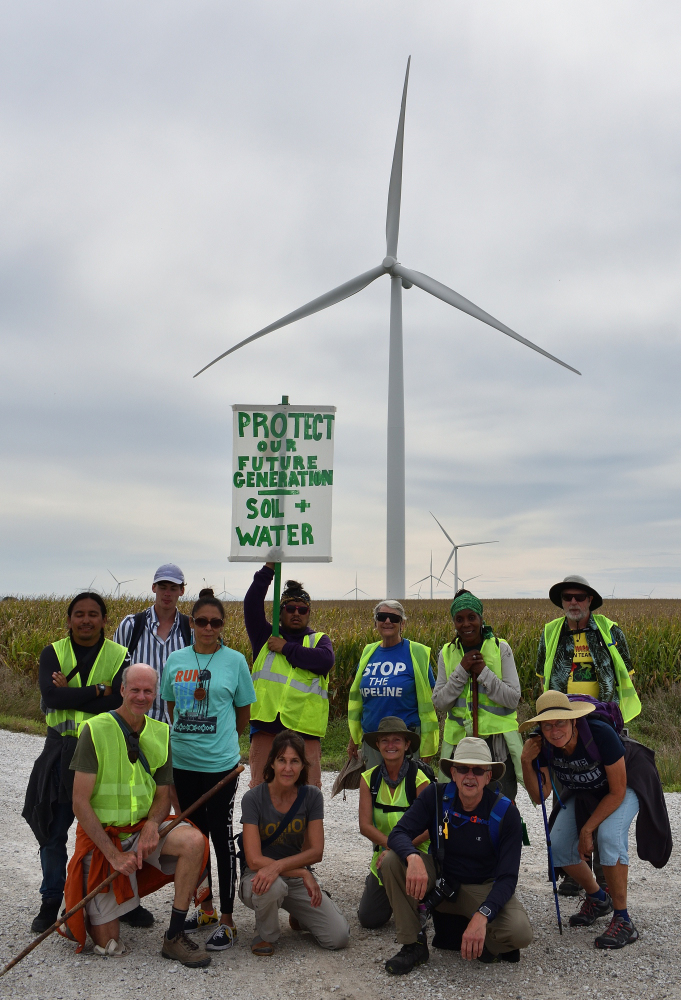
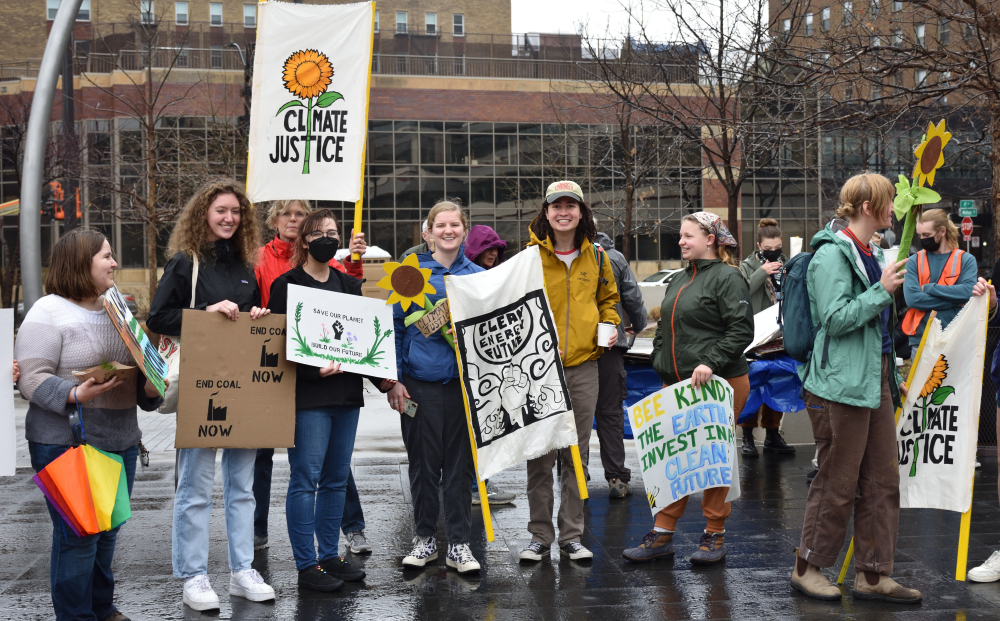
First Nation-Farmer Climate Unity March, September 2018

A reckoning on Native boarding schools is long overdue 

A reckoning on Native boarding schools is long overdue is the title of a recent article by my friend Bridget Moix, General Secretary of the Friends Committee on National Legislation (FCNL).

She writes of the sanitized version of the history of this country we white people were taught in school. This has been a deep concern of mine for years. It is jarring that every time I think of my Quaker boarding school, I think of the Indian boarding schools, as they were called. It hurts to realize how difficult it is for native children to hear the white version of history that continues to be taught in most schools today. And the absence of discussion of their history and culture. Forced assimilation continues. It is wonderful that native schools exist.

This is now in the news as the remains of thousands of children are being located on the grounds of those residential schools in this country and Canada. And as Bridget’s excellent article discusses, a reckoning is long overdue.

What are we, white Quakers, called to do in response now?

There are calls for Friends to respond in many ways. To educate ourselves about this history. To seek ways for healing and reparations. To research our own meeting’s history.

I am concerned that many people are not aware of attitudes we could be bringing to this work. In the same the way so many white Quakers have trouble understanding white supremacy and privilege related to racial justice, many are also unaware of how deeply we are immersed in this colonized society. Colonization and white supremacy are the foundation of forced assimilation of native children. And the ideas behind the land theft and genocide of native peoples.

We need to decolonize ourselves. If not, we risk doing more harm than good. We can begin by deeply considering what our motivations are for becoming involved in this work. And educating ourselves to give us more insight into what was done and why. And hopefully avoid the mistakes of the past.

As painful as it can be, we simply cannot create a more just nation without filling in those gaps with the complicated truth of our past. 

Bridget Moix

Bridget discusses one thing we can do.

Congress must build upon the work done by the Boarding School Initiative. Lawmakers can do so by swiftly passing the Truth and Healing Commission on Indian Boarding School Policies in the U.S. Act (H.R. 5444/S. 2907), which will be marked up this month. If enacted, it would establish the first formal commission in our history to investigate and address the harms committed — and critically, ensure progress isn’t derailed by any change in administrations.


But the more we learn, the more we see gaping holes between our country’s traditional narrative and the realities of how our nation was built and who paid the costs. As painful as it can be, we simply cannot create a more just nation without filling in those gaps with the complicated truth of our past.  

Between 1819 and 1969, across 37 states, there were 408 schools and more than 1,000 other institutions involved in educating Native children, including day schools, orphanages and asylums. These institutions were sponsored by the federal government and administered by a number of Christian denominations, including my current faith community, Quakers.

The “assimilation” tactics employed at the schools were brutal. They included renaming children with English names, cutting their hair, prohibiting the use of Native languages and religions, extensive military drills and manual labor. Abuse was commonplace, including the use of solitary confinement and the withholding of food. 

A number of these schools were established and run by the Religious Society of Friends. In an 1869 letter, Edward Shaw, a Friend from Richmond, Indiana, wrote that Quakers aimed “to protect, to Civilize, and to Christianize our Red Brethren.” Charles Eastman, a Lakota physician, described the treatment he experienced at the Santee School, a Quaker-run institution in Nebraska: “We youthful warriors were held up and harassed … until not a semblance of our native dignity and self-respect was left.”  

This reckoning must also extend beyond the government. Faith communities, including Quakers, were undeniably complicit in the historic trauma of the boarding school era. We have a moral obligation to share records and accounts of the administration of these schools as investigations continue. In the Quaker community, which does not have a centralized governing body, individual meetings have begun taking on this responsibility. 

The truth is we cannot undo the harm caused by these institutions. It is a permanent stain on our history. But by fully acknowledging the sins of the past, we can begin taking steps to chart a more just relationship with Native communities nationwide. It’s time, at long last, to shine a light on this dark chapter of American history and take the next steps toward reckoning and repair.

A reckoning on Native boarding schools is long overdue by Bridget Moix, General Secretary of the Friends Committee on National Legislation (FCNL) (excerpts)


Native Americans, Quakers and Mutual Aid

The Department of the Interior has released the first volume of the Federal Indian Boarding School Initiative Report. Interior Secretary Deb Haaland first announced the creation of the Initiative last June, with a primary goal of investigating the loss of human life and the lasting consequences of these schools.

This report, and ongoing news of locating the remains of Native children on the grounds of numerous Indian residential schools has brought attention to Quakers’ role in these institutions in North America.

There are calls for Friends to respond in many ways. To educate ourselves about this history. To seek ways for healing and reparations. To research and publish our own meeting’s history.

But I’m concerned that Friends will follow a common pattern of only working within their meetings. When this is a time we need to reach out to Native peoples.

And I am concerned that many Quakers are not aware of attitudes we could be bringing to this work. In the same the way so many white Quakers have trouble understanding white supremacy and privilege related to racial justice, many are also unaware of how deeply we are immersed in this colonized society. Colonization and white supremacy are the foundation of forced assimilation of native children. And the ideas behind the land theft and genocide of native peoples.

We need to decolonize ourselves. If not, we risk doing more harm than good.

My spiritual vision is of Quakers building personal relationships with native peoples when we are invited to do so. I have been blessed to experience this for the past couple of years while working with my local Mutual Aid community. This diverse community includes a number of native people. It was a Spirit led opportunity that connected me with an Indigenous organizer who is involved in Mutual Aid. We got to know each other over several months of email exchanges (this during the COVID crisis). When I thought we knew each other well enough, I asked if it would be appropriate for me to join this Mutual Aid work, and he said yes. But it wasn’t until I’d been involved for several months that he said, “welcome to the community”. Although I had invited myself to join this work, I wasn’t really part of the community until that moment.

I was blessed to find this community was not only another way to build friendships with native people, but also taught me what a Mutual Aid community is. Based on these experiences, I believe Mutual Aid is a model for how Friends can be involved in work outside the meetinghouse. Mutual Aid is a way we can decolonize ourselves.

What I think is needed in this moment is to show up at events and causes being led by Indigenous peoples near us

Mutual Aid is all about replacing vertical hierarchies with a flat, or horizontal hierarchy. This removes the power structures among members of the community and nearly eliminates friction, in my experience.

An essential part of the truth and healing process should be doing this work together as a Mutual Aid community, with its emphasis on inclusivity and rejecting dominant relationships. It is important that attitudes and practices of superiority not be brought to the work of healing from policies that are based on dominance and colonization.

“We sought to show the power our communities possess when we come together unified under the belief and knowledge that what we do today is both work to heal past generations and lift the spirits of our future generations.”

Matt Remle on the efforts to pass the Indigenous Peoples’ Day resolution

Mutual Aid focuses on meeting community needs now, in the moment. The food project I’m involved with distributes food to those in need every week. Those working with the houseless camps take food and propane tanks there. It is the experience of meeting needs in the present that brings us joy and attracts new members. That also affects our interactions with those who come for the food. We realize it is the failure of capitalism that leaves them hungry. We all know we ourselves might need such help in the future.

There are many suggestions of things Quakers might do related to the Indian Boarding Schools.

What I think is needed in this moment is to show up at events and causes being led by Indigenous peoples near us. Most Quaker meetings and many individuals have such relationships to build upon.

It would be good to have a place to share such information. The following are a few examples that I’m aware of:

There are two general guidelines for interacting with communities.

  1. Don’t expect oppressed peoples to educate you. We shouldn’t add to their burden. I kept this in mind when I was getting to know the native person who was teaching me about Mutual Aid. But he encouraged me to learn from him. He was training me.
  2. The idea behind the two row wampum is two groups, such as Native people and white people, agree to travel together but separately. Neither interfering in the affairs of the other.

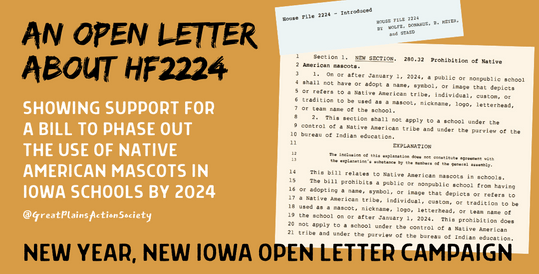
One interesting campaign of the Great Plains Action Society that specifically asks for our support is open letters. These letters express Indigenous people’s views on various topics and are meant to help supporters contact people who have the power to make decisions related to the topic. For example:

Recently, four Iowa Democrats have introduced a bill to phase out the use of Native American mascots in Iowa schools by 2024. Great Plains Action Society’s Director of Operations, Trisha Etringer, was quoted in an article in which she expressed her support for this proposed legislation, which reflects our organization as a whole. This letter is to celebrate this step in the right direction, and to provide more information about the issue at hand. With this Open Letter Campaign, we will be calling upon you to join us in communicating to the people in power that we need to be working toward a New Iowa. Unfortunately, that will often mean calling people out for failing to act, or for acting in harmful ways. Fortunately, in this case, it means asking you to send your support and encouragement to those that are fighting the difficult battles on behalf of our children.

https://www.greatplainsaction.org/single-post/open-letter-regarding-hf2224

There are many things Quakers should be doing in our own meetings related to the Indian Boarding Schools. But I think it is most important to support things native people are asking of us now.


To the future through the past

The consequences of two atrocities in the history of this country continue to impact us today. The institution of slavery, and the genocide of and land theft from Native Americans continue to tear our social fabric because we have not done what is necessary to acknowledge the truth and seek ways for healing.

This book chronicles the efforts of one small group of Friends to achieve some measure of justice for Native people of North America. The Quakers persisted across the centuries, while often realizing-and sometimes denying-that notwithstanding some successes, their goal was fundamentally unattainable. Any justice achieved could only be considered restorative, given that Native peoples’ relationship to their ancestral lands–central to their identity and humanity–was under relentless assault. These activist Friends were guided by the belief, or “testimony” of equality among all humankind.

As They Were Led. Quakerly Steps and Missteps Toward Native Justice 1795-1940 by Martha Claire Catlin, Quaker Heron Press, 2021.

Many questions arise as the remains of thousands of Native children are being located on the grounds of Indian boarding schools.

White Quaker communities are learning about the history of Friends’ involvement in the forced assimilation of Native children. And grappling with questions such as what are the relationships among Quakers and Indigenous peoples today? How do we work to discover and better understand the damage that was done? What can be done to begin to heal? This article by my friend Bobby Trice talks about these questions. Quakers Grapple with Legacy of Indian Boarding Schools by Bobby Trice, FCNL, October 25, 2021.

There are a number of areas of concern.

One is seeing the deep trauma in Native communities as the children’s remains are located. And sometimes returned to their home.

And seeking answers about how this happened. Searching for what Native communities, and White Quakers, can do to act on the truth we find. Discern what healing involves and how we do that. Healing not only for Native peoples, but also for Quakers. Trying to understand what this means for Quakers, past and present. Some of us have relatives who taught in those schools.

[Note: There are objections to calling those institutions of forced assimilation “schools”. And referring to what occurred there as “teaching”.]

I think it is easy, from the place where we are now, to be critical of the attitudes of these Friends. And yet I think we will find that we have much in common with them. I think this research will provide an opening for us to examine ourselves today, and to ask ourselves, “What are we missing in our analysis of the issues of our time? What are blind to? What are the contradictions in our own expression of our religious values? Are we living with integrity in our communities and on the land?”

Well, today, 150 years later, we see the policy of forced assimilation in a very different light. Native people from Australia to Canada and throughout the United States are bearing witness to the damage that was done to generations of Native children, especially in the boarding schools. Whether the children were treated cruelly or kindly, the intention of the schools really was to annihilate Indigenous cultures, to “kill the Indian; save the man.”

Quakers and the Forced Assimilation of Native Americans by Paula Palmer, Western Friend, July-August 2015

From our twenty-first-century vantage point, we know (or can learn) how Native people suffered and continue to suffer the consequences of actions that Friends committed 150 ago with the best of intentions. Can we hold those good intentions tenderly in one hand, and in the other hold the anguish, fear, loss, alienation, and despair borne by generations of Native Americans?

Native organizations are not asking us to judge our Quaker ancestors. They are asking, “Who are Friends today? Knowing what we know now, will Quakers join us in honest dialogue? Will they acknowledge the harm that was done? Will they seek ways to contribute toward healing processes that are desperately needed in Native communities?” These are my questions, too.

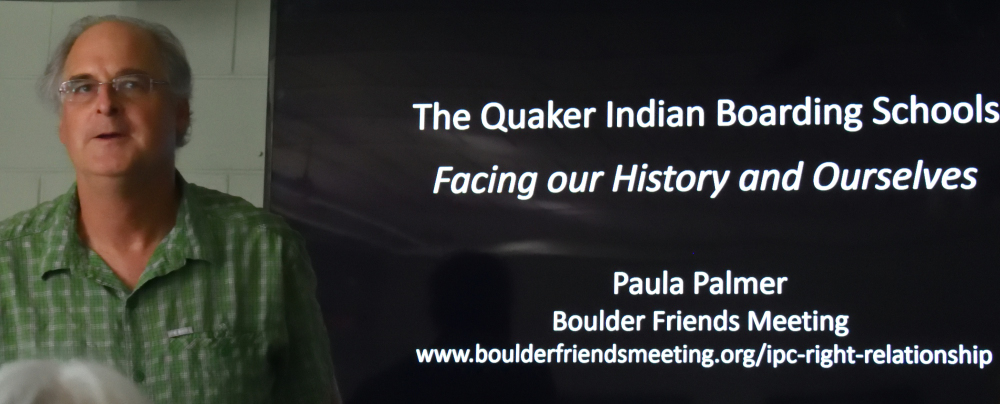
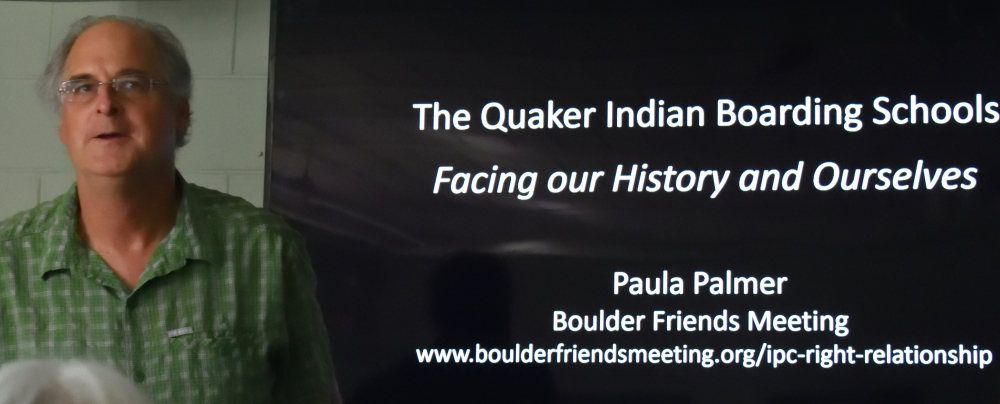
Quaker Indian Boarding Schools, Facing Our History and Ourselves by Paula Palmer, Friends Journal, October 1, 2016

The Department of the Interior has released the first volume of the Federal Indian Boarding School Initiative Report. Interior Secretary Deb Haaland first announced the creation of the Initiative last June, with a primary goal of investigating the loss of human life and the lasting consequences of these schools. The report was assembled with the input of tribal governments, Alaska Native villages, and Native Hawaiian communities.


FCNL welcomed the release of the first volume of the Federal Indian Boarding School Initiative’s long-awaited investigative report. Assembled by the Department of the Interior, this report serves as historic documentation of the trauma inflicted by Indian boarding schools. It also underscores the need for further reckoning on this vital issue, both in Congress and in the Quaker and faith communities.

According to the report, between 1819 and 1969, there were 408 schools across 37 states (or then-territories). Quakers managed at least 30 Indian boarding schools, and the conditions at these institutions were often horrific. These schools aimed to “assimilate” Native children through tactics such as renaming children with English names, cutting their hair, prohibiting the use of Native languages and religions, extensive military drills, and manual labor. Abuse ran rampant, including the withholding of food, solitary confinement, and physical punishment.

The investigation also found 53 burial sites at boarding school locations so far. As the Interior Department continues their investigation, they will produce a list of marked and unmarked burial sites and approximate the total amount of federal funding used to support the Indian boarding school system.

“This new report shines a much-needed light on the atrocities committed at Indian boarding schools, some of which were run by Quakers,” said FCNL General Secretary Bridget Moix. “We commend the Department of the Interior for doing this difficult work and we remain committed to doing our part to advance the reckoning and healing process for this dark chapter in American history.”

“Further, we call on the faith community at large to share records and accounts of their administration of these schools. Only through complete honesty and transparency can we begin moving towards a more just future,” she continued.

Quaker Lobby Welcomes Long-Awaited Report on Indian Boarding Schools by Alex Frandsen, Friends Committee on National Legislation, May 12, 2022


“For far too long, the truth of cultural genocide led by European-Americans at Indian boarding schools has remained hidden in secrecy and ignored,” said (past) FCNL General Secretary Diana Randall. “Christian churches, including Quakers, carry this burden of transgression against Indigenous people.”

I believe we must deal with the past, with these transgressions, before we can know how to move into the future.


U.S. Indian Boarding Schools

The Department of Interior recently released the first volume of the Federal Indian Boarding School Initiative’s report. There were 408 schools across 37 states in the United States. 53 burial sites have been found so far.


FCNL welcomed the release of the first volume of the Federal Indian Boarding School Initiative’s long-awaited investigative report. Assembled by the Department of the Interior, this report serves as historic documentation of the trauma inflicted by Indian boarding schools. It also underscores the need for further reckoning on this vital issue, both in Congress and in the Quaker and faith communities.

According to the report, between 1819 and 1969, there were 408 schools across 37 states (or then-territories). Quakers managed at least 30 Indian boarding schools, and the conditions at these institutions were often horrific. These schools aimed to “assimilate” Native children through tactics such as renaming children with English names, cutting their hair, prohibiting the use of Native languages and religions, extensive military drills, and manual labor. Abuse ran rampant, including the withholding of food, solitary confinement, and physical punishment.

The investigation also found 53 burial sites at boarding school locations so far. As the Interior Department continues their investigation, they will produce a list of marked and unmarked burial sites and approximate the total amount of federal funding used to support the Indian boarding school system.

“This new report shines a much-needed light on the atrocities committed at Indian boarding schools, some of which were run by Quakers,” said FCNL General Secretary Bridget Moix. “We commend the Department of the Interior for doing this difficult work and we remain committed to doing our part to advance the reckoning and healing process for this dark chapter in American history.”

Further, we call on the faith community at large to share records and accounts of their administration of these schools. Only through complete honesty and transparency can we begin moving towards a more just future,” she continued.

Quaker Lobby Welcomes Long-Awaited Report on Indian Boarding Schools by Alex Frandsen, Friends Committee on National Legislation, May 12, 2022

Friends Committee on National Legislation
Native American Legislative Update

MAY 2022

The Interior Department also announced the launch of “The Road to Healing,” a year-long tour across the country to allow survivors to share their stories, connect tribal communities with trauma-informed support, and facilitate the collection of a permanent oral history.

Bill Tracker

Truth and Healing Commission on Indian Boarding School Policies Act (H.R. 5444):
On May 12, the House Natural Resources Subcommittee for Indigenous Peoples of the U.S. held a hearing to receive testimony from boarding school survivors, tribal leaders, and the head of the National Native American Boarding School Healing Coalition.

FY2023 Budget Hearings:
On May 11, the Senate Interior and Environment Appropriations Subcommittee received testimony from the Indian Health Service (IHS) on its proposal to move IHS funding from discretionary to mandatory funding in fiscal year 2023. If approved, this change would stabilize the tribal healthcare system.

MONTHLY ACTION

Portia K. Skenandore-Wheelock
Congressional Advocate
Native American Advocacy Program

The following is a searchable list of Indian boarding schools identified by the Department of the Interior as part of the Federal Indian Boarding School Initiative. The information is drawn from Appendix A of Volume 1 of the Federal Indian Boarding School Initiative Investigative Report. It shows the 408 schools were identified in 37 states, including 21 in Alaska and seven in Hawaii. Over time, the schools were located at 431 sites.“The research conducted has resulted in the identification of hundreds of boarding schools that have been considered against four criteria,” the 27-page document reads. “All four criteria must be met for an institution to be considered a FIBS.”

The four criteria follow:

  1. Housing – Institution ever described as providing housing or overnight lodging to attendees on site.
  2. Education – Institution ever described as providing formal academic or vocational training or instruction.
  3. Federal Support – Institution ever described as having federal government funds or other support provided to the institution.
  4. Timeframe – Institution operational at any time prior to 1969.

The schools in Iowa are listed here:

Toledo Industrial Boarding SchoolToledo Sanatorium; Sac & Fox Indian Boarding and Mission School; Sac & Fox Sanatorium; Tama School; Tama SanatoriumToledoIowa
White’s Manual Labor Institute – IowaIowa Boys Training School; Iowa Girls Training School; Indian Boarding School; Home and School for Boys and GirlsHoughtonIowa
Winnebago Mission SchoolYellow River SchoolAllamakee CountyIowa

List of Federal Indian Boarding Schools as of April 1, 2022, Indianz.Com, May 11, 2022


Quaker Statements on Indigenous Justice and Indian Boarding Schools. Minutes, Statements, and Resources from Quaker Organizations, Friends Committee on National Legislation, May 10, 2022

https://www.fcnl.org/updates/2022-05/quaker-statements-indigenous-justice-and-indian-boarding-schools

Indian Boarding Schools and White Supremacy

Washington, DC. The Friends Committee on National Legislation (FCNL) welcomed the release of the first volume of the Federal Indian Boarding School Initiative’s long-awaited investigative report. Assembled by the Department of the Interior, this report serves as historic documentation of the trauma inflicted by Indian boarding schools. It also underscores the need for further reckoning on this vital issue, both in Congress and in the Quaker and faith communities.

“This new report shines a much-needed light on the atrocities committed at Indian boarding schools, some of which were run by Quakers,” said FCNL General Secretary Bridget Moix. “We commend the Department of the Interior for doing this difficult work and we remain committed to doing our part to advance the reckoning and healing process for this dark chapter in American history.”

“Further, we call on the faith community at large to share records and accounts of their administration of these schools. Only through complete honesty and transparency can we begin moving towards a more just future,” she continued.

Quaker Lobby Welcomes Long-Awaited Report on Indian Boarding Schools by Alex Frandsen, May 12, 2022

Portia Kay^nthos Skenandore-Wheelock, is the Friends Committee on National Legislation (FCNL) Congressional Advocate, Native American Advocacy Program. She makes an important point when she writes about connecting boarding schools to broader practices of White supremacy. This is important for White Quakers to understand as we search for ways to support Indigenous peoples today.

The consequences of separating young children from their families and tribal homes, a curriculum of child labor, and punishments akin to those inflicted on prisoners of war are deeply felt within Indigenous communities to this day.

Further, beneath the cruel assimilation policy lies the true purpose of this government strategy: an effort to seize Native land. Federal records confirm that the creation of the federal Indian boarding school system coincided with land dispossession. An assimilation policy targeted at Native children was thought to be easier and less costly than war in separating tribes from their land. The schools would discourage tribal land and food practices and encourage western agricultural practices that require less land.

Another tactic was to encourage tribes to purchase goods on credit to support the western agricultural lifestyle. Thus, tribes would fall into debt and have no option but to cede lands to the U.S. for payment—those funds were then mostly used to fund the boarding school system.

Survivors left these institutions abused, in poor health, and without the language and cultural knowledge to connect with the homes they returned to.

A First Look at the Federal Indian Boarding School Initiative Report by Portia Kay^nthos Skenandore-Wheelock May 16, 2022

Separating Native children from their families continues today as social service agencies create excuses to remove them from their homes.

And there was the practice of separating children from their families at the southern border.

It is the ultimate manifestation of White Supremacy to violently and cruelly force anyone who is not white to abandon their culture, practices and beliefs, to assimilate into White culture.

Global White supremacy was codified in the Doctrine of Discovery

Doctrine of Discovery Factsheet

What is the Doctrine of Discovery? Why Should It Be Repudiated?

For thousands of years, Indigenous Peoples lived free in their territories in the Western Hemisphere. When European monarchies invasively arrived in the Western Hemisphere in the fifteenth, sixteenth, and later centuries, during the so-called Age of Discovery, they claimed the lands, territories, and resources of the Indigenous Peoples, asserting that the monarchies had a right to appropriate on behalf of Christendom. The monarchies’ claims of a Christian dominion (dominance) over Indigenous Peoples and their lands served them pragmatically to fend off competing monarchies and to de-legitimate the long-established autonomous indigenous peoples’ governments.

The Doctrine of Discovery is a key premise for non-Indigenous government claims to legitimacy on and sovereignty over Indigenous lands and territories. It is used in particular by former British colonies, specifically, Canada, Australia, New Zealand and the United States of America.

(The fact sheet continues at the following link)

New York Yearly Meeting


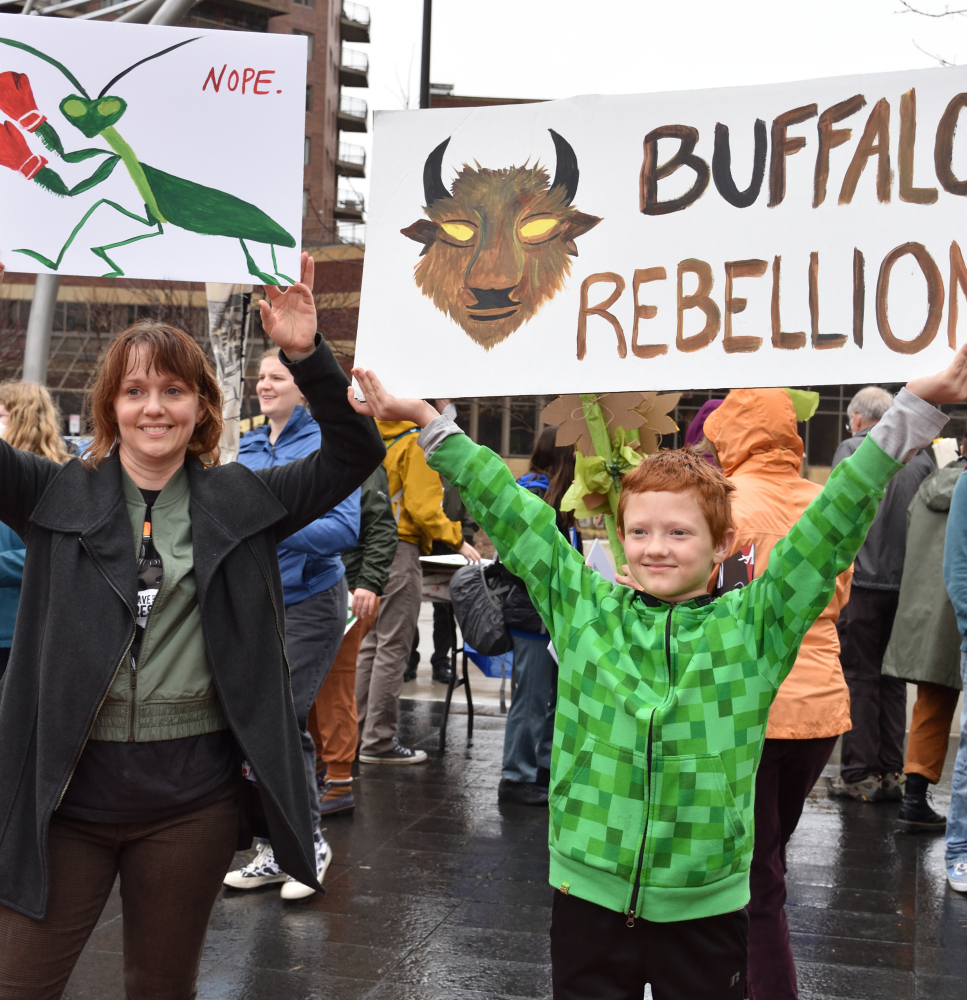
Buffalo Rebellion

juxtaposition 2

It’s difficult to write this morning. Writing is a spiritual practice for me. But my heart and Spirit are heavy from the news of yet another horrendous school shooting.

There are so many questions, and so few answers.

Just because something like the second amendment is interpreted to enshrine guns doesn’t mean that is the right thing to do. Why do those in power choose guns over the lives of children?

We should beat guns into plowshares.

He shall judge between the nations, and shall arbitrate for many peoples; they shall beat their swords into plowshares, and their spears into pruning hooks; nation shall not lift up sword against nation, neither shall they learn war any more.

Isaiah 2:4

Today’s juxtaposition is related to an online event about the trauma, and deaths that occurred in the Indian Boarding Schools in this country and Canada. The genocide. Trauma that has been passed from generation to generation. Trauma those living today experience.

That is in juxtaposition to the elementary school massacre in Texas yesterday.

Seeking Truth, Healing, and Right Relationship: Quakers and the Legacy of Indian Boarding Schools, MAY 25, 2022, 6:30 – 7:30 PM EDT 

FCNL and Friends advocate in solidarity with Indigenous peoples. Yet, historically, Quakers played a role in colonization and the cultural genocide of Native people through the operation of more than 30 Indian boarding schools. With legislation now before Congress to investigate the legacy of Indian boarding schools, how are Friends communities engaging to address Quaker complicity in these atrocities?

Join us on Weds. May 25 at 6:30 p.m. EDT to learn how FCNL and F/friends are reckoning with this history and advocating in solidarity with Native communities.

In conversation with Paula Palmer and Jerilyn DeCoteau, FCNL’s Congressional Advocate for Native American Advocacy Portia Kay^nthos Skenandore-Wheelock will discuss FCNL’s work to build support for the bipartisan Truth and Healing Commission on Indian Boarding School Policies in the United States Act (S. 2907/H.R. 5444). Paula and Jerilyn will share from their expertise and experience co-directing Towards Right Relationship with Native Peoples with Friends Peace Teams. Director of Quaker Leadership Alicia McBride will moderate the conversation.

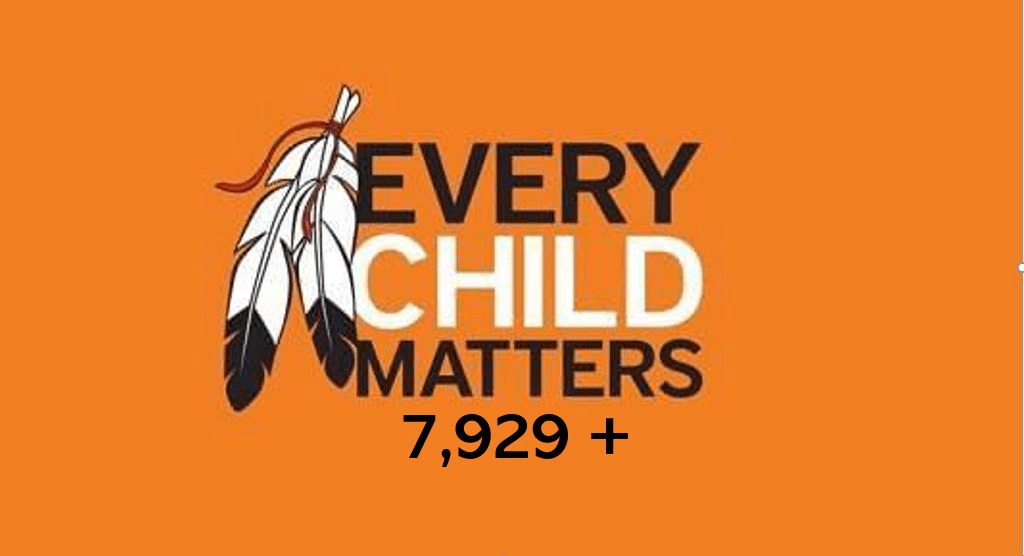
There is a Facebook group, Every Child Matters related to the atrocities of the Indian Boarding Schools. The number on the graphic tracks the number of remains of children found so far.

https://www.facebook.com/groups/125050373031500

A community to provide educational resources, generate awareness, share events and actions, and build community. Recognizing the legacy of colonization in all of Turtle Island, and working together as a community to create a world our 7 generations yet to come can feel proud to be a part of.

“Every person will do their work in their own way as we move forward.

Some will take direct action and take action. That is important. Some will write policy. That is important. Some will do ceremony. That is important. Some will share stories. That is important. Some will build relationships and understanding. That is important. Some will teach. That is important. If we all do what we know how to do, with what we know, it will be good.

Every one and every thing has purpose. Keep your ears and minds and hearts open. Try to listen to each other without forming an opinion. Listen to things as information. You don’t have to agree with it. But you can validate it as someone’s experiences, feelings and ways of healing.”


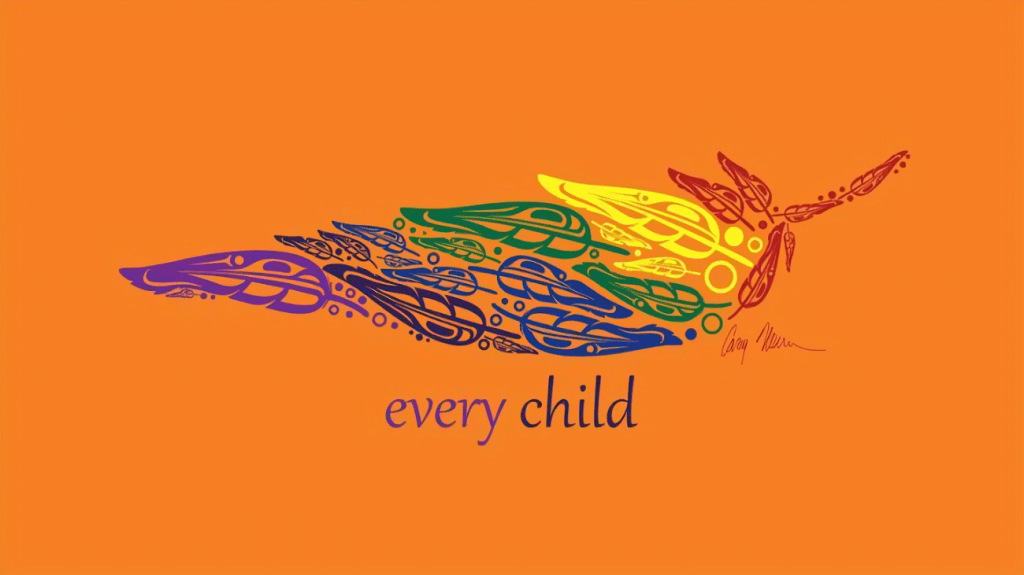
Following is a link to the poem every child, found on the Intrepid Muse Poetry blog.

https://intrepidmusepoetry.blogspot.com/2022/05/every-child-matters.html

juxtaposition is the title of an earlier blog post.

It is a juxtaposition to see the rapidly accelerating, multiple effects of environmental devastation and chaos versus the struggles of Indigenous peoples trying to protect their pristine lands and waters.
https://quakersandreligioussocialism.com/2022/05/23/juxtaposition/

Support the Truth and Healing Commission on Indian Boarding School Policies Act

The House Natural Resource Subcommittee for Indigenous Peoples is accepting written testimony in support of H.R. 5444, the Truth and Healing Commission on Indian Boarding School Policies Act.

There are two ways you can send your written testimony for the bill. One is by using The National Native American Boarding School Healing Coalition’s resources. Secondly, information from the Friends Committee on National Legislation (FCNL) is found at the end of this post. The FCNL site will help you write your letter and send it to the appropriate members of Congress.


The National Native American Boarding School Healing Coalition

REQUESTING SUPPORTIVE WRITTEN TESTIMONY FOR H.R.5444

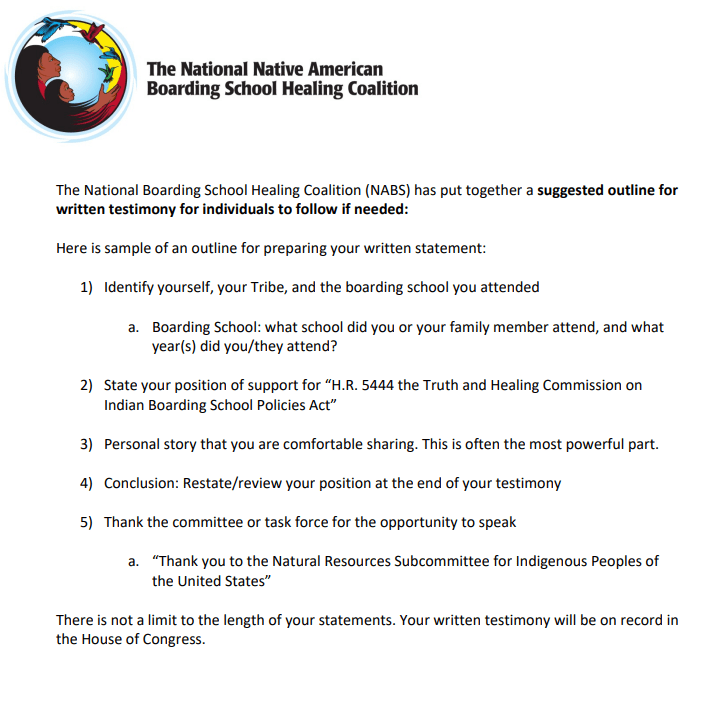
The National Native American Boarding School Healing Coalition (NABS) is currently pursuing the passage of H.R. 5444 / S. 2907, the Truth and Healing Commission on Indian Boarding School Policies in the US Act. The House Natural Resource Subcommittee for Indigenous Peoples held a hearing on Thursday, May 12, 2022, on H.R. 5444. We are reaching out to invite you to submit written testimony in support of this legislation. The House allows for written testimony until May 26, 2022. Therefore, we are humbly asking you to share your story by emailing the House Natural Resource Committee at:

HNRCDocs@mail.house.gov and CC NABS at info@nabshc.org 

To familiarize yourself with the legislation, NABS’s one pager can be found here, H.R. 5444/S.2907 the Truth and Healing Commission on Indian Boarding School Policies Act. 
To submit testimony, please see NABS suggested draft template on how to write your story for Congress. It can be a minimum of two paragraphs up to 15 pages.
If you have any questions, please reach out to NABS at info@nabshc.org  
t’igwicid – Thank you, 

https://mailchi.mp/nabshc.org/nabs-requesting-your-story-6024016?e=039867b489

https://mcusercontent.com/a2409f90592cd87d4d9c47cad/files/0dd54e21-d6e2-e607-8bd1-dd35e41c0834/Outline_for_Testimony.01.pdf

Natural Resources Committee to Hold First Congressional Hearing on the Indian Boarding School Era

Washington, D.C. – Tomorrow, May 12, at 1:00 p.m. Eastern, the Subcommittee for Indigenous Peoples of the United States will hold the first congressional hearing in history to examine the “Indian Boarding School Era,” the time period from 1819 to 1969 in which the U.S. government forcibly removed Indigenous children from their communities and placed them into government-run boarding schools to assimilate them into Euro-American society. At these schools, American Indian, Alaska Native, and Native Hawaiian students were forbidden to practice their culture, use their given names, or speak their traditional languages. If they disobeyed, they were harshly punished. Many students experienced physical, sexual, or psychological abuse, and some never returned home to their families. To this day, the United States government has never formally acknowledged or apologized for these actions.

The hearing will be livestreamed here: https://www.youtube.com/watch?v=lFeCr0gDopU

The legislative hearing will consider H.R. 5444, the Truth and Healing Commission on Indian Boarding School Policies Act, introduced by Rep. Sharice L. Davids (D-Kan.), which will establish a formal commission to investigate and document the policies of the Indian Boarding School Era. The commission will develop recommendations on how the U.S. government can best acknowledge and heal the intergenerational trauma associated with the era.

Natural Resources Committee, U.S. House of Representatives


Friends Committee on National Legislation (FCNL)

Support the Establishment of a Truth and Healing Commission on Indian Boarding Schools

It is long overdue for the United States to acknowledge the historic trauma of the Indian boarding school era. In the 19th and early 20th centuries, Christian churches collaborated with the government to create hundreds of boarding schools for Native American children. The conditions at these schools, some of them Quaker-run, were unspeakable.

Remind your members of Congress of their responsibility to tribal nations and urge them to support the Truth and Healing Commission on Indian Boarding School Policies in the United States Act (S. 2907/H.R. 5444).

Friends Committee on National Legislation (FCNL)


It’s time to elevate Indigenous voices

As I was praying about what to write this morning, I was thinking about the title from an email from Grist magazine: It’s time to elevate Indigenous voices

It’s time to elevate Indigenous voices

It’s clear that Indigenous leaders and communities play a critical role in climate action and have already faced significant climate threats. Elevating Indigenous voices is key to staving off the climate crisis, and the news industry must do better.

Our reporting brings light to the challenges Indigenous communities face and grounds these stories through the lens of solution and justice by elevating the Indigenous leaders and ideas that are critical to protecting the planet’s biodiversity and the health of our ecosystems

Donate now

Grist

Although there is colonialism in the idea that it is White people’s privilege to frame these narratives, it is important to make White people aware of the importance of elevating Indigenous voices.

White people cannot begin to have authentic relationships with Indigenous peoples until we have learned and acknowledged the truth about the history of White settler colonists stealing the land and committing genocide against native peoples. And the continued oppression today. To understand the trauma that has been passed from generation to generation. The grief of those living today.

I was blessed to participate in the Climate Justice Summit of the new coalition, the Buffalo Rebellion. A coalition that has leadership from Indigenous people and that is elevating Indigenous voices.

Buffalo Rebellion is a coalition of Iowa grassroots organizations that are growing a movement for climate action that centers racial and economic justice!

Formed in 2021, Buffalo Rebellion is comprised of seven Iowa organizations: Great Plains Action Society, DSM Black Liberation Movement, Iowa Migrant Movement for Justice, Sierra Club Beyond Coal, Cedar Rapids Sunrise Movement, SEIU Local 199, and Iowa CCI


Forced assimilation of native children

One of the most grievous wrongs was the forced assimilation of native children. [https://quakersandreligioussocialism.com/forced-assimilation/]

  • This is a fraught issue in Quaker communities today. More than 30 Indian boarding schools were run by Quakers.
  • The first step toward healing for all those involved, White and Indigenous peoples, is truth telling.
  • Raw emotions are re-awakened as the process of locating the remains of native children on the grounds of Indian boarding schools occurs at more schools.
  • The first volume of the Federal Indian Boarding School Initiative Investigative Report has just been released.

Urge your members of Congress to support the Truth and Healing Commission on Indian Boarding School Policies Act (S. 2908/H.R. 5444).


It’s past time for the United States and the faith community to acknowledge the historical trauma of the Indian boarding school era.

I know that. You know that. And this week, we received two strong signs that lawmakers are starting to understand it too.

Act Now

On Wednesday, the Department of the Interior released an investigative report documenting the brutal conditions endured by Native children who were forced to attend federal boarding schools. The next day, a House subcommittee held the first-ever hearing on this critical issue.

The impacts of this tragic era persist today. These schools—more than 30 of them run by Quakers—are inextricably linked to the loss of tribal languages, cultural resources, and dispossession of land. Many of the problems facing tribal nations today, including poverty, violence, suicide, and alcohol and drug abuse, are rooted in the traumatic separation of children from their families and the abuses at these federally sponsored institutions.

Your advocacy is making a difference. We have to keep the pressure on. Urge your members of Congress to support the Truth and Healing Commission on Indian Boarding School Policies Act (S. 2908/H.R. 5444).

Portia Kay^nthos Skenandore-WheelockSincerely, Portia K. Skenandore-Wheelock Congressional Advocate
Native American Advocacy Program

P.S. Read the Department of Interior report here.


It is long overdue for the United States to acknowledge the historic trauma of the Indian boarding school era. In the 19th and early 20th centuries, Christian churches collaborated with the government to create hundreds of boarding schools for Native American children. The conditions at these schools, some of them Quaker-run, were unspeakable.

Now we must work with tribal nations to advance congressional efforts to establish a federal commission to formally investigate boarding school policy and develop recommendations for the government to take further action. Although the wrongs committed at these institutions can never be made right, we can start the truth, healing, and reconciliation process for the families and communities affected as we work to right relationship with tribal nations.

Friends Committee on National Legislation (FCNL)
Support the Establishment of a Truth and Healing Commission on Indian Boarding Schools


What would it mean to reckon with our past complicity with harm?

As the world falls apart, I wonder where faith communities are? Where are White Christians, White Quakers?

As my friend Lucy Duncan writes, “we as White Quakers like to think of ourselves as ahead or better than dominant culture, but we have been complicit in a system and mindset that are ubiquitous.”

Recognizing the White dominant culture is fundamental for White people to understand. How we learn what we must change. White people must first change ourselves before we will be accepted in communities suffering injustice.

As Lucy writes below, “What would it mean to reckon with our past complicity with harm?” Lucy speaks about slavery and racism.

I tell the stories of early White Quaker relationships to slavery because slavery was never really abolished. If we can reckon with the full truth of our connection to slavery and its afterlives, perhaps we can begin the healing necessary to fulfill the promise of the Religious Society of Friends of Truth. 

We as White Quakers like to think of ourselves as ahead or better than dominant culture, but we have been complicit in a system and mindset that are ubiquitous. Claiming the full truth of our history and committing to repair the harms done are deeply spiritual acts of healing our own wounds of disconnection. I would argue it is the pathway upon which we can, perhaps for the first time, discover and invigorate our faith with its full promise.

What would it mean for us to take seriously and collectively as a Religious Society a call to finish the work of abolition, hand in hand and side by side with those affected  and their loved ones? What would it mean for us to stand fully with the calls to abolish the police and fully fund community needs instead? What would it mean to reckon with our past complicity with harm and fully dedicate ourselves to the creation of a liberating Quaker faith that commits to build the revolutionary and healing faith we long to see come to fruition? What would it look like to finally and fully abolish slavery?

A Quaker Call to Abolition and Creation by Lucy Duncan, Friends Journal, April 1, 2021

I ask these same questions regarding our past and present complicity with harms to Indigenous peoples. I speak from my own experiences with Indigenous friends. (One place I share some of these experiences are at the website I created about the First Nation-Farmer Climate Unity March https://firstnationfarmer.com/ )

Two interrelated developments are finally bringing attention to Indigenous peoples, forced assimilation, and those who ran those residential schools.

  • One is the search and finding of the remains of Indigenous children on the grounds of Indian Boarding Schools in Canada and the US.
  • The second is the release of the Federal Indian Boarding School Initiative Investigative Report about what happened in those schools

What would it mean to reckon with our past complicity with harm to Indigenous peoples?

White people need to imagine what it would take to dismantle the White dominant culture. We cannot begin to reckon with our complicity in harm until we have the humility and prayers to recognize the history of those harms, and how we continue to do harm now. We cannot make authentic connections with Black, Indigenous, and other people of color (BIPOC) until we unlearn our attitudes and actions of dominance.

How do we do that? We look for any kind of vertical hierarchy, and reject it. Vertical hierarchies are how dominance is enforced. Are the structures used throughout our society and government.

We should instead act in ways of horizontal, or no hierarchy. Dismantling vertical hierarchies is the path to reducing or eliminating dominance.

Eliminating vertical hierarchies is the core concept of Mutual Aid. My participation in a Mutual Aid community these past two years has been a real education. A deeply spiritual experience. Mutual Aid is how I’ve been learning to reject vertical hierarchies. Some of my experiences with Mutual Aid can be found here: https://quakersandreligioussocialism.com/mutual-aid/

Recognizing White dominant culture makes it possible for us to look at the past and recognize our complicity with what happened then. And helps us envision how to stop the ongoing harms of White dominance now.

By asking the question where are faith communities (above) I’m implying where should faith communities be? I believe white faith communities should be working on their structures, actions, and attitudes of dominance. Learning about and embracing Mutual Aid is a way to do that.


Queries related to Mutual Aid
Do we recognize that vertical hierarchies are about power, supremacy and privilege? What are Quaker hierarchies?
Do we work to prevent vertical hierarchies in our peace and justice work?
What are we doing to meet the survival needs of our wider community?
How are we preparing for disaster relief, both for our community, and for the influx of climate refugees?
Are we examples of a Beloved community? How can we invite our friends and neighbors to join our community?

A Hierarchy Resister

I’ve been working on this diagram to show the structures of injustice, and concepts to address them. This is a work in progress. Relevant to today’s discussion is White supremacy and the way forward via Mutual Aid.