The Friends Committee on National Legislation (FCNL) is a national, nonpartisan organization that lobbies Congress for peace, justice, and environmental stewardship.
FCNL has an 80-year-old history of bringing the concerns of Quakers and Quaker meetings to the US Congress. The following four principles guide this work.
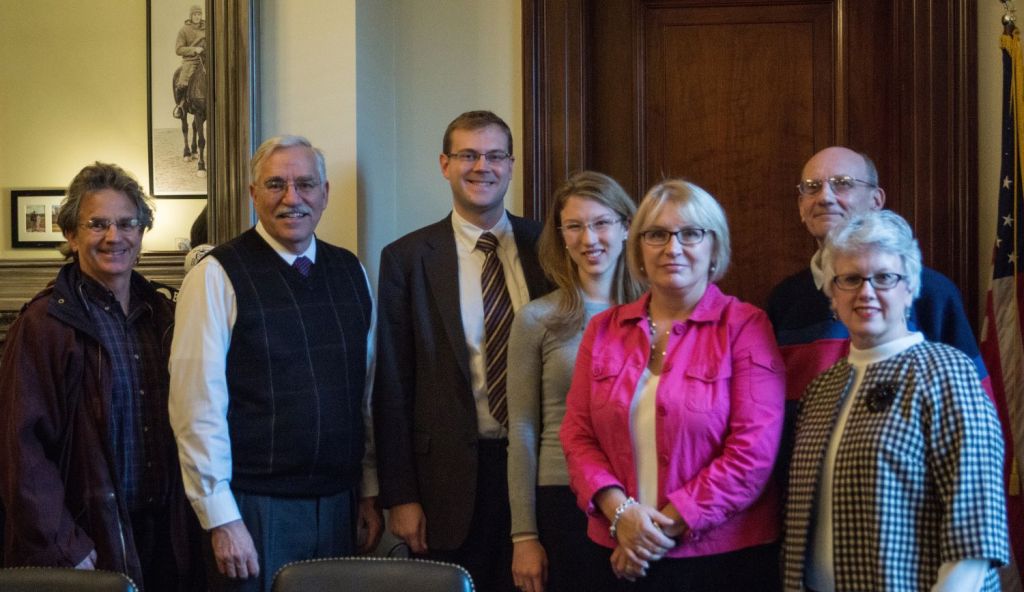
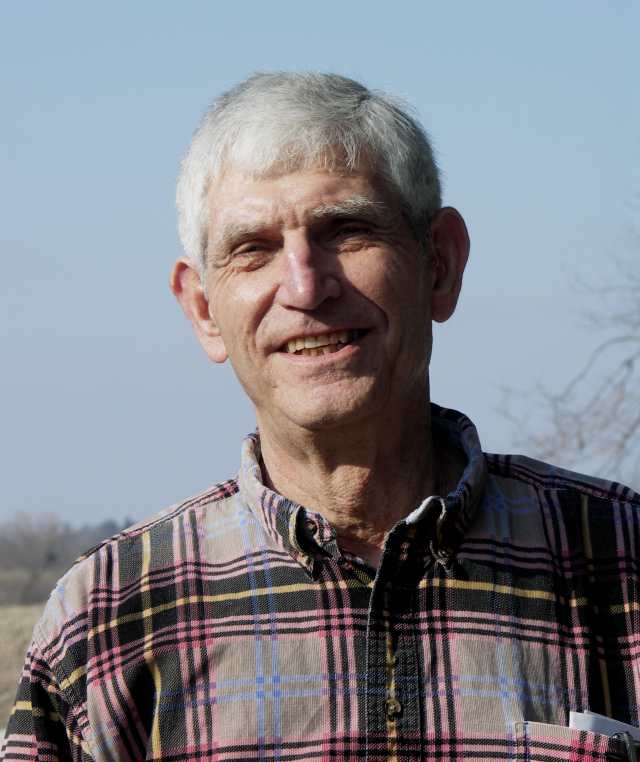
I have been blessed to be involved in the work of FCNL in a number of ways over the years. For nine years I was a member of the General Committee, which meets annually to help determine what priorities FCNL’s lobbyists should bring to Congress. One of the unique aspects of FCNL’s approach is to train Quakers and others how to lobby Congress themselves. I’m second from the right at this visit to a Congressperson’s office.
Training sessions for FCNL Advocacy are provided online monthly. The next session will be January 18, 2024. You can register here: Intro to Advocacy with FCNL
Following are several updates I’d like to share about FCNL’s work.
Join FCNL’s Lauren Brownlee and Zenaida Peterson, both members of the Steering Committee of the Quaker Coalition for Uprooting Racism, online for Pendle Hill’s First Monday lecture on Jan. 8, 2024.
Members of the Steering Committee of the Quaker Coalition for Uprooting Racism believed they had a responsibility to name the pain from patterns of white supremacy culture and racism that they have experienced, witnessed, and heard throughout the Religious Society of Friends and associated organizations. To that end, they created a guide with examples of harm and interventions towards racial justice. This guide, inspired by the work of Tema Okun and several Quaker institutions, points to the ways that they see white supremacy culture weaving its way into Quaker culture and suggests methods to disrupt it.
In this lecture, Lauren Brownlee and Zenaida Peterson will share ways that the guide has been and can be used in Quaker communities.
FCNL hosts a Virtual Witness Wednesday Silent Reflection. This event is in line with the Quaker practice of silent worship. It’s an opportunity for participants to join virtually via Zoom or by phone for a period of shared reflection.
I’ve been attending Witness Wednesday for several years, (including yesterday) and find it to be a powerful way to reflect on faith, peace, and justice work. I highly recommend it. Simply use this link to attend online any Wednesday at 4:15 pm Central time. http://fcnl.org/ww-stream
Spring Lobby Weekend brings hundreds of young adults to Washington, DC, where they learn about a specific issue, and then actually go to their Congressional offices to lobby related to that issue.
Several years ago my good friend Rezadad Mohammadi attended one spring lobby weekend. The next year he organized a group of fellow students at Simpson College to attend, successfully obtaining funding from the College to help with expenses. If you know of young adults who might be interested, please share this with them.
In March 2024, hundreds of young adults will gather again for Spring Lobby Weekend—our young adult advocacy conference and day of action. This year, we’ll be lobbying Congress to address the harmful legacy of the Indian Boarding School era.
We know that our strength comes from the stories we tell and the community we build, so we hope that you will join us March 16-19, 2024—in Washington, D.C. or online—to advocate for change!
Please check this page for more updates in the coming weeks. If you are not already signed up for our Young Adult Program updates, please sign up here to receive emails about Spring Lobby Weekend 2024.
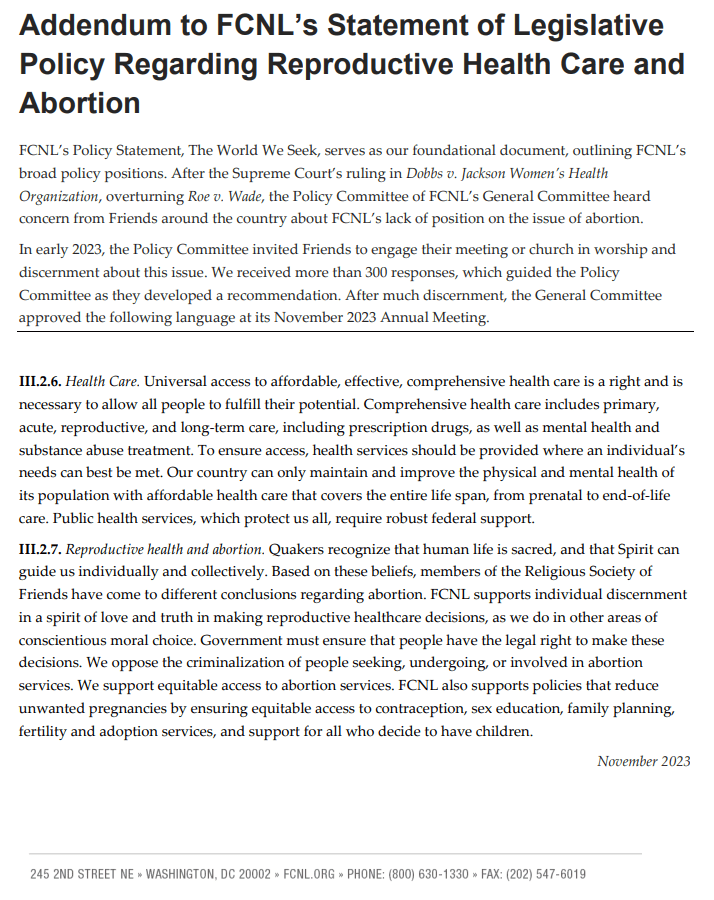
In an example of how FCNL engages with Quaker communities in this country, FCNL asked Quaker meetings about their views regarding reproductive health and abortion. This came about because there are different beliefs about abortion among Quakers, so FCNL did not have a policy related to that. But with the recent national debate about abortion, FCNL asked Quakers to share what they thought about this issue today. Following is the statement that came out of this national discussion among Quakers.
Working for peace has always been a fundamental belief among Quakers. “We seek a world free of war and the threat of war” is one of the guiding principles of FCNL.
We are heartbroken by the violence in Israel and Palestine. As Quakers, we deeply mourn the loss of all lives and pray for those who have lost loved ones due to this latest escalation. We unequivocally condemn Hamas’ attacks and inhumane treatment of civilians and call for the release of all hostages. We also condemn Israel’s indiscriminate bombing of Gaza that has claimed thousands of civilian lives. More war and weapons won’t bring peace. In the face of growing violence, lawmakers must push for a permanent ceasefire and address the root causes underlying this explosion of violence.
As we bear witness and lobby in solidarity with Native Americans, we also honor the Nacotchtank tribe on whose ancestral land the FCNL, FCNL Education Fund, and Friends Place on Capitol Hill buildings stand. They are also known as the Anacostans, the Indigenous people who lived along the banks of the Anacostia River, including in several villages on Capitol Hill and what is now Washington, D.C. By the 1700s, the Nacotchtank tribe had merged with other tribes like the Pamunkey and the Piscataway, both of which still exist today.
Over one thousand people registered for FCNL’s “Calling for a Ceasefire: Israel-Palestine Briefing” held last night.
I encourage you to watch the powerful and informative briefing recording below. FCNL’s General Secretary, Bridget Moix, led the discussion with three panelists: Joyce Ajlouny, AFSC General Secretary; Odeliya Matter, FCNL program assistant for theMiddle EastPolicy team, and Hassan El-Tayyab,FCNL’s Legislative Director for Middle East Policy.
As you heard this evening, our collective advocacy is working to shift the conversation and open up space for calls to end the violence. But we need your help to continue building momentum for a ceasefire to protect the lives of Palestinian civilians and Israeli and other hostages. We also need your help to ensure that humanitarian aid can reach those in dire need.
Take Action
Write Congress: If you haven’t already, make sure to send a customized letter to your lawmakers urging them to call for an immediate ceasefire.
Have questions before you drop by your congressional district offices? Join our upcoming office hours for tips on how to ensure a successful drop-by visit. Sign up to attend on Friday, Oct. 27 at 1:00 p.m. EDT orMonday, Oct. 30 at 3:00 p.m. EDT with FCNL’s Legislative Director for Middle East Policy Hassan El-Tayyab.
What Actions Will You Take?
Please click the link below to tell us what action(s) you want to take and what kind of support (if any) you need. Your voice is vital to us as we continue to advocate for a ceasefire. You can also email us at Lobby@fcnl.org.
The U.S. Must Act to De-Escalate the Violence in Israel and Palestine
51856 actions taken
We are heartbroken by the recent violence in Israel and Gaza. As Quakers, we deeply mourn the loss of all lives and pray for those who have lost loved ones due to this latest escalation. We unequivocally condemn Hamas’ attacks and inhumane treatment of civilians and call for the immediate release of all hostages. We also condemn the indiscriminate and violent Israeli response that has already claimed hundreds of civilian lives.
More war and weapons won’t bring peace. In the face of growing violence, lawmakers must:
Work to de-escalate this situation by calling for restraint, ceasefire, de-escalation, and respect for international law.
Protect lives—those of the Israeli hostages and the roughly 1 million children who live in Gaza.
Address the root causes underlying this explosion of violence, including decades of institutionalized oppression and collective punishment of Palestinians through brutal military occupation and a 16-year Gaza blockade.
Urge Congress to call for an immediate ceasefire, de-escalation, and restraint to prevent further civilian harm in Israel and the occupied Palestinian territories.
Instead, I’m led to continue to write about transformative mutual aid practices (T-MAPs) because we need to support each other, especially in perilous times like these.
T-MAPS and Mutual Aid
Some time ago, at our Des Moines Mutual Aid food project, one of my friends asked how I was doing. Which turned into an opportunity to share about T-MAPs. She agreed that no one asks how those of us doing justice work are doing. At least, no one outside our Mutual Aid community, where checking in with each other is an important part of our work together.
The Icarus Project
T-MAPs was originally dreamed up in the early years of The Icarus Project (TIP), a community of people working at the intersection of mental health and social justice. Over the years, TIP has created peer-based mental health support groups, alternative publications and educational resources, and new language outside the conventional “mental illness” paradigm. One tool developed by TIP, which has partly inspired T-MAPs, is called Mad Maps. Mad Maps began as creative and supportive conversations on the Icarus website about strategies for friends and strangers to communicate about how to take better care of each other. Mad Maps has evolved into a set of guides on navigating different topics like intergenerational trauma and madness and oppression.
The Icarus Project is now the Fireweed Collective.
Fireweed Collective offers mental health education and mutual aid through a Healing Justice and Disability Justice lens. We support the emotional wellness of all people and center QTBIPOC folks in our internal leadership, programs, and resources.
Our work seeks to disrupt the harm of systems of abuse and oppression, often reproduced by the mental health system. Our model for understanding ‘severe mental illness’ is community and relationship-based and divests from the prison industrial complex and psych wards.
Healing Justice (HJ) is a framework rooted in racial justice, disability justice, and economic justice. Healing Justice provides us with tools we can use to interrupt the systems of oppression that impact our mental health. Fireweed Collective uses HJ as a guide to help redefine what medicine is, and increase who has access to it.
We are honored to be a part of a larger community of organizations guided by the principles of Healing Justice:
responding to and intervening in generational trauma and violence (Kindred)
collective practices that can impact and transform the consequences of oppression (Kindred)
Yesterday, at our weekly FCNL Witness Wednesday Silent Reflection, we considered the following:
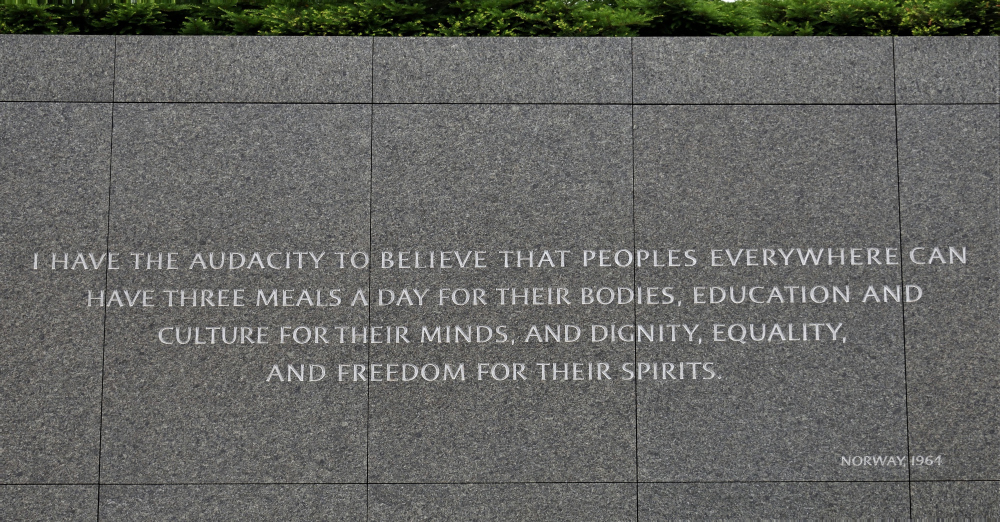
Prompt: “An individual has not started living until he can rise above the narrow confines of his individualistic concerns to the broader concerns of all humanity.” – Martin Luther King, Jr.
Query: How can we best serve as witnesses and holders of humanity in times of great and increasing pain? How can we witness and hold joy and solidarity in moments of humanity’s grief?
You can join this weekly reflection at 4:15 pm Central time here: fcnl.org/ww-stream
In war, civilians always pay the highest price. As the crisis in Israel and Palestine deepens following the attack by Hamas on Israel and Israel’s retaliatory violence, our voices are needed.
As Quakers and advocates for peace, we have an important role to play in advocating for a ceasefire to prevent the tragic loss of more innocent Palestinian and Israeli lives. On Oct. 25, we will gather as a community in grief and action. Join FCNL’s Bridget Moix, Hassan El-Tayyab, and Odeliya Matter, and Joyce Ajlouny, General Secretary for the American Friends Service Committee, for insights into what is happening in Israel-Palestine, the response from U.S. lawmakers, and what we can do as advocates to respond.
The American Friends Service Committee, Canadian Friends Service Committee, Friends Committee on National Legislation, Quakers in Britain, and the Quaker United Nations Office call for a ceasefire and humanitarian protections in Gaza
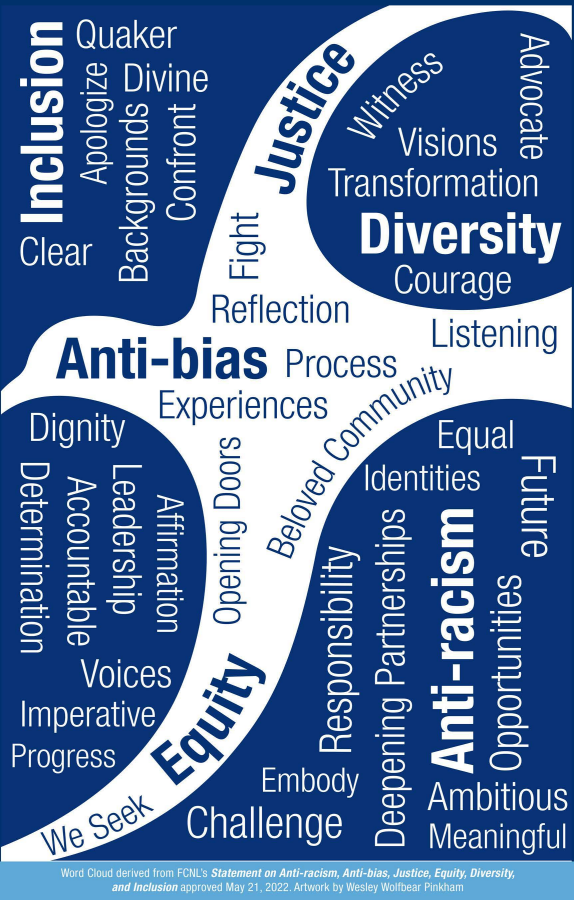
Diversity can refer to many things, such as race, ethnicity, gender, sexuality, class, age, ability, and faith background. Both the state of Iowa and our Quaker meetings in the Midwest have very little racial and other types of diversity. This does not reflect the diversity of the wider society nor the diversity in Quaker history and values.
Reasons why Friends need to confront their lack of diversity now
This is a topic that generates significant emotional reactions for numerous reasons. Perhaps one of the most basic is knowing we are not doing what our ancestors had done, what they would probably be doing if alive today.
If we are converging on history and practice, we are missing the point. If we are depending on institutions to create a new society or usher in the Kingdom, then we are deceived. These will not bring the radically egalitarian and Spirit-filled communities that God fostered among early Friends. These are forms, and Friends must follow the Spirit.
I’ve met others who need a Spirit-led Society. We share this vision, and we share the disappointment of being drowned out in meeting by classism, ageism, and racism. Some of us wonder if Quakerism isn’t all that different from the rest of liberal religion. From what we’ve seen, it isn’t apocalyptic. It isn’t radical. It doesn’t sound like Fox or look like Jesus. It works at incremental transformation while simultaneously shushing those who need the system overthrown.
Hye Sung Francis, Seeking a People
Many of our Quaker meetings are small and growing smaller.
A significant number of Friends are elderly
We are failing to attract new members
Members are leaving their (Quaker) meetings because
Their justice work is not understood or supported
They see the harm done to Black, Indigenous, and other people of color (BIPOC) in their meetings.
They are frustrated by the meeting’s lack of understanding and involvement around their privilege
And the lack of engagement and support for BIPOC communities.
Many meetings fail to engage with justice groups that are doing good work, such as Mutual Aid communities.
Friends need to engage with Indigenous peoples now
For truth and healing related to Friends’ involvement with the institutions of forced assimilation
Most White Friends fail to understand their privileges and the consequences.
There are a range of justice activities by (Quaker) meeting members. Much of that relates to Friends’ long history of opposing war and violence. But because of our lack of diversity, we fail to understand many other significant and often insidious forms of violence, such as sexual, emotional, psychological, spiritual, cultural, verbal, economic, symbolic, and gender-based violence.
Most male Friends are unaware of gender inequality and violence.
Much of what passes for justice work are committee meetings, political letter writing, and financial support of Quaker justice organizations such as the Friends Committee on National Legislation and the American Friends Service Committee. That is not enough.
Lack of connections with Indigenous peoples is a significant problem for Friends today.
Friends are unaware of their ancestors’ settler colonization, including the theft of native lands. Many Friends don’t believe the land they occupy today is stolen land.
Unaware of the ongoing crisis of Missing and Murdered Indigenous Relatives. And how this is tied to the construction of fossil fuel pipelines.
Just becoming aware of Friends’ involvement with the forced assimilation of native children. Of the many forms of abuse and deaths of thousands of children at those institutions.
Friends often don’t have the depth of spiritual awareness of all our relations that we can learn from Indigenous peoples.
Structural violence is embedded in the social and economic systems that produce and maintain inequalities and injustices. It is often invisible or rationalized by the dominant groups that benefit from it.
Symbolic violence is a form of power exerted through cultural and symbolic means rather than direct physical force. It reinforces social hierarchies and inequalities by imposing the norms and values of the dominant group on the subordinate group. It is often unconsciously accepted by both parties and can be expressed through various practices such as language, representation, body language, and self-presentation. The concept was developed by sociologist Pierre Bourdieu.
This is a significant reason why Friends need to support and create Mutual Aid communities which address these very injustices related to symbolic violence.
This makes me more aware that Mutual Aid is an expression of nonviolence.
MLK understood — or would have — that all the following things are forms of violence. People forced to “crowdfund” healthcare — to beg their neighbors for pennies for medicine. A workplace culture where being abused and berated by your boss is totally normal. Incomes not rising for half a century — while costs skyrocket to absurd levels. The average American dying in debt. Being forced to choose between healthcare and your life savings. Having to give up your home because you want to educate your kids.
All these things are forms of violence. Violence runs deep. It isn’t just mobs of fascists smearing feces on the walls — though it is also that. It’s what Americans do to one another as everyday interaction — and shrug off as normal. Mental, emotional, social, cultural violence makes up the very fabric of everyday American life. It’s the poisonous residue of slavery. And it’s profoundly traumatic. It has lacerated the American mind, and made violence a legitimate solution to every social problem. But these forms of all-pervasive violence are what a capitalist society is limited to, because everything is competition, rivalry, and ultimately, domination and subjugation.
Americans Don’t Understand What Violence Really Is by umair haque, Eudaimonia and Co, January 17, 2022
This lack of diversity has numerous consequences
Excluding or marginalizing people who do not fit the dominant norms or expectations of Quaker culture
Limiting the perspectives and experiences that inform Quaker discernment and action
Missing out on the richness and joy of learning from and celebrating differences
Failing to live up to the Quaker testimonies of equality, peace, and justice
For a long time, I had prayed that my Quaker community would engage with communities like my Mutual Aid community, thinking that would be mutually beneficial. But the clashes and the lack of lived experience with diverse communities of many White Friends have changed that. Now, I feel I need to protect my justice communities from the injuries they would experience from White Friends. It’s not that White Friends wouldn’t try to do what they thought would be helpful, but their lack of knowledge of oppression always results in harm.
For years, I’ve envisioned Quakers and oppressed people working together. But we (White Quakers) have to have enough experience in communities outside our meetinghouses to understand what is happening in these communities. To have a valid perspective. Until that happens, Friends will show they cannot be trusted, and we will be unable to cross the divide.
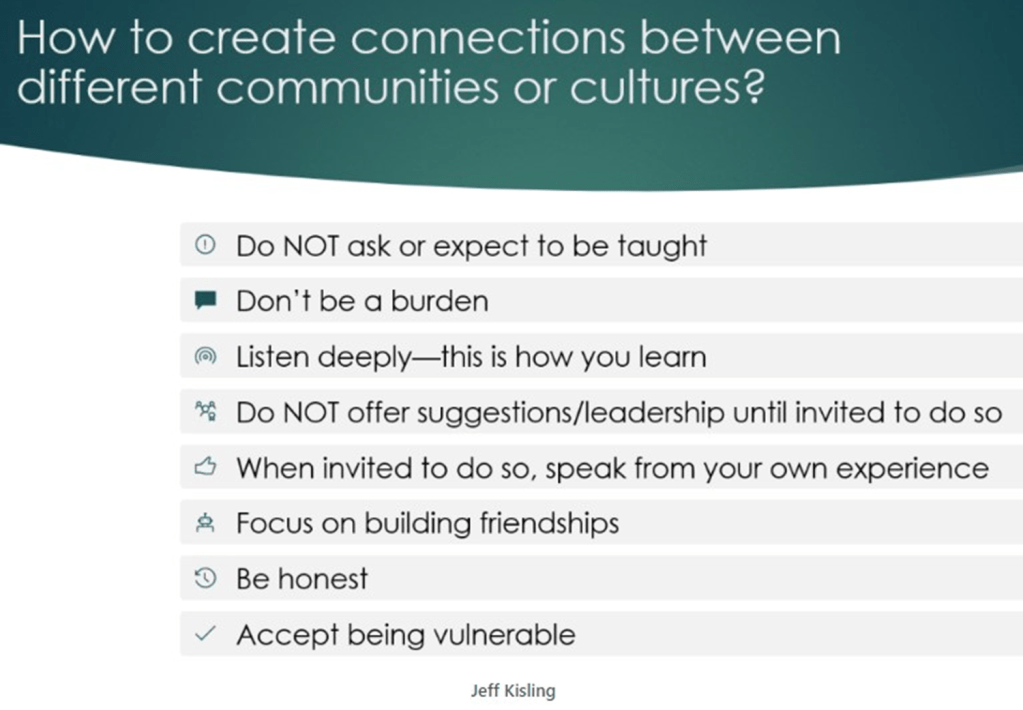
Over the years I’ve built this list of things I’ve learned from my experiences. I hope White Friends who haven’t yet had experiences outside their meetinghouse would keep these things in mind.
By far the most important is to not offer suggestions until the community trusts you enough to ask you for your input. When you are invited to do so, speak from your own experience. Do not talk about things in the abstract. It’s perfectly fine to say you don’t know the answer to a question. This honesty, this vulnerability is crucial. I like to keep in mind “we don’t know what it is that we don’t know.”
Time
It will take much longer than you expect to see this trust begin to develop. I’d been involved with the Kheprw Institute in Indianapolis for three years before I was asked to teach the kids there about photography.
Quakers are pretty white, and that comes with quite a bit of power and privilege. A Quaker in Omaha, Nebraska is going to have probably more weight in what they say to a legislator than a Black Lives Matter activist in Brooklyn, New York. I think there’s a need for Quakers to step out of their meeting and away from a lot of these phenomenal institutions that they’ve created and speak to individuals in an interfaith setting (from Black churches or Black Lives Matter) and have a cross-cultural understanding of what that experience is like because you’ll find that it’s very different, and I think the more we can do of that the more effective we’ll be in addressing these problems. These exchanges and fusion coalitions are what I think it’s going to take, not only for Friends to be effective in dismantling these systems of racism, classism, and white supremacy in American society, but also for all of us to better address these problems in our country.
Each year the International Day of Peace (IDP) is observed around the world on 21 September. The UN General Assembly has declared this as a day devoted to strengthening the ideals of peace, through observing 24 hours of non-violence and cease-fire. Never has our world needed peace more.
This year’s theme is Actions for Peace: Our Ambition for the #GlobalGoals. It is a call to action that recognizes our individual and collective responsibility to foster peace. Fostering peace contributes to the realization of the Sustainable Development Goals (SDGs) and achieving the Sustainable Development Goals will create a culture of peace for all.
For some time the Spirit has been calling my attention to peace in many different ways.
I was led to take the photo below of the peace symbol on a coffee mug
I’ve been concerned but not surprised to learn of the heavy military recruitment of teens in public schools today
That made me turn my attention to conscientious objection. I discovered my Quaker meeting, Bear Creek Friends, had done significant work on conscientious objector counseling years ago. I had not known about that because I was living in Indianapolis at that time
My story about my struggles to become a draft resister
My Scattergood School classmate’s story of his imprisonment for draft resistance: The Barrett Family’s Peace Testimony by Daniel Barrett
The Moral Integrity of Muhammid Ali
I remember the day of the National Moratorium to End the War in Vietnam, October 15, 1969, when the entire student body of Scattergood Friends School had a peace march from the school to the University of Iowa (about twelve miles) to participate in actions there
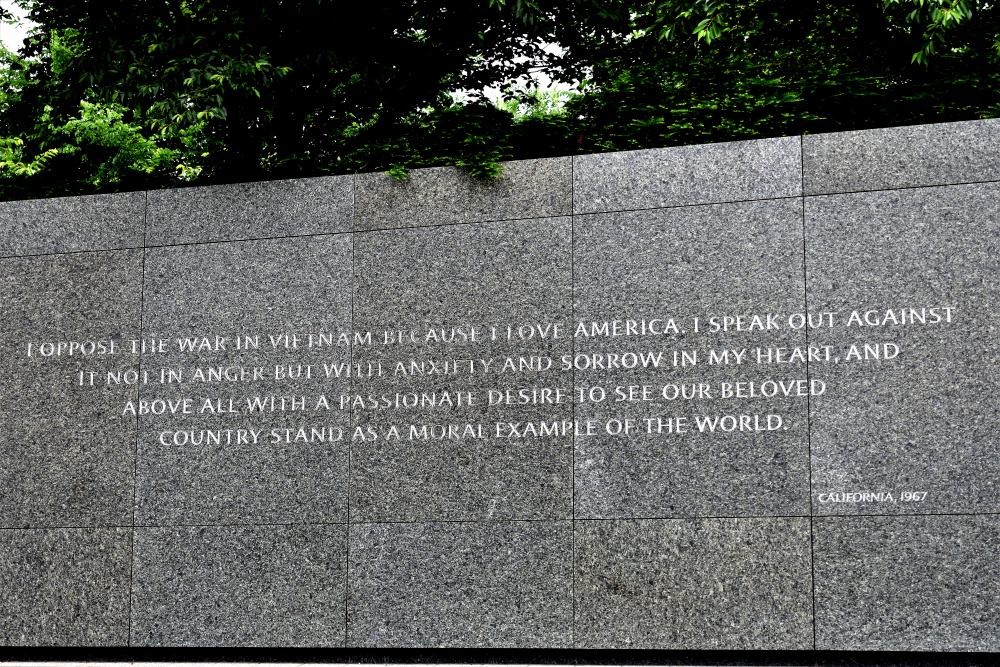
I’m reminded of Martin Luther King’s brave stance against the Vietnam War despite objections from his community
I was led to read the wonderful book Don’t Think Twice by Alison Lohans, which is a novel about the peace activities of a family set in the time of the Vietnam War. Alison and I have exchanged messages about this.
Yesterday, during our weekly Friends Committee on National Legislation (FCNL) Witness Wednesday Silent Reflection we considered the following prompt and query.
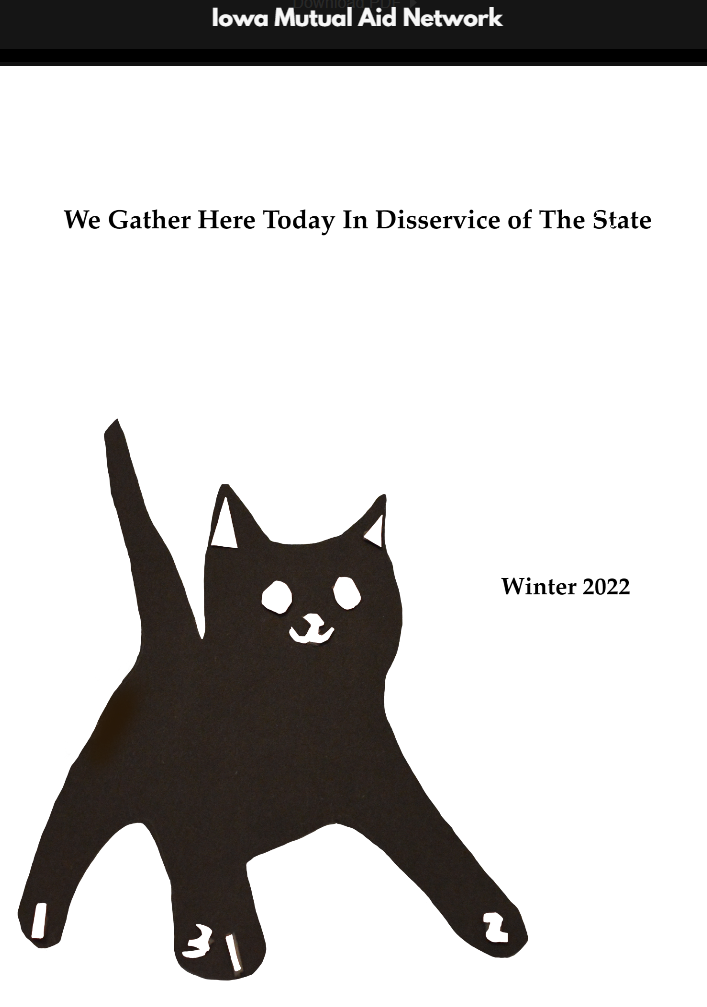
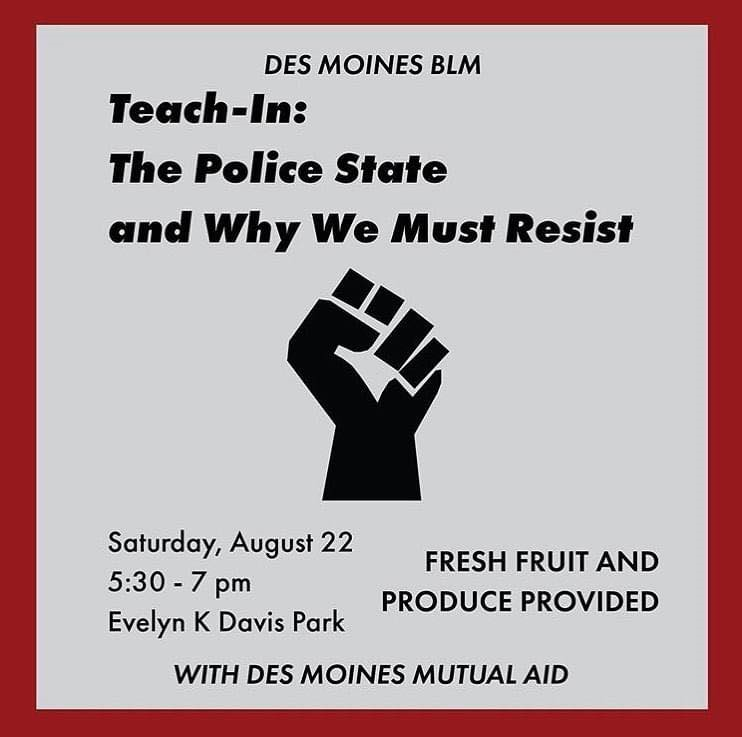
During my three years of experience with Des Moines Mutual Aid, I’ve become MUCH more aware of the internal war of the state against us.
“If, however, the peace testimony is the outward evidence of God’s work among us, then committing to it will lead us into prayerful sacrifice and radical solidarity with victims of violence. The cause of peace will encourage us to take unpopular stands for unpopular causes, because our faith is in a God who does not allow us to use violence even for a noble cause. We will be led to share our faithfulness to the Lamb and His war in a spirit of love and humility, inviting others into a new way of living.”
Query: How do you live a commitment to peace? How do you invite others into a new way of living?
I don’t know why I was prompted to take this photo of a coffee cup yesterday
An Epistle to Friends Concerning Military Conscription
Dear Friends,
It has long been clear to most of us who are called Friends that war is contrary to the spirit of Christ and that we cannot participate in it. The refusal to participate in war begins with a refusal to bear arms. Some Friends choose to serve as noncombatants within the military. For most of us, however, refusal to participate in war also involves refusal to be part of the military itself, as an institution set up to wage war. Many, therefore, become conscientious objectors doing alternative service as civilians, or are deferred as students and workers in essential occupations.
Those of us who are joining in this epistle believe that cooperating with the draft, even as a recognized conscientious objector, makes one part of the power which forces our brothers into the military and into war. If we Friends believe that we are special beings and alone deserve to be exempted from war, we find that doing civilian service with conscription or keeping deferments as we pursue our professional careers are acceptable courses of action. But if we Friends really believe that war is wrong, that no man should become the executioner or victim of his brothers, then we will find it impossible to collaborate with the Selective Service System. We will risk being put in prison before we help turn men into murderers.
It matters little what men say they believe when their actions are inconsistent with their words. Thus we Friends may say that all war is wrong, but as long as Friends continue to collaborate in a system that forces men into war, our Peace Testimony will fail to speak to mankind.
Let our lives speak for our convictions. Let our lives show that we oppose not only our own participation in war, but any man’s participation in it. We can stop seeking deferments and exemptions, we can stop filling out Selective Service forms, we can refuse to obey induction and civilian work orders. We can refuse to register, or send back draft cards if we’ve already registered.
In our early history we Friends were known for our courage in living according to our convictions. At times during the 1600’s thousands of Quakers were in jails for refusing to pay any special respect to those in power, for worshiping in their own way, and for following the leadings of conscience. But we Friends need not fear we are alone today in our refusal to support mass murder. Up to three thousand Americans severed their relations with the draft at nation-wide draft card turn-ins during 1967 and 1968. There may still be other mass returns of cards, and we can always set our own dates.
We may not be able to change our government’s terrifying policy in Vietnam. But we can try to change our own lives. We must be ready to accept the sacrifices involved if we hope to make a real testimony for Peace. We must make Pacifism a way of life in a violent world.
We remain, in love of the Spirit, your Friends and brothers,
Don Laughlin Roy Knight Jeremy Mott Ross Flanagan Richard Boardman James Brostol George Lakey
Stephen Tatum Herbert Nichols Christopher Hodgkin Jay Harker Bob Eaton Bill Medlin Alan & Peter Blood
We organized a draft conference at Scattergood Friends School in 1969
Alberta Kisling was passionate about preserving stories and wrote and collected them during her life. The Quaker Stories website was created so these stories could be told.
Centering Down at Bear Creek by Alberta Kisling
Catch the mind Don’t let it wander – Center The facing bench is empty Where are they? Oh, there they are Sitting so tall So stern Faces lined, eyed downcast Always there. There – out the window The old school house Where are your children school house? Do they remember you? Yes, I feel them here They are whispering Good morning – how is thee?
Resurrection
by Alberta Kisling
Out of the crumbles of dust and termites come memories of children’s voices at play or reciting, first-day school and committee meetings. We Quakers reflect on the old school house that is gone.
Old school house at Bear Creek Friends Meeting
But look! Rising from the ruins of the past; a new building! Many windows for quiet gazing across the fields. Our spirits are lifted as our eyes are drawn heavenward. Skylights, and a loft for rest, and quiet meditation.
Already there have been worship groups, committee meetings, and students sleeping (?) all night. The rain barrel waters the new circle garden.
We are breathless as we absorb its beauty. We are enthralled as we contemplate the endless possibility of its future. The first of the past are weaving themselves into the miracle of new life in our beautiful, precious Quaker Cottage.
Lorene Standing
by Alberta Kisling
Mother seldom lost her temper but there were occasions that would try the patience of a saint!
Mother had gathered walnuts and wanted to dry them so she could shuck the hulls off. So she decided to put them up on the tin roof of our house so the squirrels wouldn’t get them. Imagine her dismay when it rained and black walnut stain filled our cistern.
One wash day she had carried in buckets of water and filled the copper tub on the stove to heat. After she had transferred the hot water from the wood burning cookstove to the washing machine, added the Fels-Naptha soap she had ground off a hard bar, and sorted all the clothes; whites, colored and very, very dirty chore clothes, she attempted to start the gas engine on the washing machine. She kicked and kicked and it wouldn’t start. She took out the spark plug and cleaned it, put it back and tried and tried again!
“Well Sam Hill and Seven Stakes!” she said–as near to cussing as I ever heard.
When she was working at the County Home she used a step ladder to climb up on the kitchen counter to paint the wall. When she stepped back on the ladder it shifted and she fell, catching her leg in the ladder, causing a serious compound fracture. She didn’t call us until she had been in the hospital for three days and Aunt Lydia said, “if you don’t call your daughter, I will.”
She was so angry that she hadn’t been more careful.
Several in our creative writing group are writing life histories for their families. A number of people here at the Village have already written books. Have you considered how you will pass on your family history?
There are many ways to do this and you don’t have to be a gifted writer to do it. Making a recording is a wonderful way! To be able to hear your voice after you are gone is a precious gift to give.
Have you ever interviewed family members, dear friends, or someone you admire? It helps to have questions that trigger memories and special stories: who was your best friend, what were your favorite games, describe a typical school day, how did you decide your life work what was the saddest day in your life, what was your favorite book, song, trip, pet? You can create the questions to glean the information you want.
Look through your photographs. Many of those pictures will trigger a story or a piece of history that is important. It is so easy to reproduce pictures and they are a great addition to any story. Make sure they are labeled and dated.
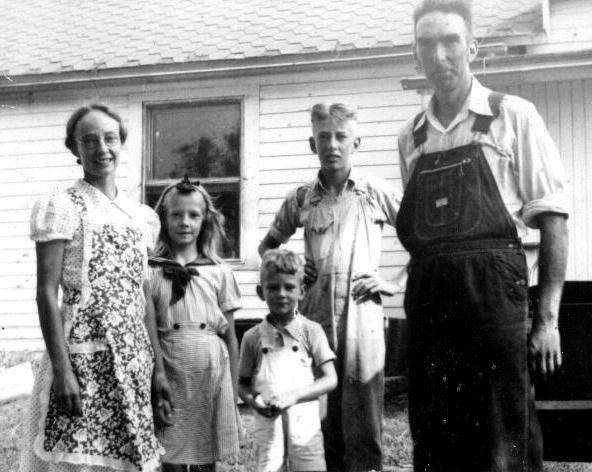
Lorene, Alberta, Ellis, Wilden and Albert Standing
My mother placed great importance on passing on our family history. I have a tape recording of an interview with her and my father. Occasionally I have questions I wish I had asked–too late now.
We all have family stories that happened before we were born. Those should be passed along also. Here is one from my father’s childhood. The crows were a nuisance near my father’s rural farm home. He and his sister spotted a nest in a nearby tree and decided to kill the baby crows. My father climbed the tree, and looked at the baby birds and hollered down “I can’t do it”. She called “Throw them down, I’ll do it.” Down came a baby bird. “Stop” she shouted, “Don’t throw any more.”
Sometimes it may seem the younger generation isn’t interested in the family history or some family heirlooms. It is just not on their radar yet. The day will come when they will truly value you stories and they will be so grateful you passed on the gifts that were given to you.
Family Camping
by Alberta Kisling
The highlight of our summers were camping trips. As we endured the hot, dry summers and every activity resulting in sweat running down our flushed faces and our energy draining as we pulled those icky, tough weeds or pushed and shoved the mower through heavy grass, we could hardly wait to hear the water rushing and bubbling over the rocks in Big Thompson Canyon and breathing the crisp air of Rocky Mountain National Park.
We always had a contest of who could see the mountains first – a great help as we restlessly endured the hot, barren prairie of Nebraska. As we drove into Estes Park the kids began to chatter and jump up and down. “There are the go carts, there is the amphitheater, hope we can get a camp spot in Moraine Park”! Soon we can hear the groans and moans as Dad drove around and around searching for the perfect spot. “Randy, you go sit on that picnic table to hold this spot as we look for a better one.” We would eventually return to pick up several disgruntled kids and begin the process of setting up camp. The children worked quickly so they could explore our area and climb the rocks. Eventually Burt and I would stretch out in our lawn chairs gazing in awe and wonder at Longs Peak and smelling the beautiful pine trees. Ground squirrels scurried around hoping for a tossed peanut and we smiled and sighed – it was worth the long, long trip, packing, aching heads and back.
Supper was simple but typical camp food. The most wonderful smell as the bon fire began to burn brightly. Where are our sticks – finally found them and then the smell of hot dogs roasting and sizzling and the little blazes as the marshmallows catch fire. There are homemade cookies loaded with chocolate chips and brownies. The smores are sticky and sweet and of course called for more.
Soon we join our fellow campers trudging along the gravel path to the amphitheater The Ranger is friendly and tells us fascinating stories of the area. We smell popcorn as we plod happily home but we are cold!! Everyone hurries to climb into the warm sleeping bags. “Ok Mom, you were reading ‘Hans Brinker and the Silver Skates – Remember?”
We feel so close to God under the starry sky, so thankful for our safe travels, healthy family, and for Beautiful, Beautiful Colorado!!!
Some Remarkable Quaker Women
by Alberta Kisling
Deborah Standing
While I didn’t know my Great Grandmother, many stories have been passed along. To leave her home in civilized England and travel with her husband and five sons to a strange, new pioneer land surely took enormous courage! There was no electricity, no running water, mud roads—a very primitive life. Each Standing reunion we do a choral reading written by Martha Foster that describes her and her husband going to meeting with a horse and buggy with five sons dressed in white shirts and bow ties. She was blessed with a kind, considerate husband who helped around the house. For example, pumping the water from the well and carrying it into the house to heat it for doing the laundry. Her husband Charles was a gifted Quaker minister. The Standings wanted a good education for their children and supported the Bear Creek School and later, Scattergood School. Several brothers married Nicholson sisters and both families had many artists, writers, and poets.
Eva Delitha Heald Stanley
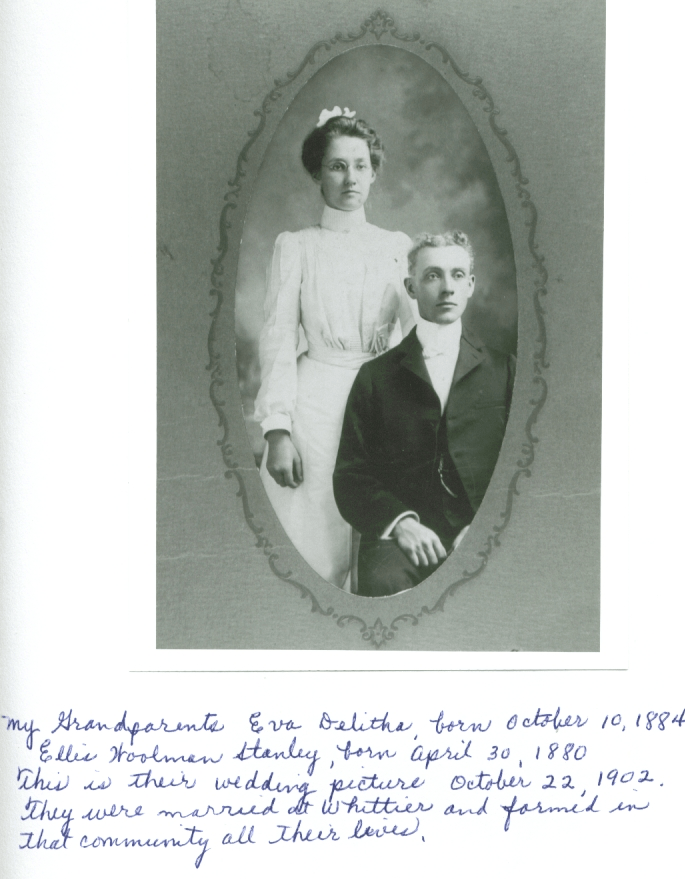
Eva contracted tuberculosis as a young bride. Ellis, her husband, took her to several doctors in Cedar Rapids and they all said there was no cure and she would die. In the little Quaker village in Whittier, Iowa, there was a homeopathic doctor. Dr. Ross came by horse and buggy several times a day and her remedies cured Grandma Eva. Grandma studied the different remedies and relied on homeopathic medicine the rest of her life. She taught her children and Grandchildren how to use the remedies, also. She and Grandpa had five daughters—Lorene, Irma, Hazel, Wilma and Clyda. She always helped milk the cows, raised lots of chickens, had a big garden, and canned a lot of food. She was known for her beautiful flowers, her good cooking, and her friendly hospitality. Grandpa didn’t believe in commercial fertilizer. He built up his soil with manure and rock phosphate. Grandpa ground the wheat they raised and Grandma baked her own bread. She also sold extra to neighbors and to the Health Store in Cedar Rapids.
She and Grandpa got up very early to chore, followed by a big breakfast. The breakfast dishes were left on the table and they retired to the parlor for Bible Reading every day.
There were few nursing homes in her day, and she took care of a number of elderly relatives in their final days.
Amy Lorene Stanley Standing
The oldest daughter of Ellis and Eva Stanley, she was raised on their farm near Whittier, Iowa. As the oldest of five girls she was the outdoor girl. She loved working outside, helping chore, working in the garden—fixing things. She wasn’t fond of cooking and inside jobs. She attended Scattergood School where she met her future husband, Albert Standing, and graduated from Olney Boarding School. She attended teacher training at William Penn College and taught school at Whittier. After their marriage she and Albert farmed at Whittier and Earlham. They had a hard life during the depression with little money and three children, Wilden, Alberta, and Ellis. She was very frugal, recycled whatever could be used. She thought of herself as shy—worked very hard for people who needed help. She could be depended upon, served on many committees but was the worker not the chair who received recognition.
Leanore Goodenow
Leanore was Director of Scattergood School, where I was a student for four years. She was the person who had the most influence on my life. Scattergood gave regular written reports instead of letter grades. While at public school I easily received A’s; at Scattergood the reports were not so good. She always expected more. I learned to work harder, set higher goals, and make better use of my time. We were heavily scheduled and free time was spent “volunteering” at work needed at the school. To this day I feel guilty if I’m wasting time.
Leanore came to Iowa Yearly Meeting when Scattergood had been closed for years. She started it up with a small staff and student body. She was a strong director, frugal, attending to details, excellent at fund raising, and she rebuilt the School—students, staff, and Instruction, Art, Main, and Science Buildings, and Boys Dorm. Her influence on the many students who attended, the faculty, the Committee, and the Yearly Meeting are immeasurable. Burt and I both served on the Committee as did our son Jeff. Our children all attended the school. It continues to be a very important part of the Yearly Meeting.
Some Quaker Mothers of our Organizations
Patricia Newkirk
When she came to William Penn House things really starting looking nice—paint happened, bookcases appeared, things just looked spiffy. She was there with a friendly smile and howdy! Never mind that Byron was down below chopping up the old piano and laying carpet half the night. We sure miss Patricia.
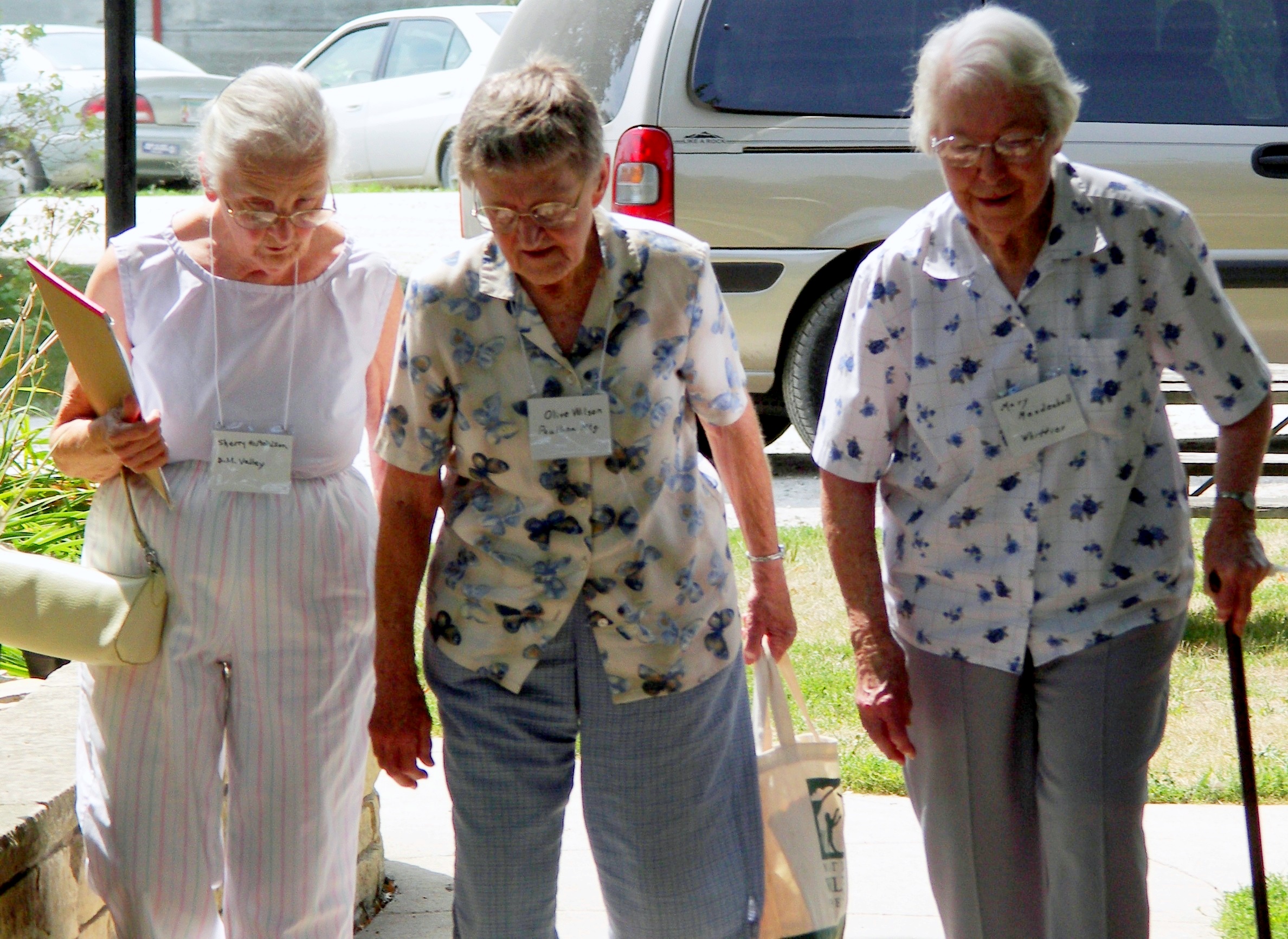
Olive Wilson
Olive was the Clerk of Everything—Mapleside Meeting, Iowa Yearly Meeting, Scattergood School, FCNL—and many other organizations I don’t know about. She edited “Iowa Peace Links”. She wrote her Congressmen endlessly, had letters to the editor printed often—worked and worked and worked some more for peace and justice. Besides that she and Warren raised three children, farmed, and worked for their meeting, community, and projects dear to the hearts. She was an amazing example.
KONICA MINOLTA DIGITAL CAMERA
Kathy Guthrie
When I was on Field Committee for FCNL Kathy was the staff person responsible for Field Committee. She worked for FCNL for many years in many capacities. She knew everyone, kept informed on what was happening, worked smoothly behind the scenes, could suggest people from all over the U.S. who might be able to fill a certain position. She was the one who welcomed you and made you feel a part of the group.
Dear Birdie, I can’t tell you how honored I was to be included in the absolutely wonderful group of Quaker women. To be listed in the same area as Olive Wilson—well, I don’t deserve it, but as I said, I’m extremely honored. I was inspired to add a Quaker mother to your list. I could think of several, Alison Oldham, for one, but decided to go with the first Quaker in my life–my mother’s favorite aunt (and mine as well).
With warm regards,
Kathy
Bessie Benson Gormong
My great aunt, Bessie Benson Gormong, was my introduction to what it was like to be a Quaker. She grew up in rural southern Indiana, 9th in a family of 11 children. She was the only girl to go to college, was a dairy farmer’s wife and partner in running the farm. They were both very involved in Western Yearly Meeting, Bloomingdale Quarter, and she in USFW. They were no doubt the backbones of a tiny country Quaker church, Benson Chapel. Bessie named her daughter for Susan B Anthony, took us to see Lincoln’s home in Springfield, and read and thought about and discussed current events. When I recall how racist and narrow minded my grandmother (her sister) and grandfather were, I think it’s a true miracle that she had such a world view. For a woman born in 1908, she not only was really a believer in equal rights for races, but for accepting differences in sexual orientation. I have always felt that being a Quaker means standing on the shoulders of giants. One of those sets of shoulders is my beloved aunt.
Kathy Guthrie
Bonfires
by Alberta Kisling
Often as we walk along in the fall we see a whiff of smoke and soon the nostalgic odor of burning leaves overwhelms our senses. What wonderful memories!!
We remember coming home on the school bus and entering the kitchen to the sight of our mother canning tomatoes. After a warm cup of tomato juice, butter and crackers, we hurry out to rake up leaves. Running and jumping into piles of leaves used some of our excess energy, and later lighting a fire helped ward off the chilly breeze.
Bonfires were central to our camping memories. After attending the Ranger’s program in the amphitheater, we would gather around the fire and enjoy a cup of hot chocolate and make some smores.
Various gatherings of your groups usually had a time of singing around the campfire. We loved those old camp songs, we loved the fellowship and sharing with our friends and the burning embers as the fire died down etched the blessing of time, friends, sharing in our memory.
Bear Creek Meeting has been the location of many bonfires. Often while cleaning the meetinghouse for a large occasion, we would gather around the fire—tired, dirty, planning for a special event. Other times our Standing family reunion was held there and we would gather in the evening for stories, singing, and, or course, smores.
There was no central heating in our childhood home. Different kinds of fires burned there—a quick summer fire in the cook stove was usually corn cobs, fires to heat in the cold winter months were usually wood and coal, each with a distinctive odor. On cold winter mornings we listened for the sounds of fire building and would race across cold floors to sit on the warm oven door of the cook stove.
Interesting how different odors bring forth certain memories. After hot, dry days a soft rain brings forth the sweet, moist smell of grass. Bacon frying, breakfast on the farm, coffee, chatting with friends or family around the kitchen table, chocolate cake—anticipation of dessert—maybe company coming—bread baking—so, so special the ultimate heartwarming food of the fortunate family where food sustains not only the body but the Spirit of Love which surrounds the gathering together as friends.
Eva D. Stanley
by Alberta Kisling
2/17/1944
I think everywhere there are those factions to contend with. Some want to be at the head of everything and often those are the least desirable, and the ones that might do better are shy, afraid to say what they think, so are just still and let the others ride over them and carry on. It is just that lack of true Christian principles and kindly loving care that has broken up so many meetings, and scattered the sheep. If we all could strive harder, and try faithfully to do our part, and in a kindly way say what we feel to be right, our meetings would have more life and we would be guided by our Heavenly Father to do and say what we are required to, be it ever so little. We all need to walk closer to God that he may guide us, otherwise our efforts are in vain. Maybe it is your place to talk plainly to …, in a kindly way. Maybe they do not realize just where they are and what doing.
Eva D Stanley
Albert and Lorene Standing
by Alberta Kisling
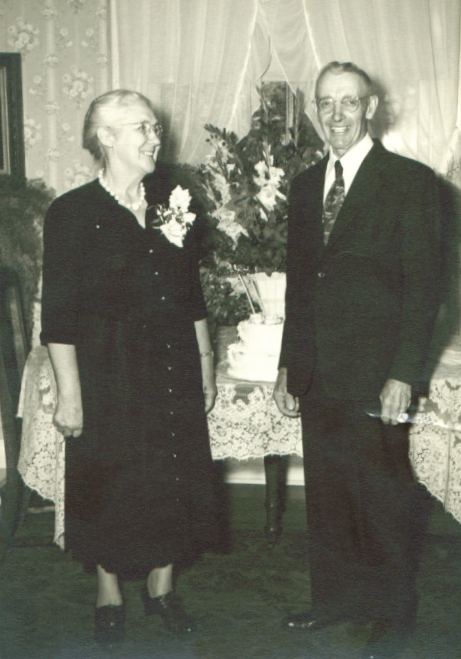
My Mother Lorene Stanley Standing was born on a farm near Whittier, Iowa. She attended Scattergood and Olney Boarding Schools. She taught school in Whittier for several years before she married. My Father, Albert Standing was born on a farm near Earlham, Iowa and was raised in the Bear Creek neighborhood. He attended Scattergood where he met my Mom. They were married in 1926 and were financially impacted by the great depression. Their neighbors lost their jobs so Mom and Dad gave them milk from their cows green beans from their garden and oatmeal. This was very typical of how they lived their lives. Many, many times they would help people who were having problems. They never received or wanted recognition. They worked hard, lived simply and cared for those who needed help.
After Dad died we took Mom on a trip to Colorado. We had never heard of altitude sickness and drove this 90+ year old lady up the mountains to Rocky Mountain National Park. The next morning she came out of the bedroom and said “I’m sick” She was a great believer in Homeopathic Medicine and always carried some with her. “What medicine do you need” I asked “I need Tylenol” “Have you ever taken Tylenol? I asked” ”No but I need it now.”
They were faithful Quakers all their lives, serving on committees, caretakers of the Whittier Community Building for years after they retired and Dad mowed the Cemetery for years. They both took care of Grandma.
There was a family in Whittier – a member of the community said it was a sad day for Whittier when they moved here. Mom did not agree, she had her name on the list to be called if any of their children got sick at school – she would go get them. She taught the girls to cook and sew. They gave the family food when the father was unemployed.
This is what young Jeff Kisling said at his Grandmother Lorene’s Memorial Service “We don’t know what happens after we die, but one aspect of life after death we do know about is the influence of someone like Lorene and Albert continues to exert on the lives of those who know and loved them. Not only do memories of them continue to comfort us, but what they said, how they lived, things they did with us and for us remain with us always.”
Mom’s birthday 2012
Friends Committee on National Legislation (FCNL)
Mom and Dad were deeply involved in the work of FCNL for most of their lives. Dad was instrumental in collecting money for the construction of the FCNL offices in Washington, DC. They pulled me into this work, too. I’m glad I was attending the FCNL Anual Meeting as a member of the General Committee in 2012, when they were honored by Executive Secretary, Joe Volk. (They were both extremely embarrassed by the attention).
The Policy Committee of the Friends Committee on National Legislation (FCNL) is asking Quaker meetings for input for a statement about reproductive justice and abortion.
In the interest of time, I have not yet converted this to a blog post. You should be able to read and/or download “Quakers, Abortion, and the White Christian Problem” using the link below. We plan to discuss this at my Quaker meeting this weekend.
I began collecting various statements about abortion from my Yearly Meeting. Reproductive justice has always been a concern of Indigenous people in this country, so I also included some writings from my Indigenous friends. As can be seen in this document, young people, and especially my Indigenous friends see abortion as a problem of White Christians. I’m wondering what my White Quaker Friends think about that. Does that change how White Friends think and act about reproductive justice? Isn’t this an opportunity to build community amongst all of us?
DISCLAIMER: I am the author of this, and it is not an official publication of any group or organization.
Every two years the Friends Commitee on National Legislation (FCNL) distributes questions to ask which legislative policies Quaker meetings and churches support. All of these are collected, and FCNL’s Policy Committee distills those responses into the legislative priorities that will determine what issues FCNL’s lobbyists will focus on as they work with Congress.
After the Supreme Court’s ruling in Dobbs v. Jackson Women’s Health Organization, overturning Roe v. Wade, the Policy Committee of FCNL’s General Committee heard concern from Friends around the country about FCNL’s lack of position on the issue of abortion.
FCNL’s Policy Committee is seeking the help of Friends in discerning what FCNL should say about reproductive health care in its policy statement.
“Friends seek to establish a way of being in the world that grows out of and embodies prayer, worshipful listening for the whisper of divine guidance, and seasoning in the community of faith.”
FCNL’s Policy Statement, The World We Seek, serves as our foundational document, outlining FCNL’s broad policy positions.
The statement currently reads:
III.2.6: Health Care. Universal access to affordable, effective, comprehensive health care is a right and is necessary to allow all people to fulfill their potential. Comprehensive health care includes primary, acute, and long-term care, including prescription drugs, as well as mental health and substance abuse treatment. To ensure access, health services should be provided where an individual’s needs can best be met. Our country can only maintain and improve the physical and mental health of its population with affordable health care that covers the entire life span, from prenatal to end-of-life care. Public health services, which protect us all, require robust federal support.
III.2.7. NOTE: Members of the Society of Friends are not in unity on abortion issues. Therefore, FCNL takes no position and does not act either for or against abortion legislation. On occasion, FCNL may appeal to lawmakers not to use the abortion debate to paralyze action on other legislation.”
FCNL’s Policy Committee invites your Quaker discernment group to focus on the issue of reproductive health care, including abortion, and advise us on whether FCNL should revise our policy statement.
Queries and structure to support discernment:
What does reproductive health care look like in the world that you and your community seek?
How are the Quaker values and testimonies relevant to the issue of abortion?
Should the FCNL Policy Statement be revised on the issues of abortion and reproductive health and abortion?
Whether you are gathering in person, online, or in a hybrid format, we hope that your discernment will be spiritually grounded and a result of group conversations. These discussions may take many forms, including discernment by a committee, an informal group, or a First Day discussion topic. Some meetings or churches may adopt a minute expressing the sense of their group, although this is not a requirement.
You may want to prepare for discernment by reading the pamphlet, A Guide to Dialogue About Abortion. Tools such as this can help your conversation honor the complexity and urgency surrounding this topic.
To allow for the inclusion of a diversity of voices, we hope you will include people of different ages, backgrounds, and lived experiences in your discernment. Please identify at least one person who will submit your group’s responses.
Supporting Friends’ Discernment on Reproductive Health
FCNL’s Policy Committee has invited Friends to listen deeply in their communities around issues of reproductive health care, including abortion. Friends are invited to share the results of their discernment and to offer guidance on what FCNL should say about these issues in its policy statement.
Friends hold complex and nuanced perspectives on these topics. Sometimes, conversations about abortion and reproductive health can evoke strong emotions and reactions, forming polarized “sides” that don’t leave room for empathy, compassion, and understanding. How can we hold these difficult conversations in ways that prevent harm and support spiritual discernment?
On March 22 at 6:30 p.m. EST, join members of FCNL’s Policy Committee and Friends who are organizing these sessions for perspectives and advice on engaging your Quaker meeting or church in discernment to guide FCNL’s policy going forward.
When you sign up to attend, please share questions and topics you would like addressed. Please note: this event is intended to support people organizing or participating in discernment in their communities. It will not itself be a discernment or listening session.
Speakers
Moderator: Ebby Luvaga, Clerk of FCNL’s Policy Committee
Genie Stowers, Member of FCNL’s Policy Committee
Lauren Brownlee, FCNL’s Associate General Secretary for Community and Culture
ZOOM information
MARCH 22, 2023, 6:30 – 7:30 PM EDT | ONLINE
Join the Zoom video conference online or via telephone. Time: March 22nd, 6:30 p.m. EDT.
Go to: fcnl.org/qwc-stream
Or call: US: +1 301 715 8592. Then enter the Meeting ID: 820 2927 5353# You shouldn’t need this, but just in case: Meeting ID: 820 2927 5353Passcode: 273787 We will send you this information to join the event via email as well. If you do not receive a confirmation email presently, please check your spam folders. Questions? Reach out to Clare Carter (ccarter@fcnl.org).
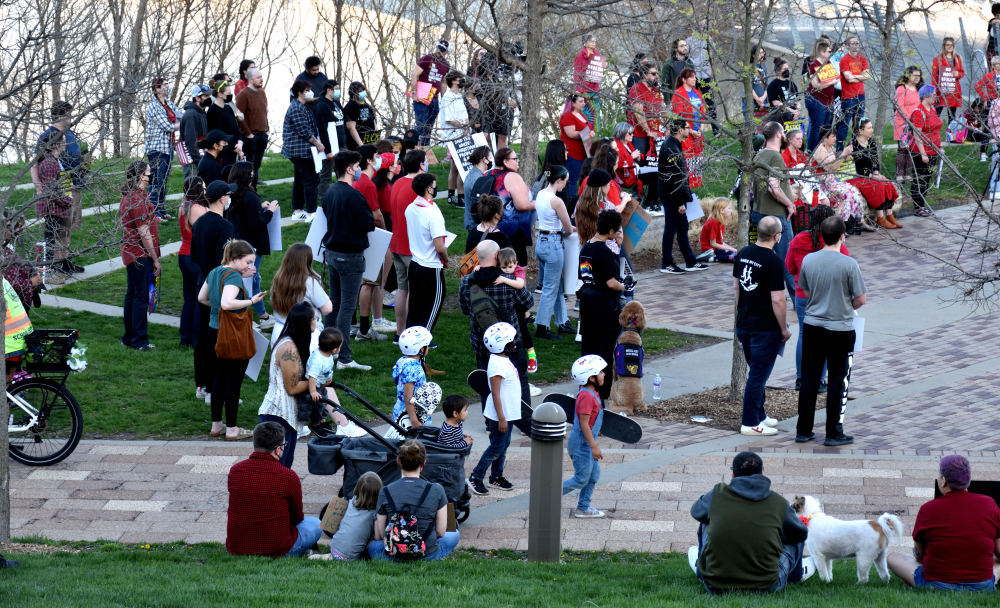
Last May I was honored to attend and take photos at the Rally for Productive Justice for my friends.
The draft to end Roe and Casey was leaked just two days before the National Day of Awareness for Missing and Murdered Relatives (aka, Missing and Murdered Women and Girls). We are honoring this day by uplifting radical solidarity within all communities affected by colonial violence when body sovereignty is stolen from us.
Join our coalition of organizations and grassroots activists for a rally to demand abortion access, which plays a huge role in ending the MMIR crisis. Lack of access increases violence and health disparities in BIPOC, Disabled, LGBTQIA+, and Two-Sprit communities. Learn more from speakers and crowd testimony on how this affects these communities and take action on a wider scope than just abortion. We must abolish white supremacist and christian institutions that perpetuate colonial harm to oppress those that don’t fall into their manifest destiny paradigm.
Thank you to the Iowa Coalition Against Domestic Violence for lighting the bridge and amphitheater red on May 5th in honor of MMIR Day of Awareness! The bridge will also be lit red on May 6th for our event!
ASL provided. LiveStreamed to this page.
This event was organized by: – Iowa Coalition for Collective Change – Great Plains Action Society – The Disability Caucus of the Iowa Democratic Party – Iowa CCI – Des Moines BLM – Sierra Club Beyond Coal – Deaf Dome – The Progressive Caucus of the Iowa Democratic Party – Iowa Abortion Access Fund – One Iowa
There is a lot of analysis regarding the war in Ukraine on this one-year anniversary of its beginning.
I have so many questions.
What role did the US and NATO’s increasing militarization of the countries near Russia play?
What about the role of increased sanctions against Russia?
How is it acceptable to pay Ukraine to fight a proxy war for us?
Where will the increasing escalation of armaments the US gives to Ukraine end?
In how many ways does tremendous pressure from arms manufacturers control foreign policy?
Why is the US President suddenly sounding so belligerent? Not only against Russia, but now China?
How can billions upon billions be spent on arming Ukraine at a time when so many in this country and around the world struggle to afford basic necessities?
How can we countenance making so many children orphans?
There are things I do know.
The Spirit is about peace.
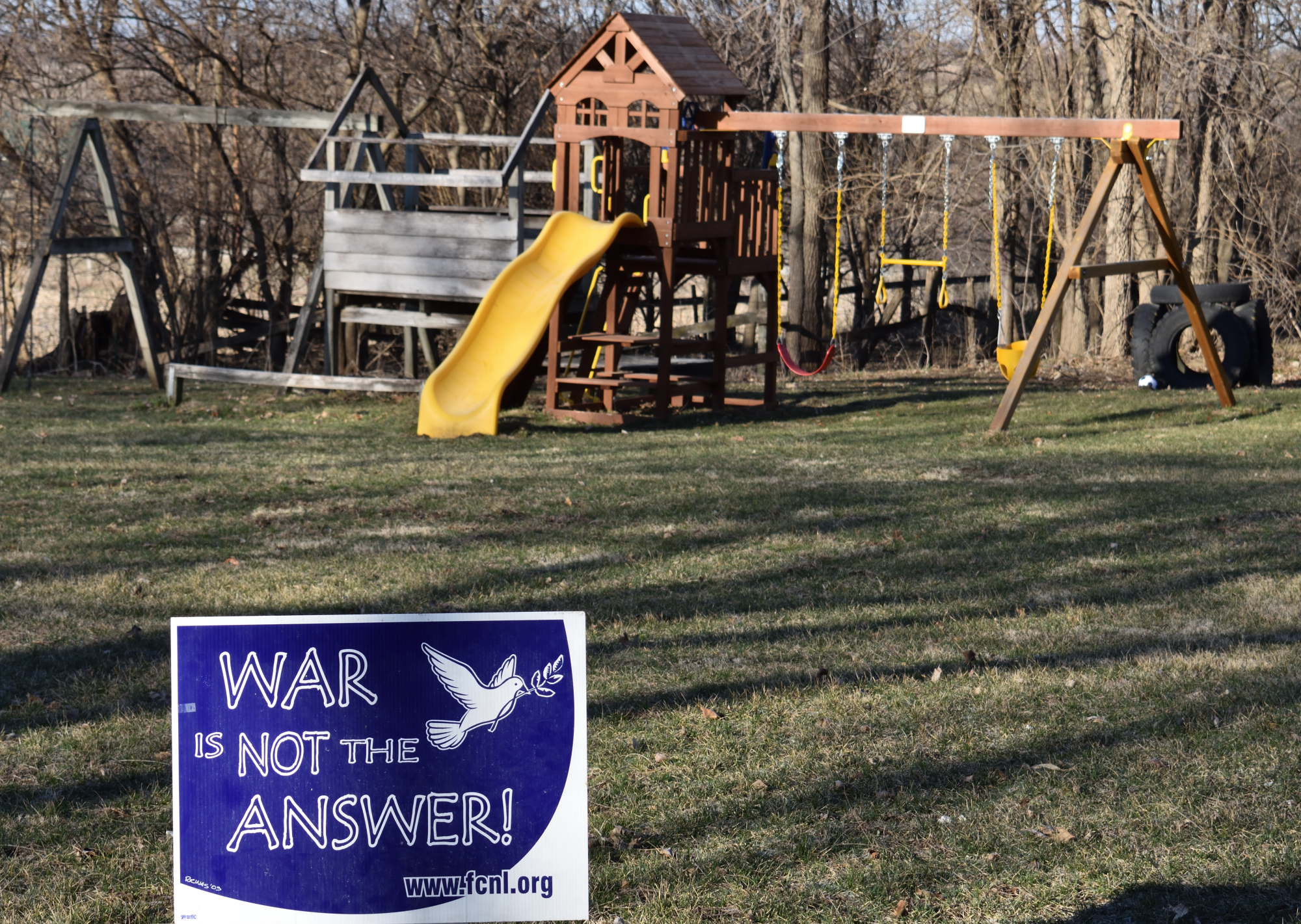
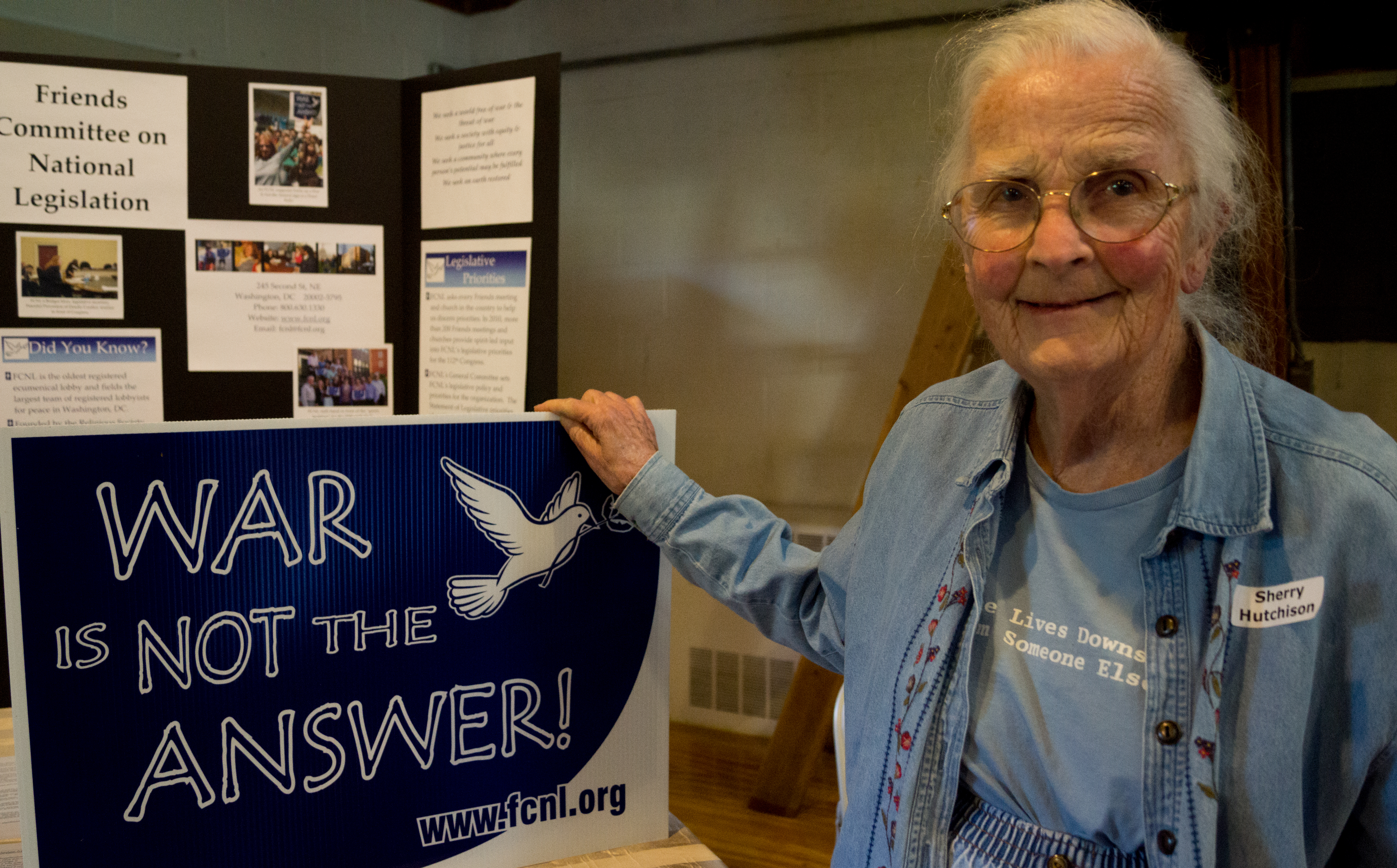
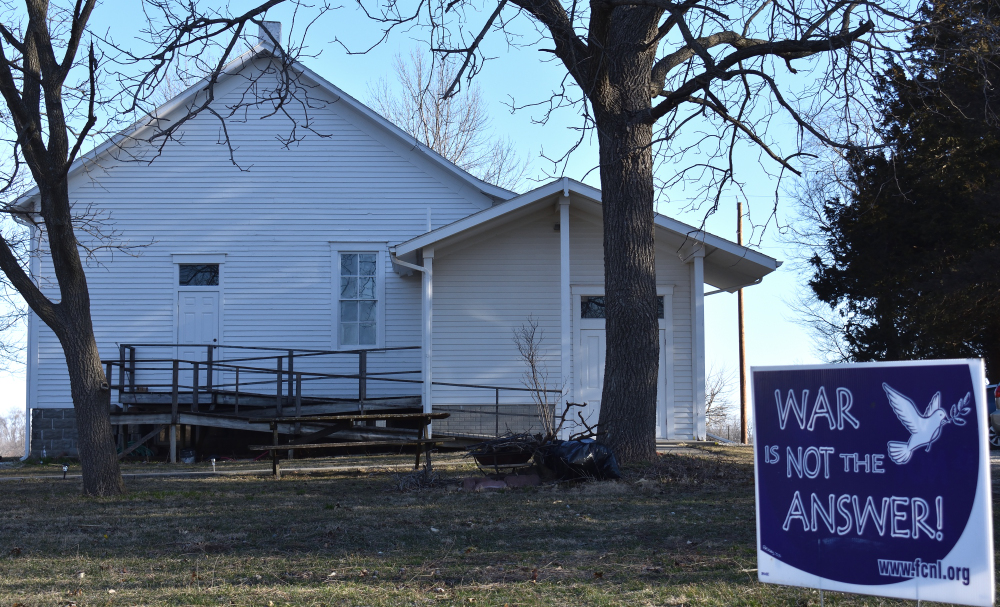
War is Not the Answer.
All military activities must cease, because that is the main source of pollution and greenhouse gas emissions.
The real war, the existential threat, is humanity against Mother Earth.






























 Quakers and Mutual Aid