Justice and Disaster Preparedness

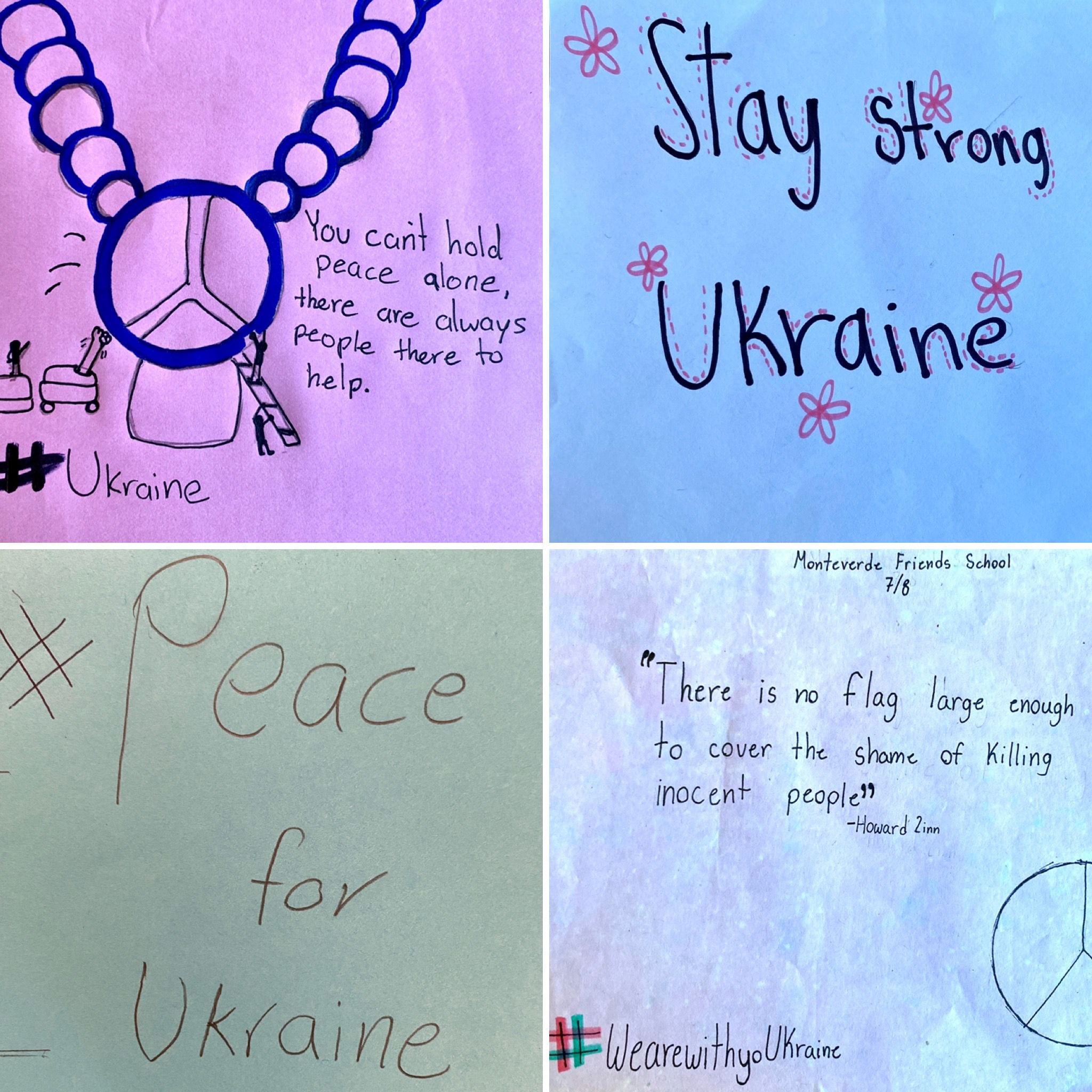
Watching the tragedy of war unfolding in Ukraine makes real the future I fear we are moving into. Are already experiencing in many ways.

Fear not only as a noun, “an unpleasant emotion caused by the belief that someone or something is dangerous”, but also as a verb, “to be afraid of.”

I can’t imagine anyone watching the stories from Ukraine, and not thinking about how tenuous our own lives are. Seeing people’s lives destroyed in an instant. Injury or death of loved ones. Loss of shelter and infrastructure. No water, power, medicines, food, community.

What would we do in a similar situation?

We might find out sooner than we think. We are facing numerous crises ourselves.

  • Environmental chaos
  • Economic collapse
  • Political collapse
  • War
  • Domestic extremism and armed conflict

There have been warnings about these things for decades, with little effect. But now we are seeing everything on that list happening to various degrees. And each negatively impacts the others.

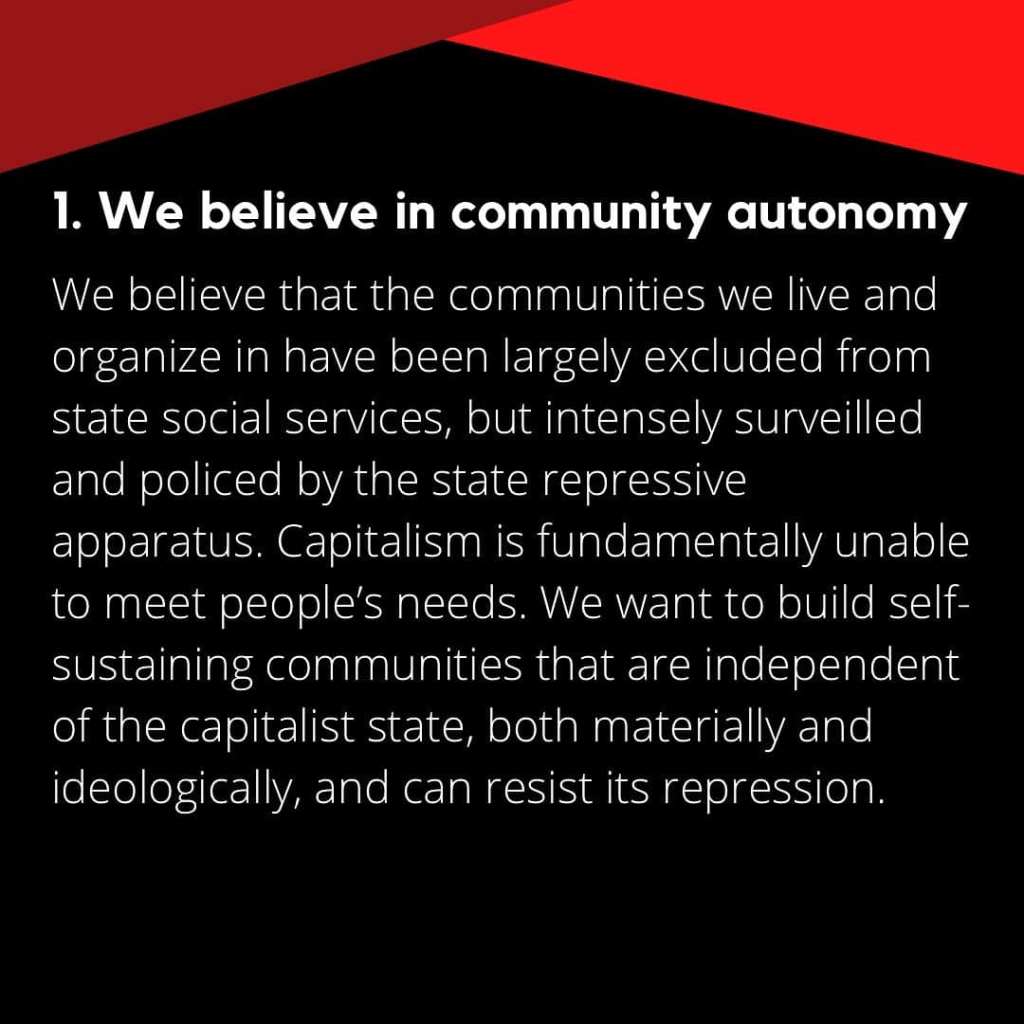
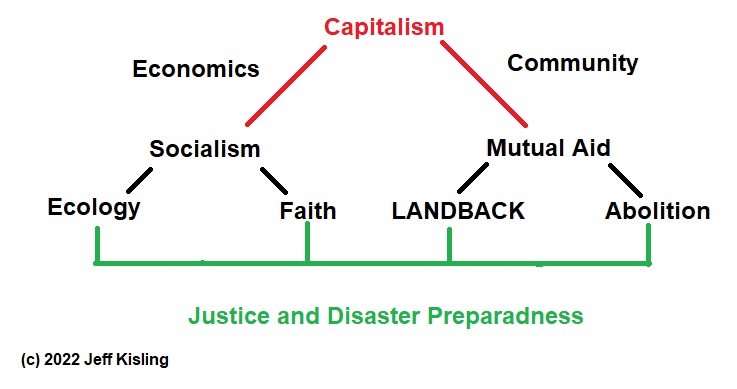
Following is a new diagram I’m working on to show relationships among systems. The reason justice is in today’s title is because so many of our current systems have injustices embedded in them. As we prepare for disasters, not addressing injustice would mean:

  • Not benefiting from the wisdom and skills of those we don’t have relationships with now. Because of the mistrust between us.
  • Bringing these injustices and conflicts into the disaster relief communities.
We have three choices:

  • We can just react to what is coming at us. Go into survival mode.
  • We can prepare for disaster locally.
  • We can work for justice as part of disaster preparedness.

Descriptions of the systems in the diagram: ecosocialism, LANDBACK, abolition and Mutual Aid follow.

I believe faith is an important part of this. This morning I thought faith was going to be the subject, but found this background needed to be covered first.

Ecosocialism

Ecosocialism brings together two complementary ways of thinking about humans and the environment they live in. The “eco-” in ecosocialism comes from the science of ecology and its emphasis on the complex and dynamic interactions among the living and non-living components within an ecosystem. In particular ecologists understand how the life-supporting functions within an ecosystem can be disrupted by the behavior of one organism, for example, humans.

But ecology lacks a social analysis; it has no way of understanding how economic and political forces drive human behavior and social change.

Ecosocialists start with the premise that environmental degradation and social injustice stem from the same source: a world where profit is the highest goal. We believe that the emancipation of people from capital and its masters goes hand-in-hand with the emancipation of the earth and its biosphere from the cancer of capitalism.

What is ecosocialism? System Change Not Climate Change

LANDBACK

  • It is a relationship with Mother Earth that is symbiotic and just, where we have reclaimed stewardship. 
  • It is bringing our People with us as we move towards liberation and embodied sovereignty through an organizing, political and narrative framework. 
  • It is a catalyst for current generation organizers and centers the voices of those who represent our future. 
  • It is recognizing that our struggle is interconnected with the struggles of all oppressed Peoples.
  • It is a future where Black reparations and Indigenous LANDBACK co-exist. Where BIPOC collective liberation is at the core. 
  • It is acknowledging that only when Mother Earth is well, can we, her children, be well. 
  • It is our belonging to the land – because – we are the land. 
  • We are LANDBACK!

LANDBACK

Abolition

The criminal justice system is violent and harmful: The UK’s prison population has risen by 90% in the last two decades, bringing the number to over 90,000. At the time of writing we are 156 days into 2018 and already we have seen at least 129 deaths in prison, immigration detention centres and at the hands of the police. As the effects of neoliberalism and austerity deepen each day, increasing numbers of people find themselves made disposable by our economic system and structural inequality, targeted by the agencies of the criminal justice system simply for being homeless, experiencing poor mental health or being born in a different country.

The criminal justice system does not reduce social harm: Policing, courts and the prison system are presented to us by politicians and the media as solutions to social problems. Yet, as the prison population has soared, we have continued to seen violence and harm in our society on a massive scale. Violence against women and girls is endemic, racism and the far right are on the rise in Britain and rates of murder and violent assaults are beginning to increase again. As politicians continue to scapegoat those with the least power in society, the conditions of structural violence that so often precede interpersonal violence remain in place.

We can build a world based on social justice, not criminal justice: All over the world, communities are coming together to build real solutions to societal problems. These solutions lie outside of the criminal justice system, in preventing harm through building a better society. By bringing together groups and organisations working for social justice, we want to demonstrate and strengthen the links between prison abolition and wider struggles for housing, health, education, and environment; and for economic, racial, gender, sexual and disability justice.

Abolitionist Futures

Mutual Aid

Fog of War

I’m horrified by all the consequences of the Russian invasion of Ukraine.

There are many aspects beyond the actual fighting that I’m having trouble understanding or believing. Not much of which is being covered in the mainstream media. Vitally important issues that should inform decisions being made now, and in the future.

This confusion has been expressed as the fog of war.

The fog of war is the uncertainty in situational awareness experienced by participants in military operations. The term seeks to capture the uncertainty regarding one’s own capability, adversary capability, and adversary intent during an engagement, operation, or campaign.

Fog of War. Wikipedia

Access to fossil fuel sources has been and will continue to be a major part of all wars and conflicts.

It is past time to stop fossil fuel emissions. That is the existential global threat. Nothing else will matter as our environmental catastrophe rapidly worsens.

And yet what is informing political decisions in this country is the impact on gas prices. Capitalism.

Releasing strategic oil reserves is an example of the kind of decisions being made now that are absolutely wrong. Burning fossil fuels is indefensible as our environmental catastrophe accelerates. But that hasn’t slowed down fossil fuel emissions, yet.

As Jade Begay says, the current conflict will drive up domestic oil and gas development.

This makes it clear that not only are oil and gas used to carry out war but are also a root cause for exponential climate change. Second, as an organizer who is actively working to shut down fossil fuel infrastructure, I am hyper aware that this conflict will potentially drive up domestic oil and gas development, onshore and offshore gas leasing, and/or potentially roll back recent wins when it comes to fossil fuels, thus contributing to an increase in carbon emissions. Finally, I’d be remiss to not mention the impact that militaries have on the climate, when it comes to the U.S., our military is the single largest institutional polluter in the world, which creates more greenhouse emissions than 140 other countries.

Jade Begay. Climate justice campaign director for the NDN Collective, said Russia’s oil and gas money allowed it to pay for the invasion, according to an article in Indian Country Today.

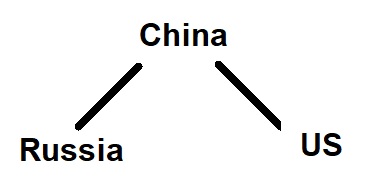
There is this triangle between Russia, China and the US, where China buys Russian oil for its economy. And the US buys products from China. Which means Russian profits come indirectly from the US economy. Which means the US is helping to financing the war in Ukraine.

Another part of the fog of war is a strengthening relationship between Russia and China.

Releasing strategic oil reserves is an example of the kind of decisions being made now that are absolutely wrong. Burning fossil fuels is indefensible as our environmental catastrophe accelerates.

Indigenous communities have a unique perspective on Ukraine’s tragic and horrific situation. They understand what it’s like to be invaded by a colonial power. They see the war not only as an attack on human rights, but an attack on Mother Earth.

Indigenous leaders speak out on Russia’s Ukraine invasion, Healing Minnesota Stories, March 3, 2022

Is what is happening in the Arctic another part of the fog of war? Indigenous people above the Arctic Circle are wary of what Russia’s attacks foreshadow, according to the Indian Country Today article Monitoring the Arctic in Russian invasion of Ukraine.


Split Screen

I’m trying to sort out confused feelings about war and peace through a split screen of foreign versus domestic.

I was caught off guard by the Russian invasion of Ukraine. It was unrealistic to think there wouldn’t be another war between nations anytime soon.

But we haven’t had peace in this country, either.

I had forgotten Martin Luther King, Jr, was outside a California prison, which was holding Vietnam War protesters when he said, “there can be no justice without peace, and there can be no peace without justice.” December 14, 1967.

So, there is this dichotomy of war between nations versus domestic injustices. Domestic injustices mean there is no peace here.

This quote from Muhammad Ali relates to this.

Under no conditions do we take part in war and take the lives of other humans.

It is in the light of my consciousness as a Muslim minister and my own personal convictions that I take my stand in rejecting the call to be inducted. I do so with the full realization of its implications. I have searched my conscience.

Man, I ain’t got no quarrel with them Vietcong…they never called me ______.

Muhammad Ali

I’ve been blessed to have become part of numerous oppressed communities in this country. Where there are so many injustices. Where there is so much violence, much of it state sanctioned.

The scenes and stories from Ukraine are devastating to see. And while it is good to see the response of so many who want to help, I wish there were similar responses to our own domestic tragedies.

A friend this morning tells me others have noted similar disparities in the response to the plight of Palestinians. He said, “Once again I am reminded of how ‘White’ my thinking is.”

And there are the dispiriting stories of racial discrimination in support among the Ukrainian refugees.

My experiences with Mutual Aid have convinced me that is a way to peace.


The recent past shows us that mutual aid is not only a tool of survival, but also a tool of revolution.

Ronnie James

The first, and possibly the most important, is that it was not always this way, which proves it does not have to stay this way. 

What we have is each other. We can and need to take care of each other. We may have limited power on the political stage, a stage they built, but we have the power of numbers.

Those numbers represent unlimited amounts of talents and skills each community can utilize to replace the systems that fail us.  The recent past shows us that mutual aid is not only a tool of survival, but also a tool of revolution. The more we take care of each other, the less they can fracture a community with their ways of war. Organized groups like The American Indian Movement and the Black Panther Party for Self Defense showed that we can build not only aggressive security forces for our communities, but they also built many programs that directly responded to the general wellbeing of their communities. This tradition began long before them and continues to this day. Look into the Zapatistas in Southern so-called Mexico for a current and effective example.

Ronnie James, The Police State and Why We Must Resist

Carbon pipeline opposition

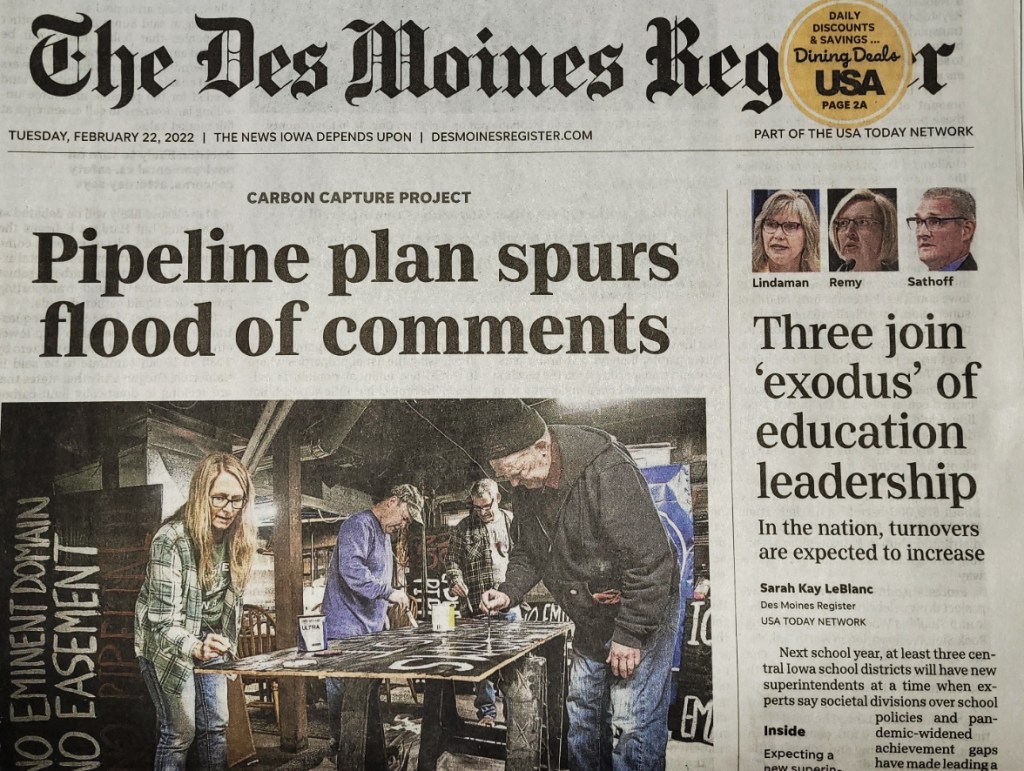
WOW. This is the front page of today’s Des Moines Register and part of that story can be found below.

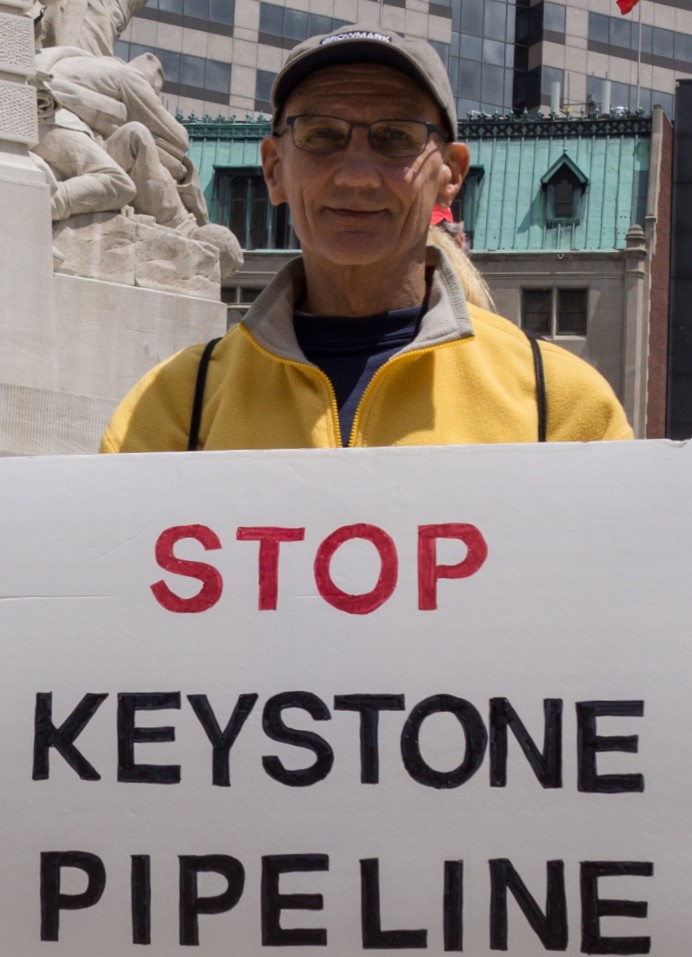
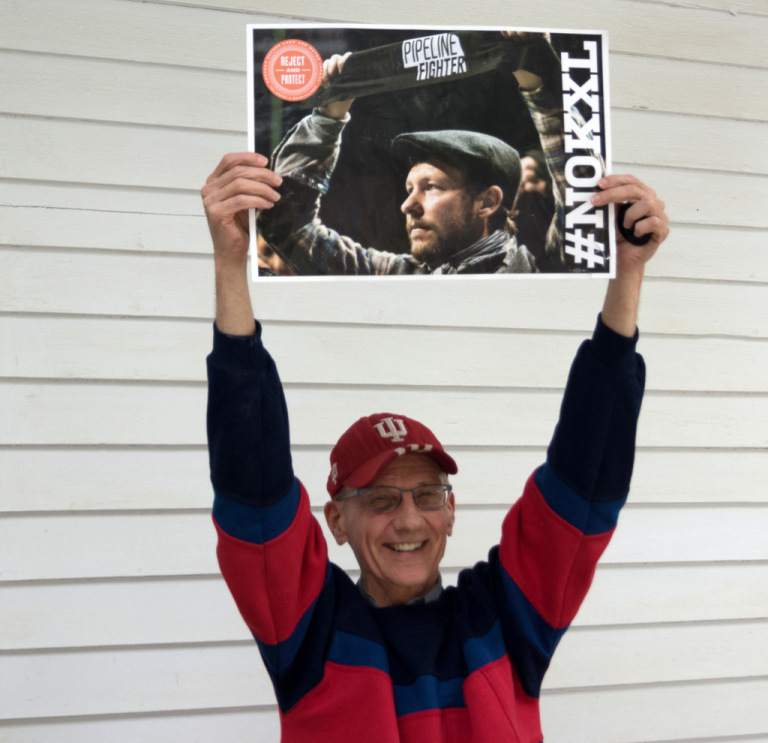
After years of resisting pipelines, beginning in 2013 with the Keystone Pledge of Resistance, I am cautiously optimistic we might stop these carbon pipelines. Clearly there is much more attention paid to, and resistance from large numbers of people. Landowners suffered in many ways from being forced by the abuse of eminent domain for construction of the Dakota Access pipeline. Now they know and won’t easily allow this to happen again.

There are a lot of pieces to learn about these new concepts, including different ways the carbon dioxide (CO2) that is captured is used. My friends Rodger Ruth and Mahmud Fitil have an excellent discussion about these pipelines in the video at the end of this.

One of the unique and extreme dangers of these new CO2 pipelines is what happens when the CO2 leaks. The carbon in these pipelines is under high pressure. When there is a rupture there is an explosion and then the rapid release of vast amounts of carbon dioxide, which displaces oxygen in the air. People and other living beings immediately become disorientated. Nonelectric vehicles stop working because there is not enough oxygen to burn the gas in the engines. The deaths of large numbers of people could occur if such a rupture happened in a highly populated area. First responders become disoriented as well. This video is about a carbon explosion that occurred in Satartia, Mississippi, in 2020. https://www.facebook.com/FWWIA/videos/6717059531697606

Sequestration (CCS) involves shipping the captured carbon, hence the need for the pipelines, to areas where there are rock formations to inject the carbon into. This is an unproven idea and many of us are skeptical that carbon won’t escape.

Even worse is the use of recovering fuel by injecting the carbon into diffuse pockets underground, to force the oil to the surface the same way water is injected for fracking.

It really is tortured logic to say CO2 is being removed from the atmosphere to decrease greenhouse gas concentrations, and then use that CO2 to extract more oil to burn, adding MORE greenhouse gases.

Many groups of my friends are working to stop these pipelines, including the Great Plains Action Society and Iowa Carbon Pipeline Resistance Coalition. Other articles I’ve written https://quakersandreligioussocialism.com/?s=carbon

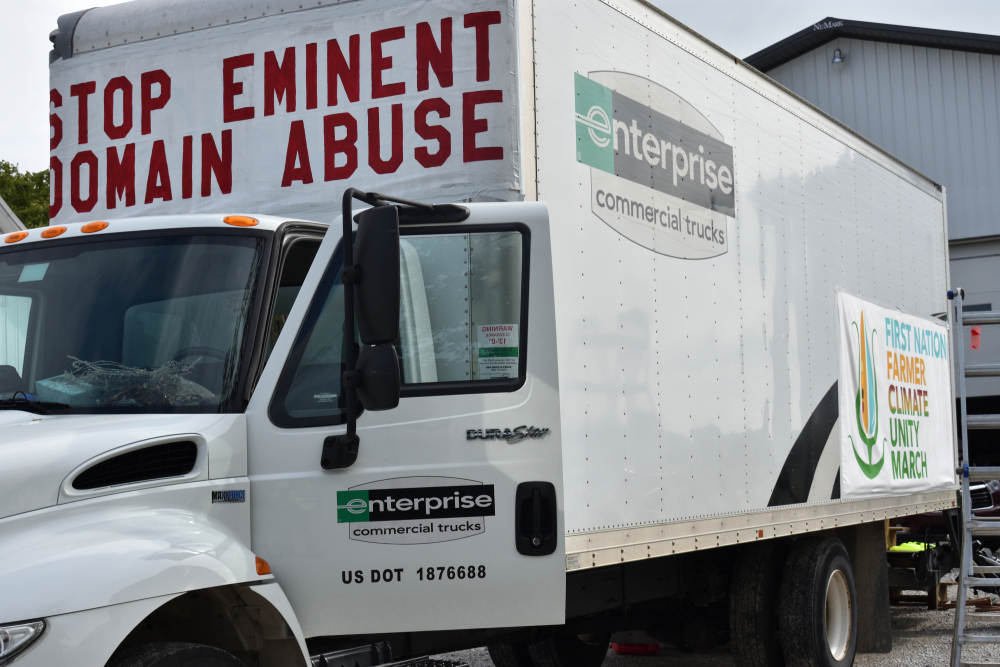
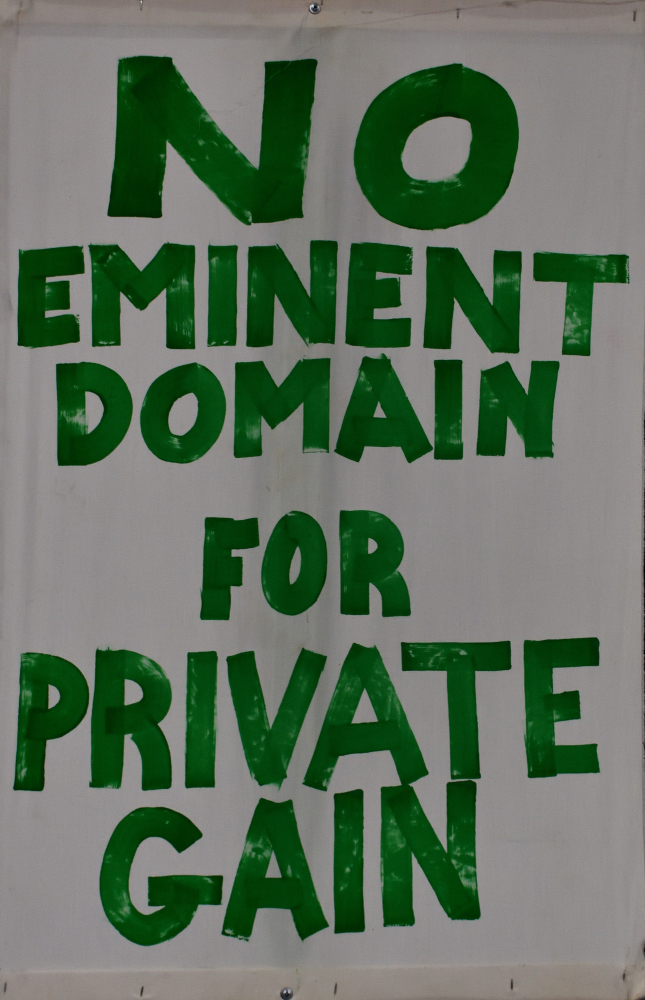
One part of this resistance is to challenge the abuse of eminent domain to force landowners to allow pipeline construction.

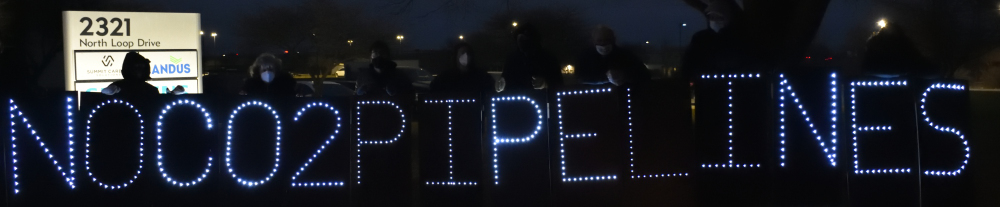
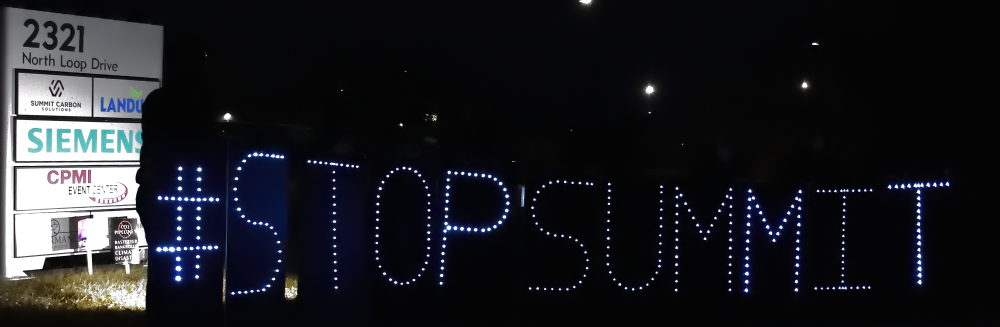
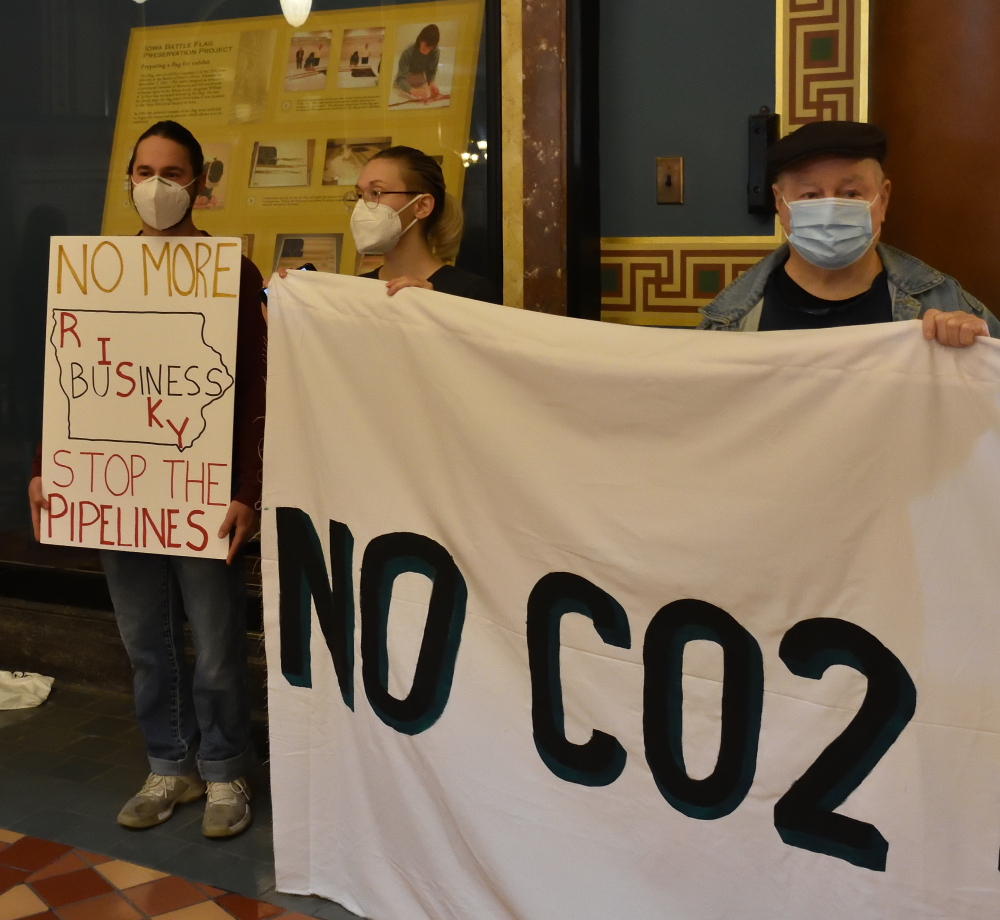
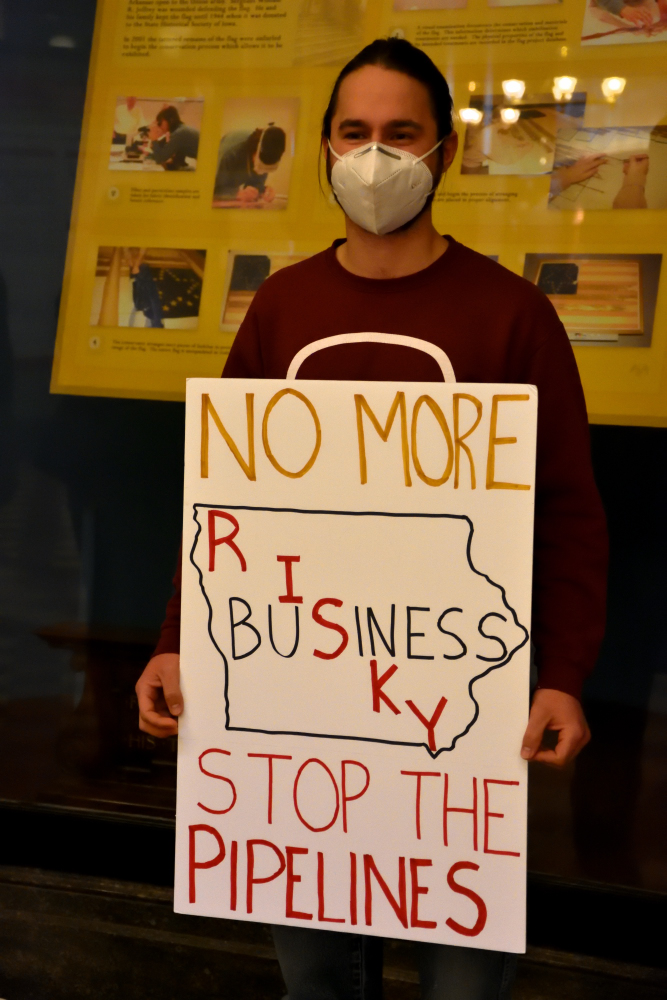
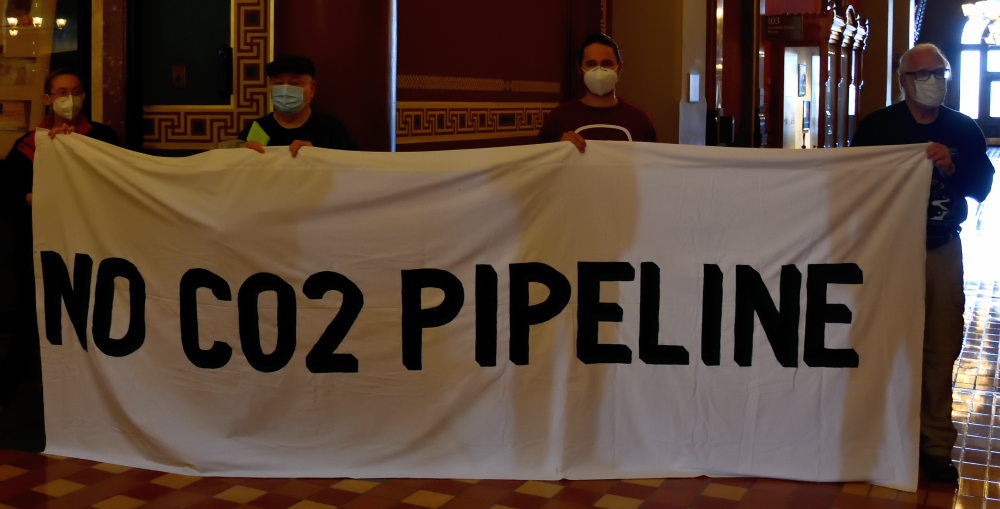
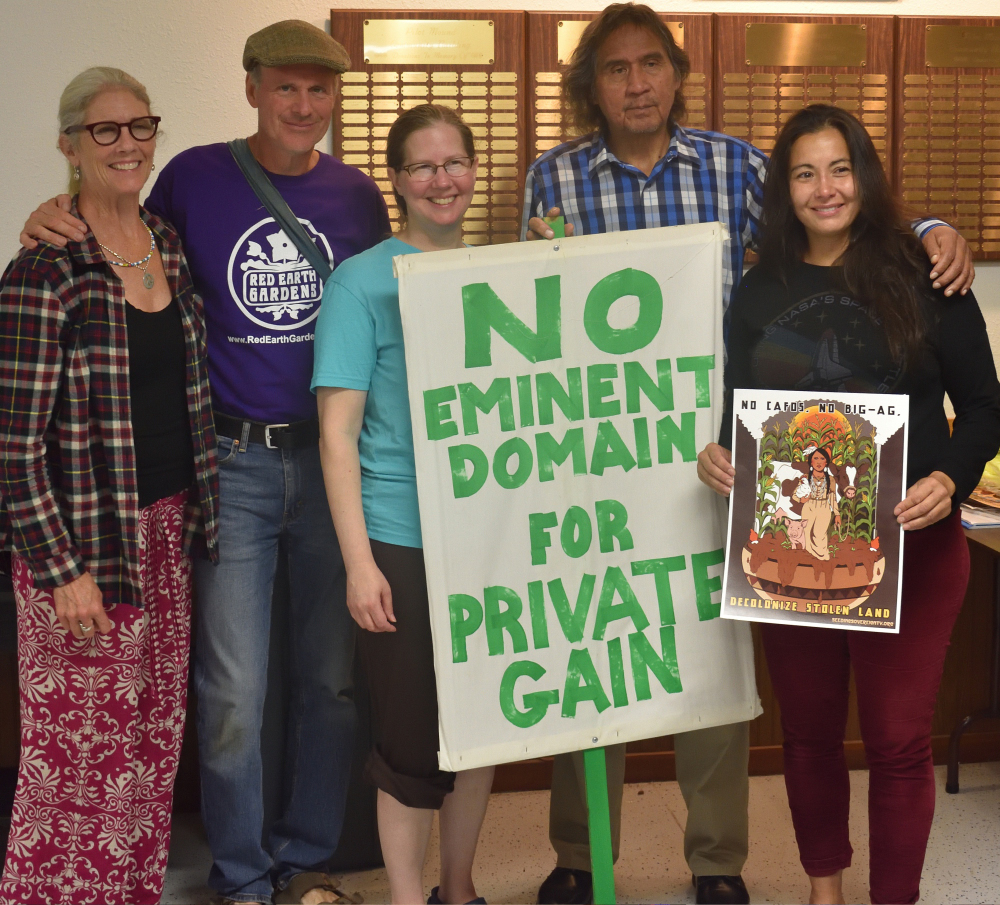
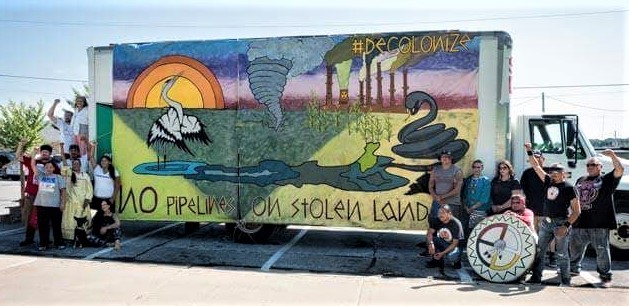
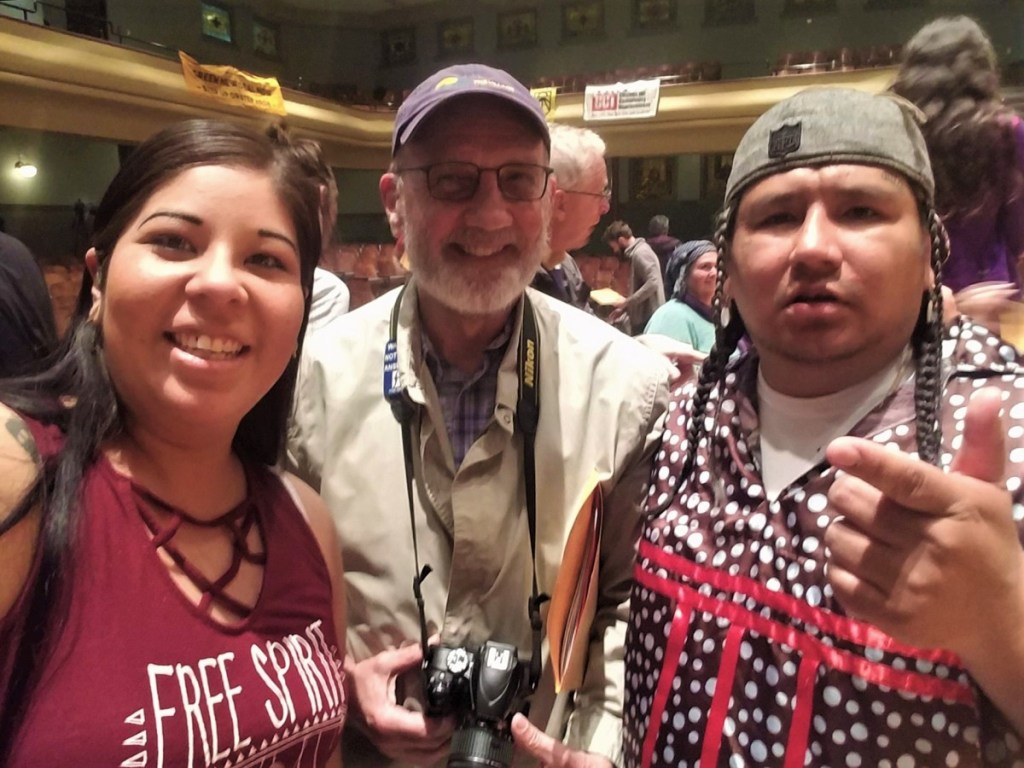
Following are some photos from various events to call attention to carbon pipelines and why they should not be built.

These are from an event by my friends Sikowis Nobiss and Mahmud Fitil at the headquarters of Summit Carbon Solutions in Ames, Iowa, one of the companies involved in CO2 pipeline construction.

Yesterday some people from the Catholic Worker House(s) held this banner and talked with people at the Iowa State Capitol.

The first carbon capture pipeline proposal to make its way to Iowa regulators is drawing more early opposition in the state than the Dakota Access crude oil pipeline, which grabbed national attention in 2016 and 2017, when Hollywood stars joined Native Americans in monthslong protests.

So far, Summit Carbon Solutions’ proposal to build a $4.5 billion carbon capture pipeline in Iowa has drawn 750 comments, according to Don Tormey, the Iowa Utilities Board spokesman.  The comments — mostly in opposition — are double the number the Dakota Access project had received roughly a month after filing its permit request with state regulators in 2015, a Des Moines Register review shows. 

And opposition is growing. Organizers say hundreds of Iowa landowners are banding together to fight Summit’s project and two other carbon capture pipeline proposals. They’re refusing to sell easements for the pipelines and pledging to battle the companies in court, if necessary.

Dubbed the Iowa Easement Team, the group says it has hired Domina Law, a Nebraska firm that helped stop the Keystone XL pipeline, which would have transported Canadian crude oil from Alberta to refineries in Texas. It declined to say exactly how many Iowa landowners are part of the effort.

“I’ve been kind of amazed at the amount of resistance we’ve seen to these projects” so early in the process, said Wally Taylor, an attorney for the Iowa Chapter of the Sierra Club, which challenged Dakota Access and opposes the more recent carbon capture projects.

In the submitted comments, farmers, landowners and county and state officials are challenging Summit’s likely use of eminent domain to force unwilling landowners to sell access for the 680-mile pipeline, which would cross 29 Iowa counties. Fifteen county boards of supervisors have filed statements of opposition to the use of eminent domain.

“These are Republican Trump voters, and they’re just mad about these pipelines,” Taylor said.

First month of Summit carbon capture pipeline comments exceed those on Dakota Access. Here’s what’s next. By Donnelle Eller, Des Moines Register, 2/22/2022

Eminent domain abuse again

Eminent domain is once again an issue as more pipelines are proposed to go through the state. These are called CO2 or Carbon pipelines. These pipelines should not be built, for many reasons. But the issue today is about the abuse of eminent domain for any reason. There will be an event related to this at the Iowa State Capitol from 12-1 pm.

Today there will be an event at the Iowa State Capitol from 12-1 pm

If you are concerned about the great threat that carbon pipeline projects in Iowa bring to the land and water and the use of eminent domain for private corporate gain, join us at the Iowa State Capitol from 12-1pm!

This is a weekly gathering for folks to meet as well as let lawmakers know that people from all walks of life are standing together, united in saying, “Protect our land and water!” “No eminent domain for private gain!” and “NO CARBON PIPELINES!”

People will gather in the rotunda at 12 noon. All are welcome! Add your voice and make a difference!

https://fb.me/e/1tgvkxJ5b

Thursday, February 17, I was at the meeting of the Iowa Energy Center Board meeting, where we tried to discuss shutting down MidAmerican’s five coal power plants (https://quakersandreligioussocialism.com/2022/02/18/stopburningcoal/)

At the same time another group of my friends were at the Iowa State Capitol in support of Bill 2160

A coalition of environmentalists and land owners is seeking a meeting with Governor Kim Reynolds, hoping she’ll intervene and block the Iowa Utilities Board from granting eminent domain so carbon pipeline developers can acquire land from reluctant property owners.

Group seeks meeting with governor about carbon pipelines by Kay Henderson, Radio Iowa, FEBRUARY 17, 2022

Unfortunately, the GOP killed the eminent domain bill.

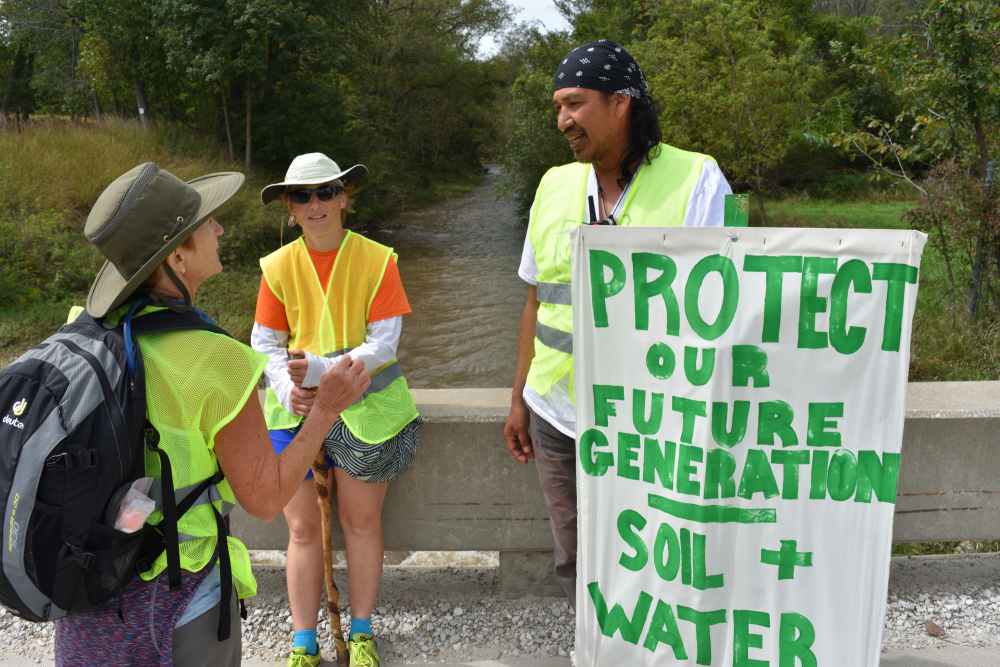
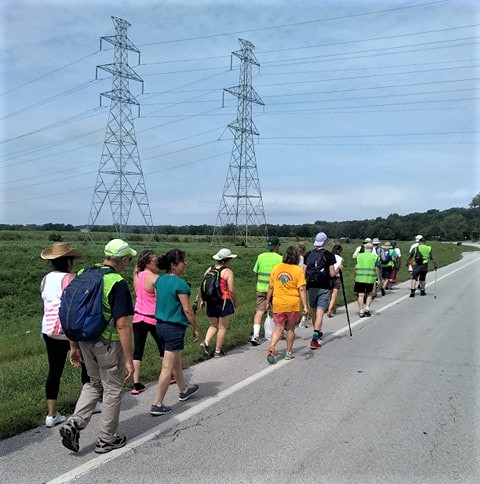
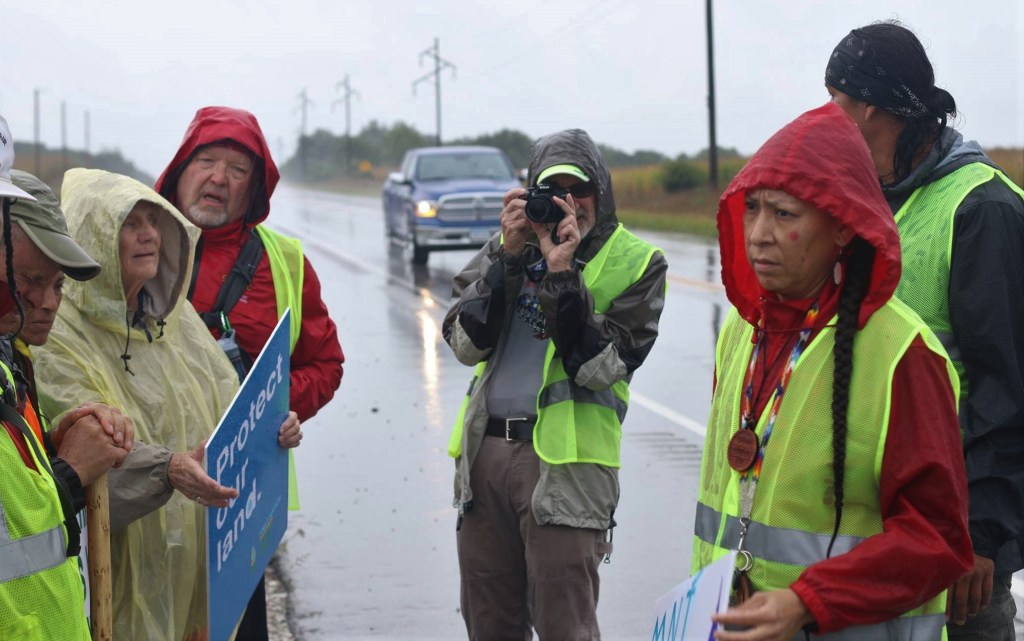
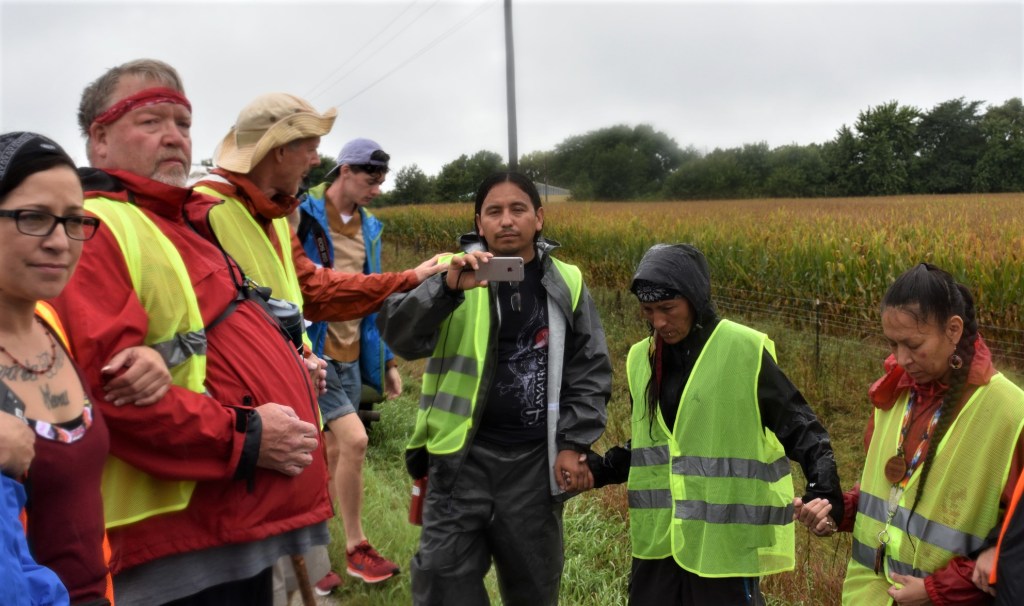
The abuse of eminent domain was one of the reasons a group of us walked and camped for ninety-four miles along the route of the Dakota Access pipeline in 2018, as seen in these photos.

#NoEminentDomainForPrivateGain
#NoCarbonPipelines
#PrairieNotPipelines
#NoCO2Pipelines
#StopNavigator
#StopSummit
#NoCCS

Global Abolition and White Supremacy

For most of my life I understood abolition to mean abolishing slavery. I often heard about that in my Quaker community. The story is that Quakers were involved in the underground railroad, helping freedom seekers escape from where they were enslaved.

But my friend Lucy Duncan writes about myths and avoiding uncomfortable truths.

We White Quakers like to revel in our myths about ourselves. These include “we were all abolitionists”; “we all worked on the Underground Railroad”; and “none of us were slaveholders.”

Often there are kernels of truth in myths, but the truth is more complex. Myths exist to veil the complexity and contradictions of our history, to obfuscate the differences between who we think we are and who we really are and have been. Often we want to take credit for the courageous few among us in order to absolve us from the uncomfortable reckoning with our past and our present. These myths protect our sense of innocence and goodness, but at what cost? Our failure to interrogate uncomfortable truths keeps us from living up to the promise of our faith, one that centers uncovering truth as foundational to our communal religious life.

A Quaker Call to Abolition and Creation by Lucy Duncan, Friends Journal, April 1, 2021

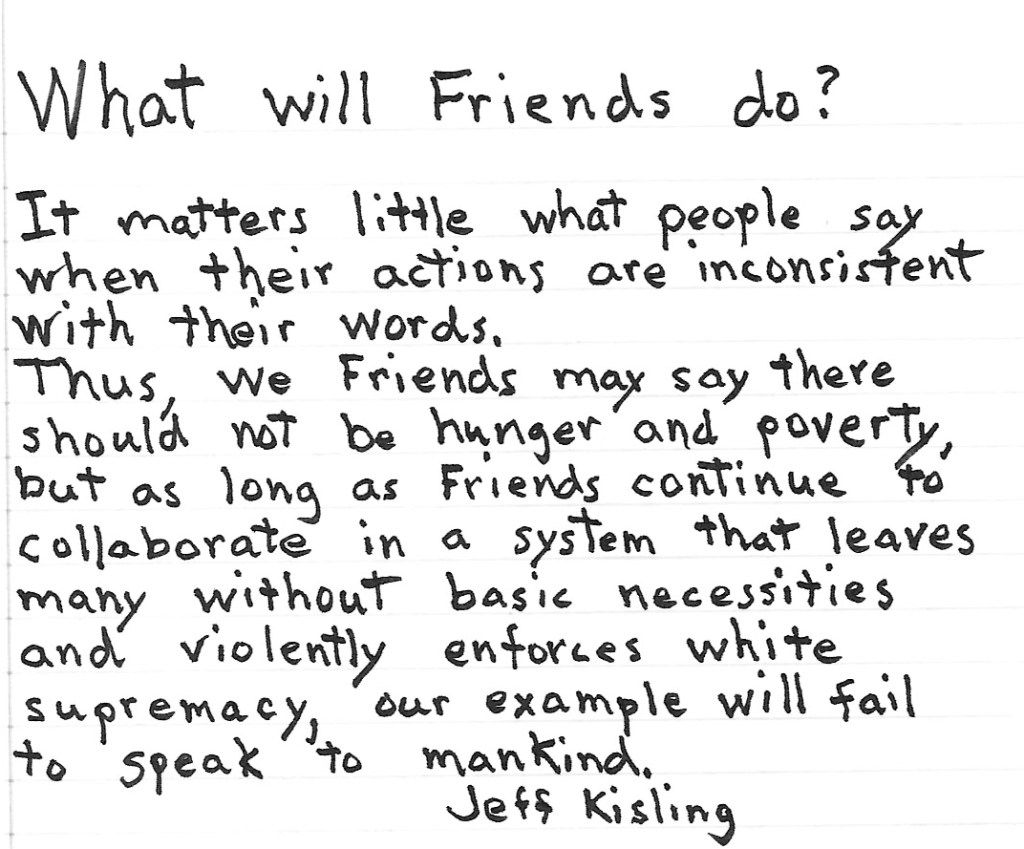
There are many stories of white Friends today refusing to reckon with our past, and what racial justice requires of us now.

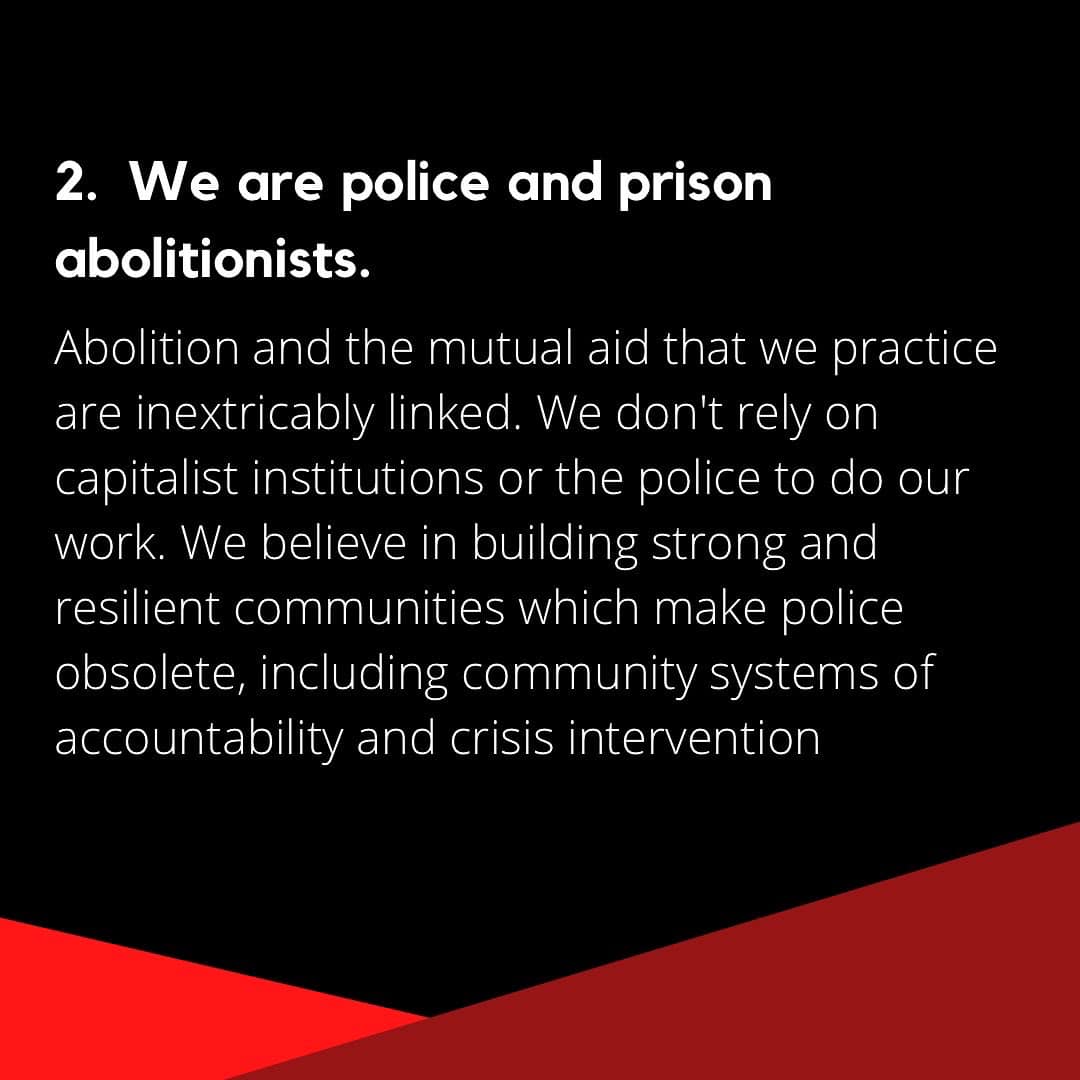
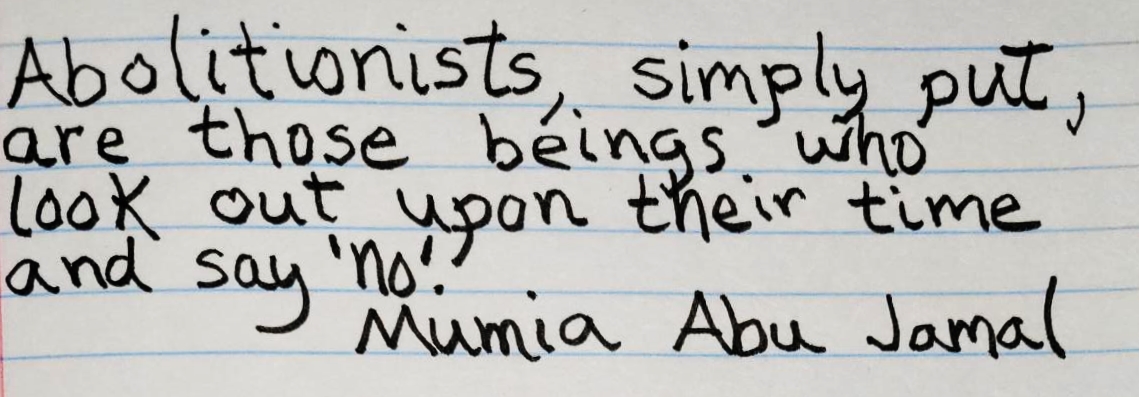
Today abolition more commonly refers to abolishing police and prisons. I’ve joined in the work of Quakers for Abolition Network and contributed to an article about this in the Western Friend, https://westernfriend.org/issue/94. I participate in the Central Iowa Democratic Socialists of America’s prison letter writing efforts and am taking two courses related to abolition.

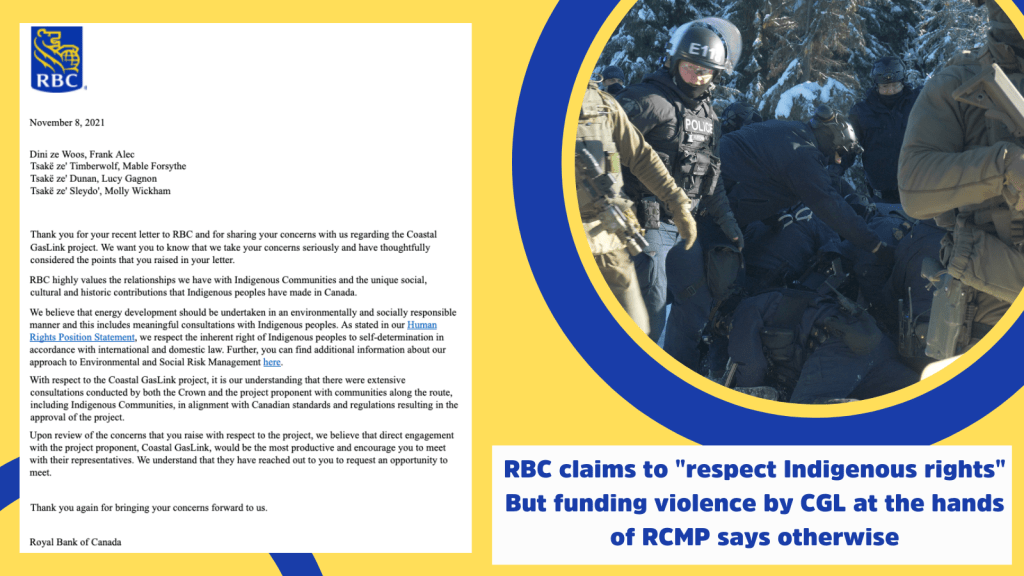
As I was praying about what to write today, I was thinking about the terrible abuses the Wet’suwet’en peoples in British Columbia are suffering from the heavily militarized Royal Canadian Mounted Police. The state sanctioned violence to enforce construction of the Coastal GasLink pipeline through their sacred and pristine lands and water. Yesterday I wrote about stopping the criminalization of Indigenous land defenders. And I realized this is another case that calls for the abolition of police and prisons.

That led to making the connection to the entire history of colonization of so-called North America to abolition. To the global colonization of Indigenous peoples. To the need for abolition of colonization and supremacy worldwide. Including repudiation of the Doctrine of Discovery.

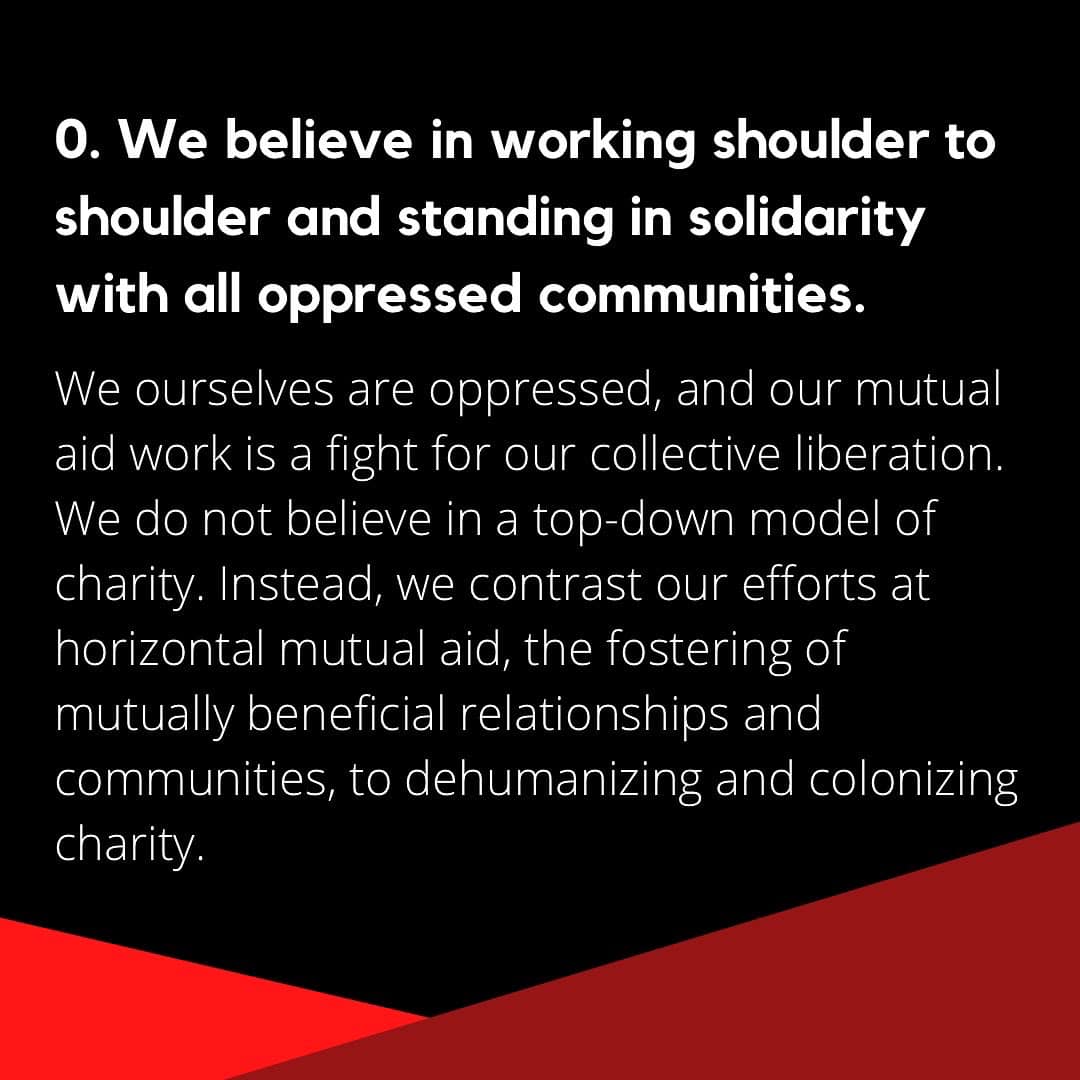
Abolition is about ending systems of control over populations. That is why my friends and I are working to create Mutual Aid communities. Mutual Aid is about replacing vertical hierarchies with horizontal group structures. There can be no control from above if there is no vertical hierarchy.

“What would it look like to finally and fully abolish slavery?” It would look like Mutual Aid.

What would it mean for us to take seriously and collectively as a Religious Society a call to finish the work of abolition, hand in hand and side by side with those affected  and their loved ones? What would it mean for us to stand fully with the calls to abolish the police and fully fund community needs instead? What would it mean to reckon with our past complicity with harm and fully dedicate ourselves to the creation of a liberating Quaker faith that commits to build the revolutionary and healing faith we long to see come to fruition? What would it look like to finally and fully abolish slavery?

A Quaker Call to Abolition and Creation by Lucy Duncan, Friends Journal, April 1, 2021

Stop Criminalizing Indigenous Land Defenders

These videos tell the story of the most recent persecution of the Wet’suwet’en peoples by the Canadian government and the militarized Royal Canadian Mounted Police. They speak eloquently for themselves.

They point out what has been obvious to anyone watching the trucker protests the double standard of how the RCMP treat them versus the state sanctioned violence against Indigenous peoples.

Two warnings. There are scenes of police violence. And the song at the end of the first video includes words not appropriate for children but are for the message given.

Today, February 14th 2022, a day that we honour and remember all our relatives that go missing and are found murdered, our land defenders are attending court for upholding Wet’suwet’en law.

We live by our ancestors teachings and the laws that have been in place forever. We will defend our lives and way of living, as all those that came before have done, so that our children will not have to fight the same battles.

We are so grateful that so many nations and allies have stood with us. Their bravery and conviction will always be remembered. Today we stand united before a court that refuses to recognize its’ own rulings. Today we also support our Likhtsamisyu and Gitxan relatives as they appear in the same court for also upholding Wet’suwet’en law. We are all one.

This is a first appearance for all those that were arrested on November 18/19 2021. There are two others facing charges that were arrested and violently removed from Coyote Camp on Cas Yikh yintah appearing today as well.

The criminalization of our people and the blatant racism of the so-called justice system is especially pronounced now as we see how non-indigenous people are treated. The violence used against Indigenous women protecting Indigenous land is intentional. The kid gloves used in Ottawa is intentional. We will not allow this to continue for our children to grow up with.

For more information please visit yintahaccess.com on how to support and current campaigns.

Follow our social media pages for updates on today’s court and future proceedings.

Misiyh.


Following is some history related to support from various groups in Iowa for the Wet’suwet’en struggles.

January 26, 2020

Bear Creek Friends (Quaker) meetinghouse is in the Iowa countryside. Many members have been involved in agriculture and care about protecting Mother Earth. A number of Friends have various relationships with Indigenous peoples. Some Friends have worked to protect water and to stop the construction of fossil fuel pipelines in the United States, such as the Keystone XL and Dakota Access pipelines.

We are concerned about the tensions involving the Wet’suwet’en Peoples, who are working to protect their water and lands in British Columbia. Most recently they are working to prevent the construction of several pipelines through their territory. Such construction would do severe damage to the land, water, and living beings.

Bear Creek Friends Meeting, of Iowa Yearly Meeting (Conservative) approved sending the following letter to British Columbia Premier, John Horgan.

John Horgan.
PO BOX 9041 STN PROV GOVT
VICTORIA, BC V8W 9E1.
Email premier@gov.bc.ca

John Horgan,

We’re concerned that you are not honoring the tribal rights and unceded Wet’suwet’en territories and are threatening a raid instead.

We ask you to de-escalate the militarized police presence, meet with the Wet’suwet’en Hereditary Chiefs, and hear their demands:

That the province cease construction of the Coastal Gaslink Pipeline project and suspend permits.

That the United Nations Declaration on the Rights of Indigenous Peoples (UNDRIP) and tribal rights to free, prior and informed consent (FPIC) are respected by the state and RCMP.

That the Royal Canadian Mounted Police (RCMP) and associated security and policing services be withdrawn from Wet’suwet’en lands, in agreement with the most recent letter provided by the United Nations Committee on the Elimination of Racial Discrimiation’s (CERD) request.

That the provincial and federal government, RCMP and private industry employed by Coastal GasLink (CGL) respect Wet’suwet’en laws and governance system, and refrain from using any force to access tribal lands or remove people.

Bear Creek Monthly Meeting of Friends (Quakers)
19186 Bear Creek Road, Earlham, Iowa, 50072

February 7, 2020

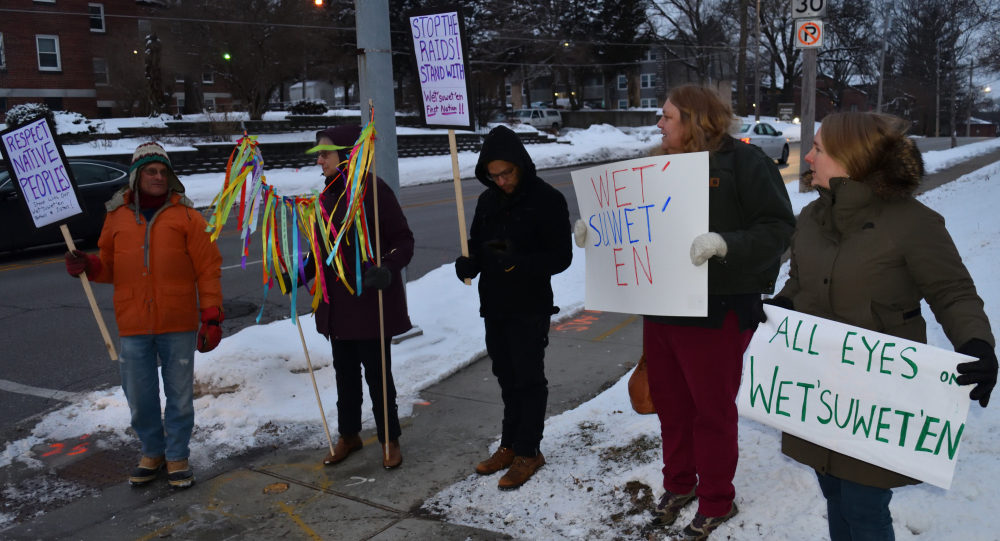
Several of us gathered in Des Moines, Iowa, for a vigil in solidarity with the Wet’suwet’en peoples. Our friends at Bold Iowa and Iowa Citizens for Community Improvement (ICCI) helped notify people about our vigil.

Feb 7, 2020

And photos from other events since that time.

#wetsuwetenstrong

Usefulness of Mutual Aid Against Our Failing Government

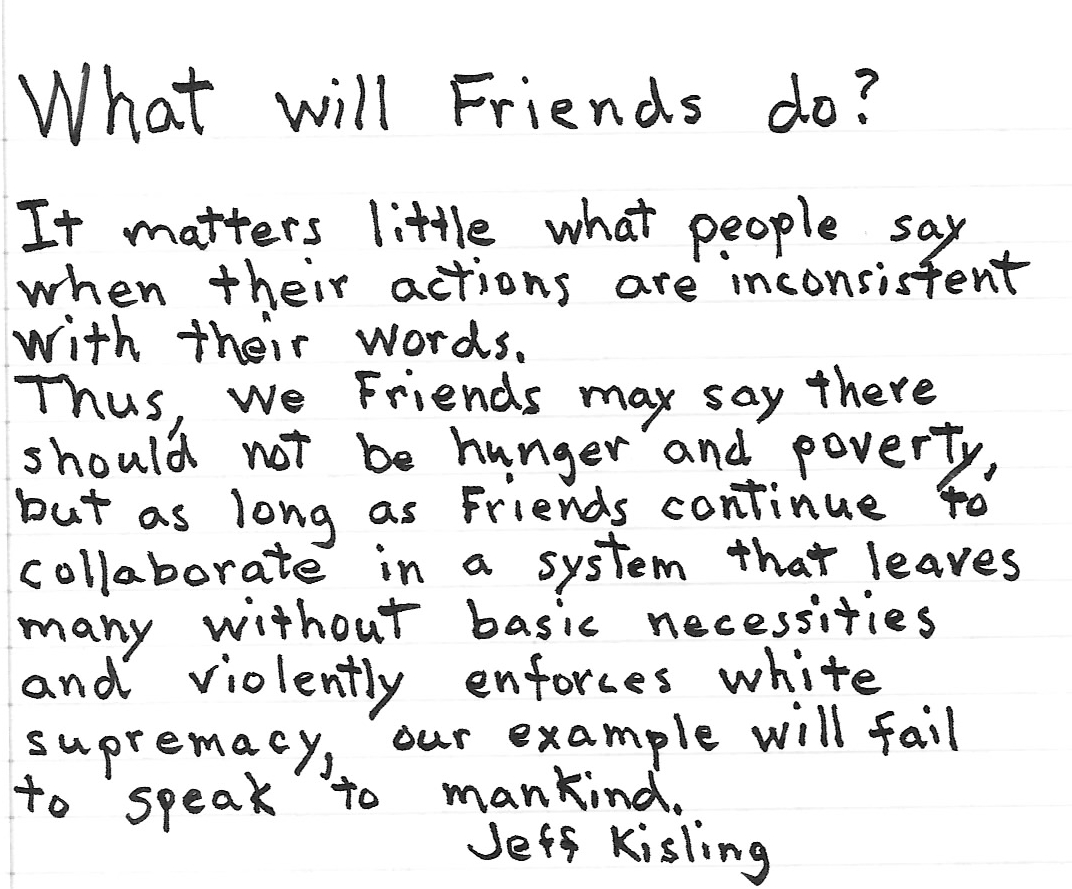
There are times when I’m afraid to write certain things. When I fear those I care about will be hurt by what I write. Afraid they will think poorly of me.

That was the case yesterday when I wrote “what this means for me is I don’t worry about the dysfunction of the political system. The culture and identity wars.”

For me this means rethinking whether we can influence government, which no longer serves us. Trying to engage with government officials has been one of the main ways Quakers and many others have worked for change. In earlier times, remarkable changes sometimes resulted.

I know many Friends will disagree when I say I believe this is no longer true.

Previously I wrote we need to rethink the stories we tell ourselves. Let go of the stories we have discovered were not, or no longer are true. Rethink stories of our past, of other cultures. To seek and really listen for Spiritual guidance. Act on that guidance. Question everything. Create new stories.

What I pay attention to, what I can actually help with are the survival needs of my community.

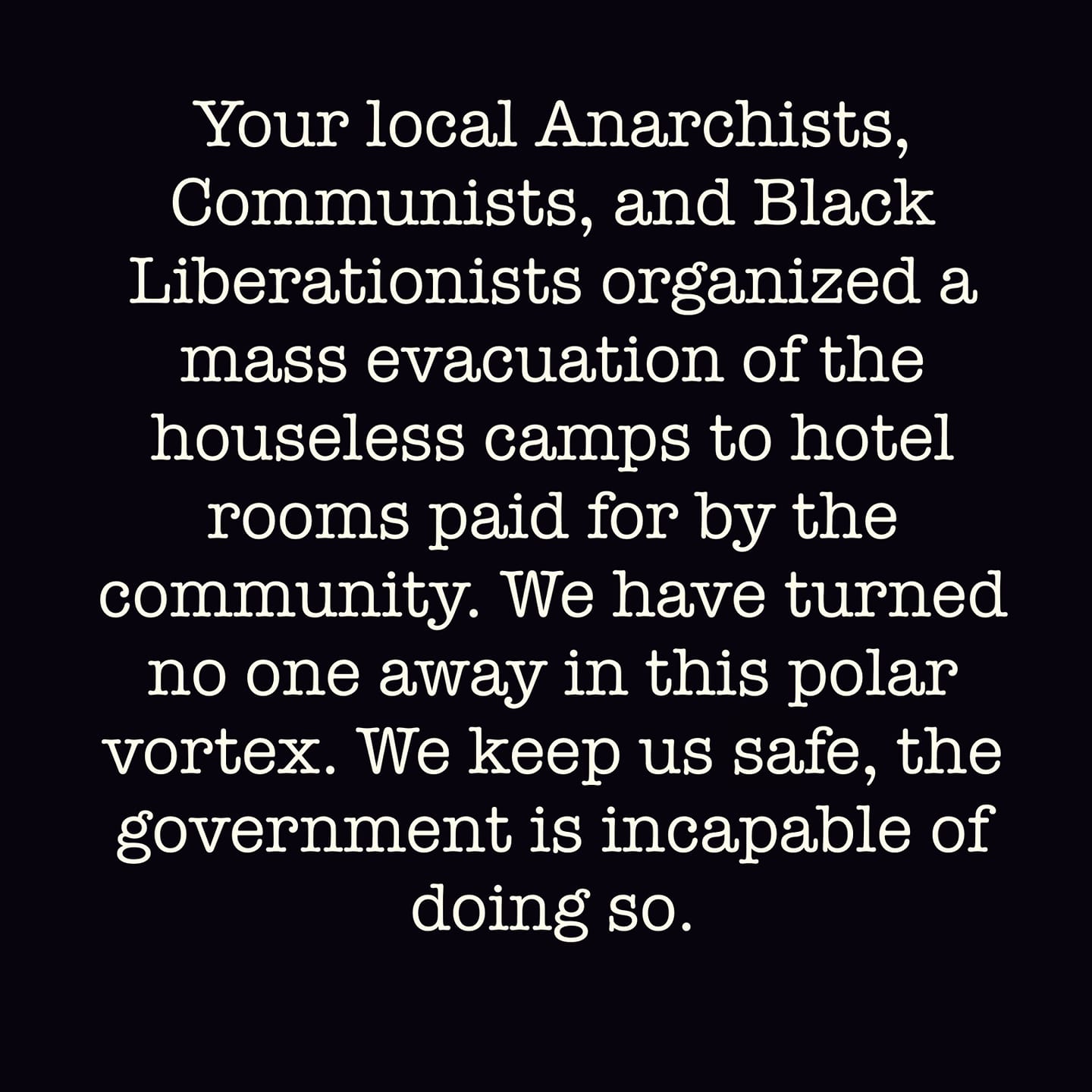
Your local Anarchists, Communists, and Black Liberations organized a mass evacuation of the houseless camps to hotel rooms paid for by the community. We have turned no one away in this polar vortex. We keep us safe, the government is incapable of doing so.

Des Moines Mutual Aid

The Mutual Aid work I’m most involved with is the free food project, which is a continuation of the Black Panther program mentioned below, that has existed in Des Moines since that time in the early 1970’s. I was there this morning. The wind chill was -11. Several of us mentioned we couldn’t see because our masks (which everyone wears) fogged up our glasses. Each time we would laugh about that. As always, we enjoyed being and working together.

We have only so much of ourselves that we can invest in work for justice. We can’t afford to waste that on things that will not result in change. The effort put into ineffective processes is effort that will not be available for other things, such as Mutual Aid.

I would ask what your stories are.

  • What is your justice work?
  • What has that work accomplished?
  • Have you developed deep, new friendships? New community?
  • Does that work excite and fulfill you?

Too little attention is paid to how justice work affects those doing the work. Too often I see those who want to make a difference go from committee meeting to meeting. Too often feeling dissatisfaction and fatigue. That isn’t going to do anyone any good.

That’s what Jason Laderas meant when he wrote mutual aid focuses on the root of community problems, rather than their symptoms. We bring the Beloved community into existence when we realize that with Mutual Aid, we are that community.

mutual aid focuses on the root of community problems, rather than their symptoms. 

Jason Laderas

Now more than ever, it is clear to me that there is not much of a difference between the Democrats and Republicans in America.

While the Democrats may seem to favor human rights more than the Republicans, they have failed to deliver the type of change that could transform our society and lift millions out of suffering.

This whole two-party system is a facade. Neither party has the average person’s interests in mind. It’s about what benefits the billionaire corporations the most; it’s about serving the wealthy elite and leaving everyone else behind.

It’s not surprising that during this past year of COVID-19, where millions of people became unemployed, thousands of people died and millions were at risk of eviction, that the billionaires in the United States gained about 1.3 trillion since March of last year, according to inequality.org.

It doesn’t surprise me because this is just how our capitalist system is supposed to be working — the rich are getting richer, and the poor are getting poorer.

For far too long, our government has failed to vastly improve our material conditions. While people of other countries have enjoyed monthly government payments to help deal with COVID-19, the U.S. has only issued three direct payments.

It really makes me think, are we really the best country in the world?

If we cannot depend on our elected officials to deliver change that is going to benefit the overwhelming majority of this country, it is self-explanatory that the people may have to take matters into their own hands.

All massive changes in the history of America have started with everyday people banding together for a cause that they believe in. It does not start with the government. In the push for civil rights for Black people in the ’60s, change came to be with grassroots organizing.

The same can be applied to the changes that we want today. Since we cannot depend on our government, we have to depend on each other.

The Usefulness of Mutual Aid Against Our Failing Government, By Jason Laderas, slice of culture,  

If we cannot depend on our elected officials to deliver change that is going to benefit the overwhelming majority of this country, it is self-explanatory that the people may have to take matters into their own hands.

Jason Laderas

One of the most famous examples of mutual aid is the Free Breakfast for Children Program of the Black Panthers. The Panthers took notice that poor black children often could not learn to the best of their ability because of poverty and hunger, so they took it upon themselves to feed the children. 

They served free breakfast and lunch daily, also intaking donations from other organizations within the community like churches and other businesses.

This program spread all around the Black Panther chapters across America, eventually reaching 36 cities by 1971. In 1969, 20,000 children were fed across America through this program. 

It was admitted during a 1969 U.S. Senate hearing in California, that the Panthers did a better job of feeding poor children than the state did. 

The Black Panthers breakfast program is a prime example of just how mutual aid can benefit communities. They took notice that the government was not doing their job to adequately educate, feed and house Black people in America, so they did it themselves. 

The Usefulness of Mutual Aid Against Our Failing Government, By Jason Laderas, slice of culture,  

Break up with Canada

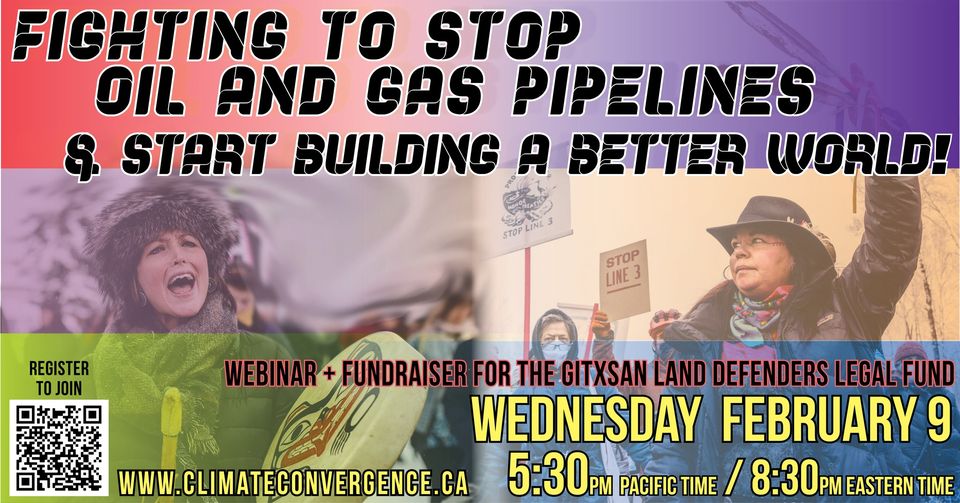
Last night I attended the “Fighting to stop oil and gas pipelines and start building a better world!” updating what is happening in Wet’suwet’en territory.

Image

Sleydo, Molly Wickham, spoke about the Coastal GasLink pipeline. I hadn’t realized that pipeline was supposed to be the proof of concept that multiple pipelines could be built to transport fossil fuel through Wet’suwet’en territory, to the west coast to be loaded onto oil tankers. It’s called the “carbon corridor”. Which is why the Royal Canadian Mounted Police (RCMP) are working with the fossil fuel industry to force construction of the Coastal GasLink pipeline.

Sleydo said RBC has invested $400 million in the Coastal GasLink pipeline.
Iowa Solidarity with Wet’suwet’en

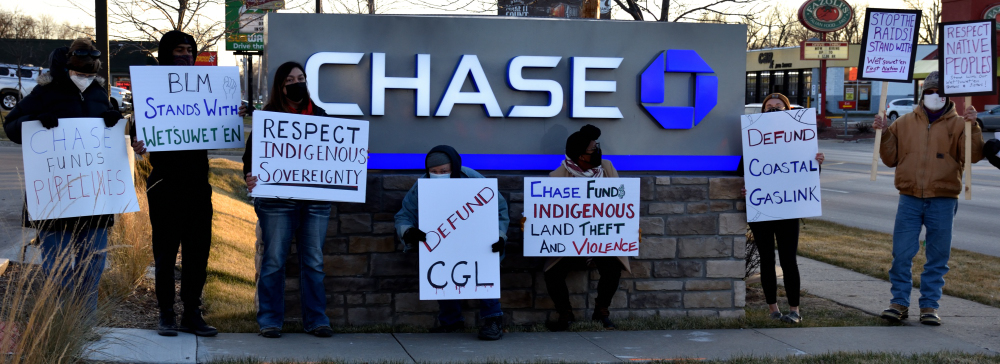
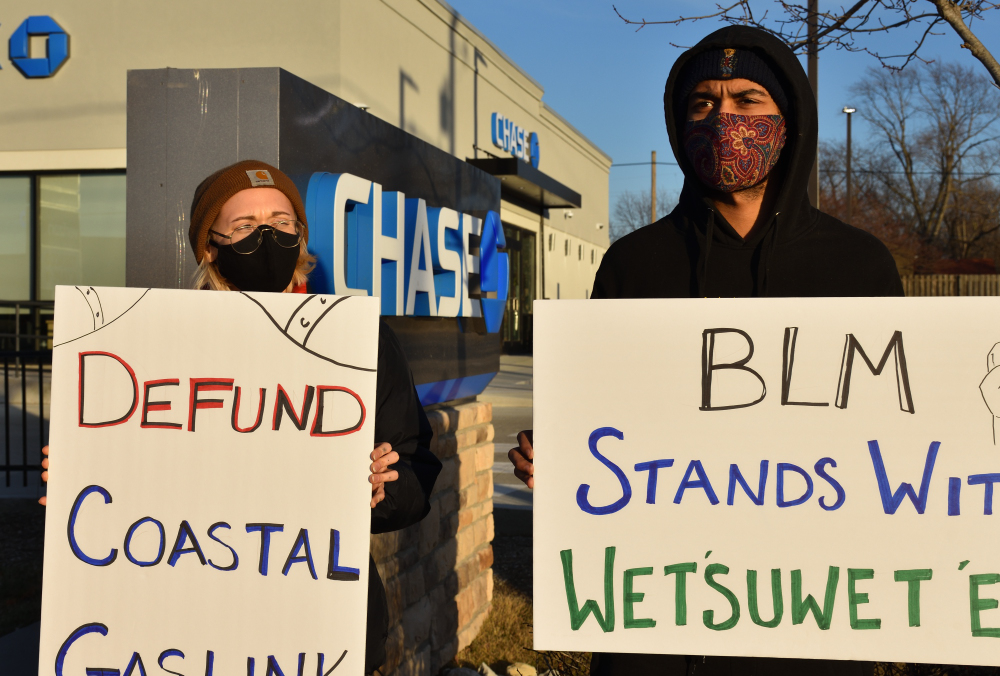
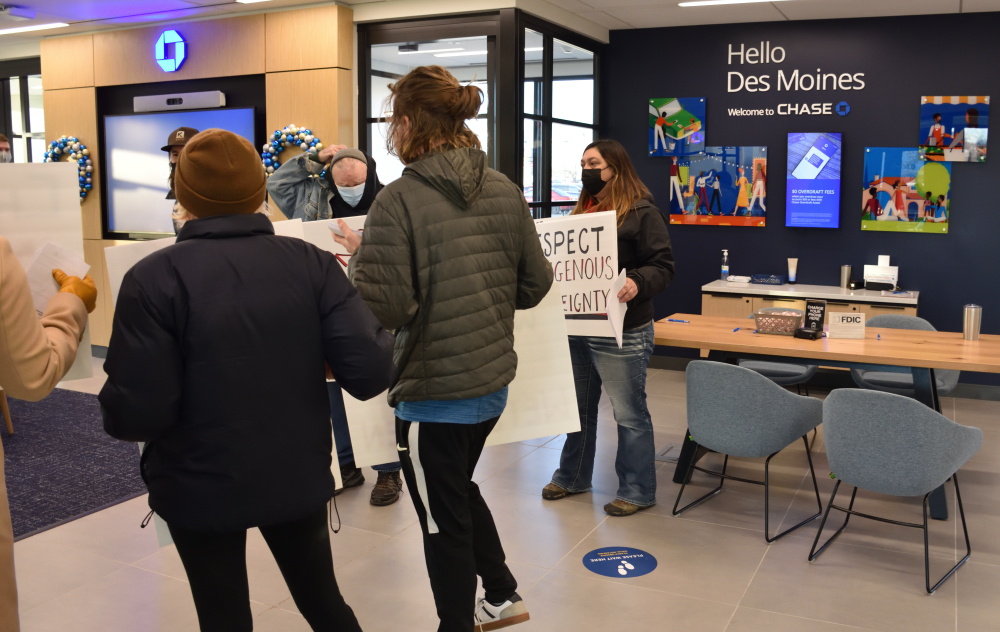
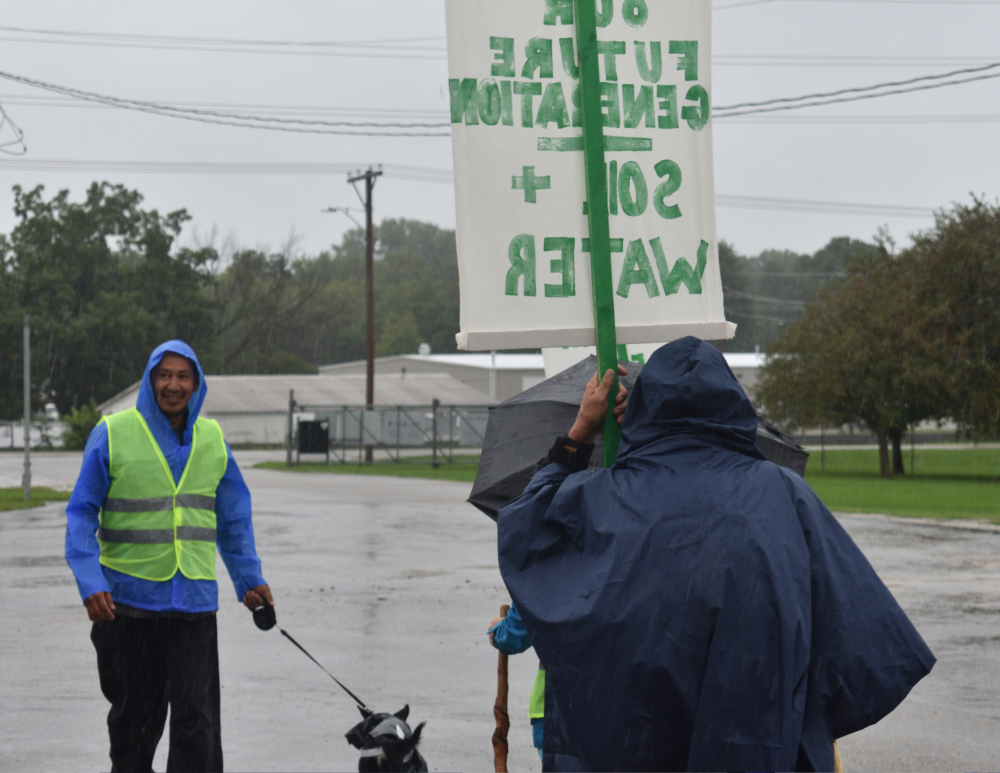
On December 22, 2021, we went to Chase bank in Des Moines to protest the bank’s funding of fossil fuel projects. In support of the Wet’suwet’en’s calls for solidarity.


First Nations land defenders on Monday filed a submission to the United Nations detailing how their territory and human rights are being violated by Canadian and British Columbian authorities in service of a fossil fuel corporation’s gas pipeline.

“We are intimidated and surveilled by armed RCMP, smeared as terrorists, and dragged through colonial courts. This is the reality of Canada.”

The submission to the United Nations Human Rights Council was filed by the Gidimt’en—one of the five clans of the Wet’suwet’en Nation—who for years have been fighting to stop the construction of Coastal GasLink’s pipeline through their territory in northern British Columbia.

The filing notes that “ongoing human rights violations, militarization of Wet’suwet’en lands, forcible removal and criminalization of peaceful land defenders, and irreparable harm due to industrial destruction of Wet’suwet’en lands and cultural sites are occurring despite declarations by federal and provincial governments for reconciliation with Indigenous peoples.”

Submission to UN Human Rights Council. “Wet’suwet’en is an international frontline to protect the rights of Indigenous peoples and to prevent climate change.” by Brett Wilkins, Common Dreams, February 7, 2022

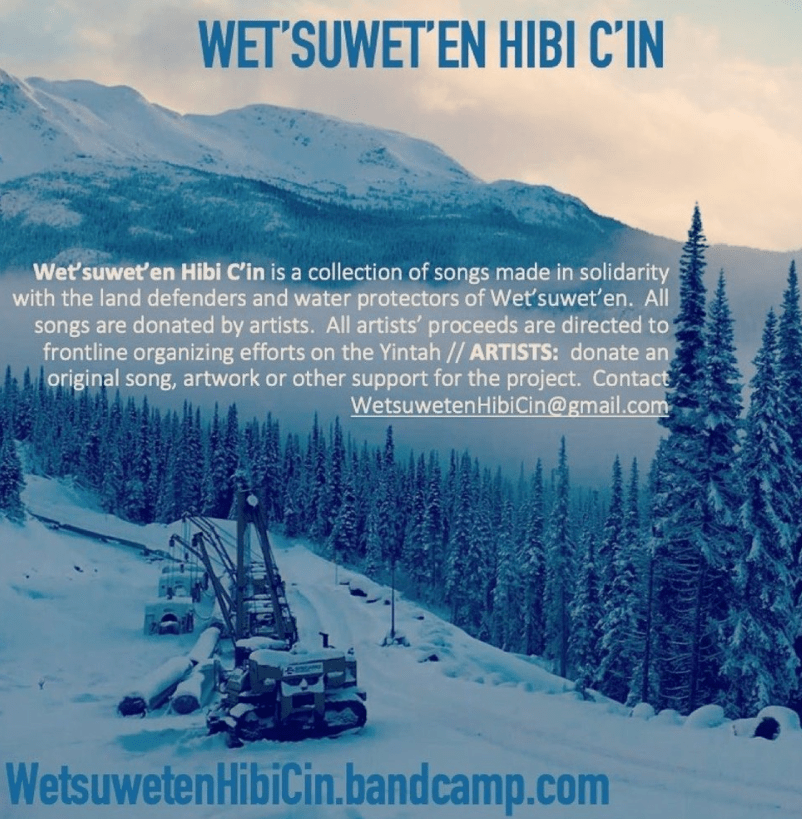
One way you can support the Wet’suwet’en is to purchase music donated by artists.

https://wetsuwetenhibicin.bandcamp.com/releases

Purchase TINY HOUSE to support Wet’suwet’en. I purchased TINY HOUSE and others. https://wetsuwetenhibicin.bandcamp.com/track/tiny-house

The Cowboy and Indian Alliance

I imagine many non-native people would like to know how to engage with Indigenous peoples for a variety of reasons. Even as a teenager I wanted to know more about cultures that lived with what I call environmental integrity. Fifty years ago, when I decided I could not own a car, it was a lonely place. I had no success at all in convincing others to give up cars. Worse, I couldn’t get anyone to even agree it was an important idea.

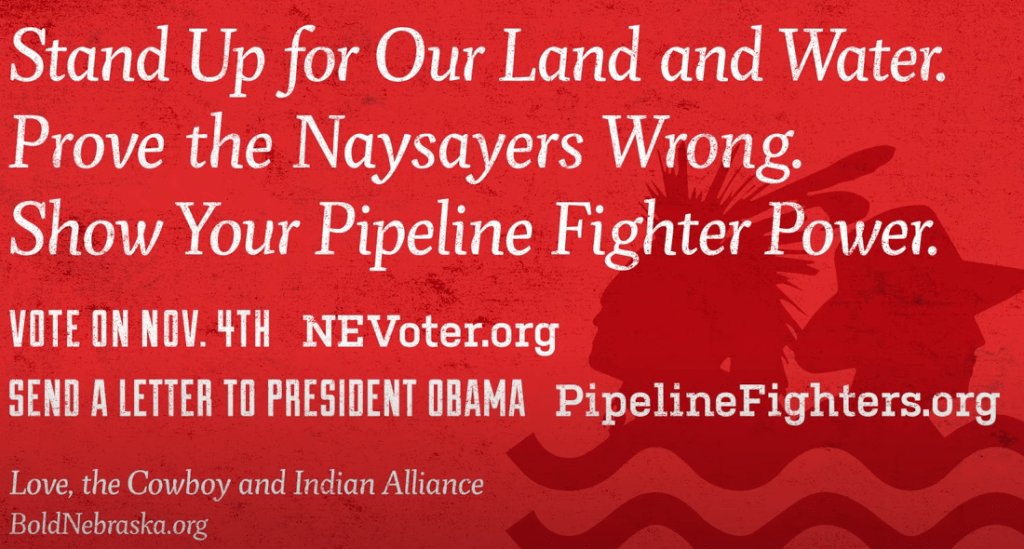
But what little I did learn about native cultures showed peoples who lived with far more integrity than I was able to. When I first became engaged with fossil fuel and pipeline resistance in 2013, I began to hear stories of Indigenous peoples working to protect the water. Then the Cowboy-Indian Alliance came together to oppose the Keystone XL pipeline. I was honored to be given this poster from the Harvest the Hope concert in 2014.


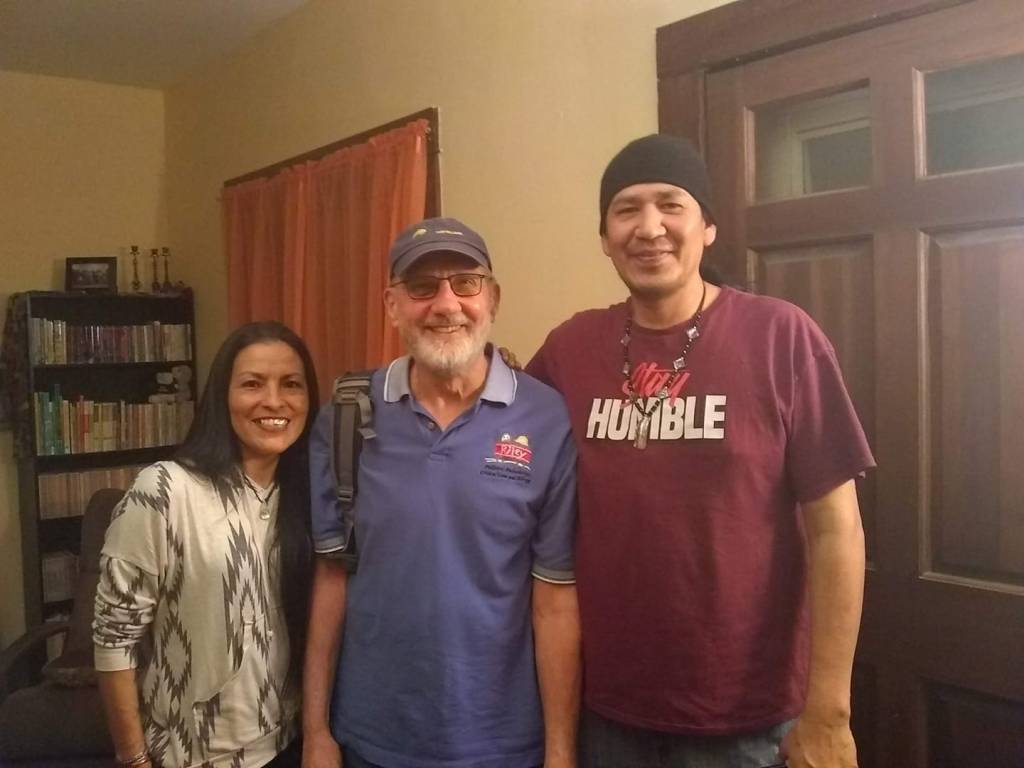
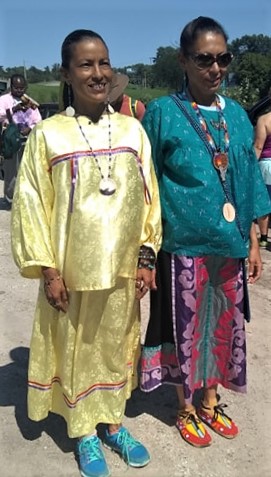
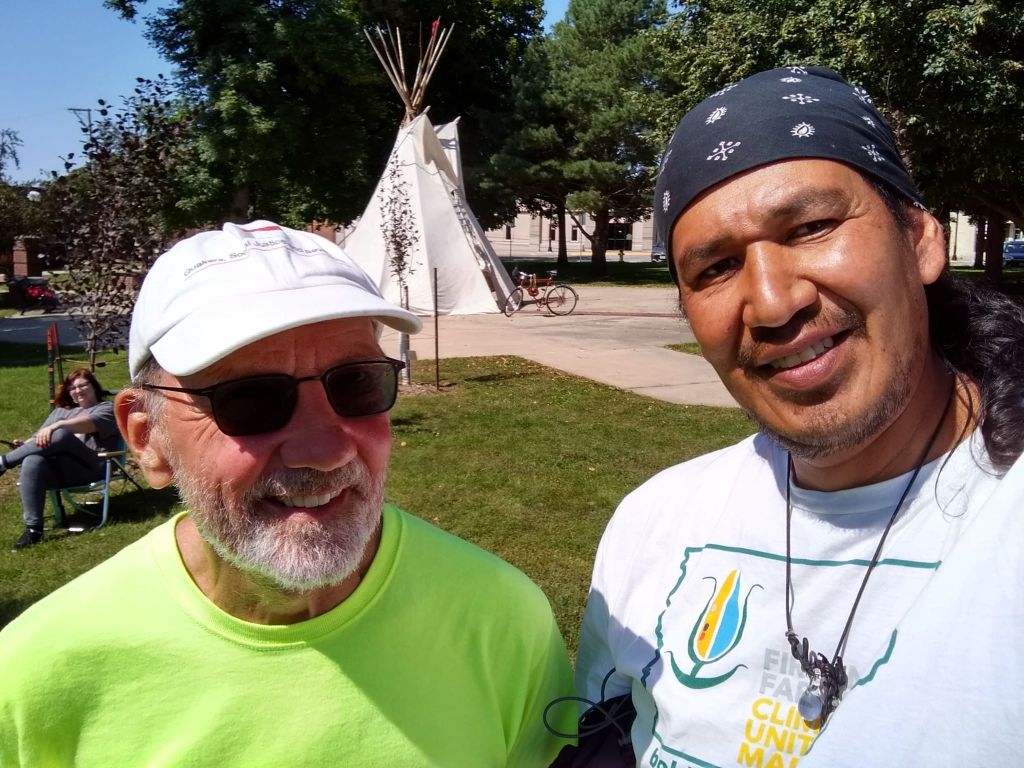
Then I had an amazing opportunity to learn from and become friends with a number of native people as we walked and camped along the route of the Dakota Access pipeline together in 2018. Over eight days and ninety-four miles we shared our stories with each other and built a community that would work together on various issues after the march, the First Nation-Farmer Climate Unity March. https://firstnationfarmer.com/

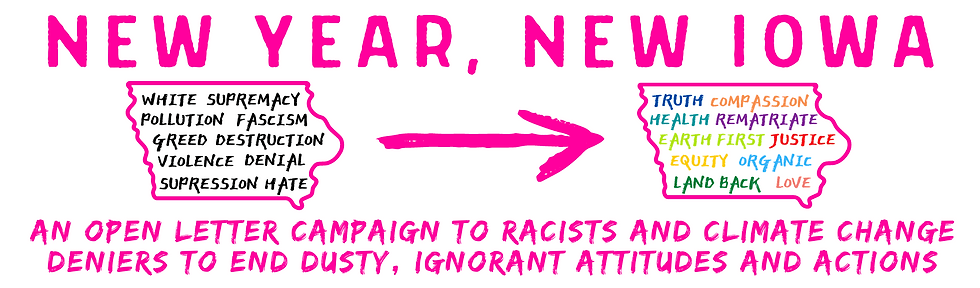
There are appropriate and inappropriate ways for non-native people to engage with native people. It is best for non-native people to wait to be invited into the work of Indigenous peoples. The point of this article is to let people know about such an invitation, in this case from my friends at the Great Plains Action Society (GPAS). Yesterday I wrote Your Invitation to become an ally. New Year, New Iowa is an invitation to non-native people to join in the work of GPAS.

Copy of New Year, New Iowa (2).png
https://www.greatplainsaction.org/newyearnewiowa

I hope you will engage in the open letter campaign, to bring attention to matters of concern to Indigenous, as well as non-native people to those who have the responsibility to make change. Besides supporting Great Plains’ work, you will learn about Indigenous views of their concerns. Yesterday’s post described the New Year, New Iowa open letter campaign. https://www.greatplainsaction.org/newyearnewiowa

We need to stand strong together to create the change that so desperately needs to happen. This Open Letter Campaign is a means for us to unite our voices to call for change. You are welcome to use the words we share, or to express your own. If all you have it in you to do is share an article or use a hashtag, every little bit helps. If you have letters of your own you’d wish to share with us, we’d love to hear from you! Again, we look forward to putting our voices together with you, to call for the New Year/New Iowa we so desperately need. Thank you.

https://www.greatplainsaction.org/newyearnewiowa

First Nation-Farmer Climate Unity March, Sept 1-8, 2018